

Polyrhachis yorkana
- Scientific Name
- Polyrhachis yorkana
- Subgenus
- Cyrtomyrma
- Tribe
- Camponotini
- Subfamily
- Formicinae
- Author
- Forel, 1915
- Distribution
- Found in 1 countries
Polyrhachis yorkana Overview
Polyrhachis yorkana is an ant species of the genus Polyrhachis. It is primarily documented in 1 countries , including Australia. Detailed taxonomic data and occurrence records can be further explored via authoritative databases such as AntWeb or the Global Biodiversity Information Facility (GBIF).
Polyrhachis yorkana
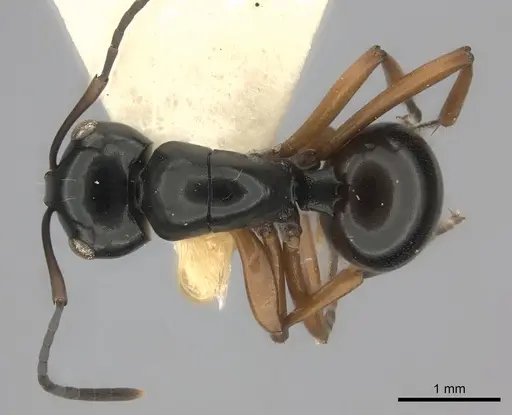
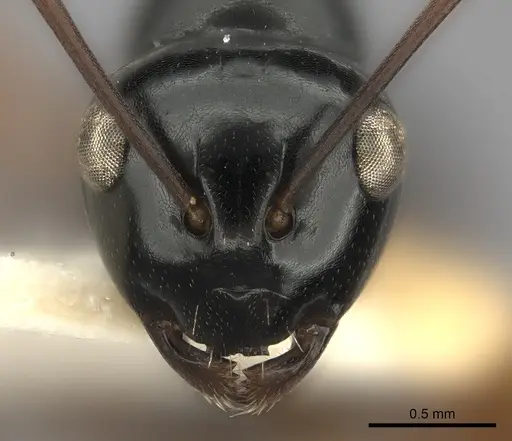
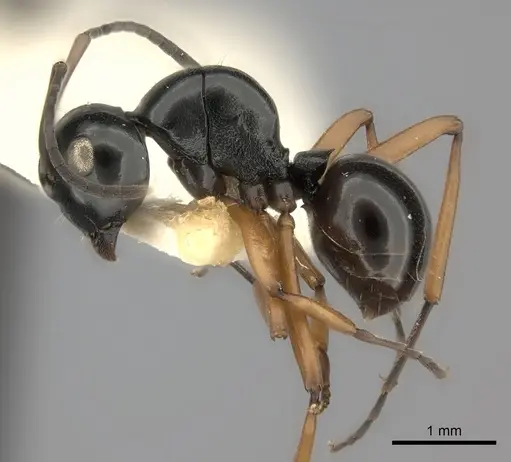
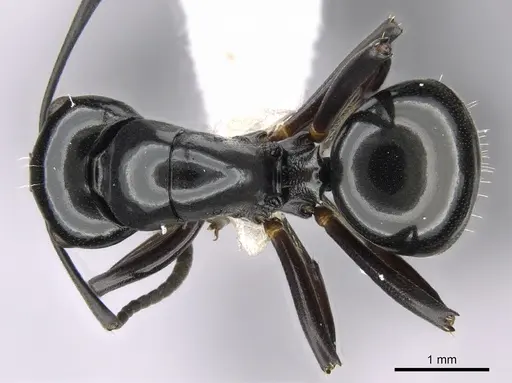
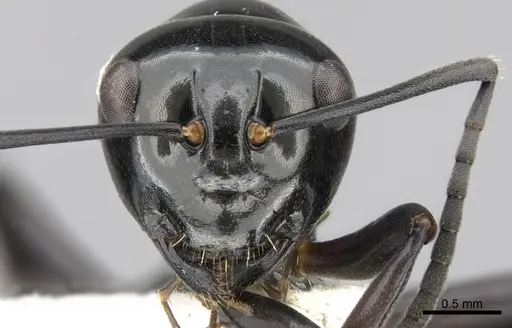
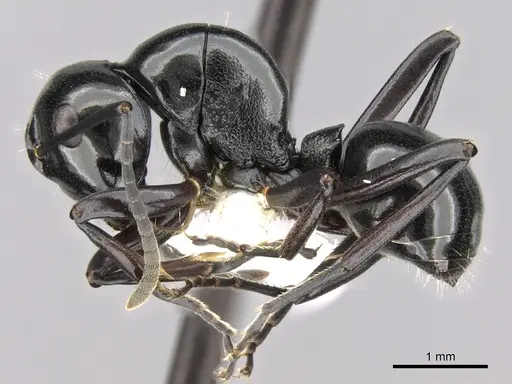
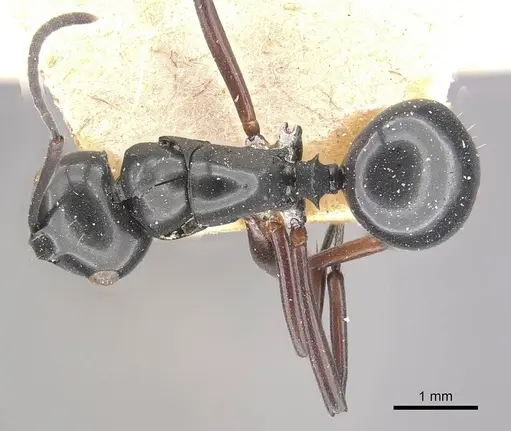
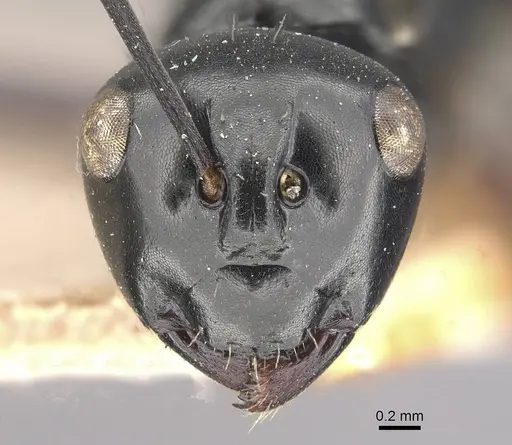
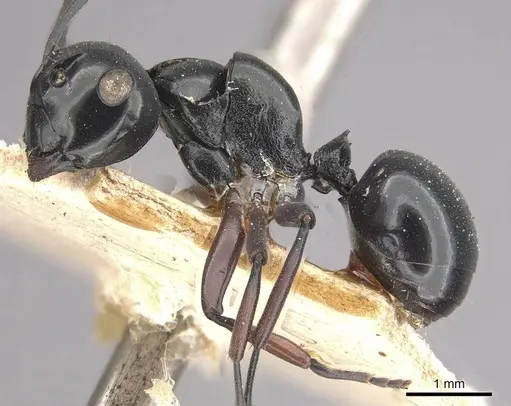
Polyrhachis yorkana is a medium-sized arboreal ant native to the Wet Tropics of north Queensland, Australia. Workers measure 4.9-5.6mm and have a distinctive appearance with variable propodeal spines that range from small bumps to short spines. They are characterized by their distinctly longer-than-wide head (CI 96-98) and eyes that clearly break the cephalic outline in full face view. The pronotum is widest just behind the shoulders with subangular to distinctly angular humeri. This species is unique among Australian ants for building polydomous silk nests, multiple connected nests woven between the leaves of lowland rainforest trees, rather than nesting in soil or rotting wood like most ground-dwelling ants.
Quick Summary
- Difficulty: Medium
- Origin & Habitat: Native to the Wet Tropics of north Queensland, Australia, with occasional specimens from further north on Cape York Peninsula. In the wild, they inhabit lowland rainforest trees where they build silk nests between leaves [1][2].
- Colony Type: Monogyne (single queen) colonies that are polydomous, meaning the colony occupies multiple connected silk nests spread across different leaves or branches [3][2].
- Colony: Monogyne
- Founding: Claustral
- Size & Growth:
- Queen: Estimated 7-9mm based on typical Polyrhachis genus patterns
- Worker: 4.9-5.6mm [1]
- Colony: Estimated several hundred to a few thousand workers based on related Polyrhachis species
- Growth: Moderate, estimated based on tropical arboreal ant patterns
- Development: Estimated 6-8 weeks at optimal tropical temperatures based on typical Polyrhachis development (Development timeline is estimated from genus-level data since species-specific studies are not available)
- Antkeeping:
- Temperature: Keep at 24-28°C. As a tropical species from north Queensland, they need warm, stable conditions. A heating cable on one side of the nest can help maintain warmth, but avoid overheating.
- Humidity: High humidity is essential, think damp rainforest. Keep nest substrate consistently moist but not waterlogged. Mist the outworld regularly and provide a water source.
- Diapause: Unlikely to require true diapause given their tropical origin. They may show reduced activity during cooler months but should be kept warm year-round.
- Nesting: This is an arboreal species that builds silk nests in nature. In captivity, they do well in naturalistic setups with live plants or artificial foliage where they can construct silk nests. Acrylic nests with added branches or a Y-tong nest with connecting tubes also work well. Provide materials they can use for nest-building.
- Behavior: Polyrhachis yorkana is an arboreal species that forages in the canopy layer. They are generally non-aggressive and more docile compared to many ground-nesting ants. Workers are active foragers that search for honeydew and small insects. Their escape risk is moderate, they can climb well but are not particularly small. Use standard escape prevention but no need for the ultra-fine barriers required for tiny species. They are polydomous, meaning they'll establish multiple nest sites if given the space, which is an interesting behavior to observe in captivity.
- Common Issues: high humidity maintenance can be challenging, poor humidity leads to desiccation and colony decline, arboreal nesting means standard soil-based formicariums may not be ideal, they prefer elevated nest sites, silk nest construction requires appropriate materials, provide leaves, twigs, or artificial foliage they can work with, tropical species needs consistent warmth, cool temperatures can slow or stop brood development, polydomous behavior means they may spread to multiple areas of the enclosure if given the opportunity
Nest Preferences and Housing
Polyrhachis yorkana is an arboreal species that naturally builds silk nests between the leaves of rainforest trees. This is fundamentally different from most ant species kept in captivity, which nest in soil or wood. In captivity, you'll get the best results with a naturalistic setup that includes live plants or artificial foliage where workers can construct their characteristic silk nests. A vertical or multi-level enclosure works well since they prefer to nest above ground. You can also use a Y-tong nest connected to a foraging area with branches, twigs, or artificial plants for them to build between. The key is providing elevated spaces and materials they can use for weaving silk between leaves or structures. Avoid deep soil setups, they simply won't use them the way ground-nesting ants would. [2][1]
Feeding and Diet
Like most Polyrhachis species, P. yorkana is an omnivore that feeds on honeydew from aphids and scale insects, plus small insects and other protein sources. In captivity, offer a varied diet: sugar water or honey constantly, and protein sources like small crickets, mealworms, or fruit flies weekly. They will also accept protein jelly or other prepared ant foods. Since they're arboreal foragers, place food in the upper reaches of their enclosure rather than on the floor. Fresh leaves with aphids can be a great addition if you have a live plant setup, they'll tend the aphids and harvest honeydew just like in the wild. Remove uneaten protein within 24-48 hours to prevent mold.
Temperature and Heating
As a tropical species from north Queensland's Wet Tropics, Polyrhachis yorkana needs warm conditions year-round. Keep the nest area at 24-28°C for optimal brood development. Room temperature may be sufficient if your home stays in this range, but many keepers use a heating cable or small heat mat on one side of the enclosure to maintain consistent warmth. Place the heating element on top of the nest rather than underneath to avoid drying out the nest. Monitor with a thermometer, temperatures below 22°C can slow development, and prolonged cool conditions may stress the colony. Unlike temperate species, they don't need a cooling period or hibernation.
Humidity and Water
Tropical rainforest ants like P. yorkana need high humidity. Keep the nest substrate consistently moist, it should feel damp but not have standing water. Mist the foraging area regularly and provide a water test tube with a cotton wick as a constant water source. The humidity in the nest area should be in the 70-80% range if you're measuring. In a naturalistic setup with live plants, the plants will help maintain humidity. Watch for signs of dryness: workers becoming sluggish, brood development slowing, or the colony abandoning nest areas. Conversely, too much stagnant moisture can lead to mold problems, so ensure some ventilation.
Colony Structure and Polydomous Behavior
One of the most fascinating aspects of P. yorkana is their polydomous colony structure, the colony spreads across multiple silk nests rather than having a single central nest. In the wild, they build nests between leaves at different heights in the rainforest canopy. In captivity, if given enough space and materials, you'll see this behavior as they establish multiple nest sites connected by trails of workers. This is normal and healthy behavior, don't be alarmed if they seem to 'spread out.' The colony is monogyne, meaning there's only one queen, but she may be difficult to locate as she can move between nest sites. This polydomous nature also means they're quite resilient, if one nest area becomes unsuitable, the colony can easily relocate. [3][2]
Frequently Asked Questions
Can I keep Polyrhachis yorkana in a test tube?
Test tubes are not ideal for this species. P. yorkana is an arboreal ant that builds silk nests between leaves, not a ground-nesting species that would use a test tube as a founding chamber. For a founding colony, you can use a small test tube setup initially, but be prepared to move them to a more suitable naturalistic or vertical enclosure once they establish workers. They need space to build their characteristic silk nests.
When should I move my Polyrhachis yorkana colony to a formicarium?
Move them when you see workers starting to explore and build between materials in their outworld, typically once the colony reaches 20-30 workers. A naturalistic setup with plants or a multi-level acrylic nest with branches works better than a traditional soil formicarium. They need elevated spaces to build their silk nests.
What is the best nest type for Polyrhachis yorkana?
Naturalistic setups with live plants or artificial foliage are ideal since they allow the ants to build silk nests between leaves. A Y-tong nest with connecting tubes to a foraging area decorated with branches, twigs, or artificial plants also works well. The key is providing elevated, interconnected spaces rather than a single ground-level chamber.
How long until first workers in Polyrhachis yorkana?
Based on typical Polyrhachis development, expect first workers (nanitics) approximately 6-8 weeks after the queen lays eggs, assuming temperatures around 26°C. Development may be slower if temperatures are cooler. The first workers will be smaller than mature workers but should be functional.
How fast do Polyrhachis yorkana colonies grow?
Growth rate is moderate. Colonies likely reach several hundred workers over 1-2 years under good conditions. As an arboreal species with access to honeydew in the wild, they can grow steadily when fed a balanced diet. Patience is key, don't expect the rapid growth of some ground-nesting species.
Can I keep multiple queens together in Polyrhachis yorkana?
No, P. yorkana is monogyne, colonies have a single queen. Multiple unrelated queens would likely fight. If you capture a founding queen, house her alone until she raises her first workers.
Are Polyrhachis yorkana good for beginners?
This species is rated as medium difficulty. While not the hardest species, their arboreal nesting requirements and need for high humidity make them more challenging than common ground-nesting ants like Lasius or Tetramorium. Some experience with ant keeping is helpful before attempting this species.
Do Polyrhachis yorkana need hibernation?
No, they do not need hibernation. As a tropical species from north Queensland, they need warm conditions year-round. Cool temperatures can stress the colony and slow or stop brood development. Keep them at 24-28°C consistently.
What do Polyrhachis yorkana eat?
They are omnivores. Offer sugar water or honey constantly, plus protein sources like small crickets, mealworms, or fruit flies weekly. They will also tend aphids if provided with live plants and harvest honeydew. A varied diet gives the best results.
Why are my Polyrhachis yorkana dying?
Common causes include: low humidity (they need damp conditions), cool temperatures below 22°C, improper diet, or stress from disturbance. Check that the nest area is humid but not moldy, temperatures are in the 24-28°C range, and food is being accepted. Also ensure they're in an appropriate arboreal setup, not a ground-nesting enclosure.
References

This caresheet is licensed under CC BY-SA 4.0 .
Literature
Loading...Loading products...