

Polyrhachis lanuginosa
- Scientific Name
- Polyrhachis lanuginosa
- Subgenus
- Myrma
- Tribe
- Camponotini
- Subfamily
- Formicinae
- Author
- Santschi, 1910
- Distribution
- Found in 1 countries
Polyrhachis lanuginosa Overview
Polyrhachis lanuginosa is an ant species of the genus Polyrhachis. It is primarily documented in 1 countries , including Malawi. Detailed taxonomic data and occurrence records can be further explored via authoritative databases such as AntWeb or the Global Biodiversity Information Facility (GBIF).
Polyrhachis lanuginosa
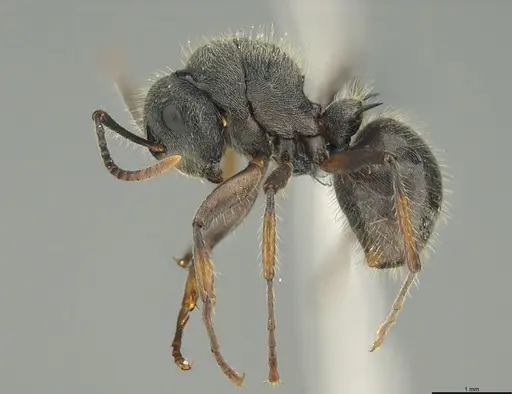
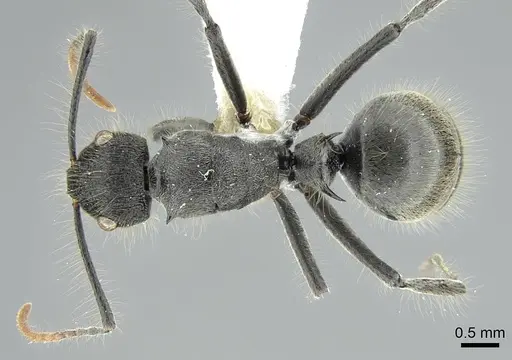
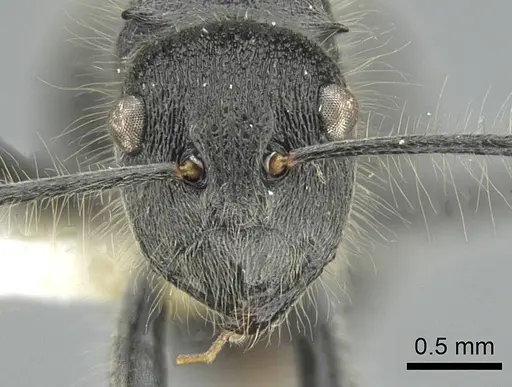
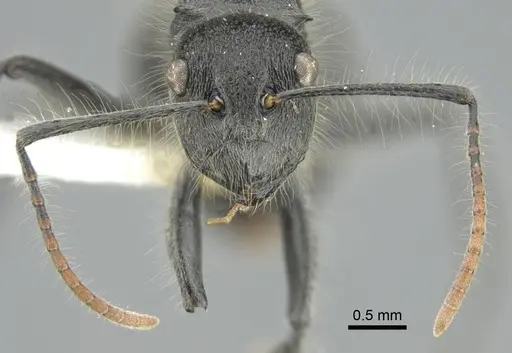
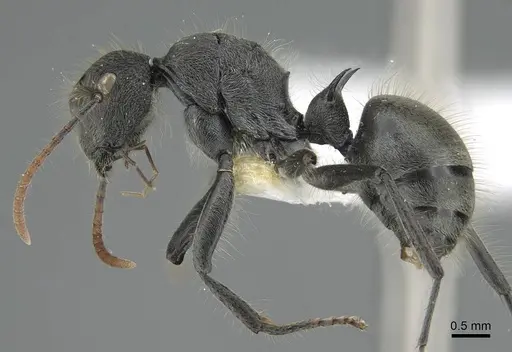
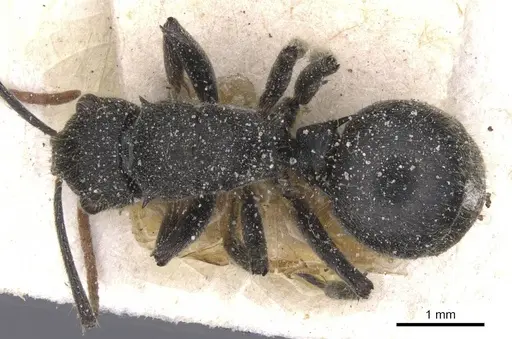
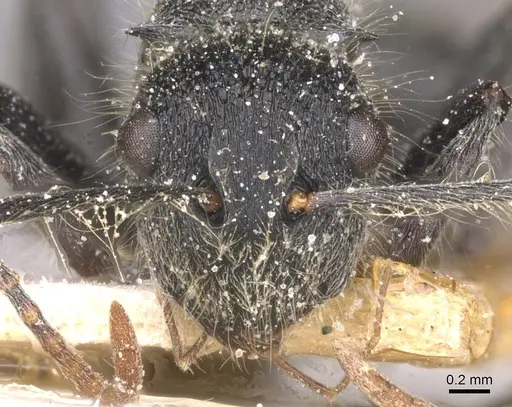
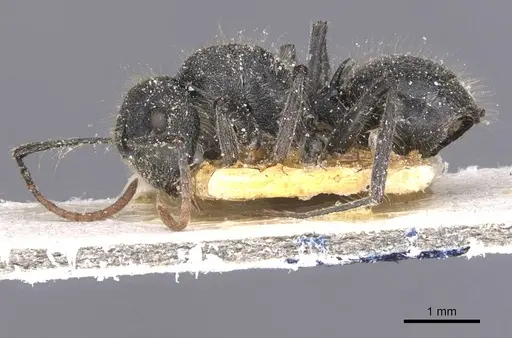
Polyrhachis lanuginosa is a medium-sized arboreal ant species native to central Africa, found in Cameroon and Congo. Workers measure 5.9-6.1mm and are striking in appearance, they're black with abundant long yellow-white erect hairs covering their body, giving them a somewhat fuzzy look. They have distinctive short spines on the pronotum (the first section of the thorax) and long spines on the petiole (the narrow waist section). This species belongs to the Polyrhachis revoili species group and is characterized by transverse ridges on the propodeum rather than the teeth seen in some related species [1].
These ants are arboreal, meaning they live in trees rather than on the ground. Research in central African forests confirms they nest in focal trees, though they're found in relatively few trees (about 1 in 9 sampled). They're classified as subordinate at food sources, meaning they tend to avoid conflict with more aggressive ant species rather than competing aggressively for resources [2][3]. Their biology in the wild remains poorly documented, making captive care somewhat speculative.
Quick Summary
- Difficulty: Medium
- Origin & Habitat: Central African forest, Cameroon and Congo. This is an arboreal species that nests in trees in tropical forest environments [2][3].
- Colony Type: Single-queen colonies (monogyne) are typical for Polyrhachis species, though colony structure for this specific species has not been directly studied. Polyrhachis ants generally establish colonies with one founding queen.
- Colony: Monogyne
- Founding: Claustral
- Size & Growth:
- Queen: Not specifically measured in available literature, estimated 7-9mm based on genus patterns
- Worker: 5.9-6.1mm [1]
- Colony: Colony size is unconfirmed, Polyrhachis colonies typically reach several hundred workers
- Growth: Moderate, estimated based on genus patterns
- Development: 8-12 weeks, estimated from related Polyrhachis species development (Direct development data unavailable for this species, estimates based on typical Formicinae development patterns at tropical temperatures)
- Antkeeping:
- Temperature: Keep around 24-28°C, they're a tropical species from central Africa. A gentle gradient allowing warmer and cooler areas is ideal.
- Humidity: Moderate to high, as an arboreal species from tropical forests, they prefer humid conditions. Keep nest substrate moist but not waterlogged. Mist occasionally and provide a water source.
- Diapause: No, being a tropical species, they do not require hibernation. Keep temperatures stable year-round.
- Nesting: Arboreal nesting means they prefer elevated nest sites. In captivity, Y-tong (AAC) nests or plaster nests with horizontal or slightly elevated chambers work well. They may also accept naturalistic setups with wood or cork bark pieces. Avoid fully underground-style nests, they prefer to stay off the ground.
- Behavior: These ants are relatively peaceful and subordinate, they avoid conflict rather than engage aggressively with other ant species [2][3]. Workers are active and foragers, likely searching for honeydew and small prey in the upper reaches of their environment. They have no documented stinging behavior of concern to keepers. Escape prevention should be moderate, they're medium-sized ants but being arboreal, they may attempt to climb. Their long spines and hairs are purely decorative, not a defense mechanism.
- Common Issues: Limited biological data means care is partially speculative, monitor colony response and adjust conditions accordingly, Arboreal nature requires elevated nest designs, standard test tube setups may not be ideal for established colonies, Tropical temperature requirements mean room temperature may be insufficient in cooler climates, heating may be needed, As a lesser-kept species, finding established care guides is difficult, be prepared to experiment with conditions
Natural History and Distribution
Polyrhachis lanuginosa is found exclusively in central Africa, specifically Cameroon and Congo. As an arboreal species, they live in tropical forest canopies rather than on the forest floor. Research in central African forests found them nesting in focal trees, though they appear in relatively few trees (approximately 1 in 9 sampled) [2][3]. This suggests they may have specific habitat requirements or compete poorly with more dominant arboreal ants.
The species was originally described by Santschi in 1910 from Congo specimens, with several synonyms recognized over the years (conradti, felici, santschii) before being consolidated under lanuginosa by Bolton in 1973 [1]. Workers are distinctive with their abundant long yellow-white hairs and short pronotal spines, making them relatively easy to identify among African Polyrhachis.
Housing and Nest Preferences
Because this is an arboreal species, your setup should reflect their preference for elevated, enclosed spaces. Standard test tubes work for founding colonies, but established colonies do better in Y-tong (AAC) nests, plaster nests, or naturalistic setups with cork bark or wood pieces. The key is providing chambers that aren't too large, these ants feel secure in snug spaces.
Avoid fully horizontal dirt-filled setups that mimic ground-nesting species. Instead, use nests with smooth walls and minimal substrate. Some keepers success with Polyrhachis comes from providing multiple connected chambers at different heights. Include a shallow water source and ensure humidity can be maintained without flooding the nest.
Feeding and Diet
Based on typical Polyrhachis behavior and their subordinate status at baits, these ants are likely generalists that feed on honeydew, nectar, and small insects. In captivity, offer sugar water or honey as a constant energy source, along with protein sources like small crickets, mealworms, or fruit flies.
Being arboreal foragers, they may prefer liquid sugar sources presented on cotton or small feeding dishes. Protein should be offered 2-3 times per week for established colonies. Remove uneaten prey after 24-48 hours to prevent mold. The subordinate behavior suggests they may not compete well for food against more aggressive species, keep them separated from aggressive ant colonies if housing multiple species. [2]
Temperature and Seasonal Care
As a tropical species from central Africa, Polyrhachis lanuginosa requires warm conditions year-round. Maintain temperatures between 24-28°C consistently. Unlike temperate species, they do not enter diapause or hibernation, keeping them too cold will stress the colony and slow or stop brood development.
In cooler climates, use a heating cable or mat on one side of the nest to create a gentle temperature gradient. Place the heating on top of the nest rather than underneath to avoid excessive drying. Monitor with a thermometer and adjust to keep the nest area in the ideal range. Room temperature alone is often insufficient unless your home is naturally warm.
Behavior and Colony Dynamics
These ants are relatively docile and show subordinate behavior at food sources, they avoid direct competition with more aggressive ant species rather than fighting for resources [2][3]. This makes them suitable for keepers who want a peaceful species that won't dominate their ant room.
Workers are active foragers and likely search for honeydew and small prey in their arboreal environment. They have the characteristic Polyrhachis spines but these don't appear to be used for defense in an aggressive manner. Colonies grow moderately, expect several months before the first major worker batches emerge. The long hairs covering their bodies are purely aesthetic and don't serve a defensive purpose.
Challenges and Considerations
The biggest challenge with Polyrhachis lanuginosa is the lack of species-specific biological data. Their care is largely inferred from genus patterns and related species, meaning you'll need to observe your colony and adjust conditions accordingly. Don't be afraid to experiment with humidity levels, nest types, and feeding schedules.
Being an arboreal species from relatively pristine central African forests, they may be sensitive to environmental changes. Introduce changes gradually and monitor colony health. They're not a common species in the antkeeping hobby, so finding experienced keepers for advice may be difficult. Consider joining antkeeping communities to share findings and learn from others attempting to keep this species.
Frequently Asked Questions
How long does it take for Polyrhachis lanuginosa to produce first workers?
Development time is estimated at 8-12 weeks from egg to first worker at optimal tropical temperatures (24-28°C). This is based on typical Formicinae development patterns since specific data for this species is unavailable. Be patient, founding colonies can take several months before the first workers emerge.
What is the best nest type for Polyrhachis lanuginosa?
Y-tong (AAC) nests or plaster nests work well for established colonies. As an arboreal species, they prefer enclosed chambers that aren't too large. Avoid standard test tubes for long-term housing, they do better with horizontal chambers sized appropriately for their colony size.
What do Polyrhachis lanuginosa eat?
They likely accept a generalist diet similar to other Polyrhachis species: sugar sources (honey, sugar water) for energy and small insects (fruit flies, small crickets, mealworms) for protein. Offer sugar constantly and protein 2-3 times weekly.
Do they need hibernation?
No, being a tropical species from central Africa, they do not require hibernation. Keep temperatures stable year-round between 24-28°C. Temperatures below 20°C for extended periods may stress the colony.
Are Polyrhachis lanuginosa good for beginners?
This species is rated as Medium difficulty. While not the most challenging, the limited biological data available means keepers should have some experience with arboreal ant species. They're peaceful and manageable but require specific conditions (warmth, elevated nests) that beginners may find challenging.
How big do Polyrhachis lanuginosa colonies get?
Colony size is not specifically documented, but Polyrhachis species typically reach several hundred workers. Expect moderate growth over 1-2 years to reach significant colony sizes.
Can I keep multiple queens together?
Polyrhachis species are typically monogyne (single queen). Combining unrelated queens is not recommended as it may lead to aggression. Allow one queen to establish a colony independently.
Why are my Polyrhachis lanuginosa dying?
Common causes include: temperatures below 24°C (tropical species need warmth), too-dry conditions (they prefer humidity), inappropriate nest types (arboreal species need elevated, enclosed spaces), or stress from excessive disturbance. Review each parameter and adjust gradually.
Where is Polyrhachis lanuginosa found in the wild?
They live in central African forests in Cameroon and Congo. They're an arboreal species that nests in trees, particularly in tropical forest canopies.
What temperature should I keep Polyrhachis laninosa at?
Keep nest temperatures between 24-28°C consistently. Use a heating cable on one side of the nest if room temperature is below this range. Avoid temperature fluctuations and keep away from cold drafts.
Is Polyrhachis lanuginosa aggressive?
No, research shows they're classified as subordinate at food sources, meaning they avoid conflict rather than compete aggressively. They're peaceful ants suitable for community ant rooms.
References

This caresheet is licensed under CC BY-SA 4.0 .
Literature
Loading...Loading products...