

Polyrhachis hexacantha
- Scientific Name
- Polyrhachis hexacantha
- Subgenus
- Campomyrma
- Tribe
- Camponotini
- Subfamily
- Formicinae
- Author
- Erichson, 1842
- Distribution
- Found in 1 countries
Polyrhachis hexacantha Overview
Polyrhachis hexacantha is an ant species of the genus Polyrhachis. It is primarily documented in 1 countries , including Australia. Detailed taxonomic data and occurrence records can be further explored via authoritative databases such as AntWeb or the Global Biodiversity Information Facility (GBIF).
Polyrhachis hexacantha
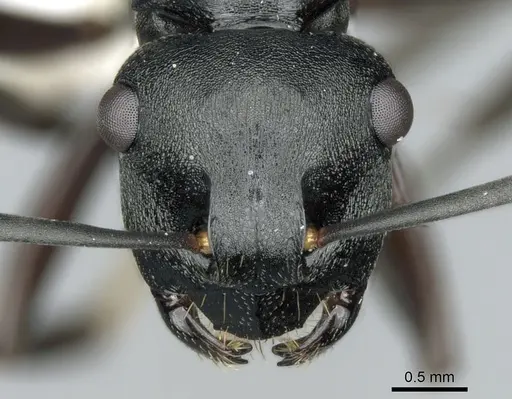
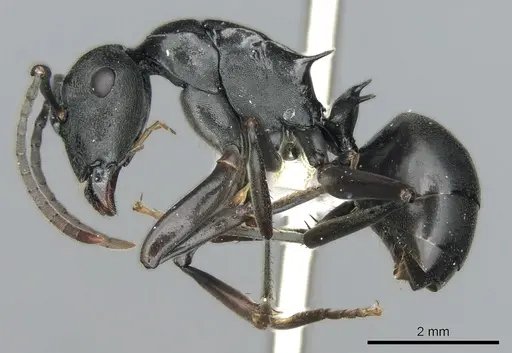
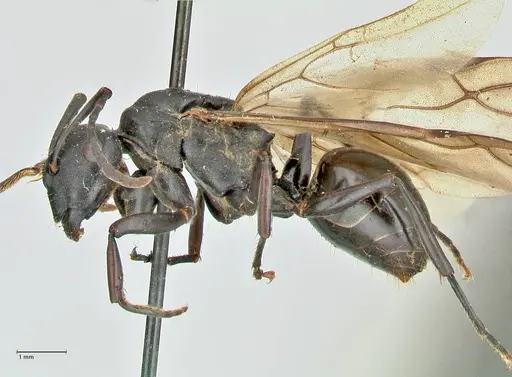
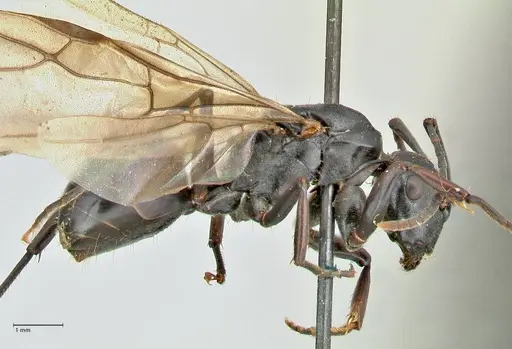
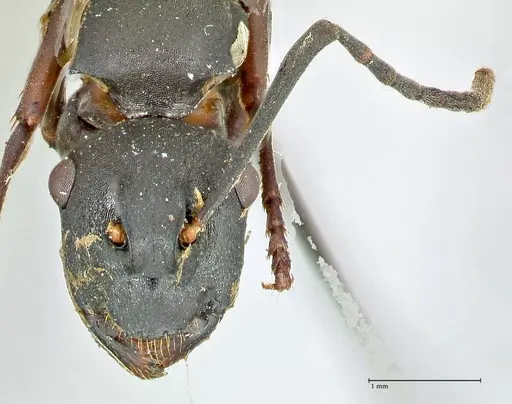
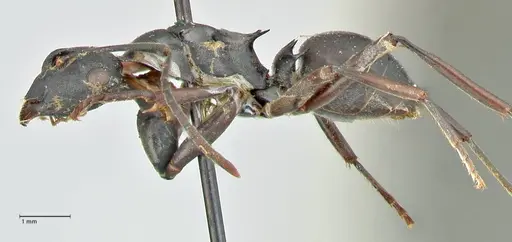
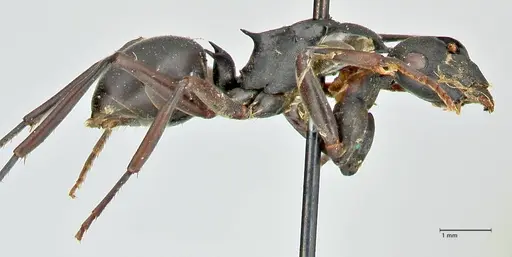
Polyrhachis hexacantha is a medium-sized ant native to southeastern Australia and Tasmania. Workers measure 7.81-9.27mm with a distinctive dull, opaque appearance caused by very closely spaced reticulate punctations on their body. These ants get their common name from the long intercalary spines on their petiole (the narrow waist section). They inhabit the mountainous regions of southeastern NSW, ACT, and the Victorian Alps, extending south into Tasmania where they often live alongside Polyrhachis fuscipes and Polyrhachis smithersi. Unlike many ants, they line their nests with silk and their pupae develop inside cocoons [1][2].
Quick Summary
- Difficulty: Medium
- Origin & Habitat: Mountainous regions of southeastern Australia, from southeastern NSW and ACT, south through the Victorian Alps to Tasmania. They live in cool temperate climates at higher elevations [2][3].
- Colony Type: Likely monogyne (single queen) based on typical Polyrhachis patterns. Colony structure in the wild is not well documented.
- Colony: Monogyne
- Founding: Claustral
- Size & Growth:
- Queen: Not documented, estimated 10-12mm based on worker size and genus patterns
- Worker: 7.81-9.27mm [2]
- Colony: Unknown, likely several hundred workers based on related Polyrhachis species
- Growth: Moderate, estimated based on temperate origin
- Development: Estimated 8-12 weeks at optimal temperature based on genus patterns (Pupae develop inside cocoons, which may extend development time slightly compared to naked pupae species)
- Antkeeping:
- Temperature: Keep cool, aim for 18-22°C. These ants come from high-elevation temperate regions and do not tolerate heat well. Room temperature is often suitable. Avoid temperatures above 25°C [1].
- Humidity: Moderate, they prefer slightly damp nest substrate. Keep the nest area moist but not waterlogged. Being subterranean nesters, they appreciate some moisture in their environment.
- Diapause: Yes, as a Tasmanian and alpine species, they require a winter dormancy period. Reduce temperature to 10-15°C for 3-4 months during winter.
- Nesting: Subterranean and lignicolous (wood-nesting). In captivity, a Y-tong (AAC) nest or plaster nest works well. They will use silk to line their chambers, so providing some organic material or a textured surface can encourage natural behavior. They prefer tight, enclosed spaces [1].
- Behavior: Generally calm and non-aggressive foragers. They are active at moderate speeds and will search for food systematically. Workers are medium-sized with a distinctive spiny appearance. They are not known to be particularly defensive but will use their spines if threatened. Escape risk is moderate, standard formicarium barriers are sufficient. They are not aggressive toward keepers and rarely sting.
- Common Issues: heat stress is a major risk, these cool-climate ants die quickly above 25°C, winter dormancy is essential, colonies that aren't cooled properly in winter may fail to thrive, wild-caught colonies may carry parasites that affect captive health, slow growth compared to tropical species can frustrate beginners, silk-nesting behavior means they may not accept bare acrylic nests, provide textured surfaces
Housing and Nest Setup
Polyrhachis hexacantha is a subterranean and lignicolous nester, meaning they naturally nest underground or in rotting wood. In captivity, they do well in Y-tong (AAC) nests or plaster nests that maintain consistent humidity. These ants have a unique behavior, they line their nests with silk, which is unusual for the Formicinae subfamily. To encourage this natural behavior, you can add a small piece of cotton or provide textured surfaces in the nest area. The chambers should be appropriately sized for workers of 7-9mm, not too tight, but with snug-fitting passages. A water reservoir in the nest helps maintain humidity without constant rehydration. Because they come from cool mountainous regions, avoid placing their nest near heat sources that would push temperatures above their tolerance [1].
Temperature Requirements
This is the most critical factor for keeping P. hexacantha successfully. As a species from Tasmania and the Australian Alps, they are adapted to cool conditions. Keep the nest area between 18-22°C, room temperature is often ideal. They can tolerate brief periods slightly above this range but will struggle and may die if temperatures exceed 25°C for extended periods. During the active summer months, ensure they aren't exposed to direct sunlight or heat from lamps. In winter, they benefit from a natural cooling period (see diapause section). If your room is naturally warmer in summer, consider using a small fan or placing the colony in a cooler part of your home. Unlike tropical ants that need heating cables, these ants generally prefer to avoid heat [1][2].
Feeding and Diet
Like most Polyrhachis species, these ants are omnivorous. They will accept protein sources like small insects (fruit flies, small crickets, mealworms) and sweet liquids (honey water, sugar water). In captivity, offer a varied diet: protein prey 2-3 times per week and a constant sugar source. Remove uneaten prey after 24-48 hours to prevent mold. They are moderate foragers, not as aggressive as some Formica species but will readily search for food. Fresh water should always be available. Based on their temperate origin, they may have seasonal food preferences, offering more protein in spring and summer during peak brood production supports colony growth [1].
Winter Dormancy and Diapause
As a species from Tasmania and high-altitude southeastern Australia, P. hexacantha requires a winter dormancy period to remain healthy. In autumn, gradually reduce the temperature to 10-15°C over 2-3 weeks. Keep them in this cool range for 3-4 months (roughly November through February in the Northern Hemisphere). During this time, reduce feeding significantly, offer a small amount of sugar water occasionally but no protein. The colony will be less active, with workers clustering together in the nest. Do not feed them heavily during dormancy as their metabolism is slowed. In spring, gradually warm them back to room temperature and resume normal feeding. Colonies that skip hibernation often fail to produce healthy brood in the following season [1][2].
Growth and Development
Workers are relatively large at 7.81-9.27mm, which means their colonies develop somewhat slower than tiny tropical species. The pupae develop inside cocoons, which is notable because some Polyrhachis species have naked pupae. Cocoon development typically takes longer than non-cocooned species. Based on genus patterns and their temperate origin, expect 8-12 weeks from egg to first worker at optimal temperature (around 20°C). The first workers (nanitics) will be smaller than mature workers but should still be recognizable by their spiny appearance. Growth is moderate, don't expect the rapid expansion seen in species like Tetramorium or Tapinoma. Patience is key with this species. A well-established colony may eventually reach several hundred workers over several years [1][2].
Frequently Asked Questions
Can I keep Polyrhachis hexacantha in a test tube?
Test tubes can work for founding colonies but these ants prefer more space as they grow. A test tube setup is fine for a newly mated queen but transfer to a proper nest (Y-tong or plaster) once the colony reaches 15-20 workers. Their silk-nesting behavior means they may do better in nests with some textured surfaces they can work with.
What temperature is too hot for Polyrhachis hexacantha?
Avoid temperatures above 25°C. These cool-climate ants from Tasmania and the Australian Alps do not tolerate heat well. Keep them at 18-22°C for optimal health. Room temperature is usually ideal, avoid placing their nest near windows with direct sunlight or heat sources.
How long does it take for first workers to emerge?
Expect 8-12 weeks from egg to first worker at optimal temperature (around 20°C). This is slower than many tropical species due to their temperate origin and the fact that their pupae develop inside cocoons. Be patient, the wait is worth it for these distinctive spiny ants.
Do they need hibernation?
Yes, as a Tasmanian and alpine species, they require a winter dormancy period. Reduce temperature to 10-15°C for 3-4 months during winter. This is essential for colony health and successful brood production in the following season.
Are Polyrhachis hexacantha good for beginners?
They are moderate difficulty, not the easiest but not expert-level either. The main challenge is providing the correct cool temperature range and managing their winter dormancy. If you can keep your ant room at 18-22°C and can provide a cool winter space, they are manageable. Their slow growth and specific temperature needs make them better suited for intermediate antkeepers.
What do Polyrhachis hexacantha eat?
They are omnivorous. Offer small insects (fruit flies, small crickets, mealworms) as protein 2-3 times per week, and provide a constant sugar source like honey water or sugar water. They are moderate foragers and will readily search for food. Remove uneaten prey after 24-48 hours.
When should I move them to a formicarium?
Move from a test tube setup to a proper nest once the colony reaches 15-30 workers. They do well in Y-tong (AAC) nests or plaster nests that hold humidity. Make the transition gradually, connect the test tube to the new nest and let them move on their own schedule.
References

This caresheet is licensed under CC BY-SA 4.0 .
CASENT0249664
View on AntWeb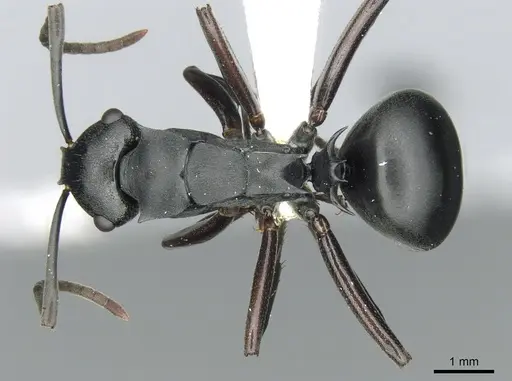
CASENT0910769
View on AntWeb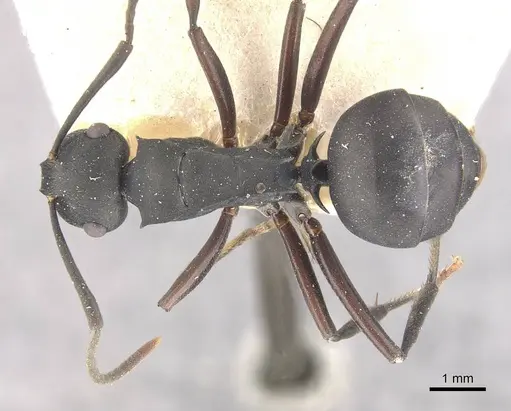
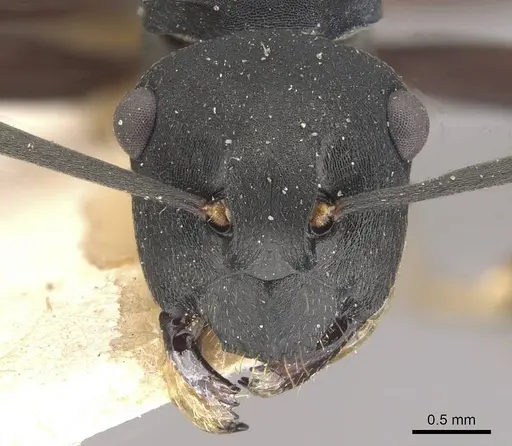
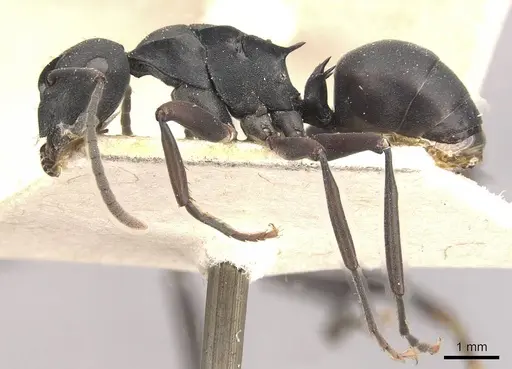
FOCOL2543
View on AntWeb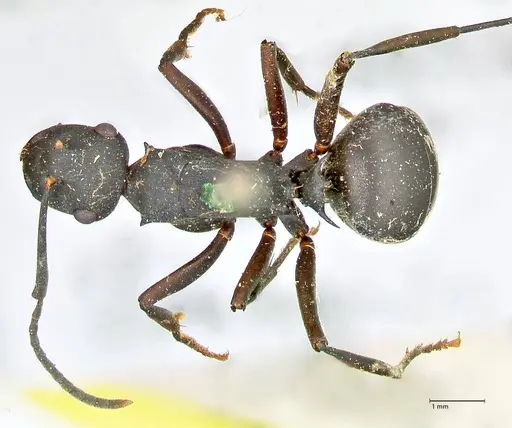
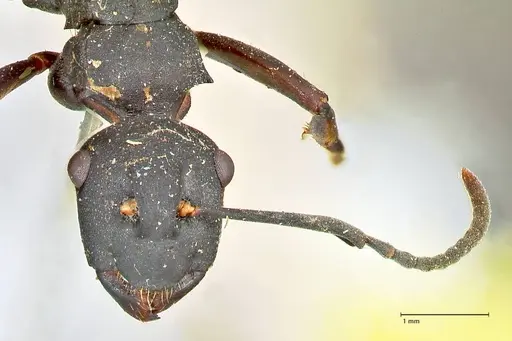
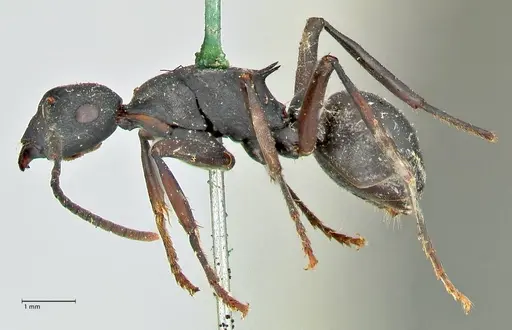
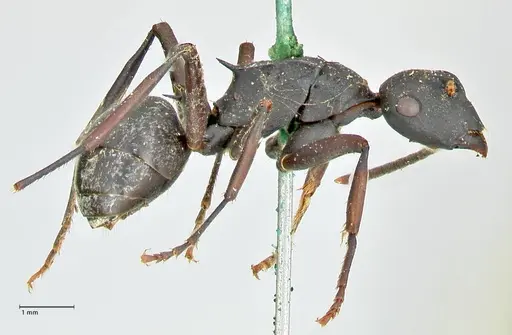
FOCOL2544
View on AntWeb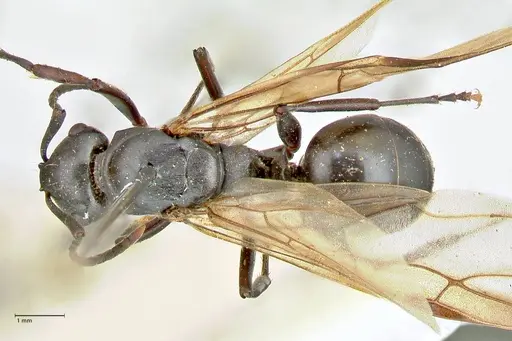
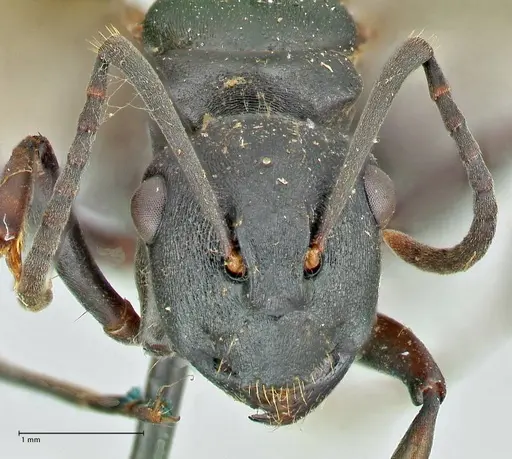
FOCOL2545
View on AntWeb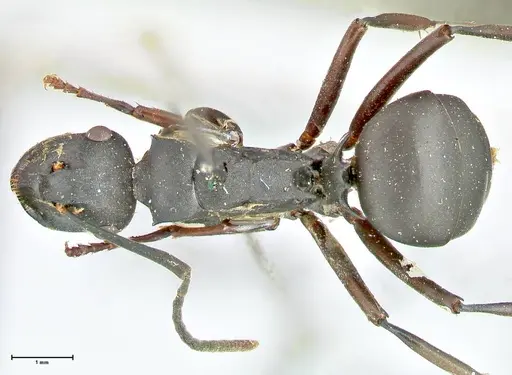
Literature
Loading...Loading products...