

Polyrhachis fuscipes
- Scientific Name
- Polyrhachis fuscipes
- Subgenus
- Campomyrma
- Tribe
- Camponotini
- Subfamily
- Formicinae
- Author
- Mayr, 1862
- Distribution
- Found in 1 countries
Polyrhachis fuscipes Overview
Polyrhachis fuscipes is an ant species of the genus Polyrhachis. It is primarily documented in 1 countries , including Australia. Detailed taxonomic data and occurrence records can be further explored via authoritative databases such as AntWeb or the Global Biodiversity Information Facility (GBIF).
Polyrhachis fuscipes
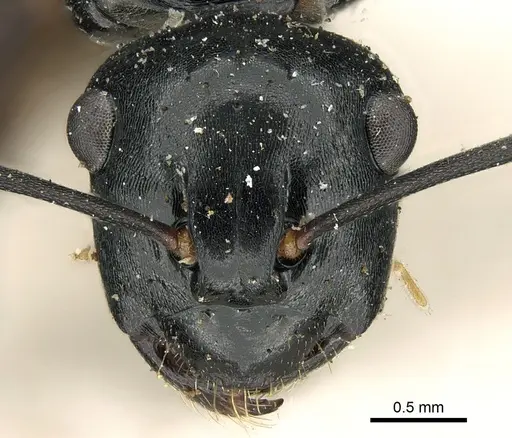
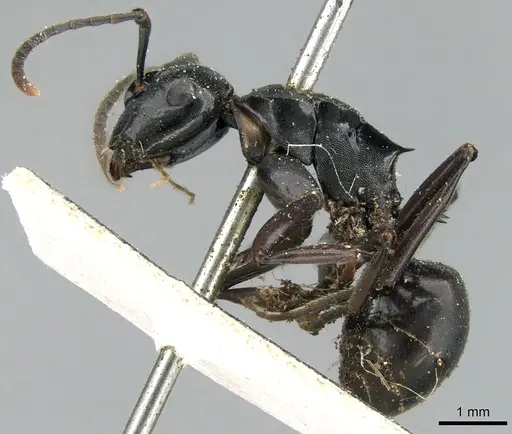
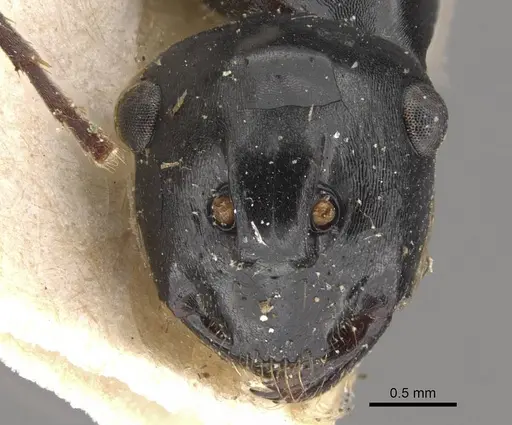
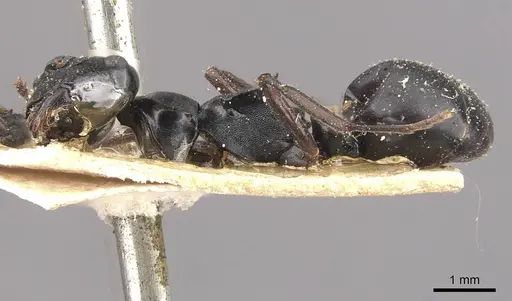
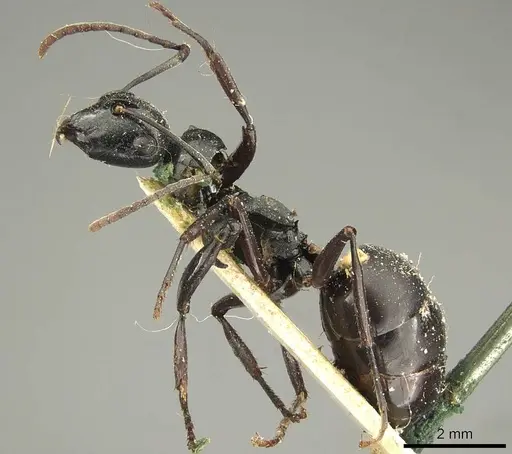
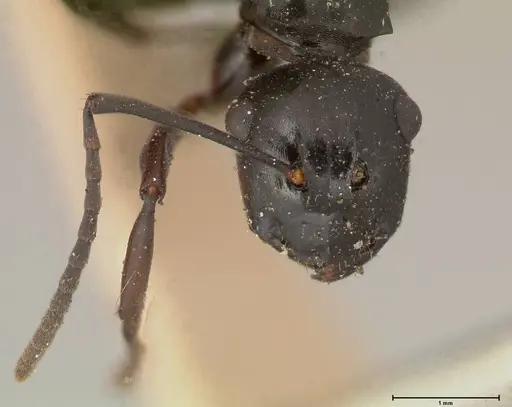
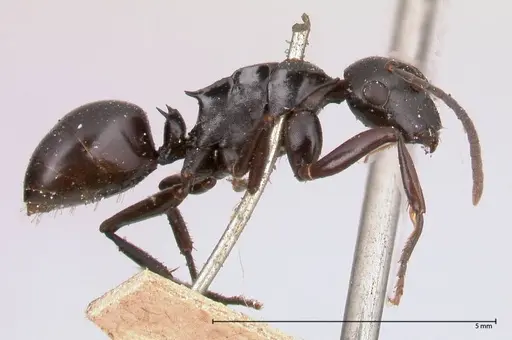
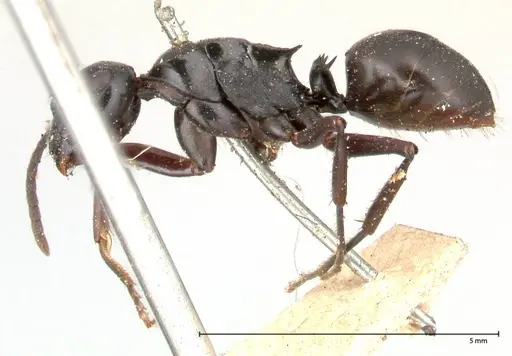
Polyrhachis fuscipes is a medium-sized Australian ant belonging to the subgenus Campomyrma. Workers measure 7.81-8.87 mm in total length, with a distinctively elongated body and relatively long legs characteristic of the genus [1]. The species is found in the mountainous regions of southeastern New South Wales and the Australian Capital Territory, extending south through the Victorian Alps to Tasmania [1]. This ant nests subterranean, building nests underground with characteristic carton material at the nest entrance [2]. The species was historically confused with Polyrhachis hexacantha and was only formally recognized as a separate species in 1985,with Polyrhachis hestia later confirmed as its junior synonym.
Quick Summary
- Difficulty: Medium
- Origin & Habitat: Mountainous southeastern Australia (NSW, ACT, Victoria, Tasmania), temperate alpine to subalpine regions [1]
- Colony Type: Unconfirmed, likely single-queen colonies based on typical Polyrhachis patterns
- Size & Growth:
- Queen: Not documented for this species, estimated 10-12mm based on genus
- Worker: 7.81-8.87 mm [1]
- Colony: Unknown, likely moderate colonies of several hundred workers based on genus patterns
- Growth: Moderate, estimated based on related species
- Development: Estimated 8-12 weeks at optimal temperature based on genus patterns (Polyrhachis typically have pupal cocoons, which may slightly extend development time compared to naked pupae species)
- Antkeeping:
- Temperature: Keep at 20-24°C, as a temperate mountain species from Tasmania and Victorian Alps, they prefer cooler conditions than tropical ants. A gentle gradient allowing workers to self-regulate is ideal.
- Humidity: Moderate, subterranean nesting suggests they tolerate and prefer somewhat damp substrate. Keep nest substrate moist but not waterlogged, with some drier areas available.
- Diapause: Yes, as a temperate species from alpine regions, they likely require a winter dormancy period. Reduce temperature to 10-15°C for 2-3 months during winter.
- Nesting: Subterranean nester, prefers test tube setups or acrylic nests with soil/substrate that can hold moisture. The genus characteristically builds carton at nest entrances, so some organic material in the setup is beneficial [2].
- Behavior: Generally calm and non-aggressive compared to some other Polyrhachis species. Workers are active foragers but not particularly defensive. They have a moderate escape risk due to their medium size, standard barrier methods work well. As subterranean nesters, they tend to stay within the nest setup rather than exploring widely in the outworld.
- Common Issues: cold sensitivity, being from alpine areas, they may struggle in warm conditions above 28°C, hibernation failure, improper winter cooling can weaken or kill colonies, slow founding, claustral queens may take extended time to produce first workers, substrate drying, subterranean species need consistent moisture, dry nests cause colony abandonment, limited availability, this is a rarely kept Australian species with limited captive breeding
Nest Preferences and Setup
Polyrhachis fuscipes is a subterranean nester, meaning they naturally build their colonies underground [2]. In captivity, they do well in test tube setups filled with moist substrate or acrylic nests designed for soil-dwelling species. The genus is known for constructing carton material at nest entrances, adding some organic matter or leaf litter to the setup can encourage natural behavior [2]. Keep the nest substrate consistently moist but not flooded. These ants are not arboreal like some Polyrhachis subgenera, so avoid setups designed for tree-dwelling species. A simple outworld for foraging with a connected nest chamber works best.
Feeding and Diet
Polyrhachis ants are omnivorous, feeding on honeydew from sap-sucking insects, nectar, and small invertebrates. In captivity, offer a varied diet including sugar water or honey as a constant energy source, and protein-rich foods like small insects (fruit flies, small crickets, mealworms) 2-3 times per week. They are not specialized predators, so standard ant feeding protocols work well. Remove uneaten prey after 24-48 hours to prevent mold. Fresh water should always be available.
Temperature and Seasonal Care
As a species from the mountainous regions of southeastern Australia extending to Tasmania, Polyrhachis fuscipes prefers cooler temperatures than many tropical ant species. Keep the nest at 20-24°C, avoiding temperatures above 28°C which can stress colonies. During winter (roughly May-August in the southern hemisphere), gradually reduce temperature to 10-15°C for a dormancy period of 2-3 months. This mimics their natural seasonal cycle in the alpine Victorian Alps and Tasmanian highlands. Do not skip hibernation, it is important for colony health and queen fertility. [1]
Behavior and Colony Dynamics
Polyrhachis fuscipes workers are medium-sized at 7.81-8.87mm with the elongated body and relatively long legs characteristic of the genus [1]. They are generally calm-tempered and not particularly aggressive or defensive. Workers forage actively in the outworld but tend to remain close to the nest. The species is not known for stinging, their primary defense is fleeing. Colonies grow moderately, with the queen laying eggs that develop into larvae and then cocooned pupae (Polyrhachis have cocoons unlike some Formicinae) [3]. Founding colonies may be slow to establish first workers, so patience is required during the claustral founding period.
Growth and Development
Specific development timelines for Polyrhachis fuscipes are not documented in scientific literature. Based on typical Polyrhachis patterns, expect 8-12 weeks from egg to first worker at optimal temperature (around 22°C). The presence of pupal cocoons may add slightly to development time compared to species with naked pupae [3]. Founding queens may take several months to produce their first nanitic workers, especially if the colony is in cool conditions. Once established, colony growth is moderate, expect several dozen workers in the first year, with growth accelerating in subsequent years as the colony reaches several hundred workers.
Frequently Asked Questions
How long does it take for Polyrhachis fuscipes to produce first workers?
Specific timelines are not documented, but based on genus patterns expect 8-12 weeks at optimal temperature (around 22°C). Founding can be slow, be patient with a newly mated queen as she may take several months to raise her first brood.
What temperature is best for Polyrhachis fuscipes?
Keep them at 20-24°C. As a mountain species from Tasmania and the Victorian Alps, they prefer cooler conditions than tropical ants. Avoid temperatures above 28°C.
Do Polyrhachis fuscipes ants need hibernation?
Yes, as a temperate species from alpine regions, they require a winter dormancy period. Reduce temperature to 10-15°C for 2-3 months during winter (May-August in the southern hemisphere).
What do Polyrhachis fuscipes eat?
They are omnivorous. Offer sugar water or honey as a constant energy source, and protein (small insects like fruit flies or mealworms) 2-3 times per week.
Are Polyrhachis fuscipes good for beginners?
This is a medium-difficulty species. They are calmer than many ants but have specific temperature needs (preferring cooler conditions) and require hibernation. They are also rarely available as this is an Australian species not commonly kept in captivity.
How big do Polyrhachis fuscipes colonies get?
Colony size is not documented for this specific species. Based on related Polyrhachis, expect moderate colonies of several hundred workers over several years.
Can I keep multiple Polyrhachis fuscipes queens together?
Colony structure is unconfirmed for this species. Polyrhachis are typically single-queen colonies. It is not recommended to combine unrelated foundresses without documented evidence of pleometrosis in this species.
Where is Polyrhachis fuscipes naturally found?
They are found in the mountainous parts of southeastern New South Wales and ACT, south through the Victorian Alps to Tasmania, temperate alpine and subalpine regions [1].
References

This caresheet is licensed under CC BY-SA 4.0 .
CASENT0906560
View on AntWeb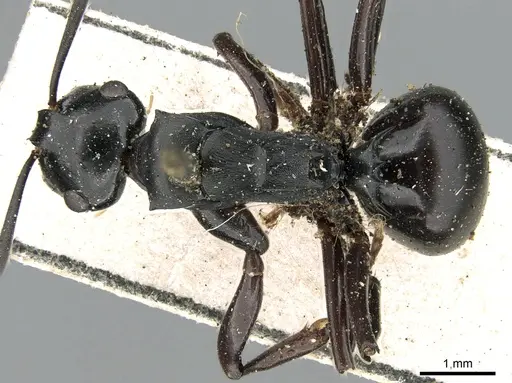
CASENT0910771
View on AntWeb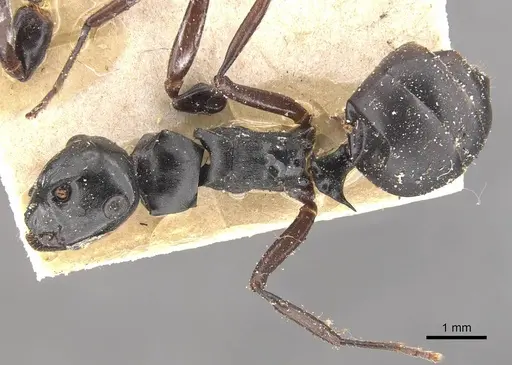
CASENT0915612
View on AntWeb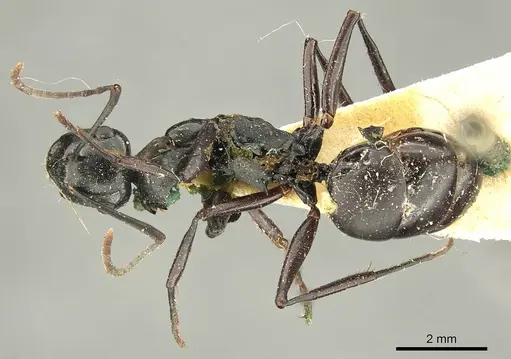
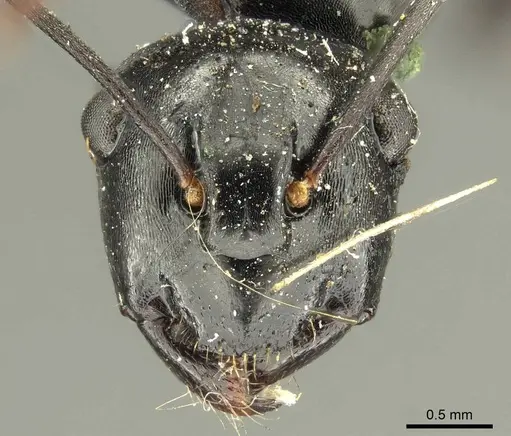
FOCOL0576
View on AntWeb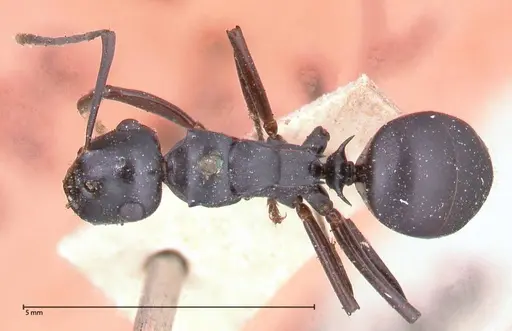
Literature
Loading...Loading products...