
Polyrhachis hector shows a February to October flight window. Peak activity occurs in April, with nuptial flights distributed across 4 months.

Polyrhachis hector
- Scientific Name
- Polyrhachis hector
- Subgenus
- Myrmhopla
- Tribe
- Camponotini
- Subfamily
- Formicinae
- Author
- Smith, 1857
- Distribution
- Found in 6 countries
- Nuptial Flight
- from February to October, peaking in April
AI Identifiable
try →
Polyrhachis hector Overview
Polyrhachis hector is an ant species of the genus Polyrhachis. It is primarily documented in 6 countries , including Brunei Darussalam, Indonesia, Malaysia. Detailed taxonomic data and occurrence records can be further explored via authoritative databases such as AntWeb or the Global Biodiversity Information Facility (GBIF).
The nuptial flight of Polyrhachis hector is a significant biological event, typically occurring from February to October, peaking in April. During this time, winged queens and males leave the nest to mate and establish new colonies.
Polyrhachis hector
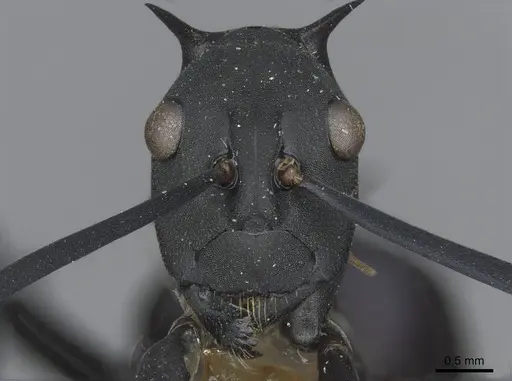
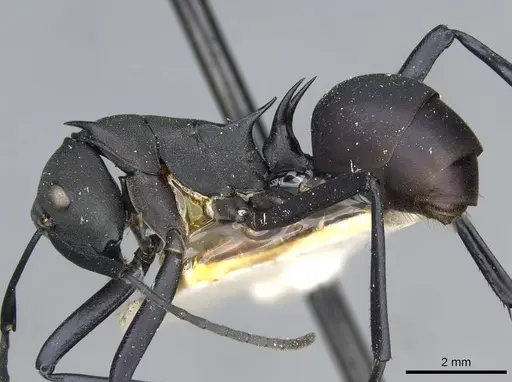
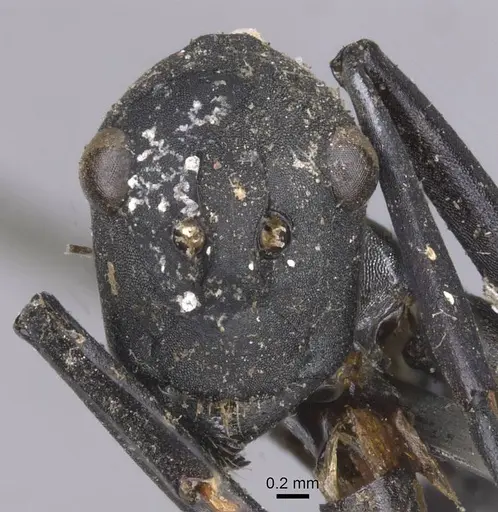
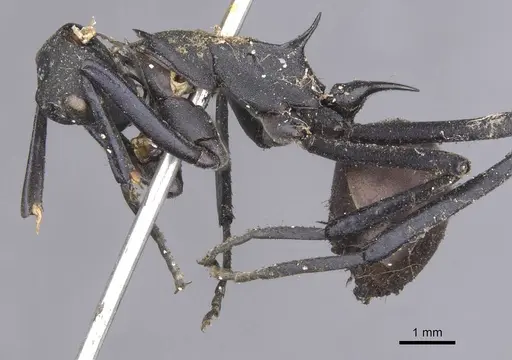
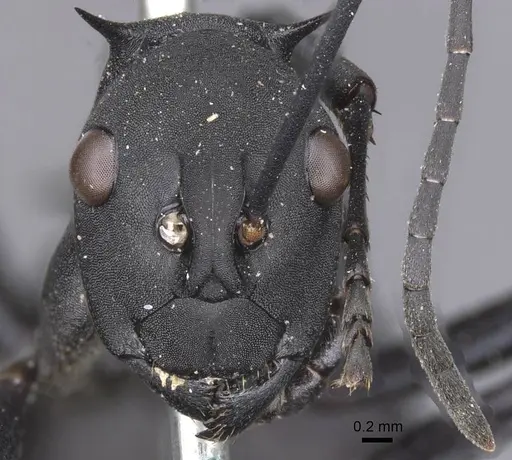
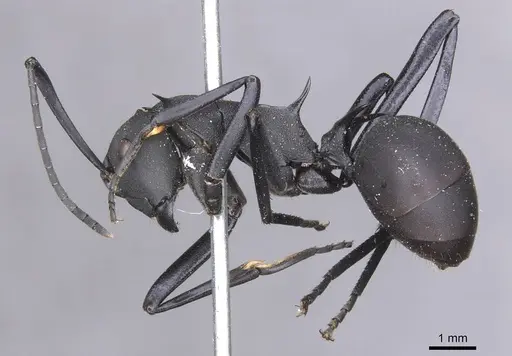
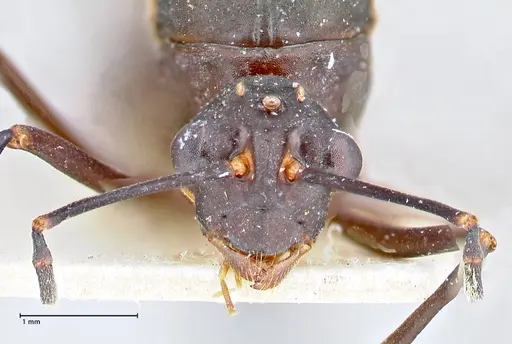
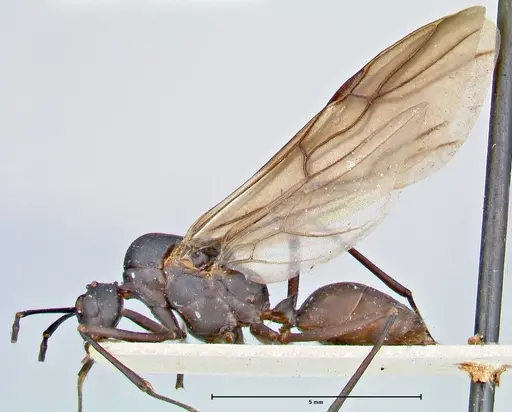
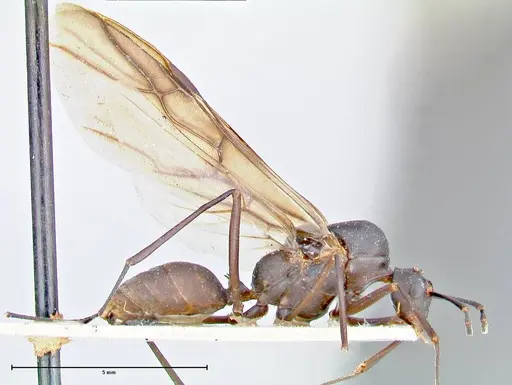
Polyrhachis hector is a medium-sized arboreal ant belonging to the subgenus Myrmhopla, part of the hector species-group. Workers measure around 8.5mm and feature distinctive spur-like spines along the inner edge of the hind tibia, which helps distinguish them from similar species like Polyrhachis abdominalis [1]. These ants are found across the Indomalaya region, including Borneo, India, Indonesia, Malaysia, Myanmar, Philippines, Singapore, and the Andaman and Nicobar Islands [2][3].
Unlike most ground-nesting ants, P. hector is arboreal, building nests in trees and using silk to bind nest materials together. They construct silk shelters in vegetation, and their pupae are enclosed in cocoons rather than being naked like many other Formicinae [4][5]. This silk-nesting behavior makes them somewhat unusual among ants and influences how they should be housed in captivity.
Quick Summary
- Difficulty: Medium
- Origin & Habitat: Tropical rainforests of Southeast Asia and the Indian subcontinent, from Singapore and Borneo to India and the Philippines. They are arboreal nesters, building silk shelters in vegetation rather than ground nests [4][5].
- Colony Type: Likely single-queen (monogyne) colonies based on typical Polyrhachis patterns, though this has not been specifically documented for P. hector.
- Colony: Monogyne
- Founding: Claustral
- Size & Growth:
- Queen: Estimated 10-12mm based on genus patterns
- Worker: Approximately 8.5mm [1]
- Colony: Likely several hundred workers based on related Polyrhachis species
- Growth: Moderate, estimated 6-10 weeks from egg to first worker at optimal temperature
- Development: 6-10 weeks (estimated based on related Polyrhachis species) (Development time is estimated from genus-level data, as species-specific research is lacking. Cocooned pupae suggest slightly longer development than naked-pupae species.)
- Antkeeping:
- Temperature: Keep at 24-28°C. These are tropical ants requiring warm, stable conditions. A heating cable on one side of the nest creates a suitable gradient.
- Humidity: Maintain 70-80% humidity. Arboreal nesters prefer humid conditions but need good ventilation to prevent mold. Mist the outworld regularly and provide a water source.
- Diapause: No, as a tropical species, they do not require hibernation. Keep temperatures stable year-round.
- Nesting: Arboreal silk-nesters. Provide a naturalistic setup with live or artificial plants where they can build silk shelters. Acrylic nests with small chambers can work, but include twigs/branches reaching into the outworld for nest-building material. Y-tong nests with narrow passages scaled to their size are also suitable.
- Behavior: Generally peaceful and non-aggressive compared to many ants. Workers are active foragers that search for nectar, honeydew, and small prey. They are not known to sting and pose no danger to keepers. Their small size (8.5mm workers) means escape prevention should be taken seriously, use tight-fitting lids and fine mesh barriers. They are primarily arboreal, so they will spend more time on plants and branches than on the ground.
- Common Issues: humidity control is critical, too dry causes deshydration and death, escape risk due to small size, use fine mesh and tight barriers, silk-nesting behavior requires branches or plants in the outworld, tropical temperature requirements mean room temperature may be insufficient in winter, wild-caught colonies may have parasites that affect captive survival
Nuptial Flight Activity Analysis 78 observations
Flight Activity by Hour 78 observations
Polyrhachis hector nuptial flight activity peaks around 08:00 during the morning. Activity is spread across a 17-hour window (06:00–22:00). A secondary activity peak occurs around 10:00. Times may be influenced by human observation patterns.
Housing and Nest Setup
Polyrhachis hector is an arboreal species that builds silk shelters in vegetation. In captivity, you can provide a naturalistic setup with live or artificial plants where they can construct their silk nests. Alternatively, a Y-tong (acrylic) nest with narrow chambers works well, connected to an outworld that includes branches or vertical structures for foragers. The nest should have chambers scaled to their 8.5mm worker size, not too large or too small. Because they use silk to bind nest materials, adding small pieces of leaf litter or cotton fibers to the outworld can encourage natural building behavior. Keep the nest humid but ensure good ventilation to prevent mold buildup. [4][5]
Feeding and Diet
Like most Polyrhachis species, P. hector is omnivorous. They feed on nectar, honeydew from aphids and scale insects, and small insects. In captivity, offer sugar water or honey water as a constant energy source. For protein, provide small insects like fruit flies, small crickets, or mealworms. They are not aggressive predators but will scavenge and forage for protein. Feed them protein 2-3 times per week, and keep sugar water available at all times. Remove uneaten prey after 24 hours to prevent mold.
Temperature and Humidity
These are tropical ants requiring warm and humid conditions. Maintain temperatures between 24-28°C, use a heating cable on one side of the nest if your room temperature falls below this range. Place the heating on top of the nest, not underneath, to avoid evaporating moisture too quickly. Humidity should be kept at 70-80%. Mist the outworld regularly and provide a water tube in the nest area. Good ventilation is essential to prevent stagnant air and mold, but avoid excessive airflow that dries them out. Monitor condensation levels in the nest as a guide, some condensation is good, but standing water should be avoided.
Behavior and Colony Dynamics
Polyrhachis hector workers are active and agile foragers that will explore their territory systematically. They are not particularly aggressive and do not pose a sting threat to keepers. The species is arboreal by nature, so they will tend to stay on branches and vertical surfaces rather than the ground. Colonies grow moderately, expect 6-10 weeks for the first workers to emerge from eggs, then gradual growth over several months to a year. Unlike some Polyrhachis that form large colonies, P. hector likely tops out at a few hundred workers. They are peaceful colony-mates and can be kept alongside other ant species in a shared space if needed, though this is not typically recommended. [1]
Seasonal Care
As a tropical species, Polyrhachis hector does not require hibernation or diapause. Keep their conditions stable year-round with temperatures in the 24-28°C range. In winter, when room temperatures drop, you may need to use a small heater or heating cable to maintain warmth. Monitor humidity more carefully in winter, as heated rooms tend to be drier. There is no specific seasonal breeding cycle, queens can lay eggs continuously in warm, stable conditions. Nuptial flights likely occur during the wet season in their native range, but captive breeding is uncommon in the hobby.
Frequently Asked Questions
Can I keep Polyrhachis hector in a test tube?
Test tubes can work for founding colonies, but arboreal species like P. hector prefer having access to vertical structures for nest-building. Once the colony reaches 10-20 workers, consider moving them to a naturalistic setup with branches or a Y-tong nest connected to an outworld with plant material.
How long does it take for Polyrhachis hector to produce first workers?
Expect 6-10 weeks from egg to first worker at optimal temperature (24-28°C). This is an estimate based on related Polyrhachis species, as specific development data for P. hector is not available.
What do Polyrhachis hector ants eat?
They are omnivorous. Offer sugar water or honey water constantly, and feed protein (small insects like fruit flies or mealworms) 2-3 times per week.
Are Polyrhachis hector good for beginners?
They are rated as medium difficulty. They require warm, humid tropical conditions and arboreal housing with branches or plants. If you can maintain 24-28°C and 70-80% humidity consistently, they can be a rewarding species to keep.
Do Polyrhachis hector need hibernation?
No, they are tropical ants and do not require hibernation. Keep temperatures stable year-round in the 24-28°C range.
How big do Polyrhachis hector colonies get?
Based on related species, colonies likely reach several hundred workers. They are not among the largest Polyrhachis species.
Why are my Polyrhachis hector dying?
The most common causes are: too low temperature (below 24°C), too dry conditions (humidity below 70%), or poor escape prevention. Check your heating, humidity levels, and ensure the setup has fine mesh barriers. Wild-caught colonies may also carry parasites.
When should I move Polyrhachis hector to a formicarium?
Move them once the colony reaches 15-30 workers and the test tube setup becomes cramped. A naturalistic setup with branches or a Y-tong nest works well for this arboreal species.
Can I keep multiple Polyrhachis hector queens together?
Polyrhachis species are typically single-queen colonies. Combining unrelated queens is not recommended as they likely will fight. If you acquire a multi-queen colony from the wild, they may coexist temporarily but this is not well-documented for this species.
References

This caresheet is licensed under CC BY-SA 4.0 .
CASENT0901811
View on AntWeb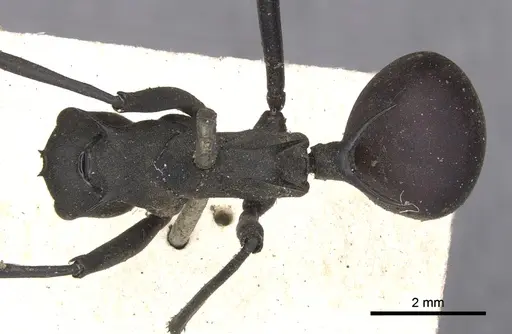
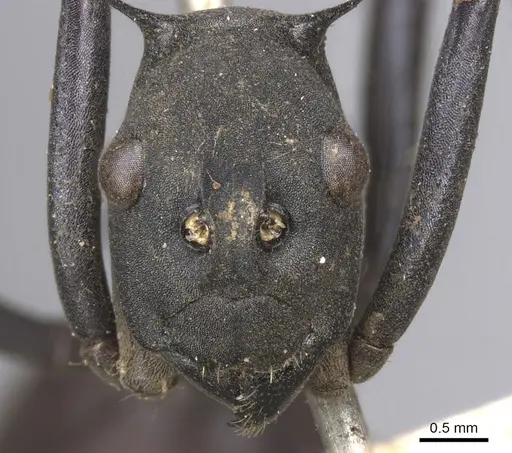
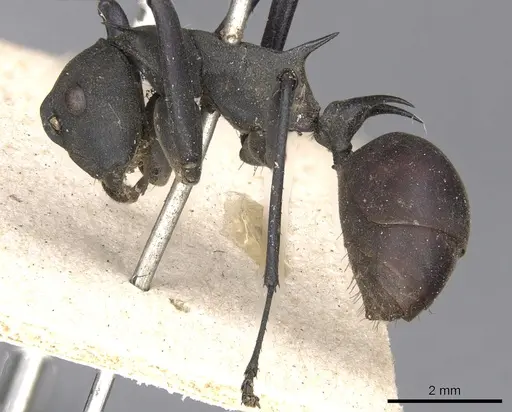
CASENT0910857
View on AntWeb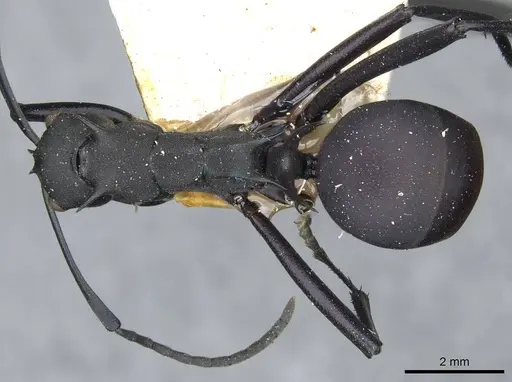
CASENT0913690
View on AntWeb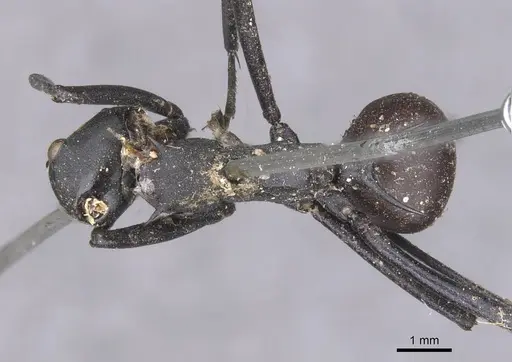
CASENT0913691
View on AntWeb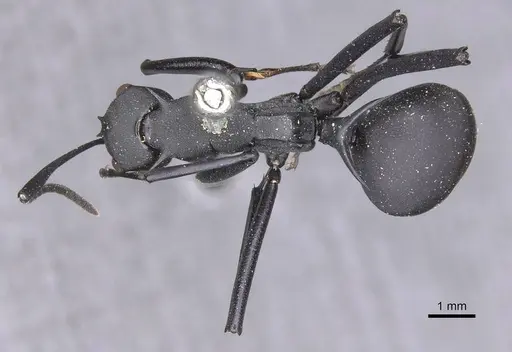
FOCOL2656
View on AntWeb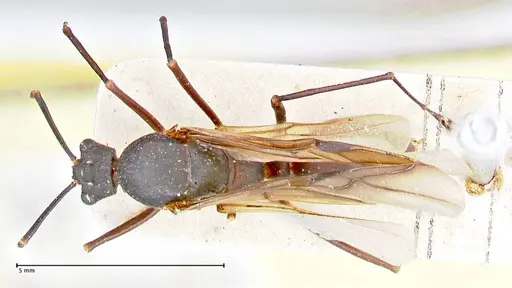
Literature
Loading...Loading products...