

Polyrhachis abdominalis
- Scientific Name
- Polyrhachis abdominalis
- Subgenus
- Myrmhopla
- Tribe
- Camponotini
- Subfamily
- Formicinae
- Author
- Smith, 1858
- Distribution
- Found in 6 countries
Polyrhachis abdominalis Overview
Polyrhachis abdominalis is an ant species of the genus Polyrhachis. It is primarily documented in 6 countries , including Brunei Darussalam, Indonesia, Malaysia. Detailed taxonomic data and occurrence records can be further explored via authoritative databases such as AntWeb or the Global Biodiversity Information Facility (GBIF).
Polyrhachis abdominalis
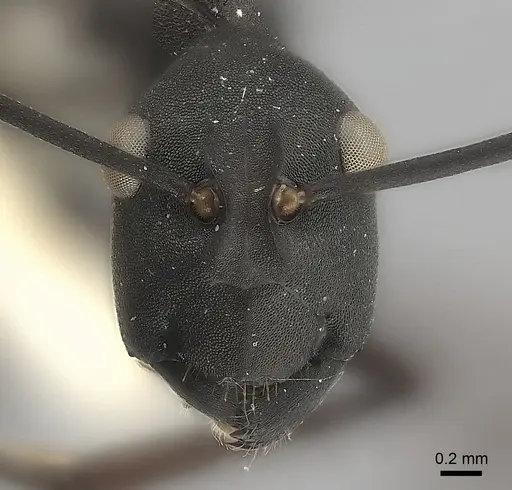
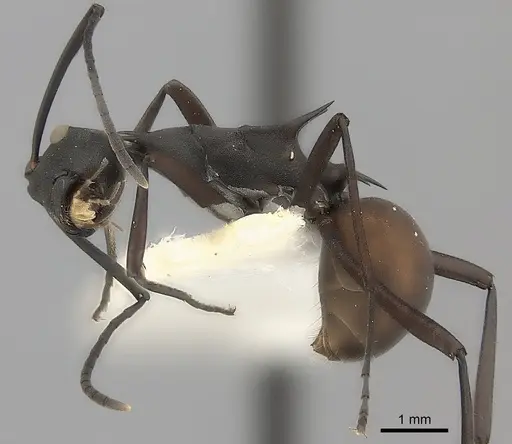
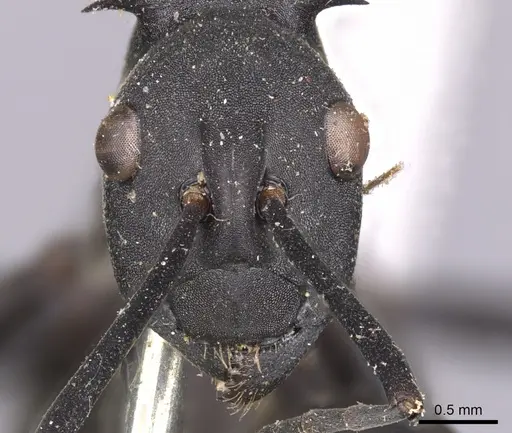
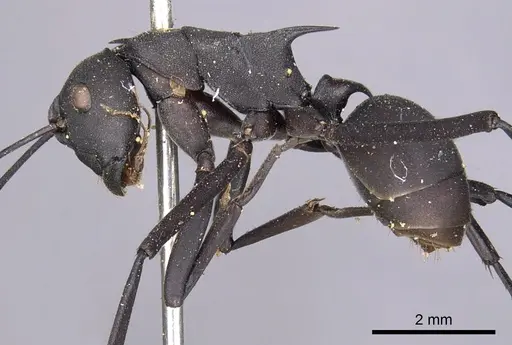
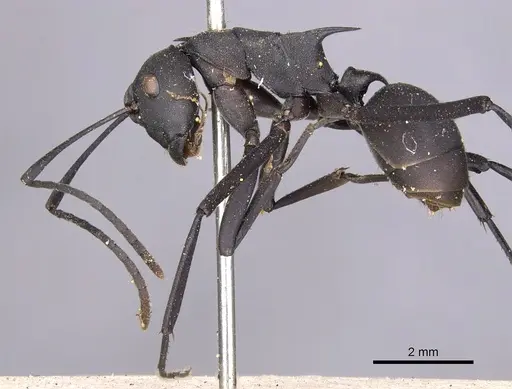
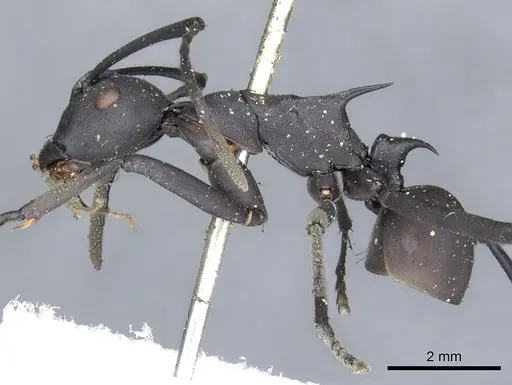
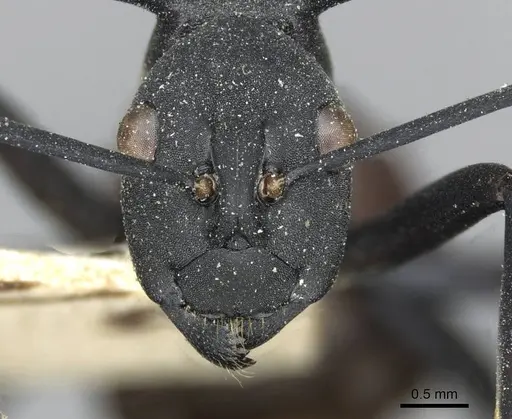
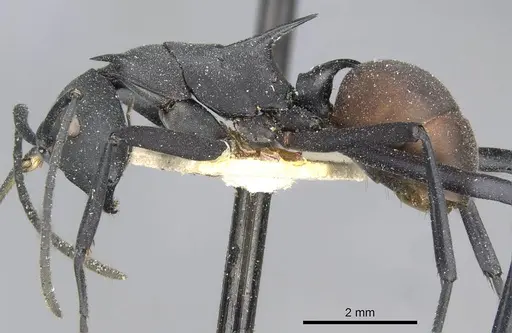
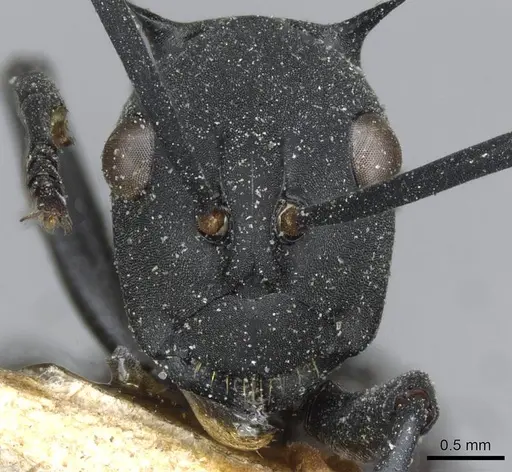
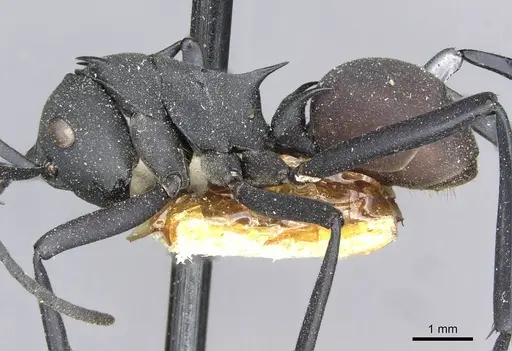
Polyrhachis abdominalis is a striking spiny ant belonging to the hector species-group within the subgenus Myrmhopla. Workers measure 8-9mm with a distinctive appearance: the head, thorax, legs, and pedicel node are black, while the abdomen is a reddish-brown color. Their body surface has a fine granulate texture, and they possess characteristic spines, slender forward-pointing pronotal spines and broader metanotal spines. This species is arboreal by nature, nesting in trees and constructing nests using silk produced by their larvae [1][2].
This species has an extensive range across the Indomalaya region, found throughout Southeast Asia including Borneo, Thailand, Laos, Malaysia, Indonesia, the Philippines, Myanmar, and into India. They inhabit diverse environments from lowland rainforests to mixed deciduous forests and even cacao agroforestry areas. Like other Polyrhachis species, they are diurnal foragers that actively search the vegetation layer for honeydew, nectar, and small arthropod prey [3][4].
Quick Summary
- Difficulty: Medium
- Origin & Habitat: Indomalaya region (Borneo, Thailand, Laos, Malaysia, Indonesia, Philippines, Myanmar, India), found in mixed deciduous forests, lowland rainforests, and cacao agroforestry [4][5][3]
- Colony Type: Single-queen colonies (monogyne) that can be polydomous, meaning they maintain multiple connected nests across their territory. Colonies can grow to several hundred workers [2][3].
- Colony: Monogyne
- Founding: Claustral
- Size & Growth:
- Queen: Unknown, not directly measured in available literature
- Worker: 8-9mm [1] (approximately 6.35mm/3 lines from original description [6])
- Colony: Several hundred workers, Polyrhachis ranges from small monogynous colonies with few hundred to polydomous colonies with several thousand [3]
- Growth: Moderate, inferred from tropical Polyrhachis patterns
- Development: 6-8 weeks, estimated based on typical Polyrhachis development at tropical temperatures (Development time estimated from genus-level data, actual timing may vary based on temperature and conditions)
- Antkeeping:
- Temperature: Keep at 24-28°C, these are tropical ants that thrive in warm, stable conditions. A gentle gradient allowing cooler areas around 22°C is beneficial [3].
- Humidity: Moderate to high humidity (60-80%), they naturally inhabit humid tropical forests. Keep nest substrate slightly moist but allow some drying between waterings.
- Diapause: No, as a tropical species, they do not require hibernation. They remain active year-round in consistent conditions.
- Nesting: Arboreal nesters, they naturally build nests in trees, often between leaves or in hollow branches. In captivity, a naturalistic setup with cork bark, twigs, or a Y-tong/plaster nest with added silk-friendly materials works well. They use silk from larvae to bind nest materials together [2].
- Behavior: Polyrhachis abdominalis is a diurnal, arboreal forager that actively searches vegetation for food. They are opportunistic predators and collectors of honeydew from hemipterans and nectar from extrafloral nectaries. Workers are moderately aggressive when defending their nest but not particularly defensive toward keepers. They are moderate escape artists, use standard barrier methods but they are not tiny ants. Their characteristic spines serve as a physical defense [3].
- Common Issues: humidity control is critical, too dry and brood will desiccate, too wet and mold becomes a problem, arboreal nesting means they need vertical space and climbing structures, horizontal-only setups may cause stress, cocoon silk can get caught in test tube water reservoirs, use appropriate nest materials, tropical species are sensitive to temperature drops below 20°C, keep away from cold drafts, wild-caught colonies may harbor parasites that can devastate captive colonies
Housing and Nest Setup
Polyrhachis abdominalis is an arboreal species that naturally nests in trees and between leaves, using silk from their larvae to bind nest materials together [2]. In captivity, you should provide a naturalistic setup that mimics their natural arboreal habitat. A Y-tong (acrylic) nest with added cork bark pieces or small twigs works well, as does a plaster nest with vertical chambers. They need climbing structures, branches, cork bark pieces, or artificial plants they can walk on. A formicarium with both a nest area and a spacious outworld for foraging is ideal. Keep the nest humid but ensure adequate ventilation to prevent mold. These ants are not tiny, so standard barrier methods like fluon on test tube rims work effectively for escape prevention.
Feeding and Diet
Like most Polyrhachis species, P. abdominalis is an opportunistic forager with a varied diet. In nature, they feed primarily on honeydew from hemipterans (aphids, scale insects, mealybugs), nectar from extrafloral nectaries, and small arthropod prey [3]. In captivity, offer a varied diet: sugar water or honey as an energy source, protein-rich foods like small crickets, mealworms, or other small insects. They are not specialized predators, so standard ant feeder insects work well. One interesting note: specimens have been observed eating parts of dead cockroaches in the wild [3]. Feed protein 2-3 times per week and keep a sugar source constantly available. Remove uneaten prey after 24 hours to prevent mold.
Temperature and Seasonal Care
As a tropical species from Southeast Asia and India, Polyrhachis abdominalis requires warm, stable temperatures. Keep the nest area at 24-28°C, with a gentle gradient down to around 22°C in cooler areas of the enclosure. They are sensitive to cold and should never be exposed to temperatures below 20°C for extended periods. No hibernation or diapause is required, these ants remain active year-round in their native tropical habitat. If your room temperature falls below their requirements, use a heating cable on one side of the nest (placed on top of the nest, not underneath, to avoid excessive drying). Room temperature in most homes within their range (24-26°C) is often suitable without additional heating. [3][4]
Colony Structure and Growth
This species forms monogyne (single-queen) colonies that can become polydomous, meaning they maintain multiple connected nests across their territory [2]. This is an interesting trait: in the wild, a single colony may have several nest sites connected by trails, allowing them to expand their foraging area. In captivity, you might observe workers establishing satellite nests within the formicarium. Colonies can reach several hundred workers, with some Polyrhachis species capable of growing to several thousand [3]. Growth rate is moderate, expect 6-12 months to reach 50+ workers from a healthy founding queen. They produce pupal cocoons, which is typical for the genus [2].
Behavior and Handling
Polyrhachis abdominalis is a diurnal, arboreal forager that actively searches the vegetation layer during the day [3]. Workers are moderately active and will readily explore their outworld in search of food. They are not particularly aggressive toward keepers, their primary defense is their spiny body, which makes them difficult for predators to handle. When threatened, they may bite, but they are not known for painful stings. They are good climbers and will readily walk up branches, cork bark, and other vertical surfaces. Their characteristic spines (pronotal and metanotal spines) are visible and serve as a distinguishing feature of the species [1].
Frequently Asked Questions
How long does it take for Polyrhachis abdominalis to have first workers?
Expect first workers (nanitics) around 6-8 weeks after the queen lays eggs, assuming temperatures around 26-28°C. This is an estimate based on typical Polyrhachis development, actual timing may vary.
What do Polyrhachis abdominalis ants eat?
They are opportunistic feeders that accept sugar sources (honey, sugar water), protein (small insects like crickets, mealworms, fruit flies), and will also collect honeydew. A varied diet is best, offer protein 2-3 times weekly and keep sugar water constantly available.
Are Polyrhachis abdominalis good for beginners?
They are rated as Medium difficulty. They require warm, humid tropical conditions and an arboreal setup with climbing structures. They are not as challenging as some exotic species but do require more specific care than common temperate ants.
Can I keep multiple queens together?
No. This species is monogyne, colonies have a single queen. Multiple queens will fight. Only combine unrelated foundresses if you want to attempt pleometrosis (multiple queen founding), but this is not recommended as they are not known to accept this.
Do Polyrhachis abdominalis need hibernation?
No. As a tropical species from Southeast Asia and India, they do not require hibernation or diapause. They remain active year-round in consistent warm, humid conditions.
What size do Polyrhachis abdominalis colonies reach?
Colonies can reach several hundred workers. Some Polyrhachis species can grow to several thousand, but P. abdominalis appears to be in the moderate range, likely maxing out around 500-800 workers in captivity.
What temperature should I keep Polyrhachis abdominalis at?
Keep them at 24-28°C. They are tropical ants that need warm, stable conditions. Avoid temperatures below 20°C. A heating cable on one side of the nest can help maintain proper temperatures if your room is cooler.
When should I move Polyrhachis abdominalis to a formicarium?
You can keep them in a test tube setup for the founding stage. Once the colony reaches 20-30 workers and you see they need more space, transfer them to a formicarium with climbing structures. They are arboreal, so provide vertical space and branches or cork bark for climbing.
Why is my Polyrhachis abdominalis colony dying?
Common causes include: temperatures too cold (below 20°C), humidity too low (desiccates brood) or too high (causes mold), insufficient protein leading to starvation, or parasites from wild-caught colonies. Check your temperature and humidity levels first, then evaluate diet.
References

This caresheet is licensed under CC BY-SA 4.0 .
CASENT0217739
View on AntWeb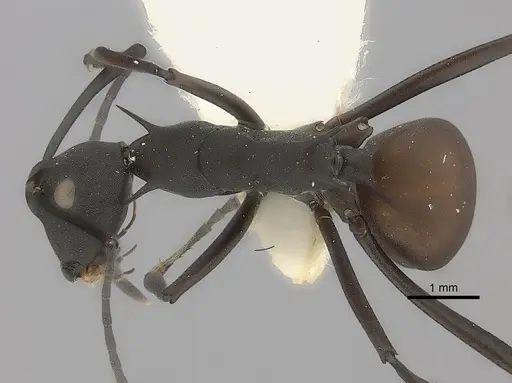
CASENT0901824
View on AntWeb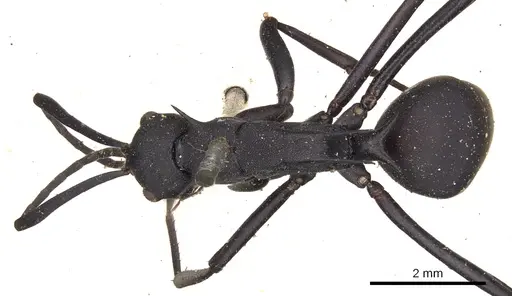
CASENT0903367
View on AntWeb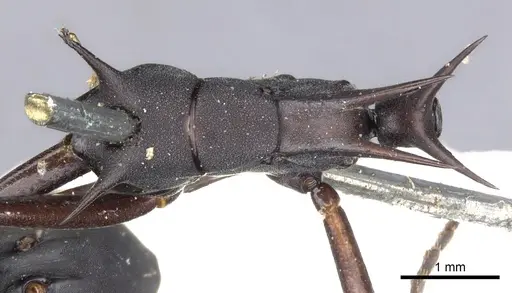
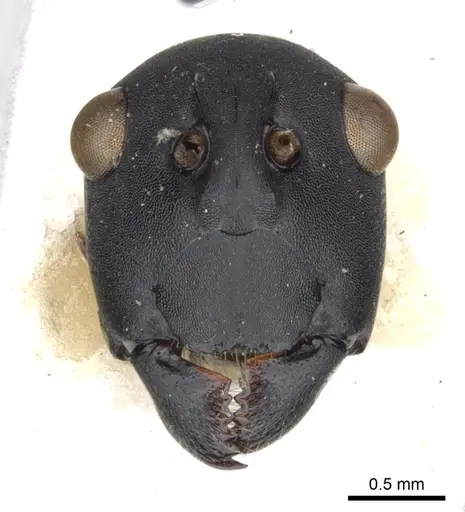
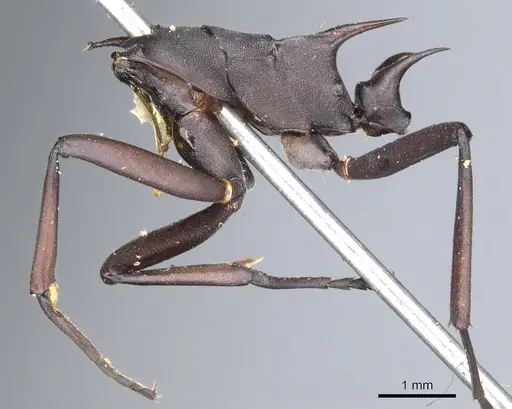
CASENT0903368
View on AntWeb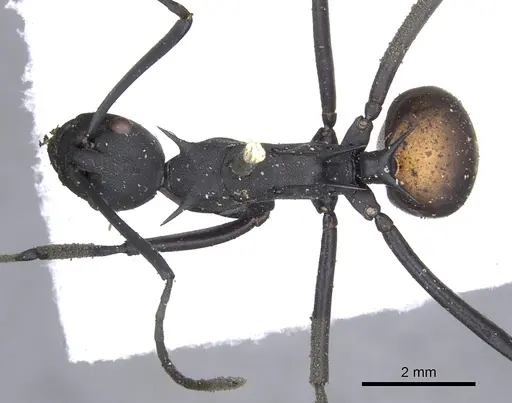
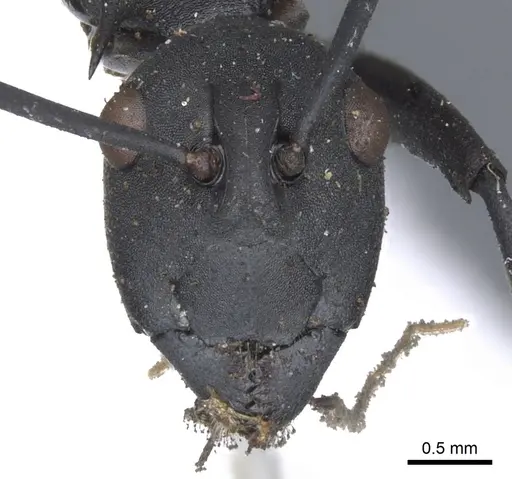
CASENT0910858
View on AntWeb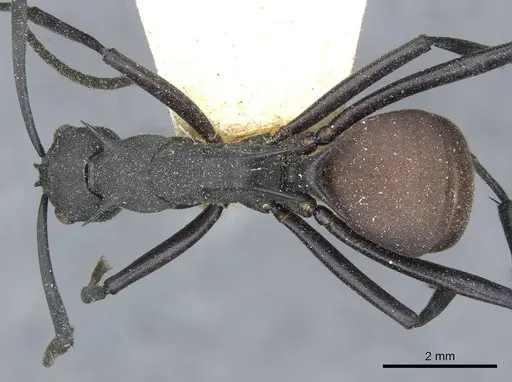
CASENT0910859
View on AntWeb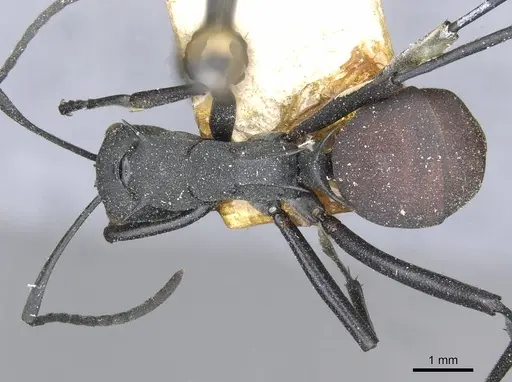
CASENT0923478
View on AntWeb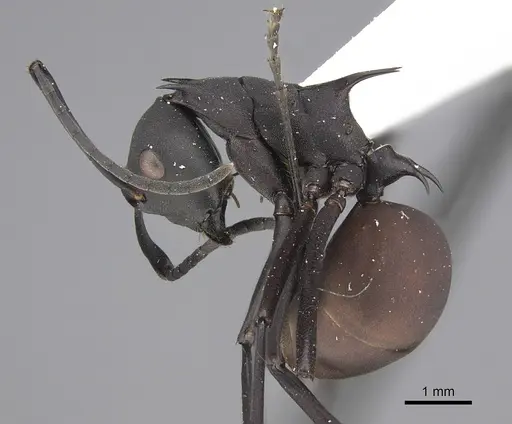
Literature
Loading...Loading products...