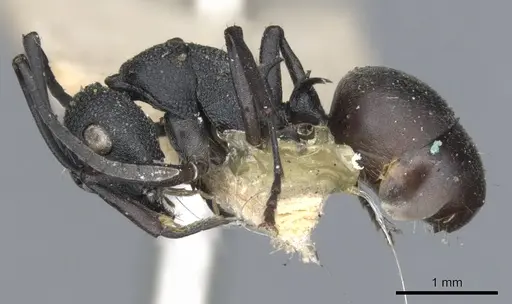
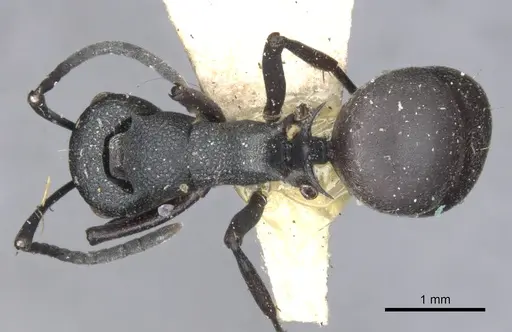
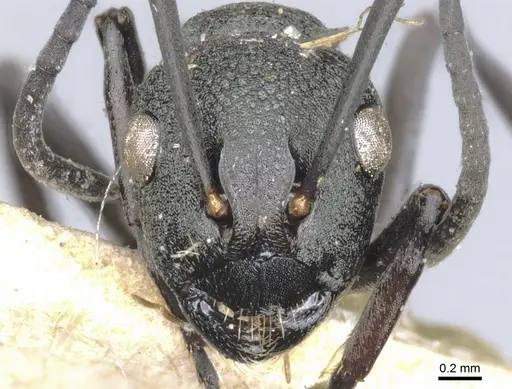
Polyrhachis hauxwelli - "Spiny Ant (general Polyrhachis descriptor)"
Polyrhachis hauxwelli is a fascinating ant species belonging to the diverse Polyrhachis genus, often recognized for their distinctive spiny appearance. Like many of their relatives, they possess unique spines on their bodies, which are thought to offer protection. These ants are known for their remarkable nest-building capabilities, utilizing larval silk to weave intricate structures from various materials. While specific size ranges for P. hauxwelli workers and queens are not widely detailed, Polyrhachis species generally feature workers ranging from medium to large, exhibiting a consistent monomorphic caste. Their behavior is often described as active and fast-moving, making them captivating to observe within a formicarium setting.
- Difficulty: Medium
- Origin & Habitat: Oriental Region (India, Myanmar, Pakistan, Thailand) and Palaearctic Region (Jordan) in Diverse environments, including tropical forests, dry regions, and even mangroves, predominantly in tropical to warm temperate zones. They are known to inhabit agro-ecosystems..
- Colony Type: Polygyne (can have multiple queens), semi-claustral (queen requires some foraging during founding) founding.
- Size & Growth:
- Queen: 8-13mm
- Worker: 6-9mm
- Colony: Medium (thousands). Slow initially, but can become Fast once established and past the nanitic stage, especially with stable conditions and consistent feeding. growth.
- Antkeeping:
- Temperature: Maintain a warm environment, ideally between 24-30°C. An optimal range for consistent brood development is around 27-29°C. Ensure a stable temperature to prevent stress..
- Humidity: These ants thrive in relatively high humidity. Aim for 60-80% in the outworld and 50-75% within the nesting area. Consistent humidity is crucial for their well-being and nest construction..
- Diapause: Not required. Not specified at Not specified.
- Nesting: Polyrhachis hauxwelli, like many weaver ants, requires a setup that facilitates their unique nest-weaving behavior. They naturally build nests from vegetation and silk. In captivity, this translates to arboreal setups providing branches, cork bark, or specialized weaving structures (e.g., weaving balls, bamboo scaffolds) that they can incorporate into their silken nests. A spacious outworld with good ventilation is recommended..
- Behavior: Medium (towards handler, can spray formic acid if threatened) aggressiveness.
- Common Issues: Humidity fluctuations leading to stress or mold, Colony stalling if environmental conditions are unstable or food is insufficient, Sensitivity to transport stress, requiring careful acclimation upon arrival, Mold growth within the nest due to excess humidity or uneaten food.
One of the most captivating aspects of keeping Polyrhachis hauxwelli is their incredible nest-weaving ability. These ants utilize silk produced by their larvae as a biological adhesive, meticulously binding together materials like leaves, moss, and other plant matter to form elaborate, often ball-shaped nests. Providing appropriate materials such as hemp fibers, small twigs, or specialized weaving balls in their outworld is essential to allow them to exhibit this natural behavior. Witnessing the colony collectively construct their formicarium home is truly a highlight for any ant enthusiast.
These ants are notably active and agile, constantly exploring their foraging area. Their rapid movements and inquisitive nature make them a dynamic species to observe. They also possess a defensive temperament; if they feel threatened, Polyrhachis hauxwelli may spray formic acid or attempt to nip. While they do not have a sting, their defensive actions can be a surprise to handlers, so exercising caution when interacting with their setup is always a good practice.
Colony growth in Polyrhachis hauxwelli can sometimes be a test of patience during the initial founding stage. However, once the first nanitics arrive and the colony begins to establish itself, often reaching around 30-50 workers, their development rate can significantly accelerate. Consistent feeding with a varied diet of sugary liquids and protein sources, coupled with stable environmental conditions, will greatly contribute to a thriving and rapidly expanding colony. Don't be discouraged by a slower start; the reward of a booming Polyrhachis colony is well worth the initial effort.
In their natural habitat, Polyrhachis hauxwelli are known to engage in mutualistic relationships with other insects, particularly aphids, which they tend for their sugary honeydew. In captivity, offering a diverse diet of sugars, such as honey water, ant nectar, or fruit jellies, is crucial to mimic this natural food source. Complementing this with a consistent supply of various protein sources, including small, pre-killed insects like fruit flies, mealworms, or crickets, will ensure a balanced diet for all castes, from the queen to the growing brood.
Frequently Asked Questions
What kind of nest is best for Polyrhachis hauxwelli?
For these amazing weavers, a nest setup that allows them to build their characteristic silken structures is ideal. Think arboreal setups with plenty of branches, cork bark, or even specially designed 'weaving balls' and bamboo scaffolds. They’ll use silk from their larvae to bind these materials together, creating an incredible, natural-looking formicarium. Make sure there’s enough space for them to expand as the colony grows!
Are Polyrhachis hauxwelli hard to keep for beginners?
While Polyrhachis hauxwelli are captivating ants, they are generally rated as a 'Medium' difficulty species. This is mainly due to their specific humidity and temperature requirements, as well as their semi-claustral founding stage, which means queens need some feeding. They can also be a bit sensitive to transport stress. However, if you're dedicated and can provide a stable environment, they are incredibly rewarding to observe!
What do Polyrhachis hauxwelli queens eat during founding?
Since Polyrhachis hauxwelli queens are semi-claustral, they'll need a bit of sustenance during the founding stage. A small drop of sugary liquid, like diluted honey water or ant nectar, offered every few days will be greatly appreciated. Once her first few nanitics (workers) emerge, you can start introducing tiny bits of protein, such as a leg from a small cricket or a fruit fly, to help boost colony growth.
How fast do Polyrhachis hauxwelli colonies grow?
Initially, the growth might seem a bit slow, especially when you're waiting for those first nanitics. However, don't let that discourage you! Once the colony reaches a certain size, usually around 30-50 workers, their growth rate can really pick up. Providing consistent food, stable temperatures, and the right humidity will help them explode in numbers. Patience definitely pays off with this species!
Do Polyrhachis hauxwelli sting?
No, Polyrhachis hauxwelli ants do not possess a sting. However, they are quite defensive! If they feel threatened, they might spray formic acid as a deterrent or try to nip with their mandibles. It’s always wise to be cautious and avoid disturbing them excessively, especially larger colonies, to prevent any defensive reactions.
What temperatures and humidity do these ants need?
For optimal health and activity, aim for a temperature range of 24-30°C, with an ideal sweet spot around 27-29°C. Humidity is also key for these tropical ants; try to maintain 60-80% in the foraging area and 50-75% within their nesting chambers. Good ventilation in the outworld is also important to prevent stagnant air and mold issues.
Can I keep multiple Polyrhachis hauxwelli queens together?
Yes, Polyrhachis hauxwelli is a polygyne species, meaning they can thrive with multiple queens in a single colony! In fact, having more queens can often lead to faster colony growth and a more robust setup. If you're lucky enough to catch multiple queens from a nuptial flight, they can often co-found a colony or be introduced carefully to an existing one.
What do Polyrhachis hauxwelli eat?
These ants have a varied diet! They're big fans of sugary liquids, like diluted honey water, commercial ant nectar, or even fruit jellies. For protein, offer them small, pre-killed insects such as mealworms, crickets, or fruit flies. A diverse diet ensures your colony gets all the nutrients it needs for strong growth and healthy workers.
How long does it take for eggs to become workers?
From egg to a fully-fledged worker, the development time for Polyrhachis hauxwelli typically ranges from 6 to 9 weeks, or about two months. This period can vary slightly depending on factors like temperature stability and the availability of food, which directly impacts the queen's laying rate and the brood's development speed.
Do these ants need diapause or hibernation?
No, as a tropical species, Polyrhachis hauxwelli does not require a diapause (hibernation) period. They remain active year-round, provided their temperature and humidity requirements are consistently met. This makes them a great species for those who prefer to observe their colonies active throughout the year without a cool dormancy period.