

Polyrhachis denticulata
- Scientific Name
- Polyrhachis denticulata
- Subgenus
- Hagiomyrma
- Tribe
- Camponotini
- Subfamily
- Formicinae
- Author
- Karavaiev, 1927
- Distribution
- Found in 2 countries
Polyrhachis denticulata Overview
Polyrhachis denticulata is an ant species of the genus Polyrhachis. It is primarily documented in 2 countries , including Australia, Indonesia. Detailed taxonomic data and occurrence records can be further explored via authoritative databases such as AntWeb or the Global Biodiversity Information Facility (GBIF).
Polyrhachis denticulata
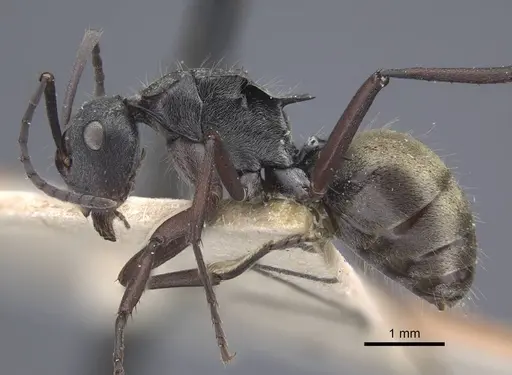
Polyrhachis denticulata is a medium-sized ant belonging to the Hagiomyrma subgenus within the genus Polyrhachis. Workers measure 6.0-7.4mm with a distinctive dark reddish-brown to nearly black coloration, while queens reach 7.1-7.4mm. The species features characteristic spines on the propodeum and petiole, and has a denticulate (toothed) anterior clypeal margin that gives it its name. This ant is a member of the penelope species-group and is closely related to Polyrhachis penelope, with which it was previously confused. The species is native to the Australasian and Indomalayan regions, found across Indonesia (particularly Ambon Island), Papua New Guinea, and the Torres Strait islands. It nests in the ground, often in association with old rotting tree stumps, and constructs nests using carton material. Pupae are enclosed in cocoons.
Quick Summary
- Difficulty: Unknown, limited data available
- Origin & Habitat: Native to Indonesia, Papua New Guinea, and Torres Strait islands. Found in undisturbed forest habitats. Nests subterranean, often in old rotting tree stumps, using carton material [1][2][3].
- Colony Type: Colony structure is unconfirmed. No data available on whether this species is single-queen (monogyne) or multi-queen (polygyne).
- Size & Growth:
- Queen: 7.1-7.4mm [2]
- Worker: 6.0-7.4mm [2]
- Colony: Unknown, no colony size data available
- Growth: Unknown, no development data available
- Development: Unconfirmed, no direct development data available for this species (Based on typical Polyrhachis patterns, expect development of several months, but this is an estimate only)
- Antkeeping:
- Temperature: Inferred: Keep around 24-28°C based on tropical distribution. Provide a gentle temperature gradient allowing ants to self-regulate.
- Humidity: Inferred: Moderate to high humidity (60-80%). These ants come from tropical forest environments and prefer moist substrate conditions.
- Diapause: Unlikely, as a tropical species from Indonesia and Papua New Guinea, diapause is probably not required. However, a slight reduction in temperature during cooler months may be beneficial.
- Nesting: Ground-nesting species that naturally nests in subterranean locations, often in old rotting tree stumps. In captivity, a naturalistic setup with soil substrate and access to decaying wood or cork works well. Y-tong (AAC) nests with soil chambers are also suitable. Provide moist substrate and some dry areas for choice.
- Behavior: Polyrhachis ants are generally not aggressive and are considered relatively docile. They are ground-nesting and likely forage on the ground surface. Workers are moderate-sized (6-7mm) and should be contained with standard escape prevention. No specific defensive behaviors or sting reports are documented for this species, though larger Polyrhachis species can deliver painful bites. Escape risk is moderate due to their size, standard mesh barriers should suffice.
- Common Issues: Limited biological data makes care requirements uncertain, much is inferred from related species, Colony founding may be challenging given lack of data on queen behavior, Wild-caught colonies may have parasites or diseases that are difficult to treat without species-specific knowledge, Tropical humidity requirements may lead to mold issues if ventilation is inadequate, Unknown colony growth rate means keepers must adjust care based on observation rather than established guidelines
Natural History and Distribution
Polyrhachis denticulata is found across the Australasian and Indomalayan regions, specifically in Indonesia (particularly Ambon Island), Papua New Guinea, and the Torres Strait islands. The species was originally described by Karavaiev in 1927 from specimens collected on Ambon Island. It belongs to the penelope species-group within the Hagiomyrma subgenus, a group characterized by their distinctive spines and morphology. The species was historically confused with Polyrhachis penelope, with specimens from Ralum in the Bismarck Archipelago originally identified as P. penelope by Forel in 1901 before being recognized as P. denticulata. Males and immature stages were reportedly collected by F. Dahl at Ralum but appear to be lost from collections. [2]
Nesting Preferences
This is a ground-nesting species that prefers subterranean nesting locations. In the wild, colonies are typically found in old rotting tree stumps, where they construct nests using carton material, a mixture of chewed wood fibers and secretions that creates a papery, reinforced structure. This nesting behavior is typical of the Hagiomyrma subgenus. For captive care, a naturalistic setup with a deep soil substrate works well, as these ants prefer to nest underground. Adding pieces of decaying wood or cork within the setup mimics their natural nesting sites. Y-tong (AAC) formicariums with soil chambers can also work, provided the substrate is kept appropriately moist. The presence of cocoons in the nest indicates they raise brood in a typical ant manner, with protected pupal development. [1][2]
Appearance and Identification
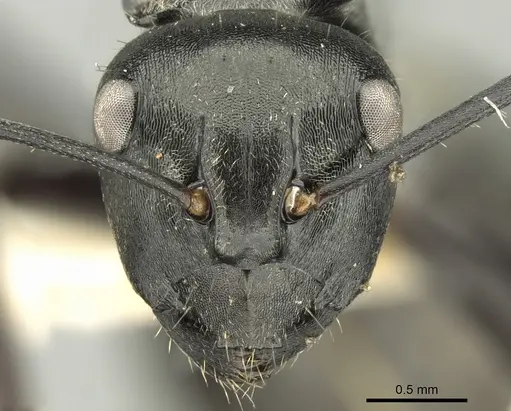
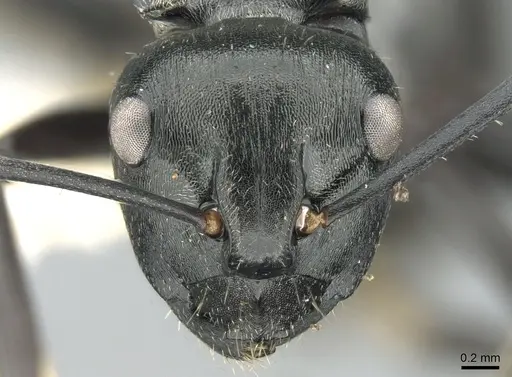
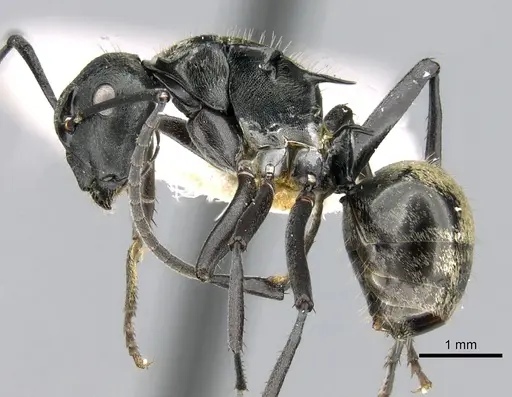
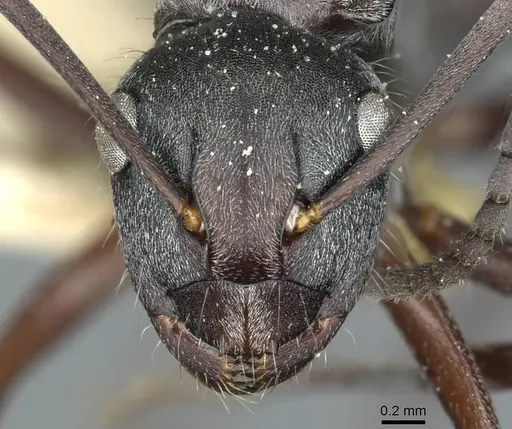
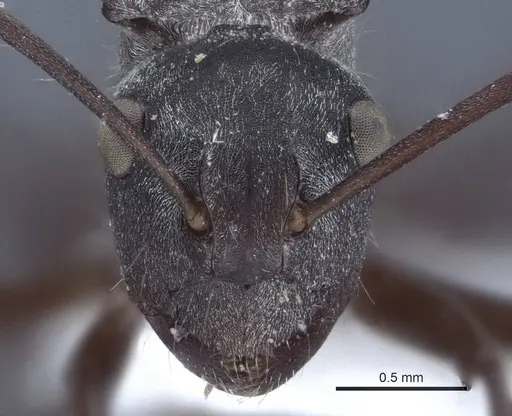
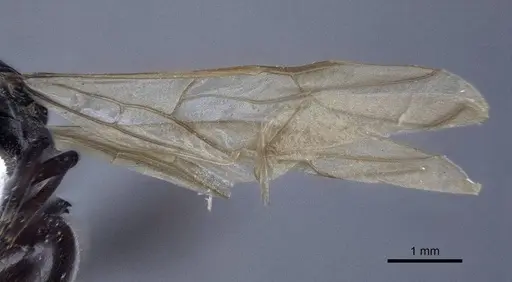
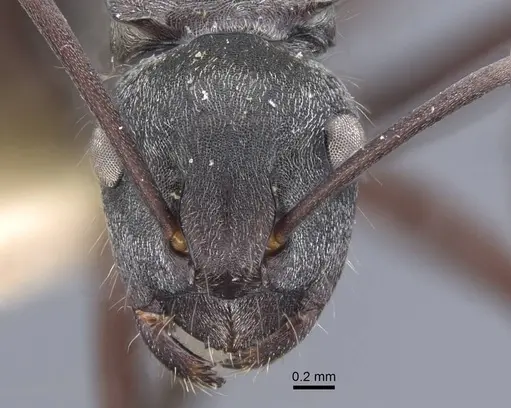
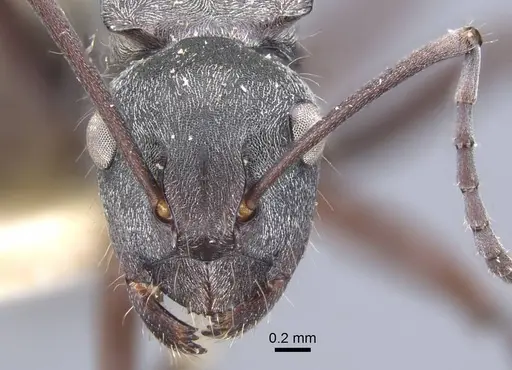
Workers of Polyrhachis denticulata are relatively large ants measuring 6.0-7.4mm in total length. They have a distinctive appearance with spines on both the propodeum (the section behind the mesosoma) and the petiole (the narrow waist segment). The anterior clypeal margin has a characteristic denticulate (toothed) edge, which gives the species its name 'denticulata.' The head and mesosoma are typically dark reddish-brown to nearly black, while the mandibles, clypeus, antennae, and gaster are a lighter medium reddish-brown. Older museum specimens tend to be lighter in color (reddish-brown), while more recently collected specimens are darker (almost black). Queens are larger at 7.1-7.4mm and share similar coloration and morphology, differing primarily in sexual characters and the presence of a thorax adapted for flight. [2]
Care Considerations
Given the limited biological data available for this species, care recommendations are largely inferred from related Polyrhachis species and the known habitat conditions. Keep the nest area at 24-28°C, reflecting their tropical origin in Indonesia and Papua New Guinea. Provide a temperature gradient so workers can self-regulate by moving between warmer and cooler areas. Maintain moderate to high humidity (60-80%) in the nest area, as these forest-dwelling ants prefer moist conditions. Use a naturalistic setup with moist soil substrate, and ensure adequate ventilation to prevent mold buildup. Feed a varied diet including sugar sources (honey or sugar water) and protein sources (insects like mealworms or crickets), though specific dietary preferences are not documented. Escape prevention should be standard for ants of this size, moderate-sized mesh barriers are typically sufficient. [1][2][3]
Challenges and Uncertainties
Polyrhachis denticulata is considered a poorly-studied species with significant gaps in our biological knowledge. Unlike more common ant species in the hobby, there is no documented information on colony structure (single-queen vs multi-queen), founding behavior, development timeline, or specific dietary needs. This makes keeping this species more challenging than well-documented species, as keepers cannot rely on established care protocols. If attempting to keep this species, be prepared to experiment with care conditions and document your observations carefully. Starting with a colony rather than a single queen may improve chances of success, as the founding stage is particularly uncertain. Always source colonies ethically and avoid wild collection if possible.
Frequently Asked Questions
How long does it take for Polyrhachis denticulata to produce first workers?
The development timeline is unconfirmed for this species. Based on typical Polyrhachis patterns, expect several months from egg to worker, but this is only an estimate. The exact duration will depend on temperature and other conditions.
What do Polyrhachis denticulata ants eat?
Specific dietary preferences are not documented. Based on related Polyrhachis species, they likely accept sugar sources (honey, sugar water) and protein (insects like mealworms, crickets, or other small arthropods). Offer a varied diet and observe what they accept.
Is Polyrhachis denticulata good for beginners?
This species is not recommended for beginners due to the limited biological data available. Unlike well-studied species, there are no established care guidelines, making successful colony founding and maintenance more challenging. Consider starting with more common, better-documented species first.
What temperature and humidity do Polyrhachis denticulata need?
Based on their tropical distribution in Indonesia and Papua New Guinea, keep temperatures around 24-28°C with a gentle gradient. Humidity should be moderate to high (60-80%). These ants come from forest environments and prefer moist substrate conditions.
Can I keep multiple Polyrhachis denticulata queens together?
Colony structure is unconfirmed for this species. There is no data on whether they are single-queen (monogyne) or multi-queen (polygyne). Combining unrelated queens is not recommended without understanding their natural colony structure.
What type of nest is best for Polyrhachis denticulata?
This is a ground-nesting species that naturally nests in subterranean locations within rotting tree stumps. In captivity, a naturalistic setup with deep moist soil and pieces of decaying wood or cork works well. Y-tong (AAC) nests with soil chambers are also suitable.
Do Polyrhachis denticulata need hibernation?
Hibernation is unlikely required. As a tropical species from Indonesia and Papua New Guinea, they do not experience cold winters. A slight temperature reduction during cooler months may be beneficial but is not necessary for colony health.
How big do Polyrhachis denticulata colonies get?
Maximum colony size is unknown. No documented colony size data exists for this species. Based on related Polyrhachis species, colonies likely reach several hundred to a few thousand workers over time.
Where is Polyrhachis denticulata found in the wild?
This species is native to the Australasian and Indomalayan regions, specifically found in Indonesia (Ambon Island), Papua New Guinea, and the Torres Strait islands. They inhabit undisturbed forest environments.
References

This caresheet is licensed under CC BY-SA 4.0 .
CASENT0906591
View on AntWeb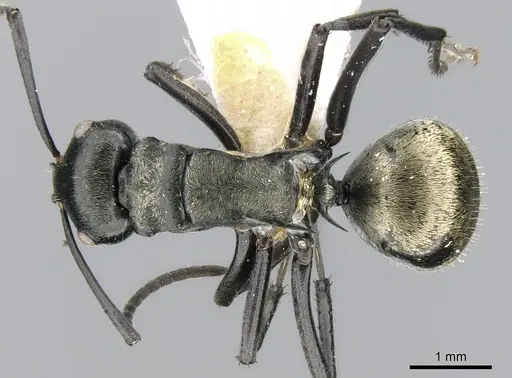
CASENT0912111
View on AntWeb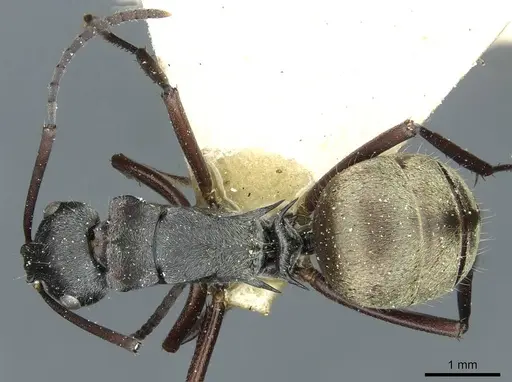
CASENT0916759
View on AntWeb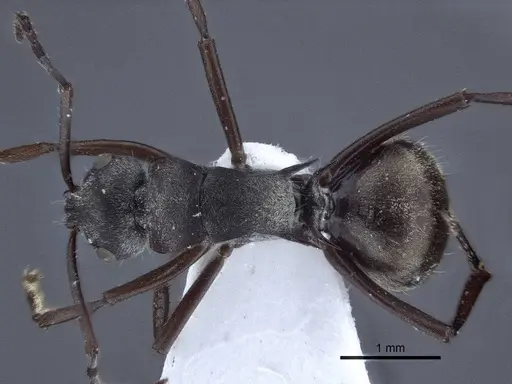
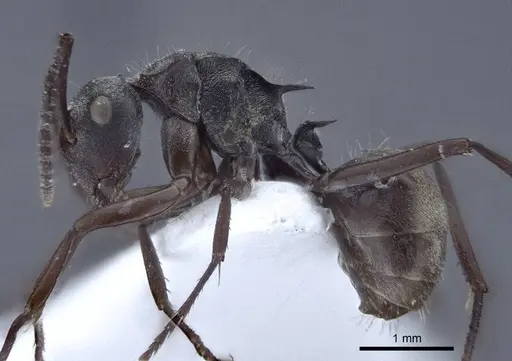
CASENT0916760
View on AntWeb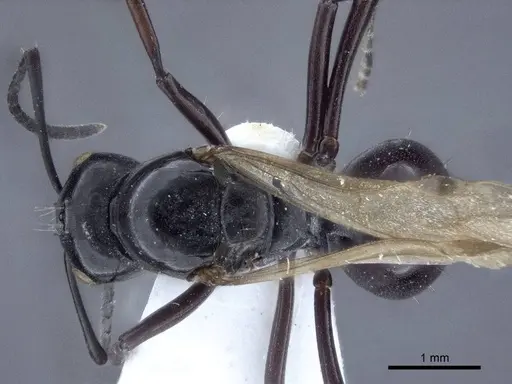
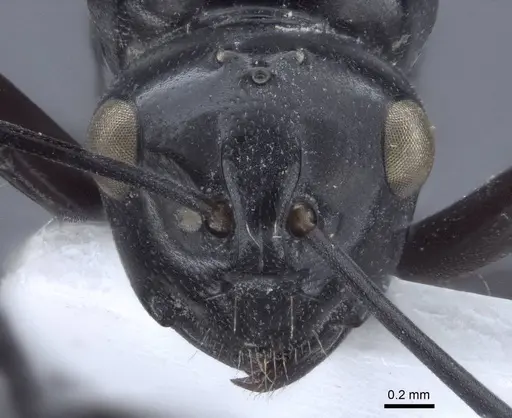
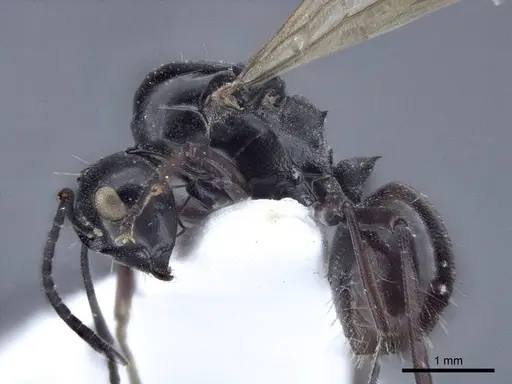
CASENT0917180
View on AntWeb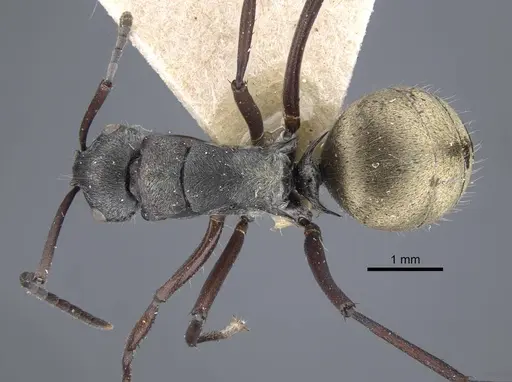
Literature
Loading...Loading products...