

Polyrhachis demangei
- Scientific Name
- Polyrhachis demangei
- Subgenus
- Cyrtomyrma
- Tribe
- Camponotini
- Subfamily
- Formicinae
- Author
- Santschi, 1910
- Distribution
- Found in 3 countries
Polyrhachis demangei Overview
Polyrhachis demangei is an ant species of the genus Polyrhachis. It is primarily documented in 3 countries , including China, Hong Kong, Macao. Detailed taxonomic data and occurrence records can be further explored via authoritative databases such as AntWeb or the Global Biodiversity Information Facility (GBIF).
Polyrhachis demangei
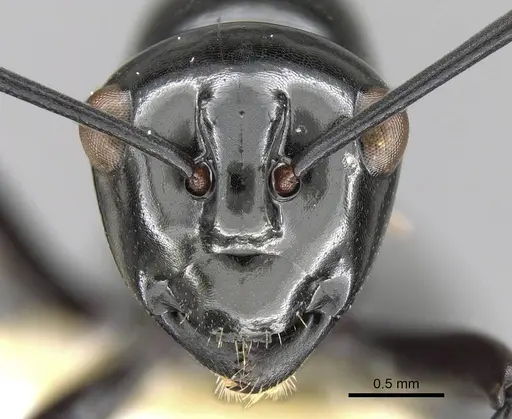
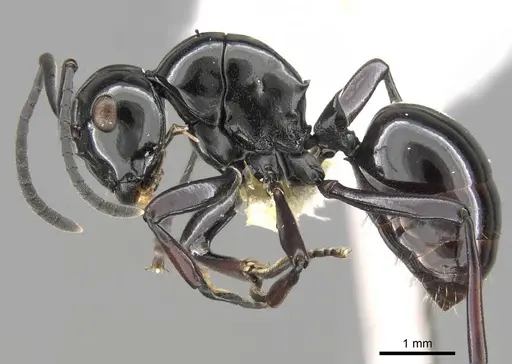
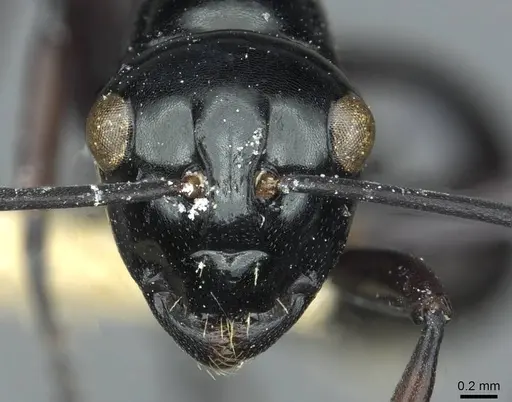
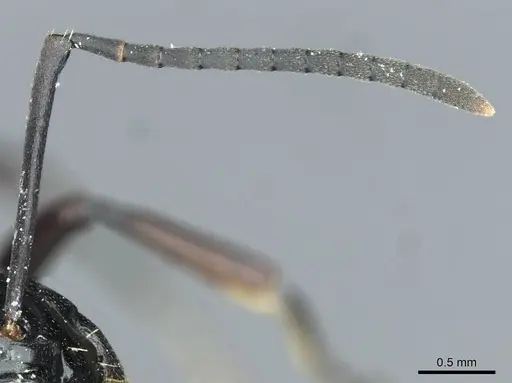
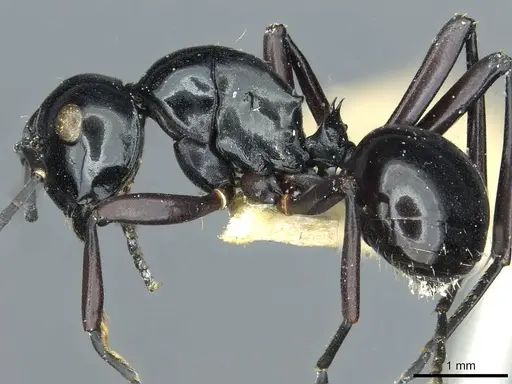
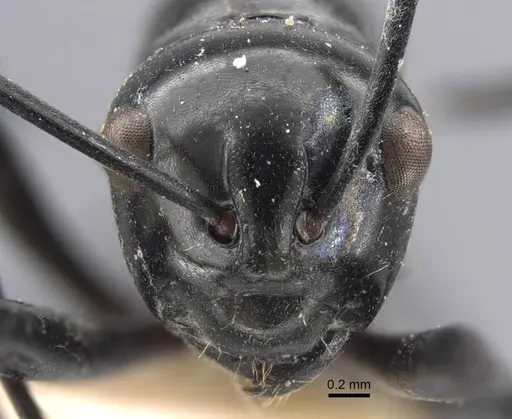
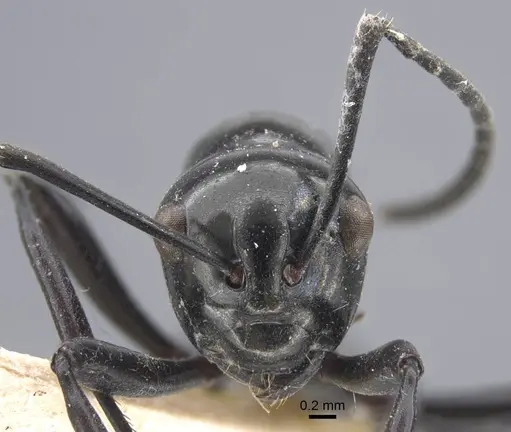
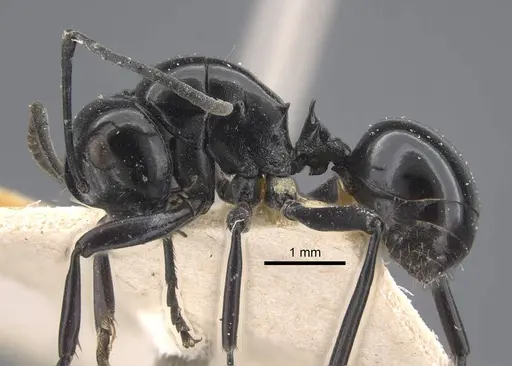
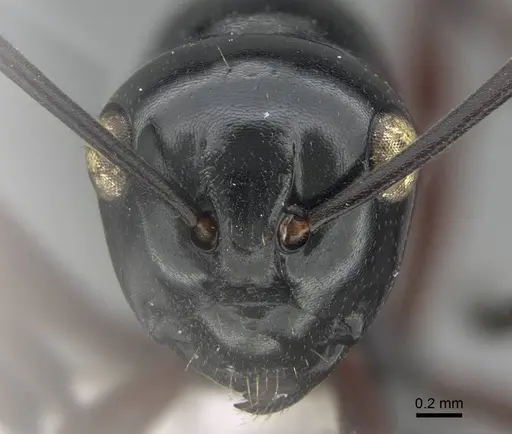
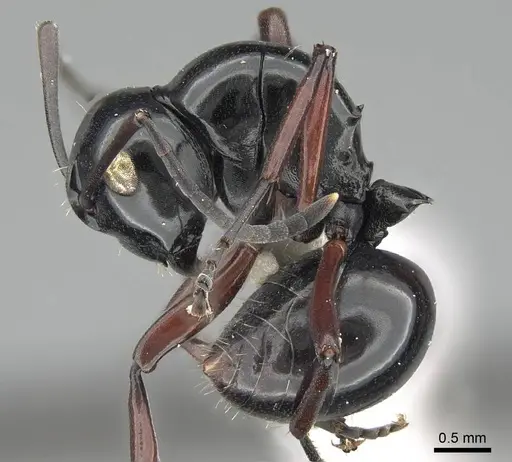
Polyrhachis demangei is a species of spiny ant in the subfamily Formicinae, belonging to the subgenus Cyrtomyrma. Workers are typical of the genus with spiny projections on the thorax and abdomen, giving them their common name of 'urchin ants.' The species was originally described as a subspecies of Polyrhachis rastellata in 1910 before being raised to full species status in 1938. Native to Southeast Asia, these ants are found in Vietnam and southern China, including Hainan Province and Macau [1][2]. This is a relatively rare species in the antkeeping hobby with limited documentation on its specific care requirements.
Quick Summary
- Difficulty: Medium
- Origin & Habitat: Native to the Indomalaya region (Vietnam) and Palaearctic region (southern China), including Hainan Province and Macau. Found in tropical and subtropical forested areas [1][2].
- Colony Type: Colony structure is unconfirmed. Based on typical Polyrhachis patterns, likely monogyne (single queen) colonies.
- Size & Growth:
- Queen: Estimated 8-10mm based on genus patterns for Cyrtomyrma subgenus
- Worker: Estimated 5-8mm based on genus patterns
- Colony: Unknown for this species, likely several hundred workers based on related Polyrhachis species
- Growth: Moderate, estimated based on genus patterns
- Development: Estimated 6-8 weeks at optimal temperature based on related Formicinae species (Development time is estimated, no specific data available for this species)
- Antkeeping:
- Temperature: Keep at 24-28°C. Being a tropical/subtropical species from Vietnam and southern China, they prefer warm conditions. A gentle gradient allowing workers to self-regulate is recommended.
- Humidity: Moderate to high humidity around 60-80%. Provide a moist nest substrate but avoid waterlogging. Mist occasionally and ensure the nest has access to a water source.
- Diapause: Unconfirmed. Based on their tropical/subtropical origin, they likely do not require a true hibernation but may have reduced activity during cooler winter months if room temperature drops.
- Nesting: In the wild, Polyrhachis species often nest in rotting wood, under bark, or in arboreal locations. In captivity, a Y-tong (AAC) nest, plaster nest, or naturalistic setup with wood pieces works well. They prefer tight, dark chambers and appreciate some vertical space.
- Behavior: Polyrhachis ants are generally non-aggressive and more docile compared to many other ant genera. Workers are active foragers but not particularly aggressive. They have moderate escape risk, use standard barrier methods (Fluon) but they are not known for being particularly escape-prone like tiny species. They may be more active at higher temperatures.
- Common Issues: limited species-specific care information makes precise recommendations difficult, wild-caught colonies may have parasites or diseases not yet documented in captivity, slow establishment phase means colonies may appear inactive before founding is complete, humidity control is important, too dry can cause brood death, too wet can cause fungal issues, temperature consistency matters, avoid drafts and sudden temperature changes
Nest Preferences and Housing
Polyrhachis demangei is a relatively undocumented species in captivity, so care recommendations are based on genus-level patterns. In the wild, Polyrhachis species in the subgenus Cyrtomyrma often nest in rotting wood, under loose bark, or in arboreal situations. For captivity, a Y-tong (AAC) nest or plaster nest with narrow chambers works well. They prefer dark, tight spaces and will readily occupy nests with multiple connected chambers. A naturalistic setup with rotting wood pieces and moist substrate can also work, though you may need to wait longer for the colony to establish. Provide a water test tube as a hydration source. Because they are from tropical regions, avoid letting the nest dry out completely.
Feeding and Diet
Like most Formicinae ants, Polyrhachis demangei is likely omnivorous. They probably accept sugar sources (honey, sugar water) and protein (insects like fruit flies, small crickets, mealworms). In the wild, Polyrhachis species often forage for honeydew from aphids and scale insects, plus small arthropods. Feed a mix of protein and sugar sources. Offer protein 2-3 times per week and keep a sugar source constantly available. Remove uneaten prey after 24-48 hours to prevent mold. Since this species is poorly documented, monitor what your colony accepts and adjust accordingly.
Temperature and Seasonal Care
As a species from Vietnam and southern China, Polyrhachis demangei prefers warm conditions. Keep the nest area at 24-28°C. A heating cable on one side of the nest can create a temperature gradient, allowing workers to move between warmer and cooler areas. Avoid temperatures below 20°C for extended periods. They do not require a true hibernation like temperate species, but may show reduced activity in winter if your room temperature drops significantly. If you keep your home at normal room temperature (20-22°C), the colony should survive but may be less active. Monitor colony behavior, if workers seem sluggish, consider gentle warming.
Behavior and Colony Dynamics
Polyrhachis ants are generally known for being docile and less aggressive than many other ant genera. Workers are active foragers and will search the outworld for food. They are not particularly territorial or aggressive toward keepers. The genus name 'Polyrhachis' means 'many spines, ' and these ants have distinctive spiny projections that give them a unique appearance. Colonies likely grow moderately, expect several months to a year before seeing significant worker numbers from a founding queen. Queens are probably claustral, sealing themselves in a chamber to raise the first workers alone without foraging. Be patient during the founding phase, the queen may appear inactive for weeks or months while she raises the first brood.
Acquiring and Establishing Colonies
Polyrhachis demangei is not a common species in the antkeeping hobby, so finding a colony may be challenging. If you obtain a wild-caught queen, she was likely captured during a nuptial flight. The timing of these flights in the wild is not documented, but based on the tropical distribution, they likely occur during warm summer months. When establishing a colony from a wild-caught queen, provide a simple test tube setup with a water reservoir and keep it dark and undisturbed. Do not check on the queen frequently during founding, excessive disturbance can cause her to abandon or eat the brood. Wait until you see the first workers (nanitics) before offering food, and only offer a tiny amount.
Frequently Asked Questions
How long does it take for Polyrhachis demangei queens to raise their first workers?
The exact timeline is unconfirmed for this species, but based on related Formicinae ants, expect 6-8 weeks from egg to first worker at optimal temperature (24-28°C). The founding phase can take longer if temperatures are cooler. Be patient, claustral queens may appear inactive but are working underground raising brood.
What do Polyrhachis demangei ants eat?
They are omnivorous like most Formicinae. Offer sugar sources (honey, sugar water) constantly and protein (small insects like fruit flies, pinhead crickets, mealworms) 2-3 times per week. Remove uneaten prey after 24-48 hours.
What temperature do Polyrhachis demangei ants need?
Keep them warm at 24-28°C. Being from Vietnam and southern China, they prefer tropical conditions. A heating cable on part of the nest can create a gradient. Avoid temperatures below 20°C for extended periods.
Are Polyrhachis demangei good for beginners?
This species is not commonly available and has limited documented care information, making it a moderate challenge. If you can find one, it may be suitable for intermediate antkeepers who are comfortable with species that require some inference from genus-level patterns. They are generally docile and not difficult to keep once established.
How big do Polyrhachis demangei colonies get?
Colony size is not documented for this specific species, but based on related Polyrhachis species, expect colonies of several hundred workers at maturity. Growth is moderate, it may take 1-2 years to reach significant numbers from a founding queen.
Do Polyrhachis demangei need hibernation?
Unlikely to require true hibernation based on their tropical/subtropical origin. They may have reduced activity during cooler months but should be fine at normal room temperature. If your home gets cold in winter, a slight reduction in temperature (not below 18°C) may be appropriate, but a full hibernation is probably not necessary.
What type of nest is best for Polyrhachis demangei?
A Y-tong (AAC) nest, plaster nest, or naturalistic setup with rotting wood works well. They prefer tight, dark chambers. Avoid very large, open spaces. Ensure the nest can maintain moderate humidity without drying out.
Can I keep multiple Polyrhachis demangei queens together?
The colony structure is unconfirmed for this species. Based on typical Polyrhachis patterns, they are likely monogyne (single queen). Combining unrelated queens is not recommended as it has not been documented and could result in fighting.
Where is Polyrhachis demangei found in the wild?
They are native to Vietnam and southern China, including Hainan Province and Macau. Their natural habitat is tropical and subtropical forested areas.
References

This caresheet is licensed under CC BY-SA 4.0 .
CASENT0906788
View on AntWeb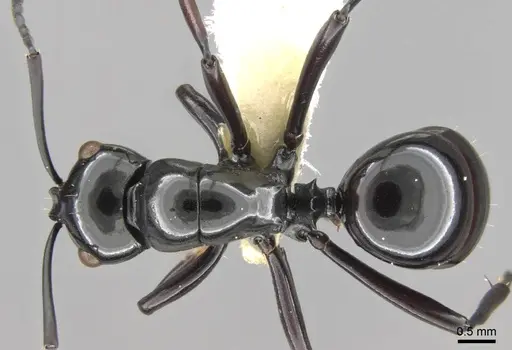
CASENT0912100
View on AntWeb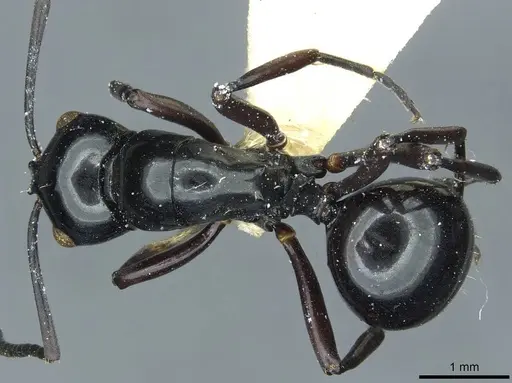
CASENT0917293
View on AntWeb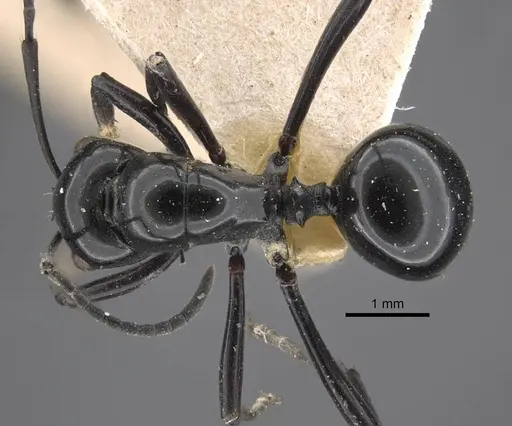
CASENT0919852
View on AntWeb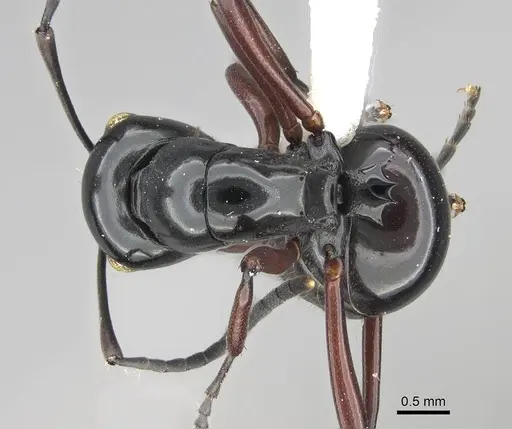
Literature
Loading...Loading products...