

Polyrhachis rastellata
- Scientific Name
- Polyrhachis rastellata
- Subgenus
- Cyrtomyrma
- Tribe
- Camponotini
- Subfamily
- Formicinae
- Author
- Latreille, 1802
- Distribution
- Found in 10 countries
Polyrhachis rastellata Overview
Polyrhachis rastellata is an ant species of the genus Polyrhachis. It is primarily documented in 10 countries , including China, Hong Kong, Indonesia. Detailed taxonomic data and occurrence records can be further explored via authoritative databases such as AntWeb or the Global Biodiversity Information Facility (GBIF).
Polyrhachis rastellata
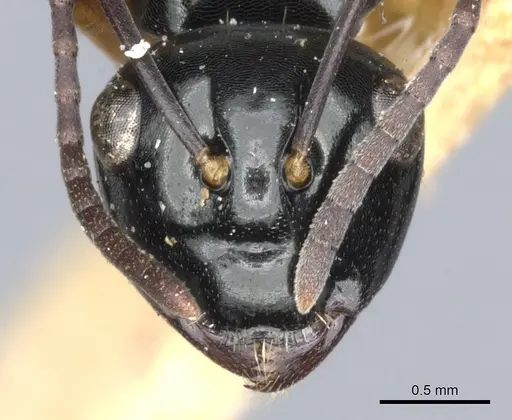
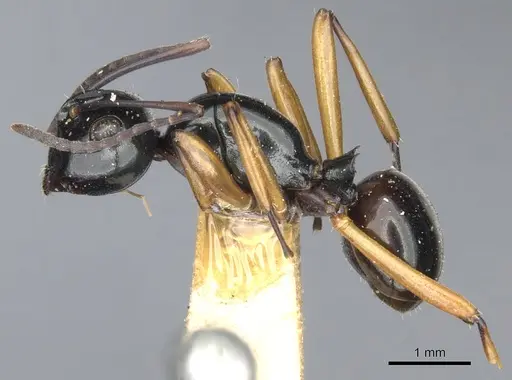
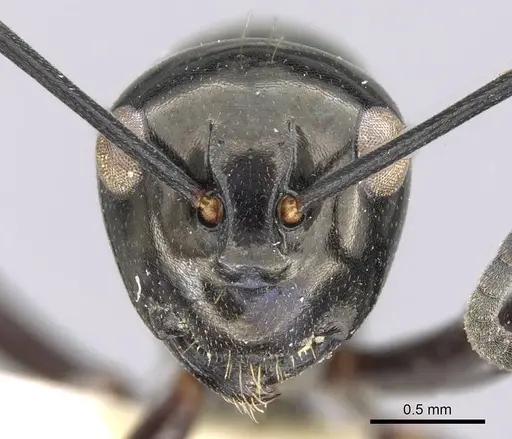
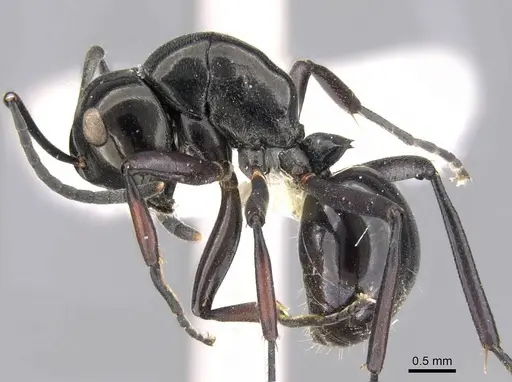
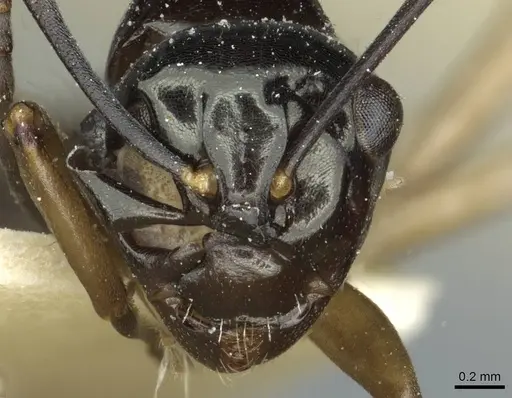
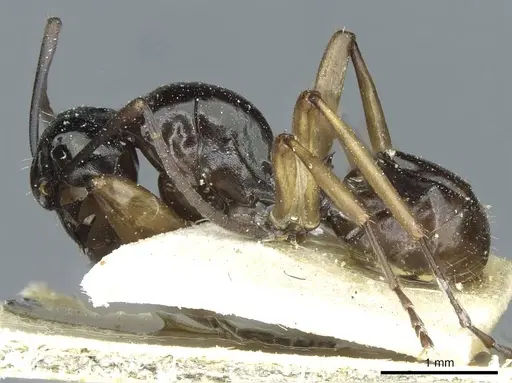
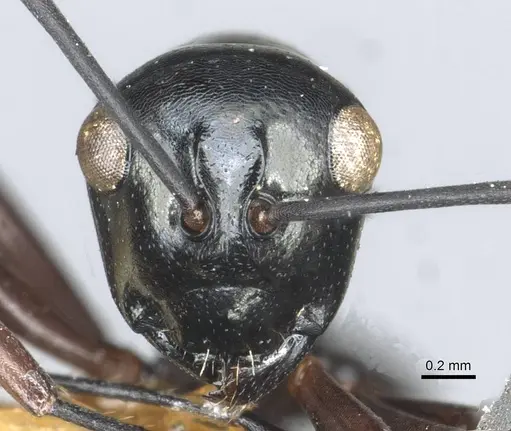
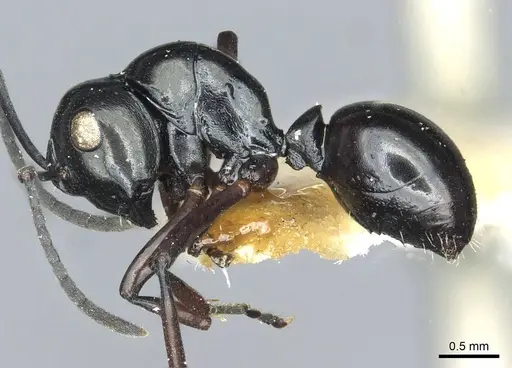
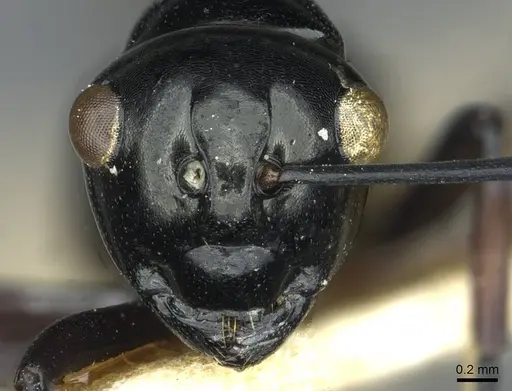
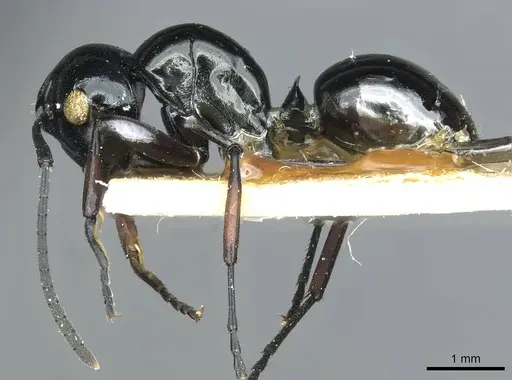
Polyrhachis rastellata is a medium-sized arboreal ant found across South and Southeast Asia, from India through Indonesia to northern Australia. Workers measure 5-6.5mm and are distinctive for their glossy black body with striking red legs, the coxae, femora, and tibiae are blood-red while the tarsi remain black [1][2]. They have four subequal spines on the petiole (the narrow waist section), with the middle pair positioned closer together [1]. This species belongs to the subgenus Cyrtomyrma, a group known for their silk-weaving abilities and arboreal lifestyle [3]. The taxonomy of P. rastellata has been confusing, many historical records from Borneo and New Guinea may actually represent different species, and the true range may be limited to India, Sri Lanka, Myanmar, and Southeast Asia [4].
Quick Summary
- Difficulty: Medium
- Origin & Habitat: Found across South and Southeast Asia including India, Sri Lanka, Thailand, Malaysia, Indonesia, Philippines, southern China, and northern Australia. Inhabits tropical and subtropical forests, particularly mixed deciduous and wet evergreen forests. Nests arboreally in trees and between leaves, using larval silk to weave leaf surfaces together [5][3].
- Colony Type: Colony structure is not well documented in scientific literature. Workers can lay eggs in the absence of a queen, as observed in laboratory colonies [6], but natural colony structure (single queen vs multiple queens) remains unconfirmed.
- Size & Growth:
- Queen: Not specifically documented in available research, estimated 7-9mm based on genus patterns
- Worker: 5-6.5mm [1][2]
- Colony: Unknown, no colony size data available in research
- Growth: Moderate, estimated based on related Polyrhachis species
- Development: Unknown, no direct development timing studies available. Based on typical Polyrhachis patterns, estimate 6-10 weeks at optimal temperature (Development timeline unconfirmed for this specific species)
- Antkeeping:
- Temperature: Keep at 24-28°C. As a tropical/subtropical species, they prefer warm conditions. Room temperature (22-26°C) is suitable, with a slight gradient toward warmer areas if your setup allows [5]
- Humidity: Moderate to high humidity (60-80%). These are forest ants that naturally experience humid conditions. Keep the nest moderately moist but ensure good ventilation to prevent mold [3]
- Diapause: No, being a tropical/subtropical species, they do not require hibernation. Activity may slow slightly during cooler months but no formal diapause is needed [7]
- Nesting: Arboreal nesters that naturally weave leaves together using larval silk. In captivity, they do well in acrylic nests or naturalistic setups with materials they can manipulate. Provide small twigs, leaves, or artificial nest chambers. Avoid fully enclosed test tubes, they prefer more open, leaf-like structures [3][6]
- Behavior: Generally sluggish and calm temperament compared to many other ants. They are more olfactory-oriented and rely heavily on scent rather than vision [6]. Workers show little aggression and tend to form dense clusters when disturbed. They avoid water and prefer to stay in their silk-lined nests. Escape risk is moderate, they are not strong climbers but can cling to surfaces with their silk. They are not known for stinging and are considered docile [6].
- Common Issues: humidity control is critical, too dry and the silk-lined nests will degrade, too wet and mold becomes a problem, colonies may fail if kept in standard test tubes, they need more open, arboreal-style housing, slow growth compared to faster species may frustrate beginners, taxonomic confusion means wild-caught specimens may not be true P. rastellata, they are not aggressive and may be outcompeted by more aggressive ant species if housed in shared spaces
Housing and Nest Setup
Polyrhachis rastellata requires different housing than typical ground-nesting ants. As arboreal ants that naturally weave leaves together with larval silk, they do best in setups that mimic their natural arboreal lifestyle. Acrylic nests with small chambers, naturalistic setups with twigs and artificial leaves, or custom-built arboreal formicaria work well. Avoid standard test tubes, these ants will not thrive in enclosed glass tubes. The nest should have some open areas where they can construct their silk structures. Provide a water source in the outworld and maintain moderate humidity. Good ventilation is essential to prevent mold in the silk structures [3][6].
Feeding and Diet
Polyrhachis rastellata is omnivorous like most Polyrhachis species. They feed on honeydew from sap-sucking insects, nectar from extra-floral nectaries, and small invertebrates. In captivity, offer sugar water or honey regularly, along with small protein sources like fruit flies, small crickets, or mealworm pieces. They have been observed learning to carry sugar grains to humid chambers after repeated feedings [6]. They are not aggressive predators and prefer easier food sources. Offer protein 2-3 times per week and keep a sugar source available at all times. Fresh fruit can also be accepted. Remove uneaten food promptly to prevent mold [6][8].
Temperature and Seasonal Care
As a tropical to subtropical species, Polyrhachis rastellata prefers warm conditions. Keep the nest area at 24-28°C for optimal activity and brood development [5]. They can tolerate temperatures down to around 20°C but will become less active. No hibernation or diapause is required, these ants come from regions without cold winters. During cooler months, activity may naturally decrease but no special winter care is needed. Avoid temperature extremes and sudden changes. A small heating cable on one side of the nest can create a beneficial gradient if your room temperature runs cool [7].
Behavior and Colony Dynamics
This species is notably calm and sluggish compared to many ants. They are highly olfactory-oriented, relying on scent trails and chemical communication rather than visual cues [6]. When disturbed, workers cluster together densely rather than dispersing aggressively. They show little tendency to enter water and prefer to stay in their silk-lined nests. One remarkable behavior is their use of larval silk to construct nests, larvae have specialized ventral cavities (trophothyllax) where workers deposit food, and the spinning ability is used for nest construction rather than forming cocoons [6]. Workers can lay eggs in the absence of a queen, though this was observed in laboratory conditions. The colony may produce males if reproductive, but this is not well documented in wild colonies [6].
Handling and Temperament
Polyrhachis rastellata is one of the more docile ant species available. They are not aggressive and rarely sting. When their nest is opened, they tend to cluster together rather than attack. They show minimal response to finger movements or prey presentation but will scatter explosively if blown on gently [6]. This sluggish behavior makes them easy to observe but less exciting for keepers looking for active foraging displays. They are best suited for keepers who appreciate their unique silk-weaving behavior and calm nature rather than aggressive species. Because they are arboreal, they may not explore the outworld as much as ground-nesting species.
Frequently Asked Questions
Can I keep Polyrhachis rastellata in a test tube?
No, test tubes are not recommended. This is an arboreal ant that naturally weaves leaves together with silk. They need more open, naturalistic housing where they can construct silk structures. Acrylic nests or custom arboreal setups work much better [3][6].
How long does it take for the first workers to appear?
The exact egg-to-worker timeline has not been documented for this species. Based on typical Polyrhachis development patterns, expect approximately 6-10 weeks at optimal temperature (24-28°C). Patience is required as this is not a fast-growing species [7].
What do Polyrhachis rastellata eat?
They are omnivorous. Offer sugar water or honey as a constant energy source, along with small protein sources like fruit flies, small crickets, or mealworm pieces 2-3 times per week. They also may accept fresh fruit [6].
Are Polyrhachis rastellata good for beginners?
They are moderate difficulty. While calm and easy to handle, their arboreal nesting requirements and need for silk structures make them slightly more challenging than typical ground-nesting ants. They require more specific housing than simple test tubes [7].
Do they need hibernation?
No, they do not require hibernation. Being a tropical/subtropical species from South and Southeast Asia, they do not experience cold winters in their natural range. Activity may slow during cooler months but no formal diapause is needed [7].
Can I keep multiple queens together?
The natural colony structure (single queen vs multiple queens) has not been documented for this species. Combining unrelated queens is not recommended since we do not know their social structure. It is best to start with a single queen colony [7].
How big do colonies get?
Colony size for this species is not well documented in scientific literature. Based on related Polyrhachis species, colonies likely reach several hundred workers over time. Growth is moderate rather than fast [7].
What makes Polyrhachis rastellata different from other ants?
They are one of the few ant species that use larval silk to weave nests rather than having larvae spin cocoons. Their pupae are naked (no cocoon) and the spinning ability is entirely used for nest construction. They also have distinctive red legs on a glossy black body and are notably calm and sluggish [6][1].
References

This caresheet is licensed under CC BY-SA 4.0 .
CASENT0903407
View on AntWeb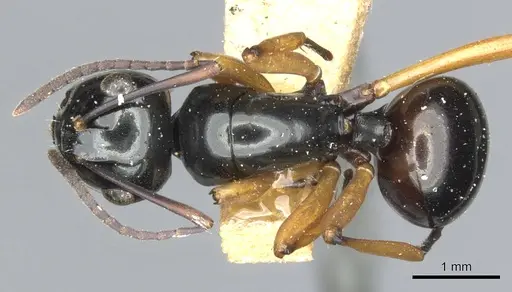
CASENT0906784
View on AntWeb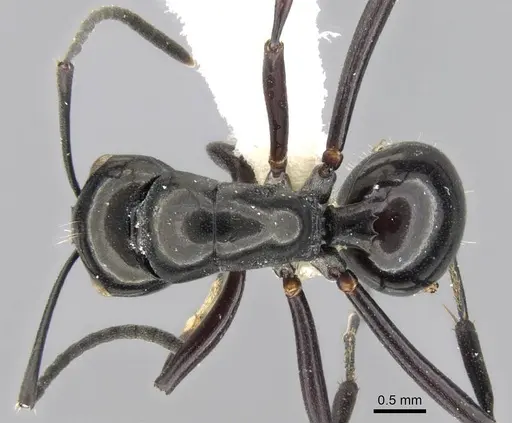
CASENT0912101
View on AntWeb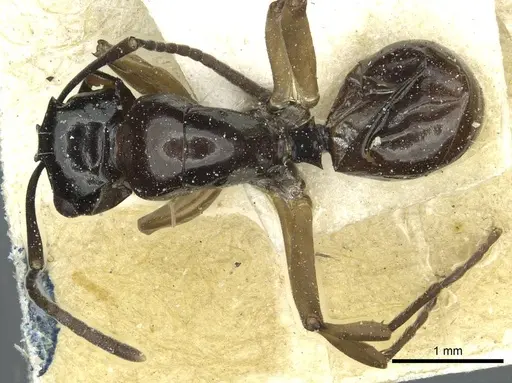
CASENT0912103
View on AntWeb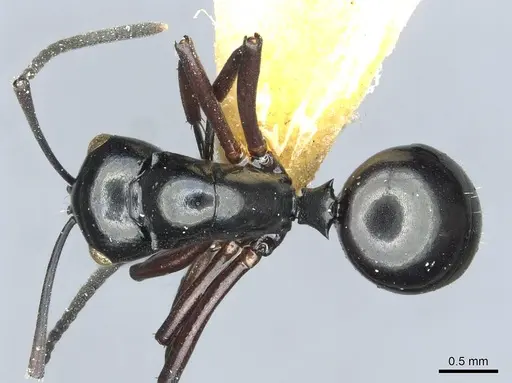
CASENT0912104
View on AntWeb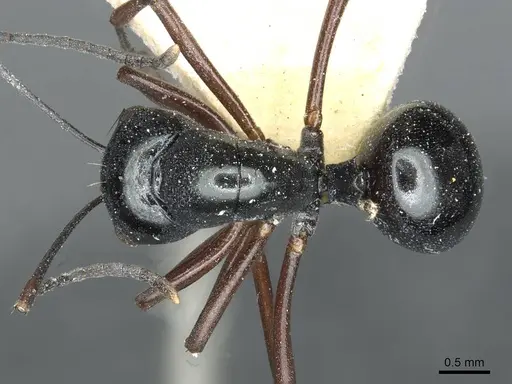
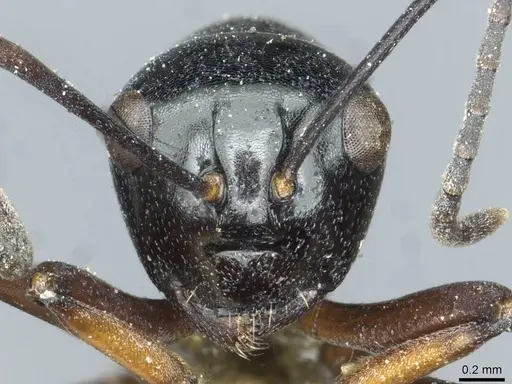
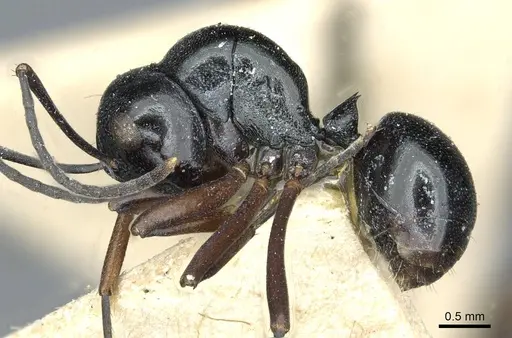
CASENT0912105
View on AntWeb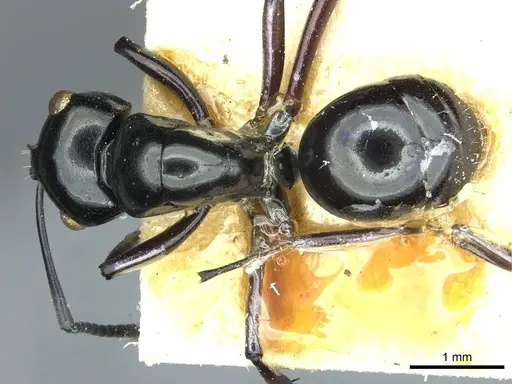
Literature
Loading...Loading products...