

Polyrhachis decipiens
- Scientific Name
- Polyrhachis decipiens
- Subgenus
- Myrma
- Tribe
- Camponotini
- Subfamily
- Formicinae
- Author
- Roger, 1863
- Distribution
- Found in 1 countries
Polyrhachis decipiens Overview
Polyrhachis decipiens is an ant species of the genus Polyrhachis. It is primarily documented in 1 countries , including Indonesia. Detailed taxonomic data and occurrence records can be further explored via authoritative databases such as AntWeb or the Global Biodiversity Information Facility (GBIF).
Polyrhachis decipiens
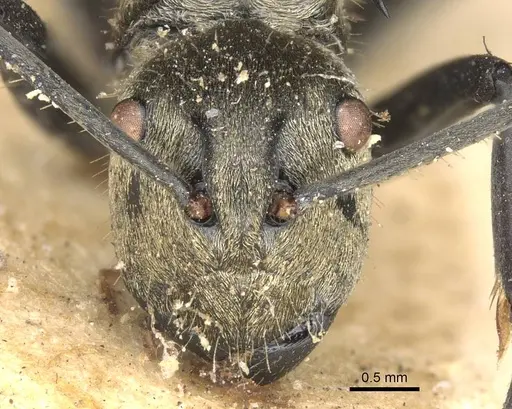
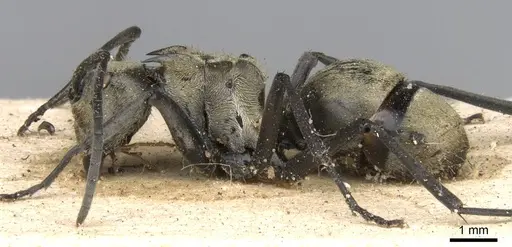
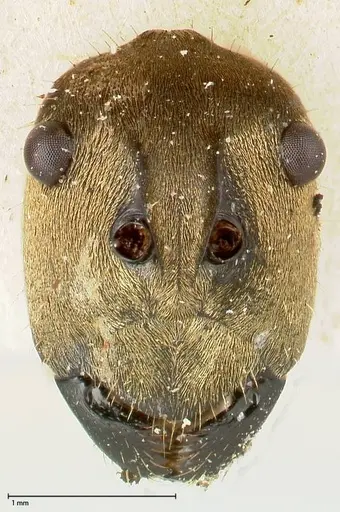
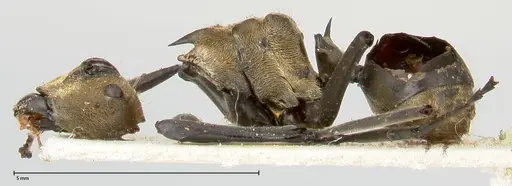
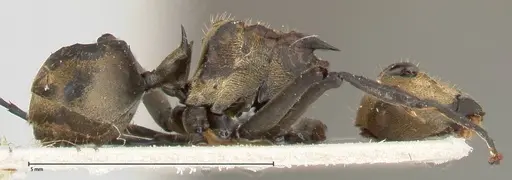
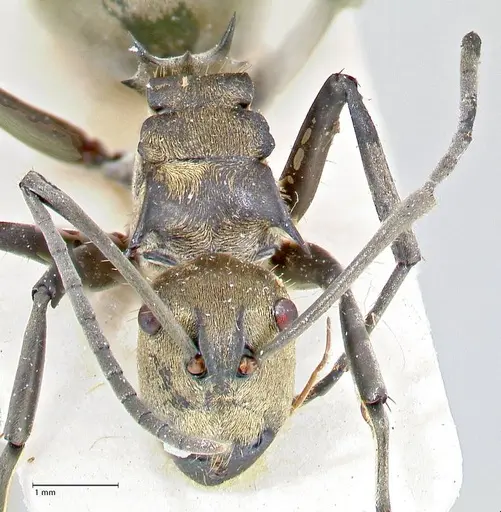
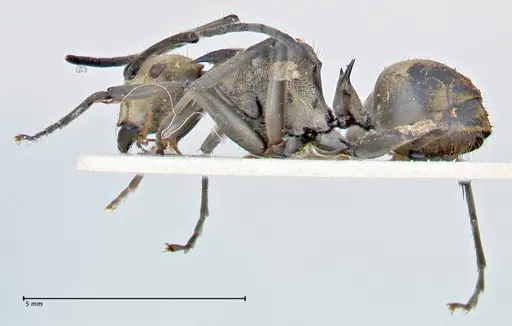
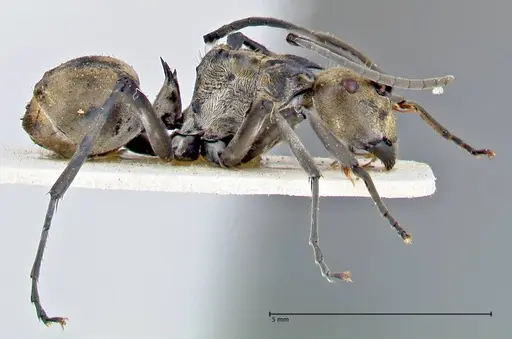
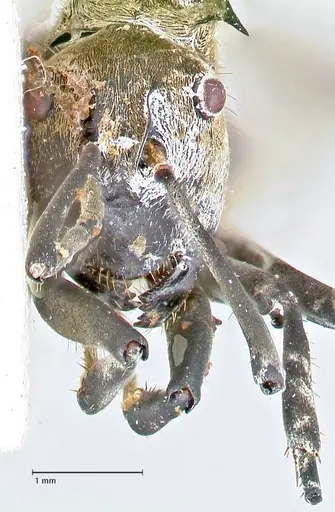
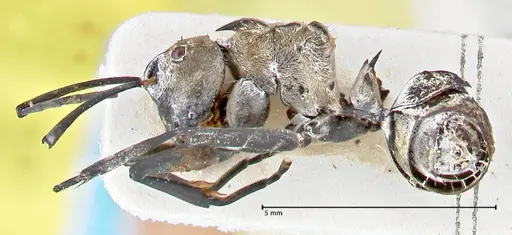
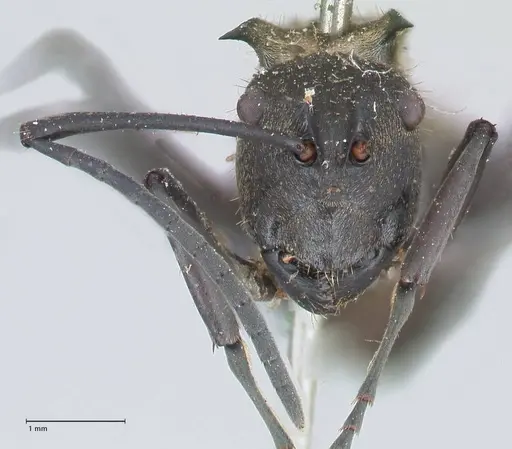
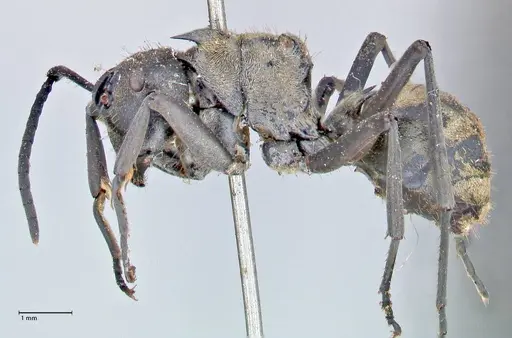
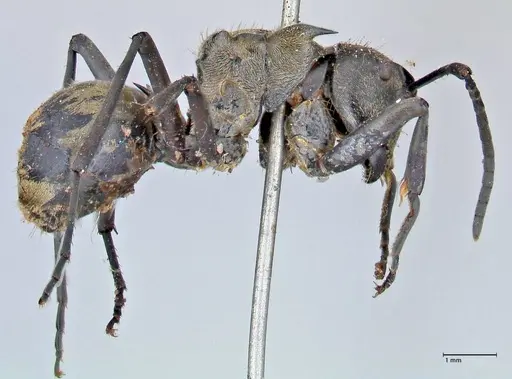
Polyrhachis decipiens is a medium-sized ant species belonging to the Polyrhachis relucens species-group, part of the Myrma subgenus. Workers are characterized by their distinctive spiny appearance and relatively robust build, typical of Polyrhachis ants. This species is native to the Indomalaya region, specifically found throughout Indonesia including Sulawesi and the Moluccas (Batjan Island) [1][2]. The species was originally described by Roger in 1863 and was later confirmed as a valid species separate from its synonyms P. restituta and P. conclusa. These ants are part of the Formicinae subfamily, which means they do not have a functional stinger but can defend themselves through biting and formic acid secretion.
Quick Summary
- Difficulty: Medium
- Origin & Habitat: Native to Indonesia, specifically found in the Indomalaya region including Sulawesi and the Moluccas (Batjan Island). They inhabit tropical forest environments where they typically nest in vegetation, under bark, or in hollow twigs and branches [1][2].
- Colony Type: Likely single-queen (monogyne) colonies based on typical Polyrhachis patterns. Colony founding appears to be claustral, where the queen seals herself in a chamber and lives off stored fat reserves until her first workers emerge.
- Colony: Monogyne
- Founding: Claustral
- Size & Growth:
- Queen: Estimated 10-12mm based on genus-level Polyrhachis patterns for Myrma subgenus species
- Worker: Estimated 6-8mm based on typical Polyrhachis relucens group dimensions
- Colony: Estimated several hundred workers based on typical Polyrhachis colony sizes
- Growth: Moderate, based on related Polyrhachis species development patterns
- Development: Estimated 6-8 weeks at optimal tropical temperatures based on genus-level data for related Formicinae (Development time is estimated from typical Polyrhachis patterns, actual timing may vary based on temperature and conditions)
- Antkeeping:
- Temperature: Keep at 24-28°C, mimicking tropical conditions. A gentle temperature gradient allows ants to regulate their preferred zone. Room temperature within this range is acceptable, otherwise use a heating cable on one side of the nest.
- Humidity: Maintain moderate to high humidity (60-80%). These are forest-dwelling ants that prefer damp conditions. Keep the nest substrate consistently moist but not waterlogged, with some slightly drier areas available for the ants to choose.
- Diapause: No, as a tropical species from Indonesia, they do not require hibernation. Keep temperatures stable year-round.
- Nesting: Polyrhachis ants are often semi-arboreal, preferring nests in wood, hollow twigs, or under bark. In captivity, a Y-tong (AAC) nest or plaster nest with narrow chambers works well. Provide a naturalistic setup with some vertical space and hiding spots. Avoid completely dry conditions.
- Behavior: Polyrhachis decipiens is typically moderately active and somewhat defensive. They are omnivorous, feeding on small insects, honeydew, and nectar. Workers are agile and can be quick-moving. Escape prevention should be moderate, while not the smallest ants, they can still squeeze through small gaps if given the opportunity. They may bite and spray formic acid when threatened.
- Common Issues: tropical species may struggle in cool or dry conditions, monitor temperature and humidity closely, colonies may be slow to establish, patience is required during the founding stage, semi-arboreal nature means they need vertical space and appropriate nesting sites, wild-caught colonies may carry parasites or pathogens that can cause colony failure, overfeeding can lead to mold issues in the nest, remove uneaten food promptly
Housing and Nest Setup
Polyrhachis decipiens does well in a Y-tong (AAC) nest or a plaster formicarium with appropriately sized chambers. Since they are semi-arboreal by nature, include some vertical elements and ensure the nest has chambers narrow enough for the ants to feel secure. A test tube setup can work for founding colonies, but be prepared to move them to a more permanent setup once the colony reaches 20-30 workers. Provide an outworld area where they can forage and dispose of waste. Because they come from humid tropical forests, the nest should retain moisture well without becoming waterlogged. Adding a water reservoir to the nest setup helps maintain stable humidity levels.
Feeding and Nutrition
These ants are omnivorous and will accept a variety of foods. Offer small insects like fruit flies, small crickets, or mealworms as protein sources. They also readily accept sugar water, honey, or diluted maple syrup. In nature, Polyrhachis species often tend aphids or scale insects for honeydew, so providing a sugar source is important for colony health. Feed protein prey 2-3 times per week, and keep a sugar water source available at all times. Remove any uneaten prey after 24-48 hours to prevent mold growth in the outworld.
Temperature and Humidity Management
As a tropical species from Indonesia, Polyrhachis decipiens requires warm and humid conditions. Maintain temperatures between 24-28°C, avoiding drops below 22°C for extended periods. A heating cable placed on one side of the nest creates a gentle gradient that allows the ants to self-regulate. Humidity should stay in the 60-80% range. Monitor substrate moisture and add water when the surface begins drying out. Mist the outworld occasionally, but avoid creating standing water. Good ventilation is important to prevent mold while maintaining humidity.
Colony Development and Growth
Colony growth is typically moderate. A newly mated queen will seal herself in a claustral chamber and lay eggs after feeding her initial batch of brood from her stored fat reserves. First workers (nanitics) usually emerge within 6-8 weeks under optimal conditions, though this timeline is estimated from related species. The queen will stop foraging once workers emerge, and the colony will begin its growth phase. Expect the colony to reach 50-100 workers within the first year under good conditions. Growth rate depends heavily on temperature, feeding consistency, and humidity stability.
Behavior and Handling
Polyrhachis decipiens workers are moderately aggressive and will defend their nest vigorously. When threatened, they can bite and secrete formic acid, while not dangerous to humans, it can be irritating. They are active foragers and will quickly discover and recruit to food sources. Workers are medium-sized and relatively fast-moving. Escape prevention should be adequate but need not be as extreme as required for tiny ants. They do best with minimal disturbance during the founding stage, so avoid checking the nest too frequently until the first workers have emerged.
Frequently Asked Questions
How long does it take for Polyrhachis decipiens to produce first workers?
From egg to first worker, expect approximately 6-8 weeks at optimal tropical temperatures (24-28°C). This is an estimate based on related Polyrhachis species, as specific development timing for P. decipiens has not been documented.
What do Polyrhachis decipiens ants eat?
They are omnivorous. Feed them small insects (fruit flies, small crickets, mealworms) as protein 2-3 times per week, and provide a constant sugar source like sugar water, honey, or maple syrup.
Do Polyrhachis decipiens ants need hibernation?
No. As a tropical species from Indonesia, they do not require hibernation or winter rest. Keep temperatures stable year-round in the 24-28°C range.
What temperature is ideal for Polyrhachis decipiens?
Keep them at 24-28°C. This tropical species prefers warm conditions and may struggle if temperatures drop below 22°C for extended periods.
Are Polyrhachis decipiens good for beginners?
They are rated as medium difficulty. While not the most challenging species, they do require stable tropical conditions (warmth and humidity) which may require more equipment than temperate species. Beginners should have some basic antkeeping experience before attempting this species.
How big do Polyrhachis decipiens colonies get?
Based on related Polyrhachis species, colonies likely reach several hundred workers over time. Exact maximum size is unknown for this specific species.
When should I move my Polyrhachis decipiens colony to a formicarium?
You can keep them in a test tube setup through the founding stage. Once the colony reaches 20-30 workers and the test tube becomes cramped, transfer them to a Y-tong or plaster nest with appropriately sized chambers.
Can I keep multiple Polyrhachis decipiens queens together?
This species is likely monogyne (single queen). Combining unrelated queens is not recommended as they would likely fight. Only keep one queen per colony.
What humidity level do Polyrhachis decipiens need?
Maintain 60-80% humidity. Keep the nest substrate consistently moist but not waterlogged. These forest-dwelling ants prefer damp conditions.
References

This caresheet is licensed under CC BY-SA 4.0 .
CASENT0906810
View on AntWeb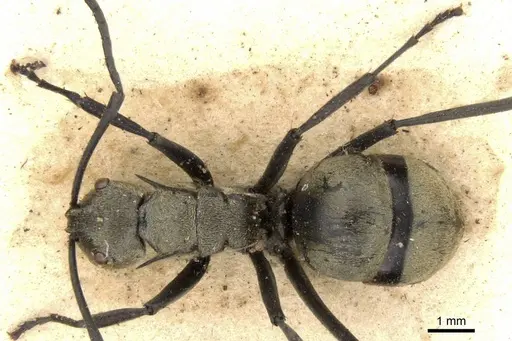
FOCOL0457
View on AntWeb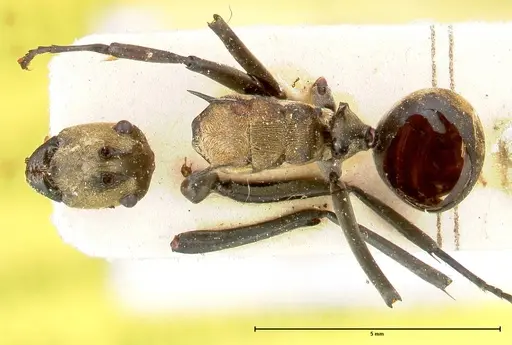
FOCOL2618
View on AntWeb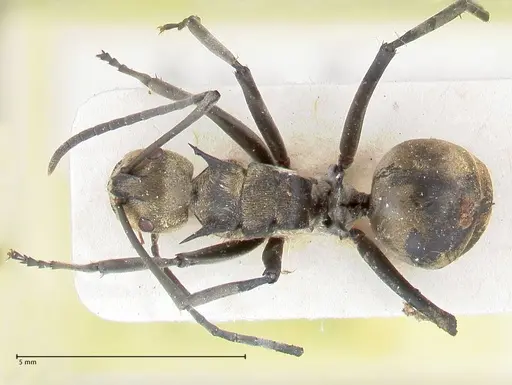
FOCOL2619
View on AntWeb
FOCOL2623
View on AntWeb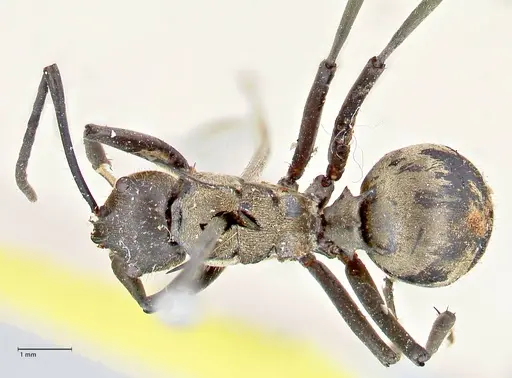
Literature
Loading...Loading products...