

Polyrhachis cybele
- Scientific Name
- Polyrhachis cybele
- Subgenus
- Myrma
- Tribe
- Camponotini
- Subfamily
- Formicinae
- Author
- Wheeler, 1919
- Distribution
- Found in 1 countries
Polyrhachis cybele Overview
Polyrhachis cybele is an ant species of the genus Polyrhachis. It is primarily documented in 1 countries , including Indonesia. Detailed taxonomic data and occurrence records can be further explored via authoritative databases such as AntWeb or the Global Biodiversity Information Facility (GBIF).
Polyrhachis cybele
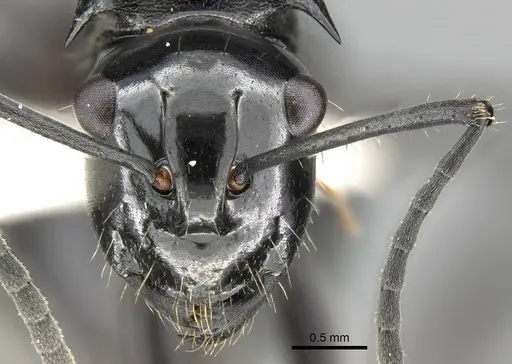
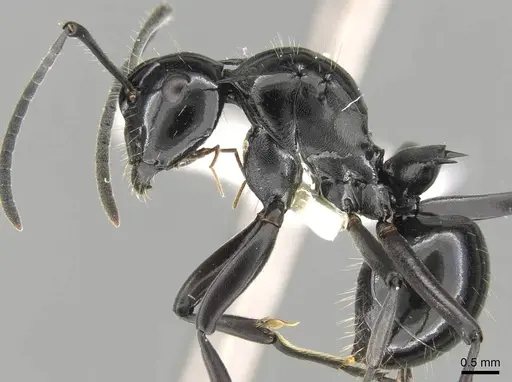
Polyrhachis cybele is a medium-sized spiny ant from Southeast Asia, measuring 5.96-7.96mm for workers and around 8.26mm for queens [1]. They belong to the Polyrhachis aculeata species-group, characterized by their distinctive pronotal and petiolar spines that are shorter and thicker compared to related species like P. aculeata [1]. The body is broad with a highly polished, smooth appearance, and the appendages are medium to dark reddish-brown [1]. This species occurs across Borneo, Sumatra, Java, Sulawesi, and the Philippines, where they inhabit tropical forest environments [1][2]. What makes P. cybele stand out is the variation between populations, Sulawesi specimens have broader pronotums and shorter antennal scapes, while Java specimens are notably more slender than those from Borneo and Sumatra [1].
Quick Summary
- Difficulty: Medium
- Origin & Habitat: Southeast Asia, Borneo, Sumatra, Java, Sulawesi, and Philippines. Inhabits tropical forest environments [1][2].
- Colony Type: Colony structure is not well-documented in scientific literature. Based on genus patterns, likely single-queen (monogyne) colonies with ergatoid replacement reproductives possible.
- Colony: Monogyne
- Size & Growth:
- Queen: 8.26 mm [1]
- Worker: 5.95-7.96 mm [1]
- Colony: Unknown, estimated moderate colony size based on related Polyrhachis species
- Growth: Moderate, inferred from tropical Polyrhachis patterns
- Development: 6-10 weeks, estimated based on related tropical Formicinae species (Development time is estimated as no specific study exists for this species. Tropical species typically develop faster than temperate ones.)
- Antkeeping:
- Temperature: Keep at 24-28°C. Being a tropical species from Southeast Asia, they need warm conditions. A heating cable on one side of the nest creates a suitable gradient.
- Humidity: High humidity, aim for 70-85%. These ants come from damp tropical forests. Keep the nest substrate consistently moist but not waterlogged. Misting occasionally helps maintain humidity.
- Diapause: No, as a tropical species, they do not require hibernation. Keep temperatures stable year-round.
- Nesting: In nature, Polyrhachis often nest in rotting wood, under bark, or in pre-existing cavities. In captivity, Y-tong (AAC) nests or naturalistic setups with rotting wood pieces work well. They prefer tight, enclosed spaces. Avoid dry, arid setups.
- Behavior: Polyrhachis ants are generally moderate in temperament, not particularly aggressive but will defend their nest if threatened. Workers are active foragers, searching for honeydew and small prey. They have spines for defense which makes them less likely to bite or sting compared to some other ants. Escape risk is moderate due to their medium size, standard escape prevention measures are sufficient. They are diurnal and actively forage during the day.
- Common Issues: tropical humidity requirements mean mold can be a problem if ventilation is poor, balance is key, wild-caught colonies may carry parasites that can decimate the colony in captivity, slow initial colony growth can lead to overfeeding and mold issues in the outworld, temperature drops below 22°C can slow or stop brood development, queens may be difficult to establish in captivity if semi-claustral, they may need access to protein prey during founding
Nest Preferences
Polyrhachis cybele naturally nests in rotting wood, under loose bark, or in pre-existing cavities in tropical forest environments. In captivity, they do well in Y-tong (acrylic) nests or naturalistic setups that mimic these conditions. They prefer chambers that are snug rather than spacious, these ants feel secure in tight, enclosed spaces. Avoid dry, 硬 substrate, they need some moisture retention. A layer of damp soil or coco fiber as substrate works well. If using a naturalistic setup, include pieces of rotting wood or bark for them to explore and nest under. Test tube setups can work for founding colonies but may need upgrading as the colony grows due to their moderate size. [1]
Feeding and Diet
In the wild, Polyrhachis ants are omnivorous, feeding on honeydew from aphids and scale insects, small insects, and occasionally plant nectar. In captivity, offer a varied diet: sugar water or honey should be available constantly, along with protein sources like mealworms, small crickets, or fruit flies twice weekly. They are not picky eaters and typically accept most offered foods. For founding colonies, ensure protein is available, semi-claustral queens often need to hunt during the founding stage. Remove uneaten prey after 24-48 hours to prevent mold. Fresh water should always be accessible.
Temperature and Care
As a tropical species from Southeast Asia, Polyrhachis cybele requires warm temperatures to thrive. Keep the nest area at 24-28°C for optimal brood development. A slight temperature gradient (warm end around 28°C, cooler end around 24°C) allows the ants to self-regulate. Use a heating cable or heating mat on one side of the nest, place it on top of the nest, not underneath, to avoid drying out the substrate. Room temperature alone (around 20-22°C in most homes) may be too cool and can slow colony growth significantly. Monitor with a thermometer placed near the nest. They do not require any winter cooling or diapause.
Behavior and Temperament
Polyrhachis cybele is a moderately active species with a generally calm temperament. Workers are day-active foragers, readily exploring their outworld for food. Their distinctive spines serve as a primary defense mechanism, when threatened, they can raise their abdomen to present the spines. They are not particularly aggressive and rarely bite, making them manageable in captivity. Workers communicate through chemical trails and can recruit nestmates to food discoveries. They are moderate escape artists, not as prone to escaping as tiny ants, but standard barrier methods like Fluon on the rim of the formicarium should still be used. Colony activity typically increases with warmer temperatures and when food is introduced. [1]
Colony Founding
The founding behavior of Polyrhachis cybele has not been specifically documented in scientific literature. Based on genus patterns for Polyrhachis species, queens are typically semi-claustral, meaning they may need to leave the nest occasionally to hunt for protein food during the founding stage, unlike fully claustral species that seal themselves in and survive on stored fat reserves alone. When establishing a wild-caught queen, provide her with a small hunting area and offer small prey items like fruit flies or pinhead crickets. Keep founding colonies in a quiet, dark location with stable humidity and temperature. Expect 2-4 weeks before eggs appear, and 6-10 weeks until the first workers (nanitics) emerge.
Growth and Development
Colony growth is moderate, not as fast as some tropical species but faster than temperate ants. The queen lays eggs continuously once established, with brood development taking approximately 6-10 weeks from egg to worker at optimal temperatures. Nanitics (first workers) are typically smaller than mature workers but quickly forager and help care for subsequent brood. A healthy colony can reach several hundred workers over 1-2 years. Growth rate depends heavily on temperature, cooler conditions significantly slow development. Feeding frequency should increase as the colony grows, but always remove uneaten food to prevent mold. Colonies are long-lived, with queens potentially living 10-15 years in captivity.
Frequently Asked Questions
How long does it take for Polyrhachis cybele to produce first workers?
Expect first workers (nanitics) to emerge in 6-10 weeks after eggs are laid, assuming optimal temperature of 24-28°C. This is an estimate based on related tropical Formicinae species, as specific development data for P. cybele is not available.
What do Polyrhachis cybele ants eat?
They are omnivorous. Offer sugar water or honey constantly for energy, and protein sources like small insects (mealworms, fruit flies, small crickets) twice weekly. They readily accept most offered foods and are not picky eaters.
What temperature do Polyrhachis cybele need?
Keep them warm at 24-28°C. This tropical species needs consistent warmth for optimal brood development. A heating cable on one side of the nest creates a suitable gradient. Room temperature alone is likely too cool.
Are Polyrhachis cybele good for beginners?
They are rated as medium difficulty. They require warm, humid tropical conditions which can be challenging to maintain consistently. However, they are not aggressive and have manageable escape risk. If you have experience with other tropical ants, they are a good choice.
Do Polyrhachis cybele need hibernation?
No. As a tropical species from Southeast Asia, they do not require hibernation or winter cooling. Keep temperatures stable year-round in the 24-28°C range.
Can I keep multiple Polyrhachis cybele queens together?
Colony structure is not well-documented for this species. Based on genus patterns, they are likely monogyne (single queen). Combining unrelated queens is not recommended as it often leads to fighting. If you obtain a wild-caught colony, assume single-queen structure.
When should I move Polyrhachis cybele to a formicarium?
Keep them in a test tube or small container for the founding stage. Once the colony reaches 30-50 workers and the test tube becomes crowded, transfer to a Y-tong or naturalistic setup. They prefer snug chambers, so avoid oversized formicaria.
Why is my Polyrhachis cybele colony not growing?
The most common causes are: temperatures below 24°C (slows or stops brood development), low humidity (causes desiccation stress), insufficient protein (queen needs food to produce eggs), or parasites (common in wild-caught colonies). Check these parameters and adjust accordingly.
What size colony do Polyrhachis cybele reach?
Colony size is not specifically documented, but based on related Polyrhachis species, expect several hundred workers at maturity. They are moderate growers, reaching this size in 1-2 years under optimal conditions.
References

This caresheet is licensed under CC BY-SA 4.0 .
CASENT0906802
View on AntWeb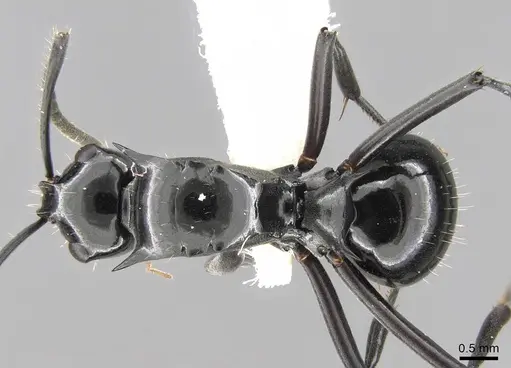
Literature
Loading...Loading products...