

Polyrhachis aculeata
- Scientific Name
- Polyrhachis aculeata
- Subgenus
- Myrma
- Tribe
- Camponotini
- Subfamily
- Formicinae
- Author
- Mayr, 1879
- Distribution
- Found in 1 countries
Polyrhachis aculeata Overview
Polyrhachis aculeata is an ant species of the genus Polyrhachis. It is primarily documented in 1 countries , including India. Detailed taxonomic data and occurrence records can be further explored via authoritative databases such as AntWeb or the Global Biodiversity Information Facility (GBIF).
Polyrhachis aculeata
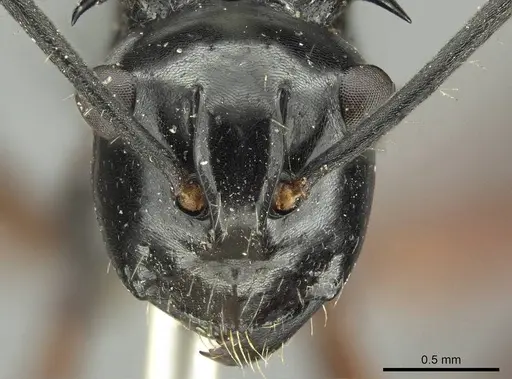
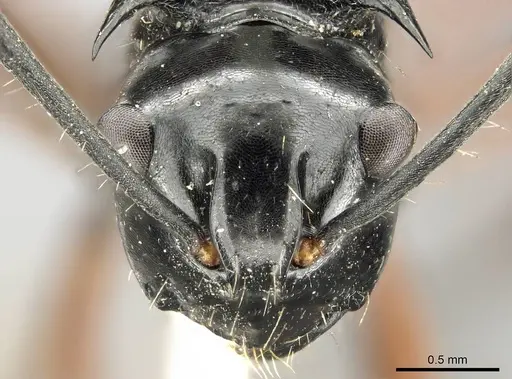
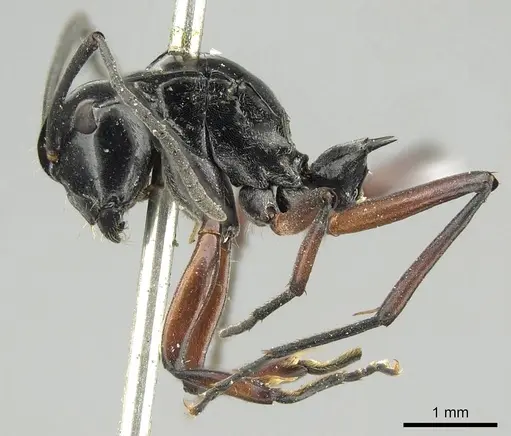
Polyrhachis aculeata is a medium-sized ant species belonging to the Formicinae subfamily. Workers measure 6.4-6.8 mm in total length, making them a substantial size compared to many common house ants. They feature distinctive long, slender spines on the pronotum and petiole, which gives them their common name. The body is jet-black with reddish-brown legs and base of the gaster, and is covered in relatively long, erect or semierect hairs. The eyes are strongly truncate (cut off at the posterior edge). This species belongs to the aculeata species-group within the subgenus Myrma [1][2].
This species is known from India, Sri Lanka, and the Philippines, making it a tropical to subtropical ant from the Indomalaya region [2][3]. Unfortunately, nothing specific is known about the biology of this species, we don't have direct observations of their colony structure, founding behavior, or captive care requirements. However, being a Polyrhachis, they likely share traits with related species in this genus, which are generally arboreal or semi-arboreal ants known for their relatively docile temperament and elaborate nest construction using plant material and debris.
Quick Summary
- Difficulty: Unknown, no captive husbandry data available
- Origin & Habitat: Native to the Indomalaya region: India, Sri Lanka, and the Philippines. Found in tropical and subtropical environments [2][3].
- Colony Type: Unknown, colony structure has not been documented in scientific literature
- Size & Growth:
- Queen: Undescribed in literature, estimated 10-12mm based on genus patterns
- Worker: 6.4-6.8 mm [1][2]
- Colony: Unknown, no colony size data available
- Growth: Unknown, no development data available
- Development: Unknown, no direct measurements exist. Based on typical Polyrhachis patterns in tropical conditions, estimate 6-10 weeks at warm temperatures. (This is a rough estimate based on genus-level data, not species-specific research.)
- Antkeeping:
- Temperature: As a tropical/subtropical species from India and Sri Lanka, keep them warm. Aim for 24-28°C as a starting point and observe colony activity. Room temperature (22-25°C) is likely suitable. Provide a gentle temperature gradient if possible.
- Humidity: Tropical species require higher humidity. Keep nest substrate moderately moist but not waterlogged. Mist occasionally and provide a water tube. Aim for 60-80% humidity range.
- Diapause: Unknown, no research on overwintering requirements. As a tropical species from low latitudes, they likely do not require true hibernation. They may reduce activity during cooler months.
- Nesting: Polyrhachis ants are often semi-arboreal, building nests in vegetation, under bark, or in hollow twigs. In captivity, they do well in naturalistic setups with plant material, or acrylic/plaster nests with some organic material. They may not need very high humidity like some rainforest species.
- Behavior: Polyrhachis ants are generally known for being relatively docile and non-aggressive compared to many Formicinae. Workers are active foragers but not particularly defensive. They may construct nests using plant debris and silk in nature. Escape risk is moderate, their 6-8mm size means they cannot squeeze through standard test tube barriers, but ensure connections are secure. They are not known for painful stings.
- Common Issues: no biological data exists, this is a completely unstudied species in captivity, lack of husbandry guides means you'll be pioneering care for this species, tropical origin means they are sensitive to temperature drops, keep warm, wild-caught colonies may have parasites or diseases with no documented treatment, very limited availability in the antkeeping hobby
Species Identification and Appearance
Polyrhachis aculeata is a distinctive species within the aculeata-group. Workers are relatively large at 6.4-6.8 mm total length, making them one of the larger Polyrhachis species you'll encounter. The most striking features are the long, slender pronotal spines (more than twice as long as their basal width) and the relatively long dorsal petiolar spines. The body is covered in numerous relatively long erect to semi-erect hairs, this pilosity is quite distinctive and helps separate them from similar species like P. hemiopticoides, which only has hairs on the head and gastral apex. The legs and base of the gaster are reddish-brown while the rest of the body is dark. The eyes are strongly truncate, meaning they appear cut off at the posterior edge [1][2].
This species was originally described by Mayr in 1879 from India, with the holotype worker missing its gaster but otherwise in reasonable condition. The queen was described later by Emery in 1887,and the male by Forel in 1893 [2].
Natural Distribution and Habitat
Polyrhachis aculeata is found across the Indomalaya region, specifically documented from India, Sri Lanka, and the Philippines. In India, it appears to be more common in the southern regions based on ant surveys. The Philippines records include Mindanao (Misamis Oriental) and Negros islands [2][3].
As a tropical to subtropical species from these regions, they inhabit warm, humid environments. While specific habitat data is lacking for this species, other Polyrhachis species are often found in forested areas, sometimes arboreally in trees and shrubs, or under bark on tree trunks. The climate in their range is consistently warm year-round with high humidity, so captive conditions should reflect this.
What We Don't Know - Research Gaps
This is one of the most poorly documented ant species in the hobby. Literally nothing has been published about the biology of Polyrhachis aculeata, we don't know their colony size, queen behavior, founding process, diet preferences, or any aspect of their natural history. This is both a challenge and an opportunity for antkeepers.
We can make educated guesses based on the genus. Polyrhachis ants are in the subfamily Formicinae (same as Camponotus and Lasius). Most Formicinae are claustral founders, the queen seals herself in a chamber and lives off stored fat until her first workers emerge. Polyrhachis species are generally more arboreal and may construct nests from plant material and debris, sometimes using silk to bind leaves together. But these are inferences from related species, not confirmed facts for P. aculeata specifically.
If you obtain this species, you'll be essentially pioneering its captive care. Document your observations carefully, the antkeeping community would benefit greatly from any documented husbandry success with this species.
Housing and Nesting Recommendations
Based on general Polyrhachis husbandry patterns (not species-specific data), here are recommendations for housing this ant. Since they're from tropical regions and likely semi-arboreal, a naturalistic setup works well, a formicarium with some plant material, twigs, or leaf litter that they can use for nest construction. Acrylic or plaster nests also work well, provided humidity is maintained.
Given their 6-8mm worker size, standard test tubes work for founding colonies, but you may want to move them to a larger setup once the colony reaches 15-20 workers. They are moderate escape artists, not tiny enough to squeeze through standard test tube openings, but ensure all connections are secure.
Temperature should be kept warm (24-28°C) with a gradient if possible. Humidity should be moderate to high (60-80%). A water tube should always be available.
Feeding and Diet
Polyrhachis ants are omnivorous like most Formicinae, but specific dietary preferences for P. aculeata are unknown. Based on genus patterns, they likely consume honeydew (so sugar water or honey is usually accepted), small insects (flightless fruit flies, small crickets, mealworms), and may scavenge on dead insects.
For a new colony, offer a drop of sugar water or honey and observe if workers accept it within 24 hours. Protein should be offered 2-3 times per week in small amounts. Remove uneaten prey after 24-48 hours to prevent mold. Since we don't have specific data on this species, be prepared to experiment with different food types and monitor what they prefer.
Frequently Asked Questions
How difficult is Polyrhachis aculeata to keep?
The difficulty level is essentially unknown since this species has no documented captive husbandry history. Based on being a tropical Polyrhachis, it likely falls in the intermediate range, not as hardy as Lasius or Camponotus species that have extensive husbandry data, but not as delicate as some specialized rainforest species. Expect a learning curve as you pioneer care for this species.
What do Polyrhachis aculeata ants eat?
Specific diet is unknown, but like most Polyrhachis and Formicinae ants, they are omnivorous. Offer sugar sources (honey water, sugar water) and protein (small insects like fruit flies, pinhead crickets, mealworms). Start with sugar water and observe acceptance, then add protein sources.
What temperature do Polyrhachis aculeata need?
As a tropical species from India, Sri Lanka, and the Philippines, keep them warm. Aim for 24-28°C as a starting point. Room temperature (22-25°C) is likely acceptable. Avoid temperatures below 20°C. Provide a gentle gradient if your setup allows.
How big do Polyrhachis aculeata colonies get?
Colony size is unknown, no scientific data exists on maximum colony size for this species. Based on worker size and genus patterns, they likely reach several hundred workers at maturity, but this is an estimate.
Can I keep multiple Polyrhachis aculeata queens together?
We don't know the natural colony structure of this species. Polyrhachis species can be either single-queen (monogyne) or multi-queen (polygyne) depending on the species. Do not attempt combining unrelated foundress queens without research specific to this species, many ants fight when colonies merge.
How long does it take for Polyrhachis aculeata to produce first workers?
The egg-to-worker timeline is completely unstudied for this species. Based on typical Polyrhachis development in warm tropical conditions, estimate 6-10 weeks from egg to first worker, but this is a rough guess. Claustral founding (queen seals herself in and raises first brood alone) is typical for Formicinae but not confirmed for this species.
Do Polyrhachis aculeata need hibernation?
As a tropical species from low latitudes (India, Sri Lanka, Philippines), they likely do not require true hibernation. They may reduce activity during cooler periods, but a full diapause is probably not necessary. Keep temperatures consistent year-round.
What size nest should I use for Polyrhachis aculeata?
For a founding queen, a standard test tube setup works. Once the colony reaches 15-30 workers, transition to a small formicarium or acrylic nest. Polyrhachis often appreciate some plant material or organic debris in their nest space. Scale the nest to colony size, too large a space can stress small colonies.
Where can I get Polyrhachis aculeata ants?
This species appears to be quite rare in the antkeeping hobby. You would likely need to find a supplier specializing in exotic Asian or Polyrhachis species. Wild collection may be possible in their native range (with appropriate permits), but captive-bred colonies are extremely uncommon. Check with specialty ant breeders.
References

This caresheet is licensed under CC BY-SA 4.0 .
CASENT0915814
View on AntWeb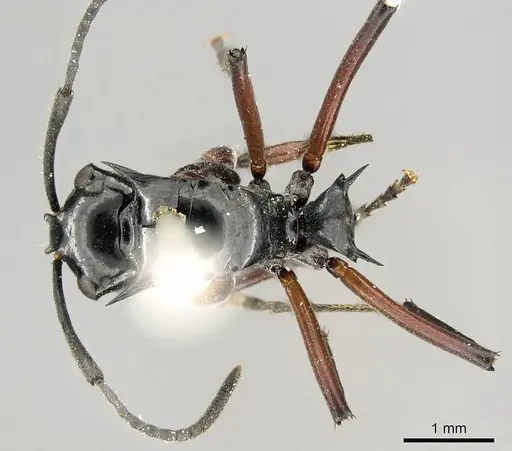
Literature
Loading...Loading products...