

Polyrhachis crawleyi
- Scientific Name
- Polyrhachis crawleyi
- Subgenus
- Hagiomyrma
- Tribe
- Camponotini
- Subfamily
- Formicinae
- Author
- Forel, 1916
- Distribution
- Found in 1 countries
Polyrhachis crawleyi Overview
Polyrhachis crawleyi is an ant species of the genus Polyrhachis. It is primarily documented in 1 countries , including Australia. Detailed taxonomic data and occurrence records can be further explored via authoritative databases such as AntWeb or the Global Biodiversity Information Facility (GBIF).
Polyrhachis crawleyi
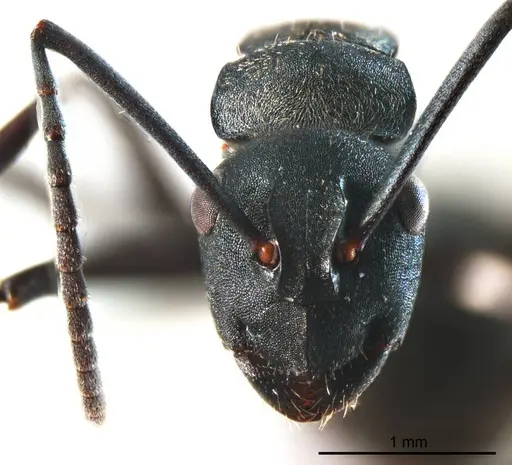
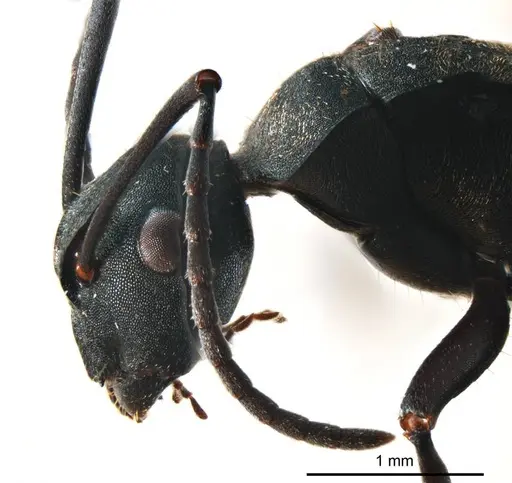
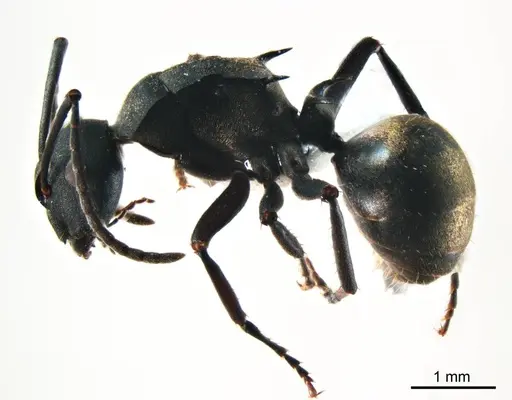
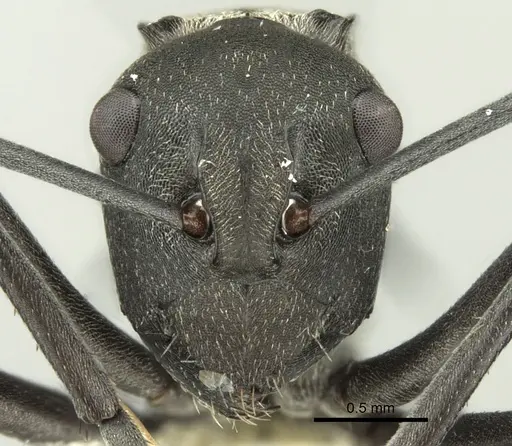
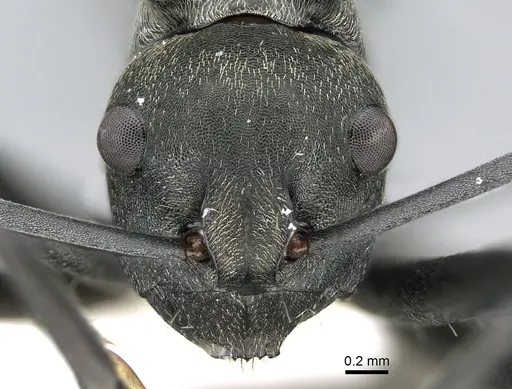
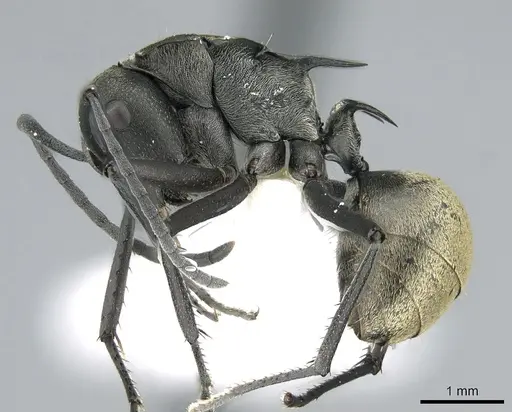
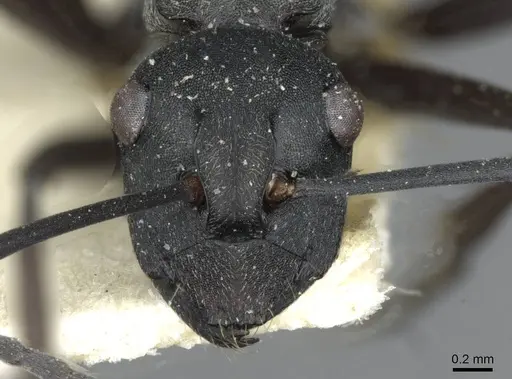
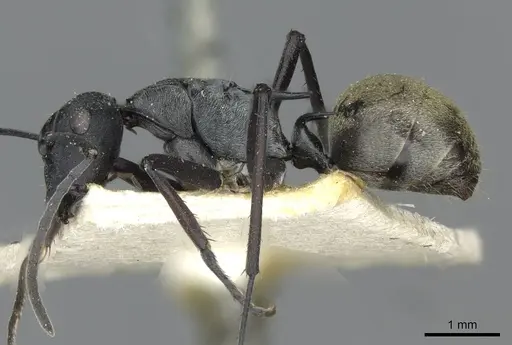
Polyrhachis crawleyi is a medium-sized ant native to northern Australia, workers measuring 6.2-8.0mm with a distinctive appearance featuring long, slender spines on the propodeum and petiole. The body is covered in very fine, somewhat dilute silvery pubescence that gives them a subtle metallic sheen. They are black with very dark reddish-brown mandibular teeth and appendages. This species belongs to the penelope species-group within the subgenus Hagiomyrma and is closely related to Polyrhachis ammonoeides, but P. crawleyi is notably smaller. [1]
These ants are ground-nesting specialists found in open eucalypt forests and savannah woodlands across northern Australia, from the Kimberley region to Cape York Peninsula. Unlike many Polyrhachis species that nest in trees or vegetation, P. crawleyi prefers patches of bare ground without grass cover to excavate their subterranean nests. [1][2]
Quick Summary
- Difficulty: Medium
- Origin & Habitat: Northern Australia, open eucalypt forests and savannah woodlands from Kimberley region to Cape York Peninsula. They prefer patches of bare ground without grass cover for nest excavation. [1][2]
- Colony Type: Colony structure is unconfirmed. As a Polyrhachis species, they likely establish single-queen colonies, though this has not been directly documented.
- Size & Growth:
- Queen: Approximately 9.83 mm [2]
- Worker: 6.2-8.0 mm (TL), HL 1.53-1.90 mm [1]
- Colony: Unknown, no colony size data available
- Growth: Moderate, based on typical Polyrhachis growth patterns
- Development: Estimated 8-12 weeks based on related Polyrhachis species development at optimal temperature (Development time is inferred from genus-level data since species-specific development has not been studied. Polyrhachis species typically have pupal cocoons, which may slightly extend development compared to cocoon-less species.)
- Antkeeping:
- Temperature: Keep at 24-28°C. Being from tropical northern Australia, they prefer warm conditions. A heating cable on one side of the nest creates a suitable gradient.
- Humidity: Moderate humidity around 50-70%. As ground-nesting ants, they prefer drier conditions than arboreal Polyrhachis. Allow the nest substrate to dry partially between rehydrations.
- Diapause: Likely minimal or none required. Northern Australia experiences mild winters, so a short cool period (4-6 weeks at 15-18°C) may be beneficial but is not strictly necessary.
- Nesting: Ground-nesting species. A naturalistic setup with a soil chamber or a Y-tong/plaster nest with a dirt chamber works well. They prefer compact nesting areas with some open space for foraging. Avoid overly humid conditions that can cause mold.
- Behavior: Workers are moderately active and forage on the ground. They are not particularly aggressive but will defend the nest if threatened. Escape risk is moderate, these are medium-sized ants, so standard escape prevention with tight-fitting lids and barrier gel works well. They are not known to be escape artists like some tiny species.
- Common Issues: mold from excessive humidity, they prefer drier conditions than many Polyrhachis, cold temperatures can slow or stop brood development, wild-caught colonies may be difficult to establish due to unknown collection conditions, limited availability in the antkeeping hobby makes this a less common species
Nest Preferences
Polyrhachis crawleyi is a ground-nesting species that prefers patches of bare ground without grass cover for excavating their subterranean nests. [1] In captivity, they do well in naturalistic setups with a soil chamber or in Y-tong/plaster nests that include a dirt area. The nest should have compact chambers rather than overly spacious ones. Because they come from relatively dry open woodlands, they prefer conditions that are drier than many other Polyrhachis species, avoid overly humid setups that can lead to mold problems. A small water reservoir in the nest setup maintains adequate humidity without creating constant dampness.
Feeding and Diet
Polyrhachis ants are typically omnivorous, feeding on honeydew, nectar, and small insects. In captivity, offer a mix of sugar sources (honey water, sugar water) and protein (small crickets, mealworms, fruit flies). They are ground-foragers, so place food in the outworld rather than inside the nest. Feed protein 2-3 times per week and keep sugar water available at all times. Remove uneaten prey after 24-48 hours to prevent mold.
Temperature and Care
Being native to tropical northern Australia, Polyrhachis crawleyi prefers warm conditions. Keep the nest area at 24-28°C for optimal brood development. A heating cable placed on top of one side of the nest creates a temperature gradient that allows the ants to regulate their own temperature. They are not particularly humidity-sensitive but appreciate a moderate moisture level in the nest substrate, think dry woodland floor rather than rainforest. Room temperature (22-25°C) is often acceptable if your home runs warm.
Behavior and Temperament
Workers are moderately active and primarily forage on the ground surface. They are not particularly aggressive toward keepers but will defend their nest if disturbed. The long spines on the propodeum and petiole give them a distinctive appearance and may serve a defensive function. These ants are not known for being particularly shy or reclusive, you should see regular foraging activity once the colony is established. Standard escape prevention measures work well since they are medium-sized ants, not tiny escape artists.
Frequently Asked Questions
How long does it take for Polyrhachis crawleyi to produce first workers?
Based on typical Polyrhachis development, expect first workers (nanitics) approximately 8-12 weeks after the queen lays eggs, assuming optimal temperature around 26°C. This is an estimate since species-specific development data is not available.
What temperature do Polyrhachis crawleyi ants need?
Keep them at 24-28°C. Being from tropical northern Australia, they prefer warm conditions. A heating cable on one side of the nest creates a gradient. Room temperature is often acceptable if your home is in the low-to-mid 20s°C.
Can I keep Polyrhachis crawleyi in a test tube?
A test tube setup can work for founding colonies, but you will need to move them to a more spacious setup as the colony grows. A naturalistic setup with a soil chamber or a Y-tong nest with a dirt area is ideal for established colonies since they are ground-nesting ants.
Are Polyrhachis crawleyi good for beginners?
This species is rated as medium difficulty. They are less commonly available than some other ant species and have specific nesting preferences (ground-nesting, preferring drier conditions), which makes them better suited for keepers with some experience. However, they are not particularly difficult to care for once established.
Do Polyrhachis crawleyi need hibernation?
Likely not required or minimal. Northern Australia has mild winters, so a short cool period (4-6 weeks at 15-18°C) may be beneficial but is not strictly necessary. Monitor your colony, if they remain active through winter, no hibernation is needed.
What do Polyrhachis crawleyi eat?
They are omnivorous. Offer sugar sources (honey water, sugar water) continuously and protein (small insects like crickets, mealworms, fruit flies) 2-3 times per week. They forage on the ground, so place food in the outworld.
How big do Polyrhachis crawleyi colonies get?
Colony size data is not available for this species. Based on typical Polyrhachis patterns, colonies likely reach several hundred workers over several years. They are not known for producing supercolonies.
Why is my Polyrhachis crawleyi colony dying?
Common issues include excessive humidity (they prefer drier conditions), temperatures that are too cold (below 22°C can slow development), and mold from overwatering. Make sure the nest substrate dries partially between waterings and maintain warm temperatures. Wild-caught colonies may also struggle due to collection stress.
When should I move my Polyrhachis crawleyi to a formicarium?
Move them when the test tube or founding setup becomes crowded, typically when you see 20-30+ workers and the water reservoir is running low. They do well in naturalistic setups with soil or in Y-tong nests with dirt chambers.
References

This caresheet is licensed under CC BY-SA 4.0 .
ANTWEB1008703
View on AntWeb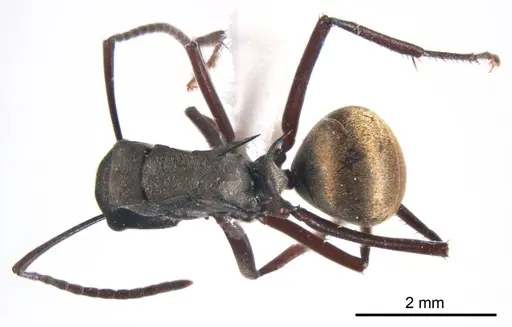
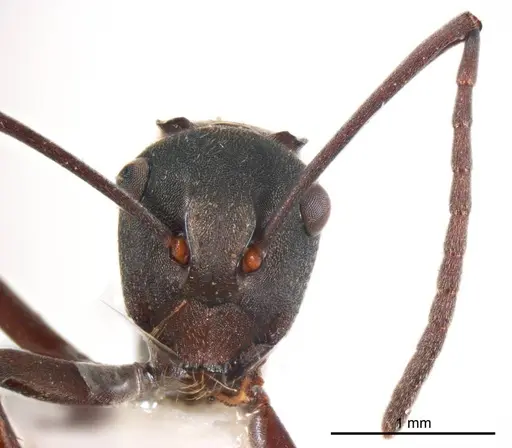
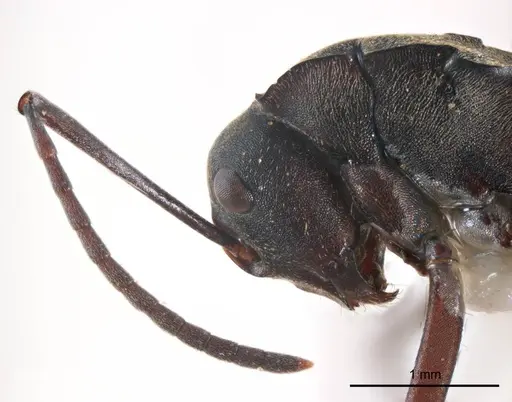
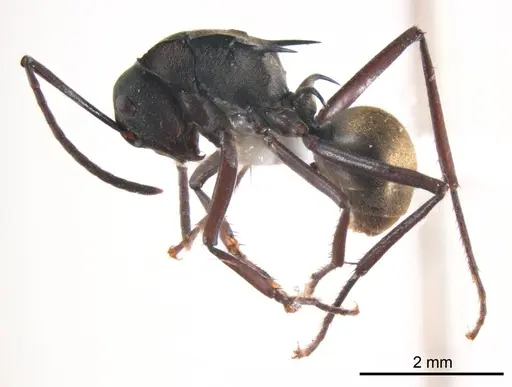
ANTWEB1008704
View on AntWeb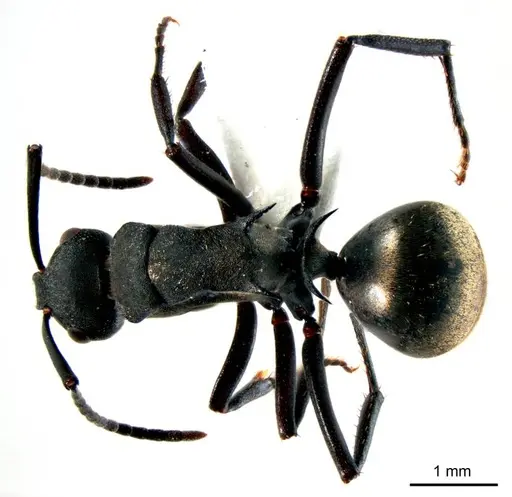
CASENT0906588
View on AntWeb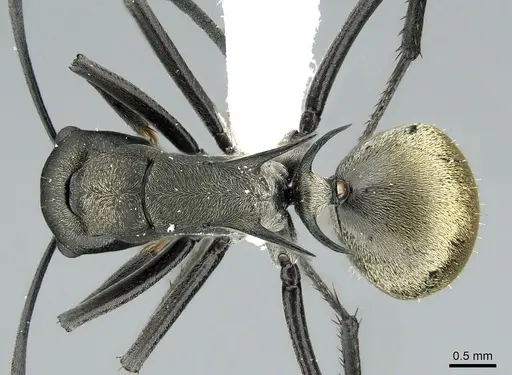
CASENT0910803
View on AntWeb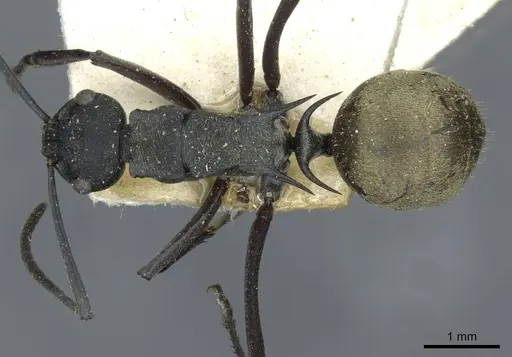
Literature
Loading...Loading products...