

Polyrhachis ammonoeides
- Scientific Name
- Polyrhachis ammonoeides
- Subgenus
- Hagiomyrma
- Tribe
- Camponotini
- Subfamily
- Formicinae
- Author
- Roger, 1863
- Distribution
- Found in 1 countries
Polyrhachis ammonoeides Overview
Polyrhachis ammonoeides is an ant species of the genus Polyrhachis. It is primarily documented in 1 countries , including Australia. Detailed taxonomic data and occurrence records can be further explored via authoritative databases such as AntWeb or the Global Biodiversity Information Facility (GBIF).
Polyrhachis ammonoeides
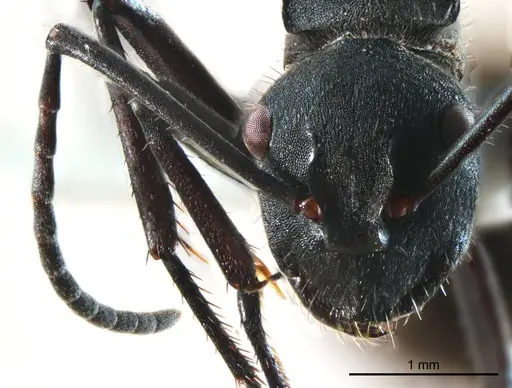
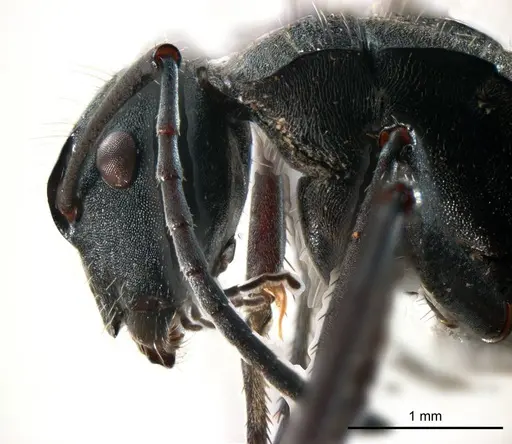
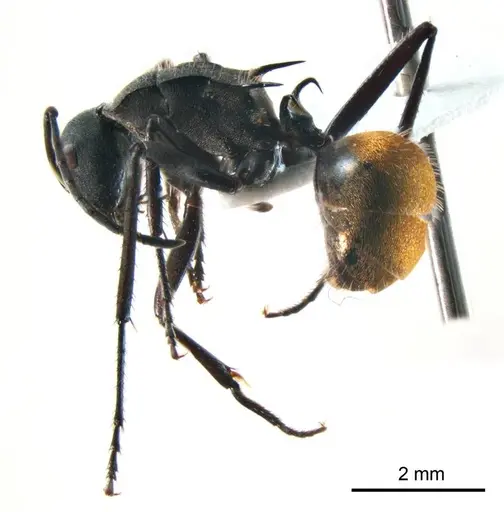
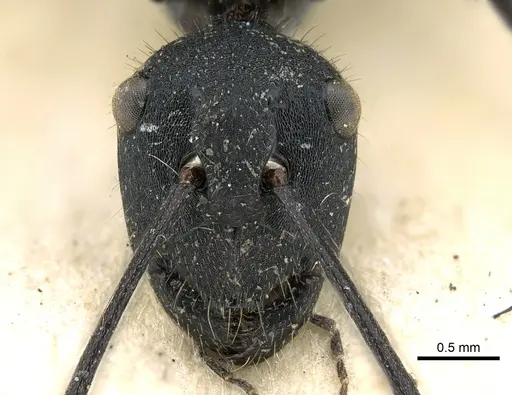
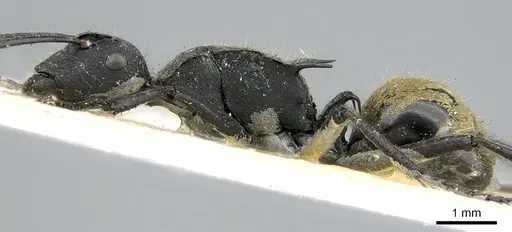
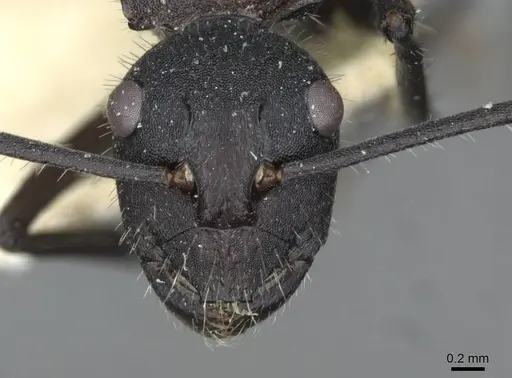
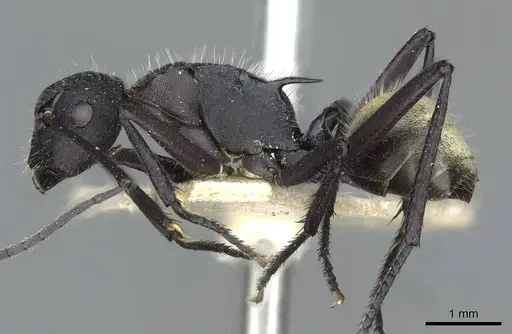
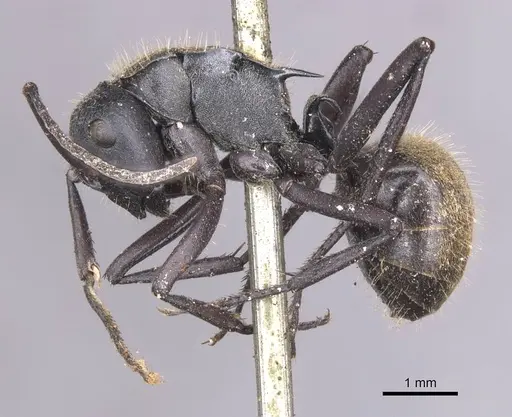
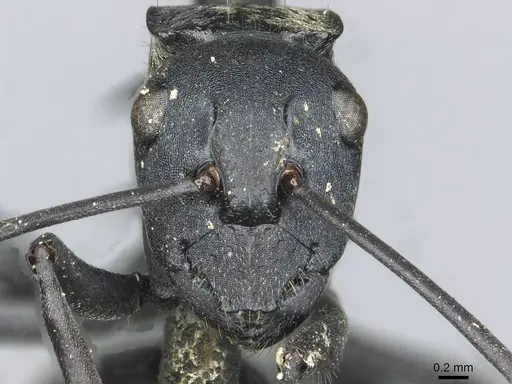
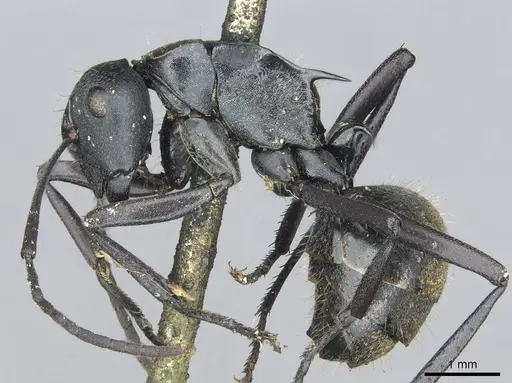
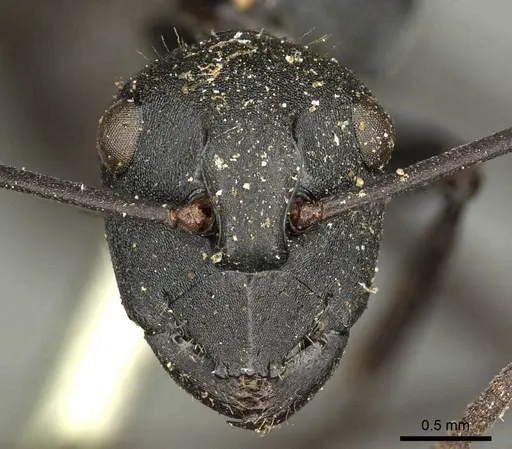
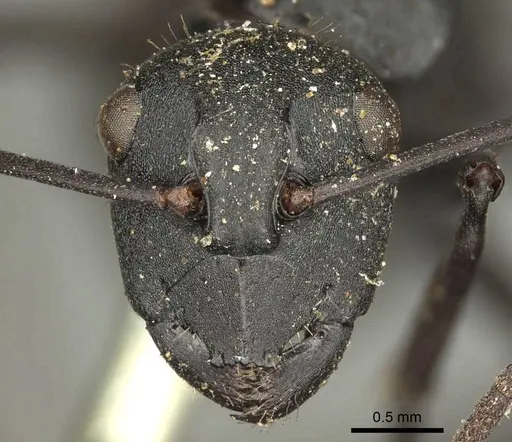
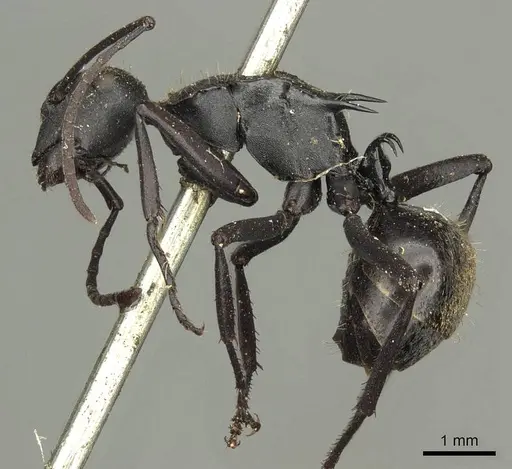
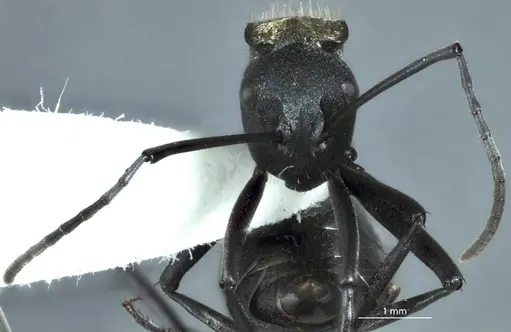
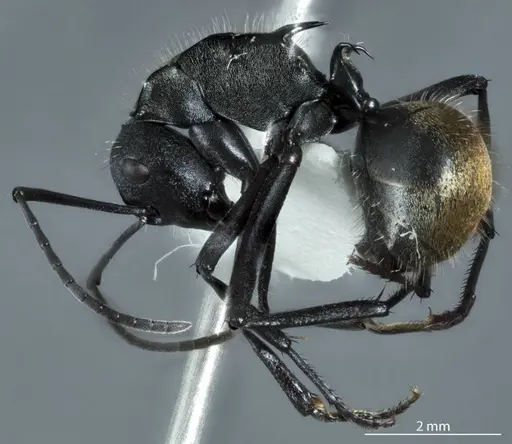
Polyrhachis ammonoeides is a striking medium-sized ant native to the coastal regions of northwestern Australia. Workers measure 6.65-8.52 mm with a distinctive black body and dark reddish-brown legs and mandibles. The species gets its name from the ammon species-group and belongs to the subgenus Hagiomyrma. Queens are larger at 9.68-10.43 mm and closely resemble workers except for sexual characters. The species is recognized by its hooked petiolar spines and the golden hairs that fringe its body, giving it an attractive appearance. This ground-nesting species builds nests in soil and constructs additional nest material from carton, a papier-mâché-like substance made from chewed plant fibers [1][2].
What makes P. ammonoeides particularly interesting is its limited distribution, it occupies a narrow coastal band from Dampier to near Perth, making it one of the more geographically restricted Polyrhachis species in Australia. The species was historically confused with other taxa, with P. chalchas being incorrectly described as a separate species before being synonymized [1]. This is a relatively understudied species in captivity, with immature stages still unknown and limited documentation of its exact colony structure and founding behavior.
Quick Summary
- Difficulty: Medium
- Origin & Habitat: Coastal northwestern Australia, from Dampier to near Perth. This species inhabits the warm, semi-arid to subtropical coastal regions of Western Australia, nesting in the ground in areas that experience hot summers and mild winters [1][3].
- Colony Type: Colony structure is unconfirmed. The species is ground-nesting with carton nest construction, but whether colonies are single-queen (monogyne) or multi-queen (polygyne) has not been documented in the scientific literature.
- Size & Growth:
- Queen: 9.68-10.43 mm [1]
- Worker: 6.65-8.52 mm [1]
- Colony: Unknown, estimates based on related Polyrhachis species suggest moderate colonies of several hundred workers
- Growth: Unknown, likely moderate based on genus patterns
- Development: Unknown, estimates based on related Formicinae species suggest 6-10 weeks at optimal temperature (Development timeline has not been directly studied for this species. Related Polyrhachis species in the subgenus Hagiomyrma typically show moderate development rates.)
- Antkeeping:
- Temperature: Keep at 24-28°C, reflecting their warm coastal Australian habitat. A slight temperature gradient allows workers to regulate their conditions. Room temperature within this range is acceptable, or use a heating cable on one side of the nest for cooler environments.
- Humidity: Moderate humidity around 50-70%. Coastal northwestern Australia has relatively low humidity, so avoid overly damp conditions. Keep the nest substrate lightly moist but allow some drying between waterings.
- Diapause: Unknown, the species occurs in a region with mild winters where temperatures rarely drop significantly. Observe your colony for seasonal slowdowns and adjust care accordingly.
- Nesting: Ground-nesting species that uses carton material to construct nest structures. In captivity, they do well in naturalistic setups with soil or plaster nests that allow for burrowing. Provide a deep enough substrate (at least 5-10 cm) for nest construction. Y-tong nests with soil chambers or acrylic nests with dirt fill also work well.
- Behavior: Polyrhachis ammonoeides is generally calm and not particularly aggressive. Workers are active foragers that search for food both on the ground and on low vegetation. They are moderate escape artists for their size, use standard barrier methods but they are not as prone to escaping as tiny ants. The genus is known for constructing carton galleries, so they may build visible nest structures if provided with suitable materials. They likely communicate through chemical cues and may use tandem-running to recruit nestmates to food sources, as is typical for the genus.
- Common Issues: Limited availability, this species is rarely available in the antkeeping hobby due to its restricted range and limited documentation, Colony founding is slow, as with many Polyrhachis species, founding colonies may take time to establish, Escape risk exists despite moderate size, ensure enclosures are secure with tight-fitting lids, Carton nesting behavior means they need appropriate materials to build, plain acrylic nests without soil may not be ideal, Temperature sensitivity, being from a warm region, they may struggle in cool environments below 20°C
Natural History and Distribution
Polyrhachis ammonoeides is endemic to a relatively narrow coastal band in northwestern Australia, ranging from Dampier in the north to near Perth in the south [1]. This distribution places them in a region characterized by hot, dry summers and mild winters. The species was originally described by Roger in 1863 from Port Jackson (Sydney), but this location was later determined to be incorrect, the actual type locality is Western Australia [1]. The species was subsequently redescribed as Polyrhachis ammonoeides by Forel in 1907 before being synonymized with P. ammonoeides in 1994 [1]. This ant belongs to the ammon species-group within the subgenus Hagiomyrma, a group characterized by their distinctive hooked petiolar spines and golden pubescence. They are considered an attractive species due to their black body with golden hairs and the contrast between their dark body and reddish-brown extremities [3].
Nesting Behavior
P. ammonoeides is a ground-nesting species that builds subterranean nests in soil [1][2]. Like other Polyrhachis species in the subgenus Hagiomyrma, they construct additional nest material from carton, a papier-mâché-like substance made from chewed plant fibers and secretions [2]. This carton material allows them to create galleries and chambers within their nests, providing structural support and moisture regulation. Pupae are enclosed in cocoons, which is typical for the genus [2]. In captivity, provide a deep soil substrate (at least 5-10 cm) to allow for natural burrowing behavior. Naturalistic setups with soil or plaster nests work well, as do acrylic nests filled with dirt. The carton-building behavior means they may create visible structures if provided with suitable organic materials in their enclosure.
Feeding and Diet
While specific dietary studies for P. ammonoeides are lacking, Polyrhachis species are typically omnivorous, feeding on honeydew, nectar, small insects, and other protein sources. In captivity, offer a varied diet including sugar water or honey as an energy source, and protein sources such as mealworms, crickets, or other small insects. Based on genus patterns, they are likely opportunistic foragers that will accept both sweet and protein foods. Feed protein 2-3 times per week and provide constant access to sugar water or honey. Remove uneaten prey after 24-48 hours to prevent mold. Their moderate size (workers up to 8.5 mm) means they can handle prey items larger than what tiny ants would accept.
Temperature and Seasonal Care
As a species from coastal northwestern Australia, P. ammonoeides requires warm conditions. Maintain temperatures between 24-28°C for optimal colony health and activity. This reflects their natural habitat where temperatures are consistently warm for most of the year. A temperature gradient is beneficial, allowing workers to move between warmer and cooler areas of the nest. Use a heating cable placed on top of the nest (never underneath where it can dry out the substrate) if your room temperature falls below their requirements. Regarding winter diapause, the species occurs in a region with mild winters where temperatures rarely drop significantly. Observe your colony for seasonal slowdowns, if they become less active in winter months, you may reduce feeding and allow cooler temperatures (but not below 15°C). If they remain active year-round, maintain consistent warm conditions.
Housing and Setup
For P. ammonoeides, naturalistic setups that mimic their ground-nesting behavior work best. Use a formicarium with a deep soil chamber (at least 5-10 cm of substrate) or a Y-tong nest with soil chambers. The nest should allow for burrowing and carton construction. Provide an outworld area for foraging where you can offer food. Use a water test tube as a humidity source, place it in the outworld or nest area but ensure the cotton is properly sealed to prevent flooding. Escape prevention should be moderate, these are medium-sized ants that cannot squeeze through tiny gaps like tiny species can, but standard barrier methods (fluon on rim, tight-fitting lids) should still be used. A layer of dry substrate in part of the enclosure allows them to regulate humidity by choosing where to nest.
Frequently Asked Questions
How long does it take for Polyrhachis ammonoeides to produce first workers?
The exact development timeline is unknown for this species. Based on related Polyrhachis species in the subgenus Hagiomyrma and typical Formicinae development, expect approximately 6-10 weeks from egg to first worker at optimal temperature (24-28°C). Founding colonies may take several months to establish, so patience is required.
What do Polyrhachis ammonoeides eat?
Like most Polyrhachis species, they are omnivorous. Offer sugar water or honey as a constant energy source, and protein sources such as mealworms, small crickets, or other insects 2-3 times per week. They are moderate-sized ants that can handle prey items that are larger than what tiny ants would accept.
Are Polyrhachis ammonoeides good for beginners?
This species is rated as Medium difficulty. While not the most challenging species, it is rarely available in the antkeeping hobby and has limited documented care information. Beginners may find the slow colony establishment and specific temperature requirements challenging. If you're experienced with medium-sized ants and can provide warm conditions, this can be a rewarding species to keep.
What type of nest is best for Polyrhachis ammonoeides?
Naturalistic setups with deep soil substrate (at least 5-10 cm) work best, as this is a ground-nesting species that builds carton structures. Y-tong nests with soil chambers or acrylic nests filled with dirt are suitable options. The key is providing enough depth for burrowing and materials for carton construction.
Can I keep multiple queens together?
The colony structure (monogyne vs polygyne) has not been documented for this species. Without documented evidence of multi-queen colonies, it is not recommended to house multiple unrelated queens together. If you obtain a queen, house her alone for founding until the first workers emerge.
Do Polyrhachis ammonoeides need hibernation?
Hibernation requirements are unknown. This species comes from a region with mild winters where temperatures rarely drop significantly. Observe your colony for seasonal slowdowns, if they remain active year-round, maintain consistent warm conditions. If they show reduced activity in winter, you may reduce temperatures slightly (but not below 15°C) and reduce feeding.
How big do Polyrhachis ammonoeides colonies get?
Exact colony size is unknown for this species. Based on related Polyrhachis species, colonies likely reach several hundred workers over time. They are not known for forming supercolonies. Growth rate is estimated as moderate.
Why are my Polyrhachis ammonoeides dying?
Common causes include: temperatures below 20°C (they need warmth), overly dry or overly wet substrate, insufficient protein leading to starvation, mold from uneaten food, or stress from excessive disturbance. Review your temperature, humidity, and feeding regimen. Founding colonies are particularly sensitive and may fail without apparent cause, this is common in less-studied species.
Where can I get Polyrhachis ammonoeides?
This species is rarely available in the antkeeping hobby due to its restricted range in coastal northwestern Australia and limited documentation. You may need to connect with Australian antkeepers or specialized dealers who work with Australian species. Wild collection is not recommended due to the species' limited distribution.
References

This caresheet is licensed under CC BY-SA 4.0 .
ANTWEB1008701
View on AntWeb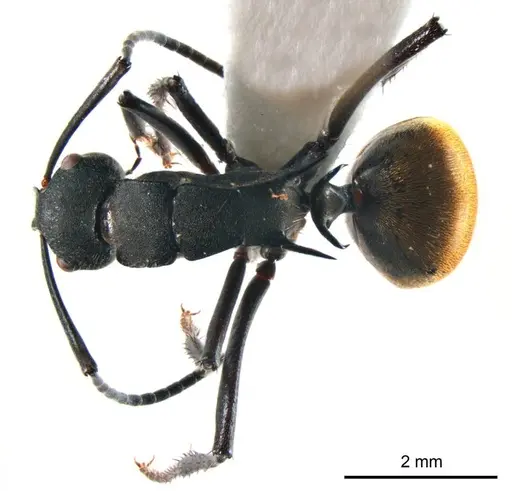
CASENT0887780
View on AntWeb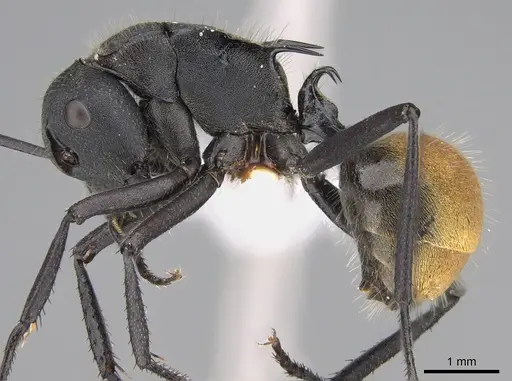
CASENT0906587
View on AntWeb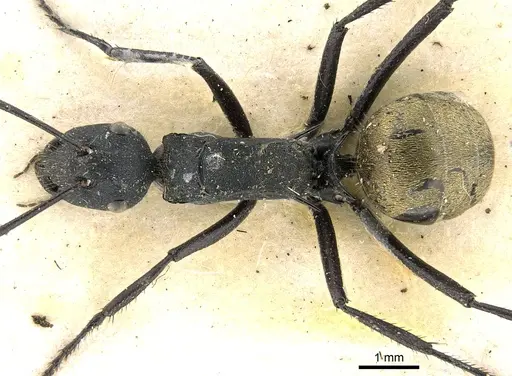
CASENT0910804
View on AntWeb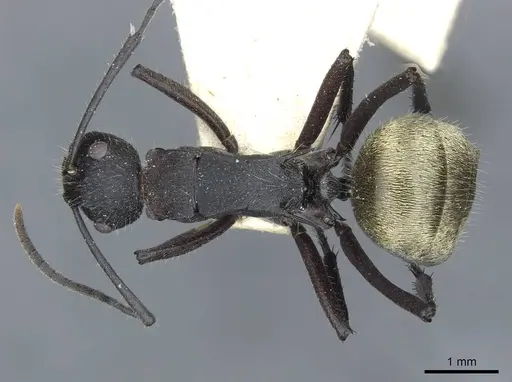
CASENT0913682
View on AntWeb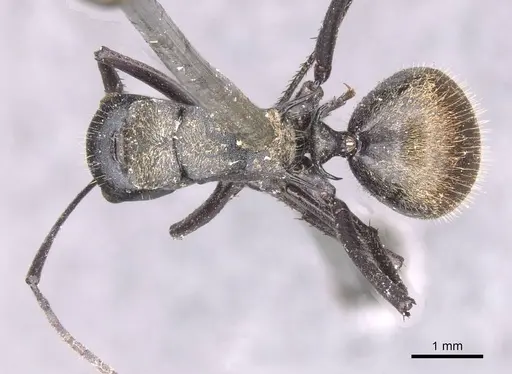
CASENT0913715
View on AntWeb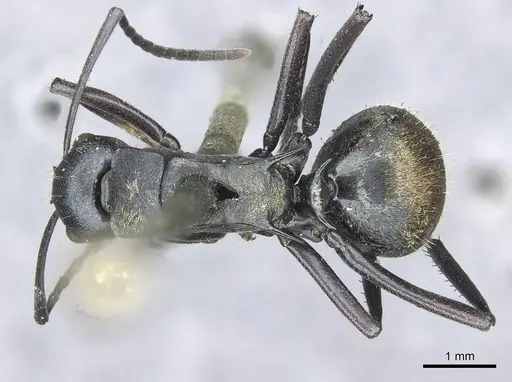
CASENT0915607
View on AntWeb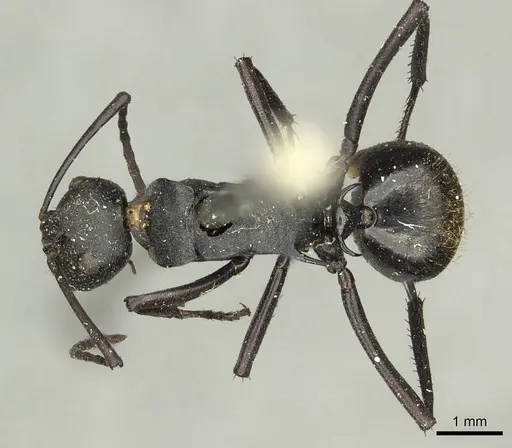
JDM32-004514
View on AntWeb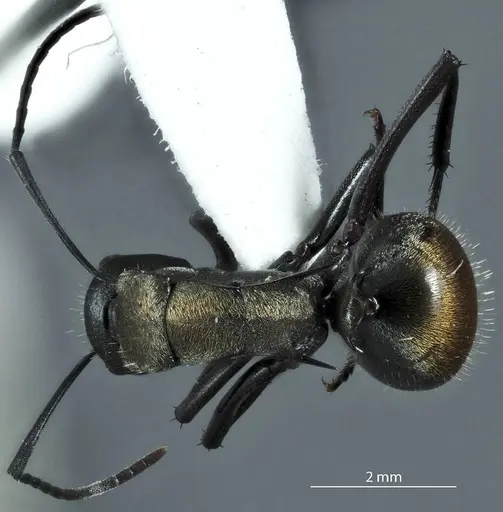
Literature
Loading...Loading products...