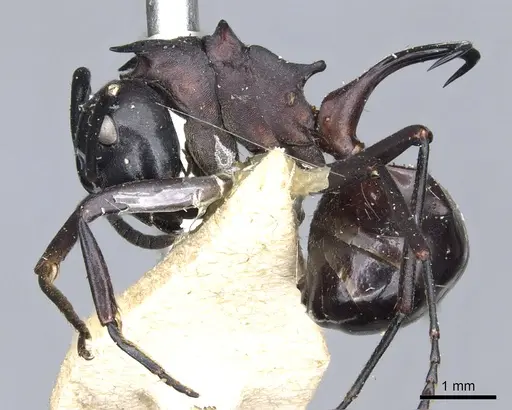
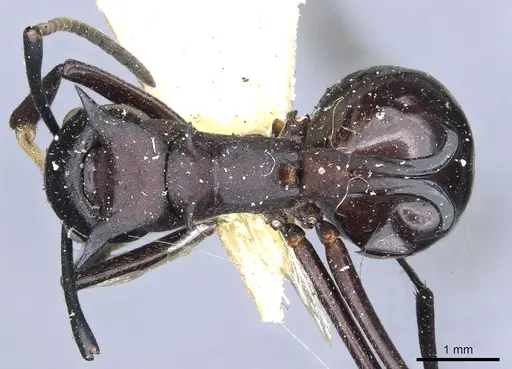
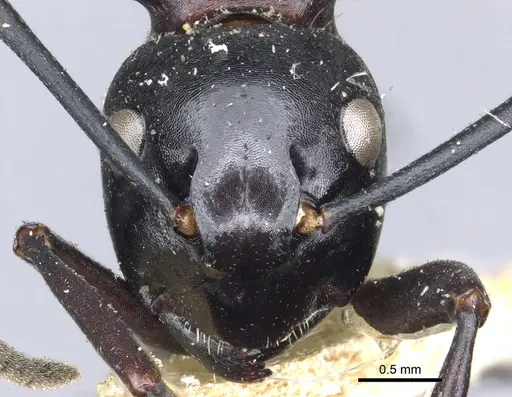
Polyrhachis craddocki - "Craddock's Spiny Ant"
Get ready to dive into the captivating world of Polyrhachis craddocki, affectionately known in the antkeeping community as Craddock's Spiny Ant! These incredible Old World ants are a true spectacle with their distinctive spiny bodies, a hallmark of the diverse Polyrhachis genus. You'll easily spot their unique charm in their dark reddish-brown, almost black, coloration, beautifully complemented by the characteristic laterally directed mesonotal spines and more parallel petiolar spines – features that truly set them apart from their close cousins. These medium-sized beauties are not just about looks; they're also highly active, showcasing fascinating arboreal behaviors as they're naturally found bustling along tree trunks and navigating the vegetation in their tropical homelands. Their robust, segmented bodies are built for adventure, making them dynamic foragers and an absolute joy to observe in any formicarium setup.
- Difficulty: Medium
- Origin & Habitat: Indo-Australian Region (Borneo, Brunei Darussalam, Indonesia, Malaysia) and Oriental Region (Myanmar) in Tropical and warm temperate forests, commonly found on tree trunks and surrounding vegetation. They are primarily arboreal or lignicolous (nesting in plant cavities)..
- Colony Type: Monogyne, semi-claustral founding.
- Size & Growth:
- Queen: 8-10mm
- Worker: 6.89-8.16mm
- Colony: Medium (thousands). Slow growth.
- Antkeeping:
- Temperature: Ideal temperatures range from 24-28°C in the nest area, with outworld temperatures potentially reaching up to 30°C. A stable warm environment is crucial for brood development..
- Humidity: Maintain humidity levels between 60-70% within the nest and 50-70% in the outworld. High humidity in the nest is important, but proper ventilation in the outworld helps prevent mold..
- Diapause: Not required. Not specified at Not specified.
- Nesting: As arboreal ants, they prefer naturalistic setups that mimic tree trunks or hollow branches. Nests incorporating wood, cork, or bamboo are ideal. They are known to weave nests using larval silk, so providing material like moss, fine substrate, or cotton can be beneficial..
- Behavior: Low to Medium (towards handler, food or other ants) aggressiveness.
- Common Issues: Humidity fluctuations leading to mold, Colony stalling if not fed during semi-claustral founding, Stress from frequent disturbance, Inappropriate nest type inhibiting weaving behavior.
One crucial aspect for any aspiring Polyrhachis craddocki keeper is understanding their semi-claustral founding behavior. Unlike many queen ants that can seal themselves away and raise their first brood solely on stored energy, your Polyrhachis craddocki queen will definitely need your help! Regular, small offerings of liquid sugars, like a diluted honey water solution, alongside tiny protein morsels such as pinhead crickets or fruit flies, are absolutely vital during this initial colony establishment phase. Skipping these early feedings can, unfortunately, lead to a very disheartening outcome, so be diligent in supporting your queen as she brings her first nanitic workers into the world.
Prepare to be amazed by the engineering prowess of Polyrhachis craddocki. Like many of their spiny kin within the Polyrhachis genus, these ants possess the incredible ability to weave their nests using silk spun by their own larvae! To witness this unique ant behavior firsthand in your formicarium, make sure to provide appropriate weaving materials. Offering fine moss, soft cotton, or even thin plant fibers within their nesting area can encourage them to construct intricate, silken structures. Designing your setup to facilitate this natural inclination will not only benefit your colony but also provide endless hours of fascinating observation for you, the ant enthusiast.
Given their natural preference for life high above the forest floor, the choice of nest for your Polyrhachis craddocki colony is paramount. Forget flat, horizontal setups; these arboreal ants truly thrive in formicariums that mimic their natural tree-trunk homes. Think vertical designs, cork bark tubes, or even bamboo-based nests that encourage climbing and offer weaving opportunities. Achieving the perfect balance of ventilation and consistent humidity within such a setup can be a nuanced challenge, but it's essential for their well-being. Don't forget to furnish their outworld with ample climbing structures too – this will enrich their environment and allow them to forage naturally, just as they would in their native tropical habitats.
A little heads-up for prospective keepers: Polyrhachis craddocki colonies, particularly in their nascent stages, tend to grow at a more leisurely pace. Patience is truly a virtue when embarking on the antkeeping journey with these elegant creatures. Avoid the temptation to frequently disturb your queen and her precious brood; unnecessary stress can significantly impede their development. With a consistent feeding regimen, a thoughtfully designed habitat, and a healthy dose of patience, your colony will steadily mature, gradually unveiling the complex social dynamics and impressive foraging strategies that make these spiny ants so captivating to keep.
Frequently Asked Questions
What kind of formicarium is best suited for Polyrhachis craddocki?
For Craddock's Spiny Ants, an arboreal setup is key to their success! They absolutely thrive in nests designed to mimic tree trunks or hollow branches, like cork bark nests or vertical acrylic setups with plenty of climbing opportunities. Since they're renowned for weaving, providing natural materials like fine moss or cotton will let them show off their incredible silk-spinning skills, creating a truly naturalistic ant habitat.
Do I need to feed my Polyrhachis craddocki queen when she's founding a colony?
Yes, absolutely! Unlike fully claustral queens, Polyrhachis craddocki queens are semi-claustral. This means they require external nutrition to get their colony started. Make sure to offer small, regular servings of sugar water and tiny protein sources, such as a flightless fruit fly or a small cricket leg, to help your queen raise her first generation of nanitic workers successfully. This early care is crucial for colony establishment.
What's the typical growth rate for a Polyrhachis craddocki colony?
Be prepared for a slower journey with these beautiful ants. Polyrhachis craddocki colonies tend to grow at a moderate, often slow, pace, especially during the initial founding and early expansion phases. It’s all about patience and consistent care; they won't explode in numbers overnight, but the steady growth is incredibly rewarding to witness as your ant colony matures.
Are Polyrhachis craddocki known to sting or are they aggressive?
Good news for antkeepers! Most Polyrhachis species, including P. craddocki, are not equipped with a functional sting. While they might deliver a bite if truly threatened, their general aggressiveness towards handlers is quite low to medium. They're more inclined to spray formic acid as a defense or simply flee rather than engage in direct conflict, making them a relatively safe species to observe.
What's the ideal diet for Polyrhachis craddocki?
To keep your Craddock's Spiny Ants healthy and thriving, offer a balanced diet of both carbohydrates and proteins. For their energy needs, sugar water, honey solutions, or ant gels are perfect. For protein, which is vital for brood development, small feeder insects like fruit flies, mealworms, or small roaches are excellent choices. Always ensure any feeder insects are clean and pesticide-free for the health of your ant colony.
What temperature and humidity levels do Polyrhachis craddocki prefer?
These tropical ants appreciate warmth and moderate humidity. Aim for a consistent temperature of around 24-28°C within the nest, with the outworld potentially a bit warmer, up to 30°C. Maintaining a humidity range of 60-70% inside the nest is crucial for their brood, while the outworld can be slightly drier, around 50-70%, to ensure good ventilation and prevent mold.
Can Polyrhachis craddocki actually weave their nests in captivity?
Absolutely! One of the most captivating behaviors of Polyrhachis ants is their ability to weave intricate nests using the silk produced by their own larvae. If you set up their formicarium with appropriate materials like fine moss, thin cotton fibers, or small plant detritus in their arboreal setup, you have a fantastic opportunity to observe this remarkable natural building behavior as they construct their unique ant habitats.
Where do Polyrhachis craddocki originate from?
Hailing from the lush tropical and warm temperate zones of the Old World, Polyrhachis craddocki is naturally found across the Indo-Australian Region, encompassing countries like Borneo, Brunei, Indonesia, and Malaysia. They also have a presence in the Oriental Region, with Myanmar being a key locality. These regions provide the warm, humid environments they prefer.