

Polyrhachis esarata
- Scientific Name
- Polyrhachis esarata
- Subgenus
- Myrma
- Tribe
- Camponotini
- Subfamily
- Formicinae
- Author
- Bolton, 1973
- Distribution
- Found in 1 countries
Polyrhachis esarata Overview
Polyrhachis esarata is an ant species of the genus Polyrhachis. It is primarily documented in 1 countries , including Uganda. Detailed taxonomic data and occurrence records can be further explored via authoritative databases such as AntWeb or the Global Biodiversity Information Facility (GBIF).
Polyrhachis esarata
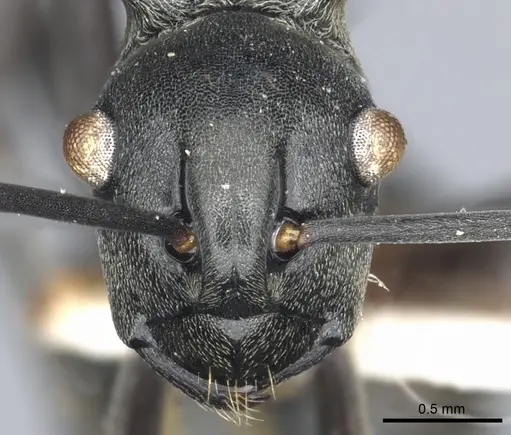
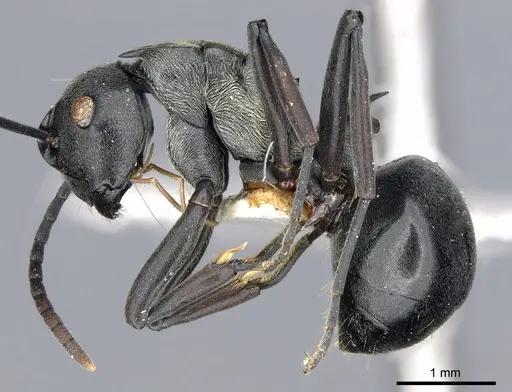
Polyrhachis esarata is a medium-sized ant species belonging to the Formicinae subfamily, specifically the militaris species-group within the Myrma subgenus [1]. Workers measure approximately 7.2mm in total length, with a distinctive appearance featuring a single pair of erect hairs on the head dorsum, prominent spines on the pronotum, and smaller propodeal teeth [2]. The body is black with very dark brown-black legs, and the species can be distinguished from its close relative P. decellei by its larger, elliptical eyes and shorter scape [1]. This species is found across West and Central Africa, including Ghana, the Democratic Republic of Congo, and Equatorial Guinea [2].
Like other Polyrhachis species in the Myrma subgenus, P. esarata builds subterranean nests and lines them with woven material, a characteristic behavior of this group [3]. They have pupal cocoons, which is typical for the genus. These ants are part of the Formicinae subfamily, meaning they defend themselves by spraying formic acid rather than stinging.
Quick Summary
- Difficulty: Medium
- Origin & Habitat: West and Central Africa, found in Ghana, Democratic Republic of Congo, and Equatorial Guinea. The type specimen was collected from Ghana's Eastern Region at Bunso using a pyrethrum knock-down method [2]. As a tropical African species, they inhabit forested areas where they nest underground.
- Colony Type: Colony structure is unconfirmed for this specific species. Based on genus-level patterns for Polyrhachis (Myrma), they are typically monogyne (single-queen colonies), though some species in the genus show flexibility. More research is needed on the exact colony structure.
- Size & Growth:
- Queen: Approximately 2.87mm in mesosoma length (WL), with HL 1.72mm and HW 1.40mm [1]. Queens are slightly larger than workers.
- Worker: Workers measure 7.2mm total length, with HL 1.56-1.65mm and HW 1.20-1.30mm [2][1].
- Colony: Colony size data is not available for this specific species. Based on related militaris-group species, colonies likely reach several hundred workers.
- Growth: Growth rate is unconfirmed for this species. Based on typical Polyrhachis patterns, development is likely moderate, expect several months from egg to first worker.
- Development: Estimated 6-10 weeks based on typical Polyrhachis genus patterns at tropical temperatures (24-28°C). No specific development data exists for this species. (Development time is inferred from genus-level data. Actual timing may vary based on temperature and conditions.)
- Antkeeping:
- Temperature: Keep nest area at 24-28°C. As a tropical African species, they require warm, stable temperatures. Use a heating cable on one side of the nest to create a gentle gradient if room temperature is below this range.
- Humidity: Maintain moderate to high humidity, think damp forest floor conditions. Keep the nest substrate consistently moist but not waterlogged. Provide a water tube for drinking access.
- Diapause: No diapause required. As a tropical species, they do not need a winter rest period. Maintain consistent temperatures year-round.
- Nesting: Subterranean nesters that prefer enclosed spaces. Y-tong (AAC) nests or plaster nests work well. They line nests with woven material, so providing some loose substrate or textured surfaces may encourage natural behavior. Avoid overly dry conditions.
- Behavior: Polyrhachis esarata is a relatively calm species. Like other Formicinae, they defend by spraying formic acid rather than stinging. They are medium-sized ants that are not particularly aggressive but will defend their colony if threatened. Workers are active foragers. Escape prevention should be moderate, they are not tiny ants but can climb smooth surfaces. Use standard barriers like fluon on test tube rims.
- Common Issues: tropical temperature requirements mean colonies can fail if kept too cool, humidity must be maintained, too dry and brood will desiccate, limited availability in the antkeeping hobby means founders are rarely available, colony growth may be slow, requiring patience, wild-caught colonies may carry parasites that affect captivity
Housing and Nest Setup
Polyrhachis esarata is a subterranean nester, which means they naturally live underground in soil or rotting wood [3]. For captive care, Y-tong (acrylic) nests or plaster nests work well. These ants also have a unique behavior of weaving material into their nests [3], so providing some loose substrate or textured surfaces can encourage natural nesting behavior.
For founding colonies, a test tube setup works fine. Once the colony reaches 15-20 workers, you can consider moving them to a more elaborate formicarium. Keep the nest area humid but not wet, the substrate should feel damp to the touch. These are medium-sized ants, so chambers should be appropriately scaled. Avoid nests that are too dry, as this species comes from humid tropical forests.
Temperature and Heating
As a tropical African species, Polyrhachis esarata requires warm temperatures. Keep the nest area at 24-28°C for optimal brood development. Temperatures below 22°C may slow activity and development, while temperatures above 32°C can be harmful.
Use a heating cable or heating mat on one side of the nest to create a temperature gradient. This allows the ants to regulate their own temperature by moving between warmer and cooler areas. Place the heating element on top of the nest, not underneath, to avoid drying out the substrate too quickly. Room temperature may be sufficient if your home is naturally warm, but monitor with a thermometer.
Feeding and Diet
Polyrhachis ants are omnivorous, typically foraging for honeydew, nectar, and small insects. In captivity, offer a varied diet including sugar water or honey as a constant energy source. For protein, provide small insects like fruit flies, small crickets, or mealworms.
Feed protein sources 2-3 times per week, adjusting based on colony size and appetite. Remove uneaten prey after 24 hours to prevent mold. Sugar water should be available constantly, changed every few days. Fresh water should always be accessible.
Humidity Requirements
These ants come from humid tropical forests in West and Central Africa, so they need moderate to high humidity. Keep the nest substrate consistently moist but not waterlogged. The substrate should feel damp but you should not see standing water.
A water tube (test tube with water and a cotton plug) provides both drinking water and helps maintain humidity. Mist the outworld occasionally but avoid directly misting the nest entrance. Good ventilation is important to prevent mold while maintaining humidity.
Behavior and Temperament
Polyrhachis esarata is generally calm and not particularly aggressive. As Formicinae ants, they defend themselves by spraying formic acid rather than stinging, this makes them less dangerous to handle. Workers are active and will readily forage for food.
They are medium-sized ants, so escape prevention is important but not as critical as for tiny species. Standard barriers like fluon on test tube rims or smooth surfaces work well. They are not known for being particularly escape-prone.
Frequently Asked Questions
How long does it take for Polyrhachis esarata to produce first workers?
Exact development time is unconfirmed for this species, but based on typical Polyrhachis genus patterns at tropical temperatures (24-28°C), expect 6-10 weeks from egg to first worker. Patience is key, founding colonies can take time.
What temperature do Polyrhachis esarata ants need?
Keep them at 24-28°C. As a tropical African species, they need warm, stable temperatures. Use a heating cable on one side of the nest to create a gradient if needed.
Can I keep Polyrhachis esarata in a test tube?
Yes, test tubes work well for founding colonies. Use a standard test tube setup with a water reservoir and cotton plug. Once the colony grows to 15-20 workers, consider moving to a larger formicarium.
What do Polyrhachis esarata ants eat?
They are omnivorous. Offer sugar water or honey as a constant energy source, and protein sources like small insects (fruit flies, small crickets, mealworms) 2-3 times per week.
Do Polyrhachis esarata need hibernation?
No. As a tropical species from Africa, they do not require diapause or winter rest. Maintain consistent warm temperatures year-round.
How big do Polyrhachis esarata colonies get?
Colony size data is limited for this specific species. Based on related militaris-group species, colonies likely reach several hundred workers. Growth is moderate.
Is Polyrhachis esarata good for beginners?
This species is rated as medium difficulty. While not the hardest species, their tropical temperature and humidity requirements make them better suited for keepers with some experience. Beginners should ensure they can maintain warm, humid conditions consistently.
What humidity level do Polyrhachis esarata need?
Keep the nest substrate consistently moist but not waterlogged. Think damp forest floor conditions, the substrate should feel damp to the touch. A water tube helps maintain humidity.
Where is Polyrhachis esarata found?
This species is found in West and Central Africa, specifically Ghana, the Democratic Republic of Congo, and Equatorial Guinea. They inhabit forested areas.
References

This caresheet is licensed under CC BY-SA 4.0 .
CASENT0903457
View on AntWeb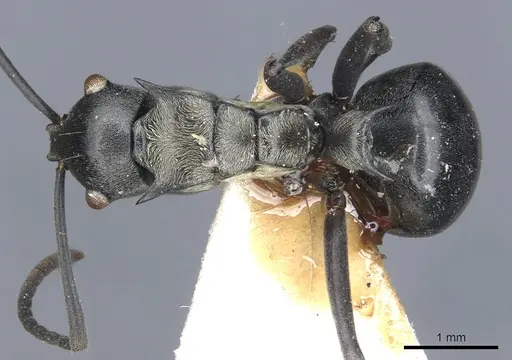
Literature
Loading...Loading products...