

Polyrhachis archeri
- Scientific Name
- Polyrhachis archeri
- Subgenus
- Hagiomyrma
- Tribe
- Camponotini
- Subfamily
- Formicinae
- Author
- Kohout, 2013
- Distribution
- Found in 1 countries
Polyrhachis archeri Overview
Polyrhachis archeri is an ant species of the genus Polyrhachis. It is primarily documented in 1 countries , including Australia. Detailed taxonomic data and occurrence records can be further explored via authoritative databases such as AntWeb or the Global Biodiversity Information Facility (GBIF).
Polyrhachis archeri
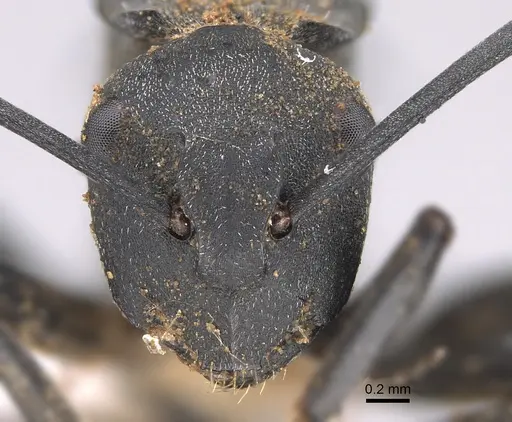
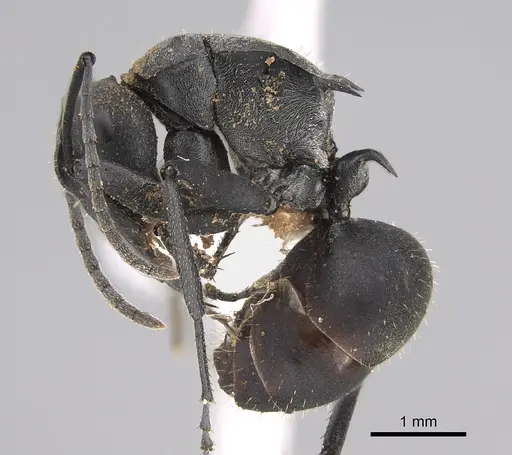
Polyrhachis archeri is a medium-sized ant native to northern Australia, belonging to the Hagiomyrma subgenus. Workers measure 6.5-7mm with a distinctive black body, reddish-brown mandibles, legs, and antennae. The species gets its common name from the prominent spines on its thorax and petiole, a characteristic feature of Polyrhachis ants. These ants are ground-nesters, building their colonies under rocks in the Gulf Country region of Queensland and the Northern Territory [1][2].
This species is closely related to Polyrhachis anderseni and Polyrhachis hoffmanni, sharing similar morphology but differing in hair distribution and spine characteristics. P. archeri lacks the long body hairs that distinguish P. hoffmanni. As a relatively newly described species (2013), captive breeding information is limited, and most care guidelines are inferred from genus-level knowledge and the ant's natural habitat in tropical northern Australia [1].
Quick Summary
- Difficulty: Medium
- Origin & Habitat: Northern Australia, Gulf Country in north-western Queensland, with recent records from the Northern Territory including Nitmiluk (Katherine Gorge) National Park and Standley Chasm in the West MacDonnell Ranges. Natural habitat consists of ground-nesting sites under rocks in tropical savanna and woodland areas [1][2].
- Colony Type: Colony structure is unconfirmed. Polyrhachis species are typically monogyne (single queen colonies), though some species in the genus can be polygyne. Further research needed to confirm the colony type for P. archeri specifically.
- Size & Growth:
- Queen: 7.9-8.3 mm [1]
- Worker: 6.55-6.96 mm [1]
- Colony: Unknown, Polyrhachis colonies can range from dozens to several hundred workers depending on the species
- Growth: Moderate, estimated based on genus patterns
- Development: Estimated 6-10 weeks based on related Polyrhachis species development patterns (Direct development data unavailable for this species. Temperature-dependent, with warmer conditions generally accelerating development.)
- Antkeeping:
- Temperature: Keep at 24-28°C. Based on their tropical Australian distribution, they prefer warm conditions. A heating cable on one side of the nest creates a temperature gradient allowing the ants to self-regulate
- Humidity: Moderate to high humidity (60-80%). As ground-nesters under rocks, they experience moderate moisture from soil. Keep nest substrate moist but not waterlogged, with some drier areas available
- Diapause: Likely minimal or no true diapause given their tropical distribution. However, cooler temperatures during Australian winter months (June-August) may slow activity. Consider a slight cooling period (18-22°C) during winter months rather than full hibernation
- Nesting: Ground-nesting species that naturally nests under rocks. In captivity, a naturalistic setup with a soil chamber and flat stone or slate on top works well. Y-tong or plaster nests with narrow chambers also suitable. Provide a moisture reservoir to maintain humidity
- Behavior: Polyrhachis archeri is generally non-aggressive and docile compared to some other Formicinae. Workers are active foragers, searching for food both on the ground and on low vegetation. They have a moderate escape risk due to their size, standard barrier methods (Fluon, talc barriers) work well. The spines provide some defense but they are not particularly defensive or likely to sting. They are moderate climbers and may explore outworld areas actively.
- Common Issues: Limited species-specific information makes precise care challenging, much is inferred from genus patterns, Ground-nesting behavior requires proper substrate moisture management to prevent mold while maintaining humidity, Tropical species may struggle in cooler climates without supplemental heating, Queens may be difficult to obtain as this is a rarely kept species, Growth rate is moderate, keepers should be patient and avoid disturbing the colony during founding
Nest Preferences and Housing
Polyrhachis archeri is a ground-nesting species that naturally establishes colonies under rocks and in soil cavities. In captivity, you can replicate this with a naturalistic setup using a soil-filled container with a flat stone or slate placed on top to simulate their natural rock-covered nesting sites. The ants will excavate chambers beneath the stone. Alternatively, Y-tong (acrylic) nests or plaster nests work well, use chambers scaled to their medium size (around 6-7mm workers) with a moisture reservoir to maintain appropriate humidity. Because they nest under rocks in the wild, they prefer tight, enclosed spaces rather than open areas. Provide a shallow water dish in the outworld and ensure the nest area remains humid but not wet. A small outworld connected to the nest allows for foraging space. [1][2]
Feeding and Diet
Polyrhachis ants are omnivorous, feeding on honeydew, nectar, and small insects in the wild. In captivity, offer a varied diet including sugar water or honey as a constant energy source. For protein, provide small insects such as fruit flies, small crickets, or mealworms. Polyrhachis species generally accept both sweet foods and protein prey. Feed protein sources 2-3 times per week, removing any uneaten prey after 24 hours. Fresh water should always be available. Some Polyrhachis species also accept seeds and plant matter, but protein-rich foods are essential for brood development. Observe your colony's preferences and adjust feeding accordingly.
Temperature and Seasonal Care
As a species from tropical northern Australia, Polyrhachis archeri prefers warm temperatures in the range of 24-28°C. Use a heating cable placed on top of the nest (never under it, as this can cause drying) to create a gentle temperature gradient. The ants will move to their preferred temperature zone within the nest. During Australian winter (June-August), temperatures in their natural range drop but remain mild, consider reducing temperatures to around 18-22°C during winter months rather than implementing a true diapause. This cooling period may slow colony activity but is not required. Avoid temperatures below 18°C for extended periods. Maintain stable warmth throughout the active season for optimal brood development. [1]
Behavior and Colony Dynamics
Polyrhachis archeri workers are active foragers that search for food both on the ground and may climb slightly on vegetation. They are generally docile and not prone to aggressive behavior toward keepers. The most notable physical features are the spines on the mesosoma and petiole, these are used primarily for defense against predators rather than inter-colony aggression. Workers communicate through chemical trails and may use tandem running to recruit nestmates to food sources. The colony will establish a queen-right structure with a single reproductive female (likely monogyne based on genus patterns). Workers have moderate longevity, and the colony will grow gradually over months to years. Colonies are not known to be supercolonial or particularly aggressive toward conspecifics.
Acquiring and Establishing a Colony
Polyrhachis archeri is a rarely kept species, and established colonies may be difficult to find from reputable suppliers. If you obtain a founding queen, house her in a test tube setup with a water reservoir until she establishes her first workers (nanitics). The founding chamber should be dark and humid. Once the first workers emerge (typically after 6-10 weeks based on genus estimates), you can gradually introduce a small outworld and transition to a more permanent nest setup. Handle founding colonies gently, disturbance can cause queens to abandon or eat their brood. Wild-collected colonies should be approached with caution as they may contain parasites or be stressed from collection. Always ensure any colony obtained is from legal, sustainable sources.
Frequently Asked Questions
How long does it take for Polyrhachis archeri queens to raise their first workers?
Based on related Polyrhachis species, expect 6-10 weeks from egg to first worker (nanitic) at optimal temperature (24-28°C). This timeline is estimated rather than directly documented for P. archeri specifically. Patience is key during the founding stage, avoid disturbing the queen or her brood chamber.
What do Polyrhachis archeri ants eat?
They are omnivorous. Offer sugar water or honey as a constant energy source, and protein prey (small insects like fruit flies, crickets, or mealworms) 2-3 times per week. Remove uneaten protein after 24 hours. Fresh water should always be available.
What temperature do Polyrhachis archeri ants need?
Keep them warm at 24-28°C. A heating cable on top of the nest creates a gradient. They are from tropical Australia and require warmth for optimal activity and brood development. Avoid temperatures below 18°C for extended periods.
Can I keep multiple Polyrhachis archeri queens together?
The colony structure for this specific species is unconfirmed. Most Polyrhachis species are monogyne (single queen). Combining unrelated queens is not recommended without documented evidence that they can found colonies pleometrotically. If you obtain multiple foundress queens, house them separately to ensure colony success.
Are Polyrhachis archeri ants good for beginners?
This species is rated Medium difficulty. While not the most challenging ant to keep, the limited species-specific information makes it less ideal for complete beginners. Experience with other Polyrhachis or medium-sized ants is helpful. The main challenges are providing appropriate warmth and humidity while avoiding disturbance during founding.
Do Polyrhachis archeri ants need hibernation?
True hibernation is likely not required given their tropical Australian distribution. However, a slight cooling period (18-22°C) during winter months may be beneficial to simulate natural seasonal cycles. Avoid full diapause conditions, they are not adapted to cold.
How big do Polyrhachis archeri colonies get?
Maximum colony size is unknown for this specific species. Based on related Polyrhachis species, colonies likely reach several hundred workers over time. Growth is moderate, expect gradual expansion over months to years rather than rapid colony explosion.
Why is my Polyrhachis archeri colony not growing?
Common causes include: temperatures too low (below 24°C), humidity too dry or too wet, insufficient protein in diet, disturbance during founding, or the queen may have died. Check that conditions match their warm, humid preferences and that protein food is offered regularly. Ensure the nest is in a quiet, dark location away from vibrations.
References

This caresheet is licensed under CC BY-SA 4.0 .
CASENT0887785
View on AntWeb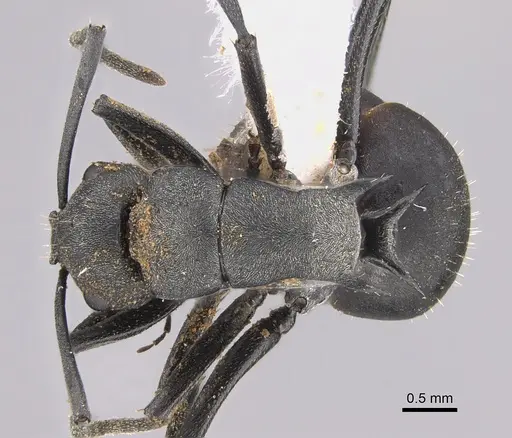
Literature
Loading...Loading products...