

Polyrhachis angusta
- Scientific Name
- Polyrhachis angusta
- Subgenus
- Hagiomyrma
- Tribe
- Camponotini
- Subfamily
- Formicinae
- Author
- Forel, 1902
- Distribution
- Found in 1 countries
Polyrhachis angusta Overview
Polyrhachis angusta is an ant species of the genus Polyrhachis. It is primarily documented in 1 countries , including Australia. Detailed taxonomic data and occurrence records can be further explored via authoritative databases such as AntWeb or the Global Biodiversity Information Facility (GBIF).
Polyrhachis angusta
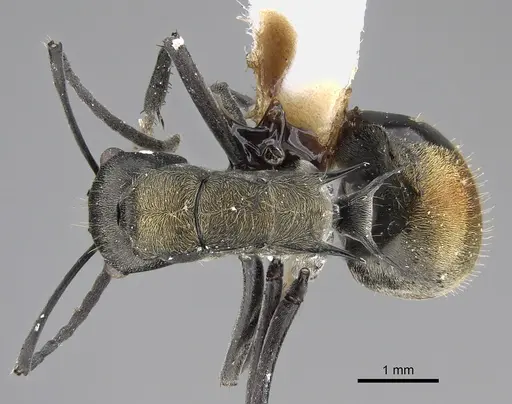
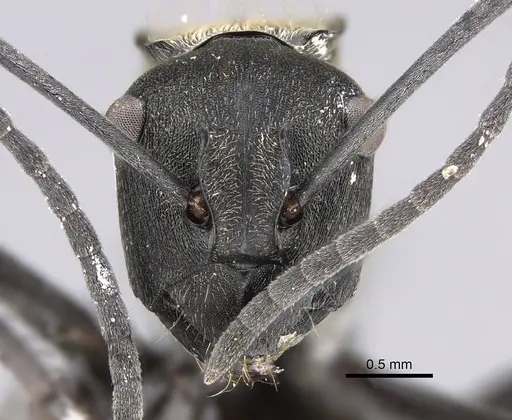
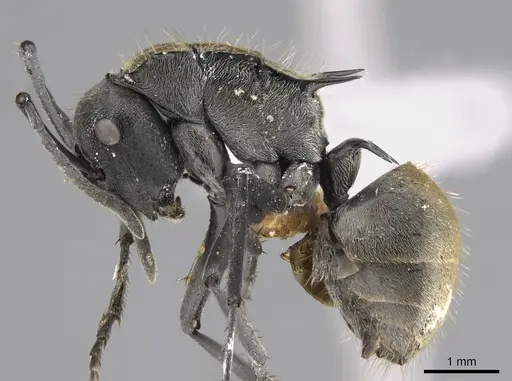
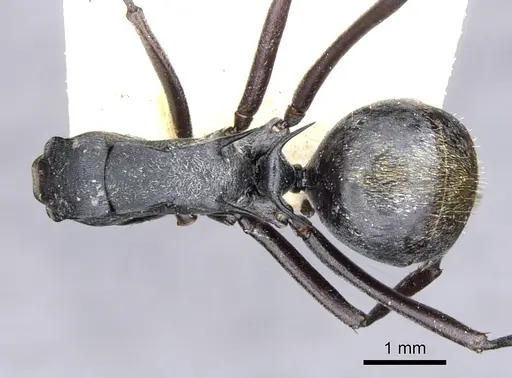
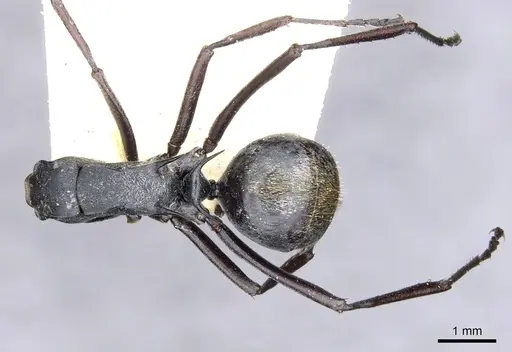
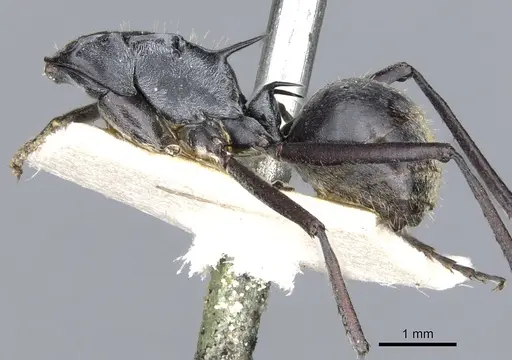
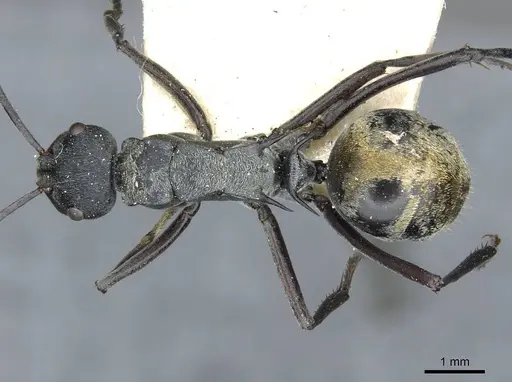
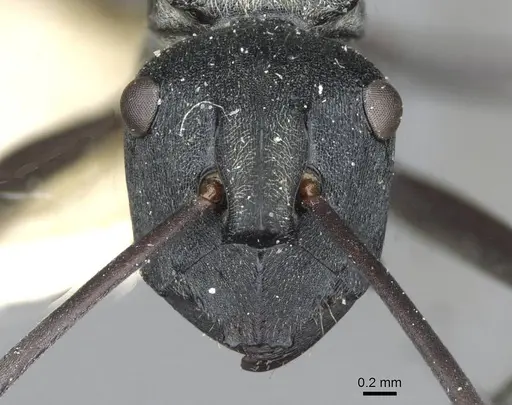
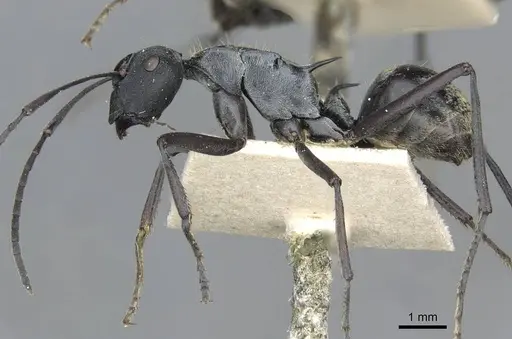
Polyrhachis angusta is a slender, elegant ant species native to eastern Australia, found patchily from northern Queensland to central New South Wales. Workers are medium-sized at 7.4-9.2mm, with a distinctive black body marked by long golden hairs and a narrow reddish-golden stripe running down the center of their abdomen. They belong to the ammon species-group within the Hagiomyrma subgenus, making them close relatives of the more common Polyrhachis ammon. Queens grow to about 10mm and are similarly slender with shorter spines than workers. This species is ground-nesting and considerably less common than its widespread relative, preferring localized populations in suitable habitats.
Quick Summary
- Difficulty: Medium
- Origin & Habitat: Eastern Australia (Queensland to central New South Wales), in subtropical to temperate woodland habitats. Ground-nesting in soil, typically in more shaded and damp locations than the common P. ammon [1][2].
- Colony Type: Likely single-queen colonies based on typical Polyrhachis patterns. Colony structure is not directly documented for this specific species.
- Colony: Monogyne
- Founding: Claustral
- Size & Growth:
- Queen: 9.8-10.4mm [1]
- Worker: 7.4-9.2mm [1]
- Colony: Estimated several hundred workers based on related species, exact colony size unconfirmed
- Growth: Moderate, based on genus patterns
- Development: Estimated 6-10 weeks at optimal temperature based on related Polyrhachis species (Development time not specifically studied for this species, estimate based on genus-level data for similar subtropical ants)
- Antkeeping:
- Temperature: Keep around 22-26°C. Australian subtropical origin means they handle warmth well but not extreme heat. A gentle gradient allowing workers to self-regulate is ideal.
- Humidity: Moderate to high. As a ground-nesting species, they prefer consistently moist substrate. Keep the nest substrate damp but not waterlogged, with some drier areas available.
- Diapause: Likely a mild winter slowdown period given the temperate to subtropical Australian range. Reduce feeding and keep slightly cooler (15-18°C) for 2-3 months during winter months.
- Nesting: Subterranean ground-nester. In captivity, a Y-tong (AAC) nest or plaster nest works well. Provide a moisture reservoir and keep the nest area humid. A naturalistic setup with soil substrate also works if escape prevention is adequate.
- Behavior: Generally calm and non-aggressive compared to many ants. Workers are medium-sized and relatively slow-moving. They are ground-nesters and may not climb smooth surfaces as readily as some Polyrhachis. Escape risk is moderate, their size makes them less likely to escape through tiny gaps than tiny ants, but standard barrier precautions still apply. They construct subterranean nests and may establish multiple chambers.
- Common Issues: colonies may be slow to establish, patience is needed during founding, ground-nesting behavior means humidity management is critical, too dry and brood dies, less common in the hobby means fewer established care protocols exist, wild-caught colonies may have parasites or fail to adapt to captivity
Housing and Nest Setup
Polyrhachis angusta is a ground-nesting species that prefers subterranean colonies. In captivity, Y-tong (acrylic) nests or plaster nests with moisture reservoirs work well. The nest should have chambers scaled to their medium size, not too cramped but not overly spacious either. Provide a water test tube as a hydration source connected to the outworld. Because they nest in soil in the wild, a naturalistic setup with a deep soil layer can also work, though escape prevention requires more attention. The outworld should be simple with minimal climbing structures since they prefer to stay on the ground. [1]
Feeding and Diet
Like most Polyrhachis species, these ants are omnivorous. They likely feed on honeydew, nectar, and small insects in the wild. In captivity, offer sugar water or honey water as a constant energy source. For protein, provide small insects like fruit flies, small crickets, or mealworms. They are medium-sized ants, so prey items should be appropriately sized. Feed protein 2-3 times per week and ensure sugar sources are always available. Remove uneaten prey after 24-48 hours to prevent mold.
Temperature and Seasonal Care
Maintain temperatures around 22-26°C for optimal colony health and development. They originate from subtropical eastern Australia, so they handle warmth well. During Australian winter (roughly June-August in the southern hemisphere), expect reduced activity. You can simulate this by lowering temperatures to 15-18°C and reducing feeding frequency for 2-3 months. This winter rest period likely supports healthy colony cycles. Avoid temperatures above 30°C or below 15°C for extended periods. [1]
Behavior and Colony Dynamics
Polyrhachis angusta workers are relatively calm and not particularly aggressive. They construct underground nests with multiple chambers connected by tunnels. The species is less common than its relative P. ammon and appears to prefer more localized, shaded habitats. Workers are medium-sized and can be distinguished by their slender build and the distinctive golden stripe on their abdomen. Queens are significantly larger than workers and have shorter spines. Colonies grow moderately, expect several months before seeing significant worker numbers from a founding queen. [1]
Finding and Acquiring
This species is not commonly kept in the antkeeping hobby, making colonies harder to find than more popular Polyrhachis species. If collecting from the wild, look in shaded, damp soil habitats in Queensland and New South Wales. Only collect where permitted and check local regulations. Given their patchy distribution and localized populations, wild collection should be done responsibly. Captive colonies may occasionally be available from specialized breeders, but expect limited availability. [1][2]
Frequently Asked Questions
How long does it take for Polyrhachis angusta queens to raise their first workers?
Based on related Polyrhachis species, expect 6-10 weeks from egg to first worker at optimal temperature (around 24°C). The exact timeline for this species has not been documented, so patience is required during the founding phase.
What do Polyrhachis angusta ants eat?
They are omnivorous. Offer sugar water or honey constantly for energy, and protein sources like small insects (fruit flies, small crickets, mealworms) 2-3 times per week.
What temperature do Polyrhachis angusta ants need?
Keep them around 22-26°C. They handle warmth well but should be kept away from direct heat sources or temperatures above 30°C. A slight temperature gradient allows workers to self-regulate.
Do Polyrhachis angusta ants need hibernation?
They likely benefit from a mild winter rest period given their Australian distribution. Reduce temperatures to 15-18°C and feed less for 2-3 months during winter. This mimics their natural seasonal cycle.
What type of nest is best for Polyrhachis angusta?
A Y-tong (AAC) nest or plaster nest with moisture works well. As ground-nesters, they prefer humid nest conditions. Ensure the substrate stays damp but not waterlogged.
How big do Polyrhachis angusta colonies get?
Colony size is not specifically documented, but based on related species, expect several hundred workers at maturity. Growth is moderate, colonies take several months to establish significant numbers.
Can I keep multiple Polyrhachis angusta queens together?
This has not been documented for this specific species. Most Polyrhachis are single-queen colonies, so it is not recommended to house multiple unrelated queens together. If you obtain a colony, assume single-queen structure.
Are Polyrhachis angusta good for beginners?
They are rated as medium difficulty. While not as challenging as some species, their specific humidity needs and the fact that they are less common in the hobby means fewer established care protocols exist. Some prior antkeeping experience is helpful.
Where is Polyrhachis angusta found in the wild?
Eastern Australia, from Eungella in northern Queensland to central New South Wales. They are patchily distributed and more localized than the common Polyrhachis ammon.
References

This caresheet is licensed under CC BY-SA 4.0 .
Literature
Loading...Loading products...