
Polyrhachis ammon shows a January to December flight window. Peak activity occurs in January, with nuptial flights distributed across 3 months.
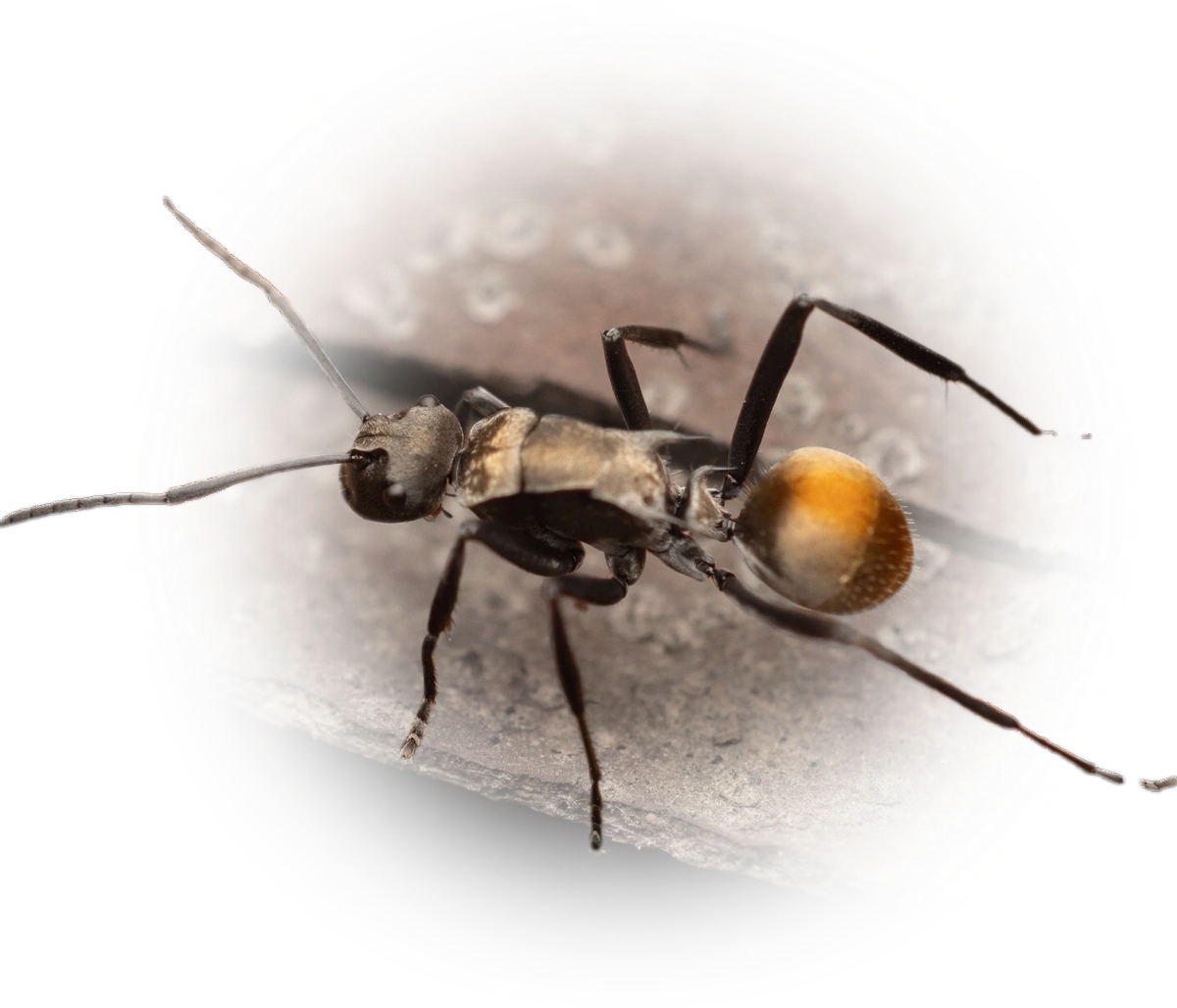
Polyrhachis ammon
- Scientific Name
- Polyrhachis ammon
- Subgenus
- Hagiomyrma
- Tribe
- Camponotini
- Subfamily
- Formicinae
- Author
- Fabricius, 1775
- Common Name
- Golden-tailed Spiny Ant
- Distribution
- Found in 1 countries
- Nuptial Flight
- from January to December, peaking in January
AI Identifiable
try →
Polyrhachis ammon Overview
Polyrhachis ammon (commonly known as the Golden-tailed Spiny Ant) is an ant species of the genus Polyrhachis. It is primarily documented in 1 countries , including Australia. Detailed taxonomic data and occurrence records can be further explored via authoritative databases such as AntWeb or the Global Biodiversity Information Facility (GBIF).
The nuptial flight of Polyrhachis ammon is a significant biological event, typically occurring from January to December, peaking in January. During this time, winged queens and males leave the nest to mate and establish new colonies.
Polyrhachis ammon - "Golden-tailed Spiny Ant"
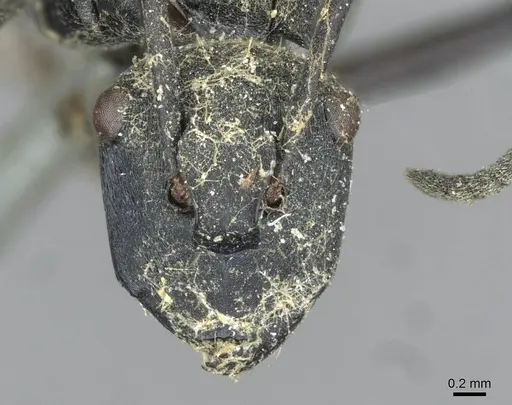
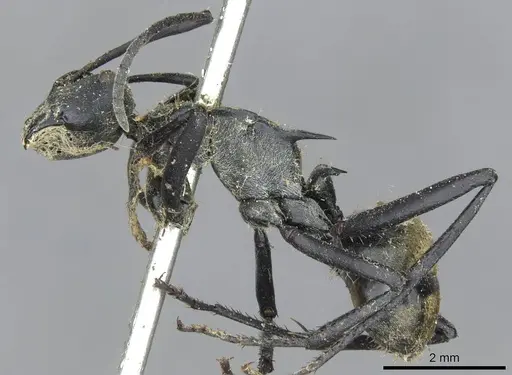
Polyrhachis ammon is a striking ant species native to eastern Australia, recognizable by its black body with distinctive golden-bronze pubescence that gives it a metallic sheen. Workers measure 7.9-9.8mm and feature characteristic spines on their thorax and petiole, the 'spiny ant' common name. Queens are larger at 9.8-11.1mm. This ground-nesting species inhabits open eucalypt forests along the eastern Australian seaboard from Queensland to Victoria, with some populations extending inland to the Australian Capital Territory [1].
What makes P. ammon particularly interesting is its highly mobile nesting behavior, this species regularly abandons and establishes new nests, with studies showing around 50% of nests being abandoned during summer months [2]. They are diurnal foragers that primarily feed on nectar from flowers and extrafloral nectaries, making them important pollinators in their native ecosystem [2][3].
Quick Summary
- Difficulty: Medium
- Origin & Habitat: Eastern Australia, open eucalypt forests along the seaboard from Queensland south to Victoria and inland to ACT [1]
- Colony Type: Colony structure varies from small monogynous colonies with a few hundred workers to large polydomous, often polygynous colonies with several thousand workers [3]. Queens are documented and colonies can support multiple egg-laying queens.
- Colony: Optionally polygyne
- Founding: Claustral
- Size & Growth:
- Queen: 9.78-11.14 mm [1]
- Worker: 7.91-9.83 mm [1]
- Colony: Several thousand workers in established colonies [3]
- Growth: Moderate
- Development: 6-10 weeks (estimated based on related Formicinae) (Development time is estimated, no specific study found for this species. Related Polyrhachis species typically take 6-10 weeks from egg to worker at optimal temperatures.)
- Antkeeping:
- Temperature: Keep at 22-26°C. As an Australian species from temperate to subtropical regions, they do best in warm conditions with a gentle gradient. Room temperature in most homes (20-24°C) is suitable, with a heating cable on one side of the nest for cooler months.
- Humidity: Moderate humidity around 50-60%. These ground-nesting ants prefer somewhat dry conditions compared to rainforest species. Allow the nest substrate to dry partially between waterings, aim for consistently damp but not waterlogged conditions.
- Diapause: Yes, Australian temperate species require a winter rest period. Reduce temperature to 15-18°C for 2-3 months during winter (Southern Hemisphere winter = June-August in captivity). This mimics their natural seasonal cycle.
- Nesting: Subterranean nesters that use carton material to line their chambers [4]. In captivity, they do well in Y-tong nests, acrylic formicariums with soil substrate, or naturalistic setups with deep soil layers. Provide a nest chamber of moderate size, these ants aren't particularly large but can form substantial colonies.
- Behavior: Polyrhachis ammon is a diurnal species that forages primarily on vegetation, seeking nectar from flowers and extrafloral nectaries [3][2]. They are not particularly aggressive but will defend their nest. Workers are moderate in size (around 8-10mm) with good escape prevention needed, they can climb smooth surfaces but are not extreme escape artists like some tiny species. They have formic acid for defense but rarely sting humans. Their notable behavior is frequent nest relocation, expect them to potentially move their colony if conditions aren't optimal [2].
- Common Issues: frequent nest relocation, they may abandon a formicarium if stressed or if conditions aren't ideal, so provide stable, optimal conditions, small foraging parties, they don't recruit heavily to food sources, so don't be alarmed if only 3-4 workers arrive at bait initially [2], seasonal abandonment, colonies may seem to 'disappear' in summer as they relocate, this is natural behavior for this species, overheating risk, being Australian, they tolerate warmth but can be stressed by excessive heat above 30°C, humidity sensitivity, too wet conditions cause stress and mold issues, keep substrate moderately dry rather than damp
Nuptial Flight Activity Analysis 73 observations
Flight Activity by Hour 73 observations
Polyrhachis ammon nuptial flight activity peaks around 16:00 during the afternoon. Activity is spread across a 21-hour window (01:00–21:00). A secondary activity peak occurs around 09:00. Times may be influenced by human observation patterns.
Housing and Nest Setup
Polyrhachis ammon is a subterranean nester that naturally digs chambers in soil and lines them with carton material [4]. In captivity, they adapt well to various setups. A Y-tong (acrylic) nest with a soil chamber works excellently, as does a naturalistic formicarium with a deep soil layer (at least 5-8cm). The nest chamber should be dark, these ants prefer dim conditions for their brood chambers. Provide an outworld (foraging area) connected to the nest via tubing. Because they frequently relocate their nests in the wild [2], ensure the setup allows for potential colony movement, avoid single-piece nests that can't be opened. Escape prevention is moderate, these ants are large enough that standard barriers work well, but they can climb smooth surfaces.
Feeding and Diet
In the wild, Polyrhachis ammon relies heavily on nectar from flowers and extrafloral nectaries, with studies showing they also consume bird feces and hemipteran honeydew [2][3]. They are opportunistic predators of small arthropods but don't form large hunting parties. In captivity, offer a varied diet: sugar water or honey water as a constant energy source, small live insects (fruit flies, small crickets, mealworms) as protein, and occasional sweet treats like ripe fruit. They are not aggressive foragers, expect only a few workers to arrive at food sources initially [2]. Feed protein 2-3 times per week and keep sugar water available at all times. Remove uneaten prey after 24 hours to prevent mold.
Temperature and Seasonal Care
As an Australian species from temperate to subtropical regions, Polyrhachis ammon prefers warm conditions. Keep the nest area at 22-26°C, with a slight gradient allowing workers to choose their preferred temperature. A heating cable placed on one side of the nest can help maintain warmth, especially in cooler months. During winter (or a 2-3 month period of reduced temperatures), simulate their natural cycle by lowering temperatures to 15-18°C. This winter rest period is important for colony health and triggering spring breeding behavior. Avoid temperatures above 30°C as this can stress the colony. Room temperature (20-24°C) is generally suitable for this species. [1]
Understanding Their Behavior
Polyrhachis ammon has several behaviors that distinguish it from common ant pets. They are diurnal, actively foraging during daylight hours, primarily in the vegetation layer rather than on the ground [3]. Perhaps most notably, they frequently relocate their nests, studies in their native habitat show they abandon approximately 50% of nests during summer months [2]. This means if your colony seems to disappear or relocate within their formicarium, this is natural behavior. They also don't recruit heavily to food sources, unlike species that form long trails to resources, only 3-4 workers typically arrive at bait [2]. This doesn't mean the colony is weak, it's simply their foraging strategy. They are not particularly aggressive toward keepers but will defend the nest if threatened.
Colony Development
Polyrhachis ammon colonies can grow quite large, with established colonies reaching several thousand workers in the wild [3]. Queens are 9.8-11mm and workers are 7.9-9.8mm, these are substantial ants. Development from egg to worker is estimated at 6-10 weeks based on related Formicinae species, as no specific study documents their exact development timeline. Colonies may start slowly as the queen raises her first nanitic workers, then growth accelerates once the first workers begin foraging. Mature colonies can become polygynous (multiple egg-laying queens), which accelerates growth. The presence of multiple queens in wild colonies has been documented [3].
Frequently Asked Questions
How long does it take for Polyrhachis ammon to produce first workers?
Expect first workers (nanitics) approximately 6-10 weeks after the queen lays her first eggs. This is an estimate based on related Formicinae species, no specific development study exists for P. ammon. The exact timing depends on temperature, with warmer conditions (around 24-26°C) speeding development.
Can I keep multiple Polyrhachis ammon queens together?
Yes, this species can be polygynous (multiple egg-laying queens in one colony) in the wild [3]. However, introducing unrelated queens to an established colony carries risks. If you acquire a wild colony, it may already contain multiple queens. For newly caught single queens, it's generally safer to let them found colonies individually rather than attempting pleometrosis (multiple queen founding) without experience.
Why are only a few workers coming to the food?
This is normal behavior for Polyrhachis ammon. Studies show they typically forage in small groups of 3-4 workers rather than forming large recruitment trails [2]. They are not aggressive foragers and rely more on opportunistic foraging. This doesn't indicate a weak colony, it's simply their species-typical foraging strategy.
Do they need hibernation or winter rest?
Yes, as an Australian temperate species, they benefit from a winter rest period. Reduce temperatures to 15-18°C for 2-3 months, typically during winter. This mimics their natural seasonal cycle and helps trigger spring breeding behavior. Do not maintain them at warm temperatures year-round.
Why did my colony abandon their nest?
This is natural behavior for Polyrhachis ammon, they frequently relocate nests in the wild, with studies showing ~50% summer nest abandonment [2]. In captivity, they may move if conditions are suboptimal (too wet, too dry, too hot, too cold, or disturbed). Ensure stable conditions with appropriate humidity and temperature. If they relocate, provide a new suitable nest chamber.
What do Polyrhachis ammon eat in captivity?
Their diet should include sugar sources (honey water or sugar water constantly available) and protein (small live insects like fruit flies, small crickets, or mealworms offered 2-3 times weekly). They also occasionally accept fruit. In the wild they consume flower nectar, extrafloral nectaries, and bird feces [2], so variety is appreciated.
Are Polyrhachis ammon good for beginners?
They are rated as medium difficulty. They are more challenging than beginner species like Lasius or Tetramorium because they require specific temperature management, winter dormancy, and can be sensitive to humidity. However, they are not as difficult as some tropical species. Their interesting behaviors (frequent nest relocation, small foraging parties) make them rewarding for keepers willing to meet their needs.
When should I move them to a formicarium?
Move from a founding setup (test tube) to a formicarium once the colony reaches 20-30 workers and the test tube space becomes cramped. Polyrhachis ammon prefers subterranean nests, so provide a setup with soil or a deep chamber. They adapt well to Y-tong nests with soil or naturalistic formicariums.
How big do Polyrhachis ammon colonies get?
Mature colonies can reach several thousand workers in the wild [3]. In captivity, well-cared-for colonies can reach 1000-3000+ workers over several years. They are capable of forming polydomous colonies (multiple nest sites connected), which supports large population sizes.
References

This caresheet is licensed under CC BY-SA 4.0 .
CASENT0217741
View on AntWeb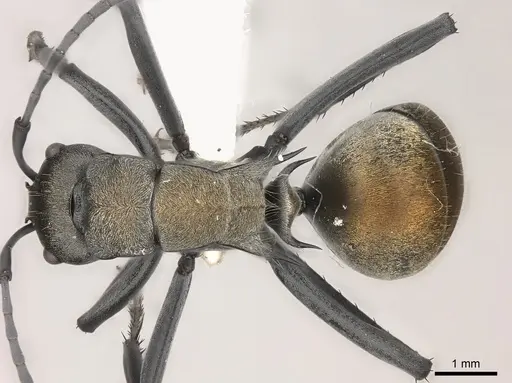
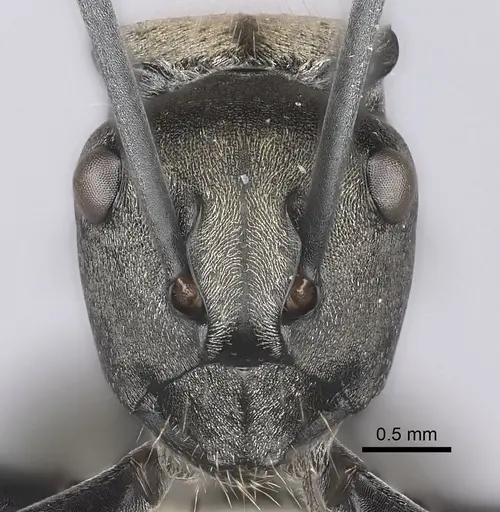
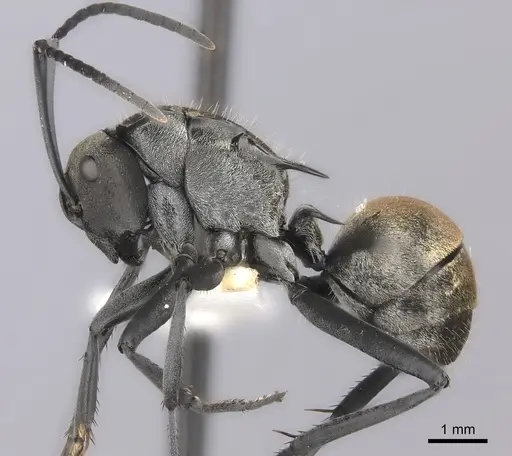
CASENT0887779
View on AntWeb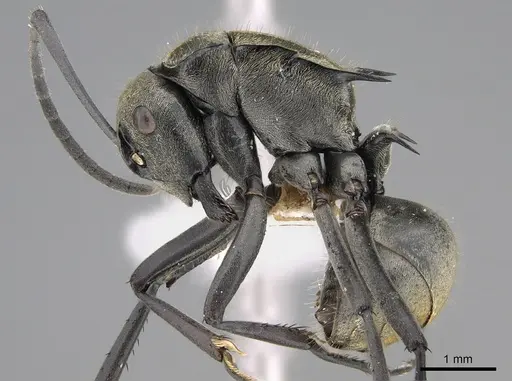
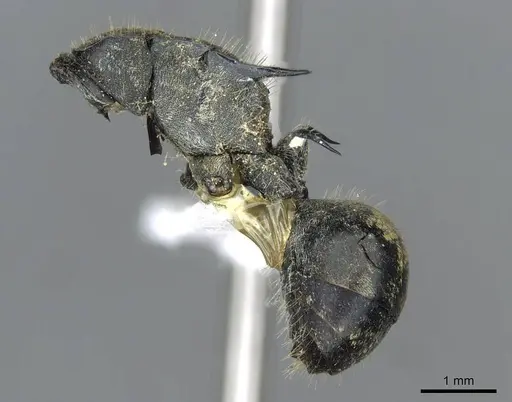
CASENT0910800
View on AntWeb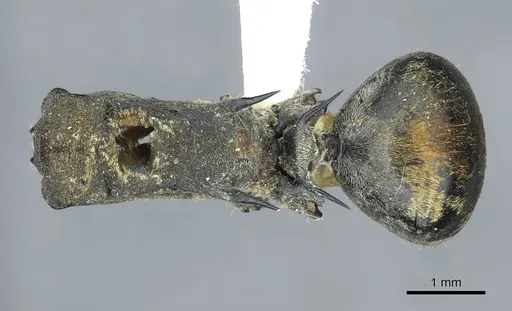
CASENT0910801
View on AntWeb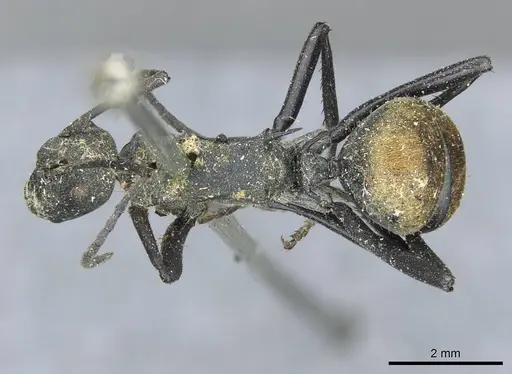
Literature
Loading...Loading products...