

Polyrhachis andrei
- Scientific Name
- Polyrhachis andrei
- Subgenus
- Myrma
- Tribe
- Camponotini
- Subfamily
- Formicinae
- Author
- Emery, 1921
- Distribution
- Found in 1 countries
Polyrhachis andrei Overview
Polyrhachis andrei is an ant species of the genus Polyrhachis. It is primarily documented in 1 countries , including Congo. Detailed taxonomic data and occurrence records can be further explored via authoritative databases such as AntWeb or the Global Biodiversity Information Facility (GBIF).
Polyrhachis andrei
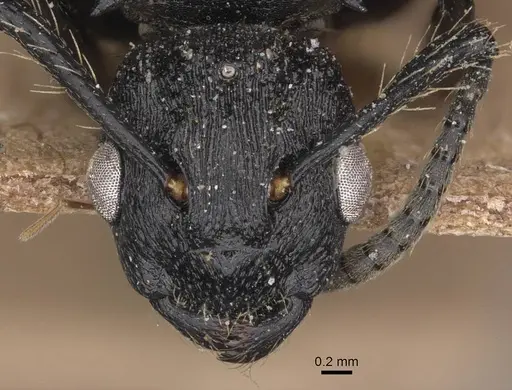
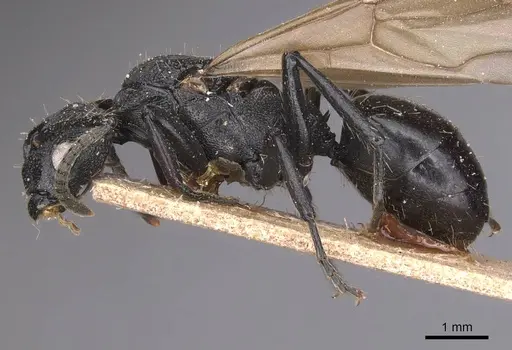
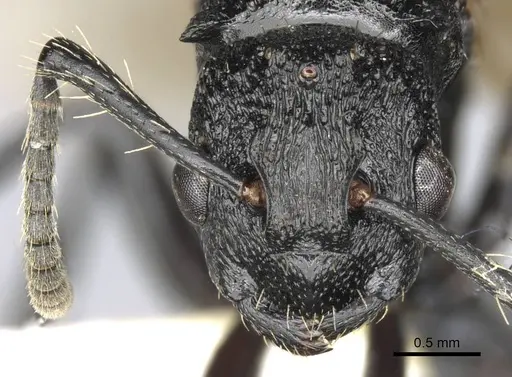
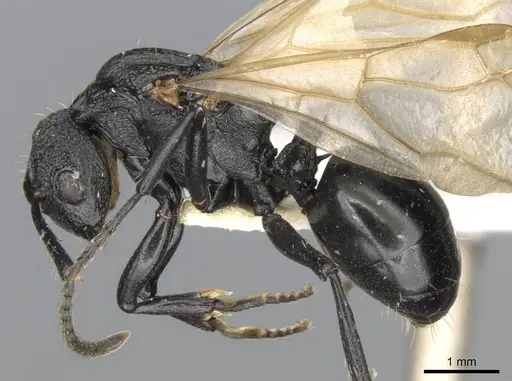
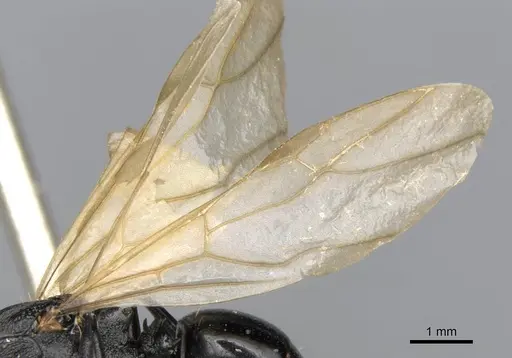
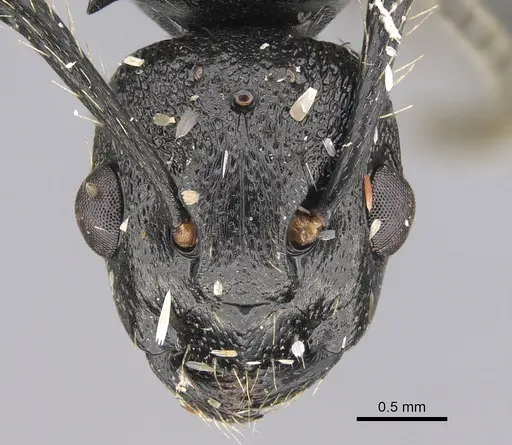
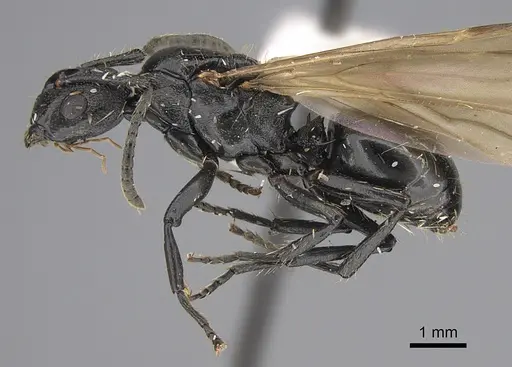
Polyrhachis andrei is a striking African ant known for its distinctive appearance. Workers are black with six prominent spines on the petiole (the narrow waist section), a feature that gives them the common name 'spiny ants' [1]. They belong to the militaris species group and have eyes positioned near the front of their head [1]. Workers measure around 1.6mm in head length, making them a moderately sized ant [1]. Queens are larger at 1.7-1.9mm and were originally described by Emery in 1921,with the worker only formally described in 2016 [1].
This species is part of the Myrma subgenus and is found across central to west Africa, including Cameroon, Congo, Ghana, and Tanzania [2]. They inhabit primary forest environments, typically collected in pitfall traps in forest floor contexts [2]. The militaris group is known for its elaborate spiny projections, and P. andrei is one of only two African species with six petiolar spines [2].
Quick Summary
- Difficulty: Unknown, Limited Data
- Origin & Habitat: Central to West Africa including Cameroon, Congo, Ghana, and Tanzania. Found in primary forest environments [2][1].
- Colony Type: Unconfirmed colony structure, only recently described (worker in 2016) with no documented colony observations [1].
- Size & Growth:
- Queen: 1.72-1.89mm [1]
- Worker: 1.63mm head length (HL) [1]
- Colony: Unknown, no colony size data available
- Growth: Unknown, no development data available
- Development: Unknown, no direct measurements. Based on typical Polyrhachis patterns, expect 6-10 weeks at tropical temperatures. (Development timeline has not been directly studied. Polyrhachis is a tropical genus, so development is likely faster than temperate species.)
- Antkeeping:
- Temperature: Likely 24-28°C based on tropical African distribution. Start in this range and observe colony activity for adjustment.
- Humidity: Moderate to high, primary forest habitat suggests they prefer humid conditions. Keep nest substrate moist but not waterlogged.
- Diapause: Likely no true diapause given tropical distribution. Some reduced activity during cooler seasons may occur.
- Nesting: No specific nesting data exists for this species. Most Polyrhachis are arboreal or semi-arboreal, often nesting in vegetation, under bark, or in hollow stems. A naturalistic setup with climbing structures or a Y-tong/plaster nest with multiple chambers would be appropriate.
- Behavior: Behavior is unstudied in captivity. Based on genus patterns, they are likely less aggressive than some Polyrhachis species. Workers are moderately sized at about 1.6mm, so escape prevention should be adequate but not as critical as for tiny species. They are likely to be active foragers with moderate movement speed. The six spines may serve as a defense mechanism.
- Common Issues: Very limited species-specific data means care requirements are largely inferred from genus patterns, No established captive breeding protocols exist for this species, Wild-caught colonies may have unknown parasites or diseases, Growth rate is unknown, making it difficult to assess colony health, Temperature and humidity preferences are estimates based on habitat, not documented
Species Identification and Range
Polyrhachis andrei is a distinctive species within the militaris group. The most notable feature is the six petiolar spines or teeth, only two African Polyrhachis species share this trait, with P. decemdentata being the other. You can distinguish P. andrei by its sparse, stiff standing hairs that are mostly located at the tips of the tibiae and scapes, whereas P. decemdentata has abundant thin hairs evenly distributed across legs and scapes [1]. The species was originally described from a queen collected in Cameroon by Emery in 1921,with the worker formally described only in 2016 by Rigato [1]. The distribution covers the Afrotropical region including Cameroon, Congo, Ghana, and Tanzania [2].
Natural Habitat
This species has been collected from primary forest environments in the Naira region of the Democratic Republic of Congo [2]. The primary forest habitat suggests they prefer shaded, humid conditions with stable temperatures. As a tropical African species, they likely experience warm temperatures year-round with high humidity. The militaris group species are typically ground-dwelling to semi-arboreal, though specific nesting habits for P. andrei are unknown. In captivity, providing a naturalistic setup that mimics forest floor conditions would be appropriate.
Housing and Nesting
Since specific nesting data doesn't exist for P. andrei, we can make educated guesses based on genus behavior. Most Polyrhachis species are arboreal or semi-arboreal, often nesting in vegetation, under loose bark, or in hollow stems. A Y-tong (acrylic) nest or plaster nest with multiple chambers works well for Polyrhachis. Given their tropical origin, they need humidity but also some ventilation to prevent mold. A naturalistic setup with climbing structures and moss can simulate their natural environment. Keep the nest substrate consistently moist but not waterlogged.
Feeding and Diet
Polyrhachis species are typically omnivorous, feeding on honeydew, nectar, and small insects. In captivity, you should offer a varied diet: sugar water or honey as a constant energy source, and protein sources like small crickets, mealworms, or other insects. Since this species is from primary forest, they likely forage actively on vegetation and the forest floor. Feed protein 2-3 times per week and keep sugar water available at all times. Remove uneaten prey after 24 hours to prevent mold.
Temperature and Seasonal Care
As a tropical African species from primary forest, P. andrei likely prefers warm, stable temperatures around 24-28°C. Avoid temperature drops below 20°C. Unlike temperate species, they probably don't require a true diapause period. However, if kept in a temperate climate, you may see reduced activity during winter months when room temperatures drop. A heating cable on one side of the nest can create a temperature gradient, allowing the colony to self-regulate. Monitor colony activity, if workers cluster near the heat source, increase temperature slightly.
Challenges and Limitations
This is one of the least-studied ant species in captivity. The worker was only formally described in 2016,meaning there's essentially no biological or ecological data available beyond basic morphology. This makes species-specific care recommendations difficult. You should expect a learning curve and be prepared to adjust care based on colony behavior. Starting with a colony from a knowledgeable keeper who has kept this species successfully is ideal. Wild-caught colonies may carry parasites or diseases not yet understood. Document your observations carefully, you may be contributing to the first captive breeding records for this species. [1]
Frequently Asked Questions
How long does it take for Polyrhachis andrei to produce first workers?
The egg-to-worker timeline is unknown for this species as it has never been studied in captivity. Based on typical Polyrhachis genus patterns at tropical temperatures (24-28°C), expect approximately 6-10 weeks from egg to first worker. This is an estimate only.
What do Polyrhachis andrei ants eat?
They are likely omnivorous like other Polyrhachis species. Offer sugar water or honey as a constant energy source, and protein sources like small crickets, mealworms, or other insects. Feed protein 2-3 times per week.
Are Polyrhachis andrei good for beginners?
This species is not recommended for beginners due to the complete lack of captive care data. The worker was only described in 2016,meaning there's no established protocol for keeping this species alive in captivity. Consider starting with more established species like Lasius niger or Camponotus species.
What temperature do Polyrhachis andrei need?
Based on their tropical African distribution, aim for 24-28°C. Avoid temperatures below 20°C. A heating cable on part of the nest can provide a gradient.
How big do Polyrhachis andrei colonies get?
Colony size is unknown, no colony size data exists for this species. Based on related Polyrhachis species, colonies may reach several hundred workers over time.
Can I keep multiple queens together?
Colony structure is unconfirmed for this species. No data exists on whether they are single-queen (monogyne) or multi-queen (polygyne). Do not combine unrelated queens without specific knowledge of their social structure.
What type of nest should I use for Polyrhachis andrei?
A Y-tong (acrylic) nest or plaster nest with multiple chambers works well. Since Polyrhachis are often semi-arboreal, include climbing structures in the outworld. Keep the nest humid but well-ventilated.
Do Polyrhachis andrei need hibernation?
Likely no, as a tropical species from central to west Africa, they probably don't require a true diapause. They may show reduced activity in cooler conditions but should be kept warm year-round.
Why is so little known about Polyrhachis andrei?
The worker of this species was only formally described in 2016 by Rigato, previously it was only known from queens described by Emery in 1921 [1]. This is a newly described species with virtually no biological or ecological research. Captive keeping information is essentially nonexistent.
References

This caresheet is licensed under CC BY-SA 4.0 .
CASENT0250043
View on AntWeb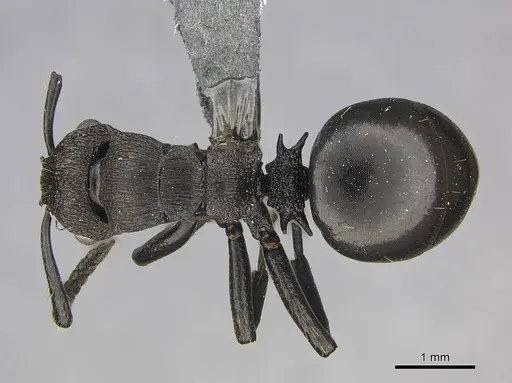
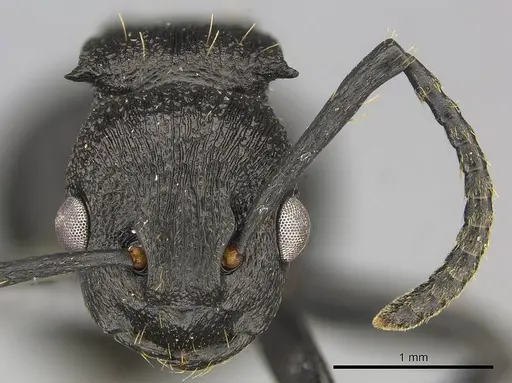
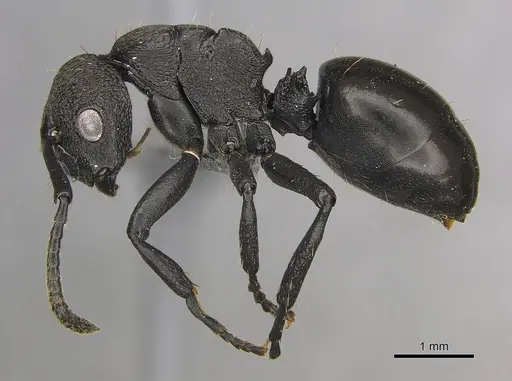
CASENT0905622
View on AntWeb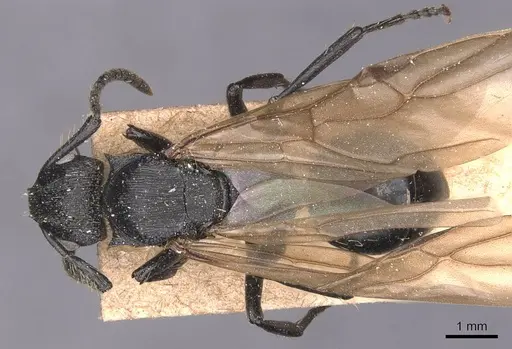
CASENT0906824
View on AntWeb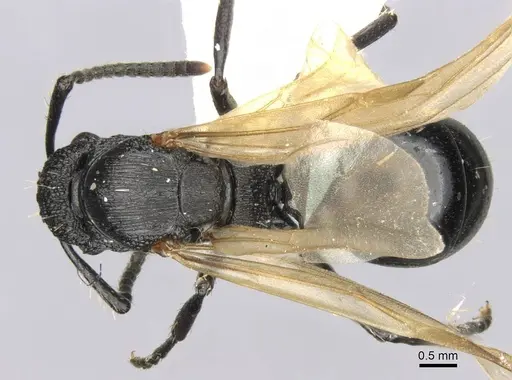
CASENT0923480
View on AntWeb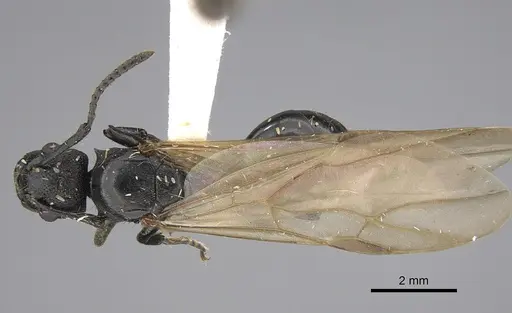
Literature
Loading...Loading products...