

Polyergus topoffi
- Scientific Name
- Polyergus topoffi
- Tribe
- Formicini
- Subfamily
- Formicinae
- Author
- Trager, 2013
- Common Name
- Topoff's Amazon Ant
- Distribution
- Found in 2 countries
Polyergus topoffi Overview
Polyergus topoffi (commonly known as the Topoff's Amazon Ant) is an ant species of the genus Polyergus. It is primarily documented in 2 countries , including Mexico, United States of America. Detailed taxonomic data and occurrence records can be further explored via authoritative databases such as AntWeb or the Global Biodiversity Information Facility (GBIF).
Polyergus topoffi - "Topoff's Amazon Ant"
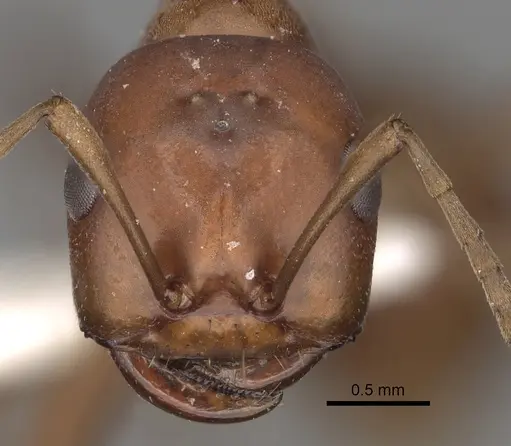
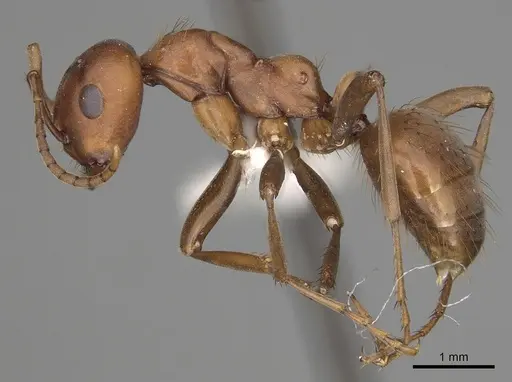
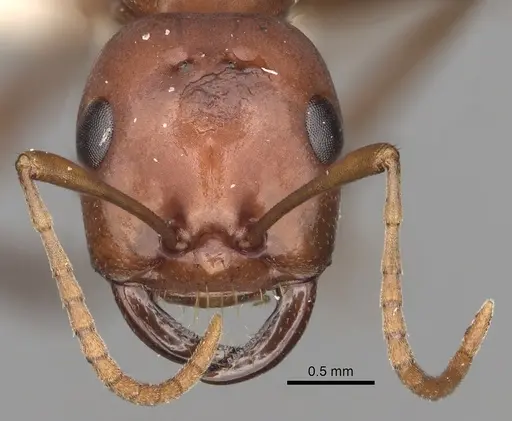
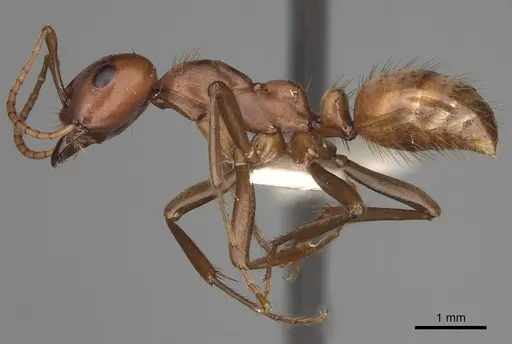
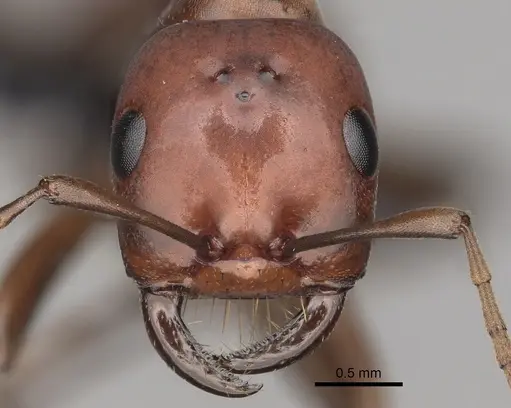
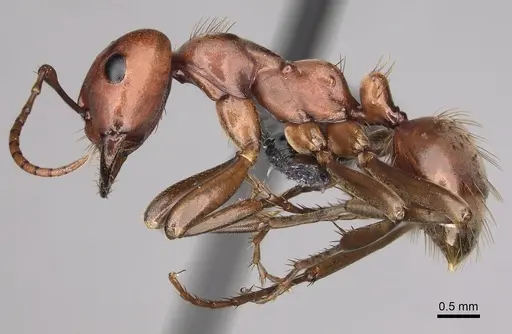
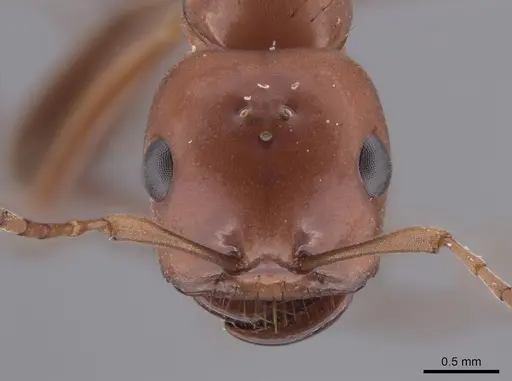
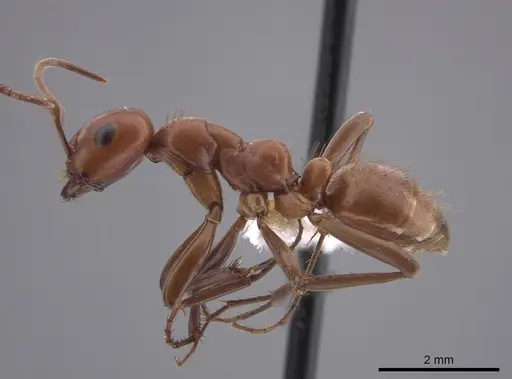
Polyergus topoffi is a striking reddish-brown slave-making ant native to the American Southwest and highland Mexico. Workers measure 5.5-6.6mm with a nearly rectangular head and notably long, club-shaped antennae scapes. Their coloration is a tannish-red with darker infuscation on the rear portions of the abdomen. This species was only formally described in 2013,though it had been extensively studied for decades under the name P. breviceps or P. mexicanus. What makes this ant remarkable is its parasitic lifestyle, it cannot survive without enslaved host workers from the genus Formica, specifically Formica gnava and related species. The ants raid host colonies in the evening hours, stealing pupae to raise as workers that serve the parasite colony. This is one of the best-studied North American Polyergus species, with extensive research from the Portal, Arizona area.
Quick Summary
- Difficulty: Expert
- Origin & Habitat: Arizona and highland Mexico (Cochise, Gila, Santa Cruz counties in AZ, Hidalgo, Chihuahua, Durango in Mexico). Found in riparian desert scrub at 1450m elevation up to oak-juniper and conifer forest around 1900m [1]. Also inhabits subtropical Madrean scrublands and oak woodlands in Mexican highlands [2].
- Colony Type: Socially parasitic, permanently dependent on host Formica colonies. Queen invades host nest, kills the resident queen, and uses host workers to raise her brood. The colony consists of Polyergus workers (the 'slavers') and enslaved Formica workers (the 'slaves') [3].
- Colony: Monogyne
- Queen: Socially parasitic
- Special: Slave-making
- Size & Growth:
- Queen: Not specifically measured in primary literature, estimated 8-10mm based on genus patterns
- Worker: 5.5-6.6mm (TL) [1]
- Colony: Colony size data not specifically documented, likely similar to related species at several hundred workers
- Growth: Moderate, depends on host colony health and raiding success
- Development: Unknown, development occurs within host colony and depends on host worker care (Development is entirely dependent on host workers raising the parasite brood)
- Antkeeping:
- Temperature: Keep at room temperature (20-24°C). This is a warm-climate species from Arizona and Mexico, so moderate warmth is beneficial. Avoid temperatures below 18°C or above 30°C
- Humidity: Standard room humidity (40-60%) is adequate. Ensure the nest has a water tube for moisture, host Formica colonies prefer slightly moist substrate
- Diapause: Likely requires a mild winter rest period (diapause) given temperate-mountain origin. Reduce temperature to 10-15°C for 2-3 months in winter
- Nesting: This species cannot be kept without a host Formica colony. A naturalistic setup with two connected sections works best, one for the Polyergus and one for the host Formica. The nests should allow for raids to occur. Y-tong or acrylic nests with narrow chambers work well for both species
- Behavior: Polyergus topoffi is a specialized slave-maker. Workers are not aggressive toward humans and do not sting. The species is fascinating to observe during raiding behavior, scouts locate host nests, then lead raiders back while depositing chemical trails. Queens must aggressively kill the host queen to take over the colony. The biggest challenge for keepers is the ethical consideration: this species cannot survive without exploiting another ant species. Escape risk is moderate, workers are medium-sized and can be contained with standard barriers.
- Common Issues: Keeping this species requires maintaining a healthy host Formica colony simultaneously, double the care requirements, The species cannot found colonies independently, you must establish both parasite and host together, Ethical concerns: this is a obligate social parasite that depends on exploiting another species, If the host colony dies, the Polyergus colony will also die, they cannot survive without enslaved workers, Raiding behavior can be disruptive and may stress host colonies if not properly managed
Understanding the Parasitic Lifestyle
Polyergus topoffi is an obligate social parasite, it cannot survive without a host colony of Formica ants. This is not a choice but a biological requirement. The queen cannot found a colony on her own, she must invade an established Formica nest, kill the resident queen through aggressive biting, and then use the host workers to raise her own brood [3]. The resulting colony contains both Polyergus workers (the 'slavers') and Formica workers (the 'slaves') that do all the foraging, nest maintenance, and brood care. This relationship is permanent, the colony cannot exist without its host. For antkeepers, this means you must maintain two colonies: the parasite Polyergus colony and a healthy host Formica colony. The ethical implications of keeping slave-making ants are debated in the hobby, some keepers avoid them entirely, while others see them as fascinating examples of ant social complexity.
Housing Requirements: The Dual Colony System
Keeping Polyergus topoffi requires a specialized setup with two connected ant farms, one for the parasite colony and one for the host Formica colony. The connection allows raids to occur naturally, which is essential for the Polyergus colony to acquire new enslaved workers. Use a Y-tong (AAC) or acrylic formicarium with separate chambers for each species. The host colony should be larger and well-established before introducing the parasite queen. Some keepers prefer to keep the colonies completely separate and simply transfer Formica pupae during raids, this is more controlled but less natural. Either way, you need expertise in keeping Formica ants (particularly Formica gnava or similar species) before attempting to keep Polyergus. The nesting area should have narrow chambers appropriate for medium-sized ants, with a water tube for moisture.
Feeding and Nutrition
The enslaved Formica workers do all the foraging, so the Polyergus colony essentially eats whatever the host workers bring in. Formica gnava and related species are omnivorous, accepting protein sources (insects, mealworms, crickets) and sugar sources (honey water, sugar water). The host colony should be fed a varied diet: protein 2-3 times per week and constant access to sugar water. The Polyergus workers themselves may beg for food from the host workers or directly consume liquids. Do not expect the Polyergus workers to forage independently, they are specialized for raiding, not normal foraging. A well-fed host colony is essential because it directly affects the health of the parasite colony.
Raiding Behavior and Observation
One of the most fascinating aspects of keeping this species is observing the raid behavior. In the wild, raids occur after the heat of the day, typically between 5 PM and dusk [2]. Scouts use visual cues to locate host nests and then lead raiders back, depositing chemical trails along the way [3]. The raids are remarkably efficient, Polyergus workers steal pupae from the host nest with little resistance and typically no mortality to host workers [2]. This is remarkable because Formica species are known for aggressive physical and chemical nest defense. The queen's takeover is even more dramatic: she pushes through defensive workers to find the queen chamber, then aggressively bites the host queen on the head, thorax, and abdomen until she dies, a process that can take half an hour. After the host queen is dead, workers shift from frenzied aggression to calmly grooming the new queen and adopting her eggs [3].
Temperature and Seasonal Care
As a species from Arizona and Mexican highlands, Polyergus topoffi prefers warm conditions. Keep the colony setup at room temperature, ideally 20-24°C. The Arizona populations experience cold winters at higher elevations, so a mild diapause (winter rest) is likely beneficial. During winter, reduce temperatures to 10-15°C for 2-3 months. This mimics the natural seasonal cycle and may improve colony health long-term. However, because the colony contains enslaved Formica workers, you should also consider the host species' needs, Formica gnava likely requires similar seasonal care. Avoid temperature extremes in either direction, below 18°C may slow activity too much, while above 30°C could stress both species. [1]
Ethical Considerations for Keepers
Before deciding to keep Polyergus topoffi, consider the ethical dimensions. This is an obligate parasite that cannot survive without exploiting another species. The host Formica workers are essentially 'enslaved', they do all the work of the colony while their own reproductive potential is eliminated. Some antkeepers refuse to keep slave-making species on principle, viewing it as unnatural or unethical. Others argue that observing this fascinating natural phenomenon is educational and that the colonies can be maintained responsibly. If you do keep this species, ensure you: (1) Have expertise in keeping Formica first, (2) Maintain both colonies responsibly, (3) Do not release any ants outside their native range, (4) Consider whether your motivations are educational rather than simply wanting to observe 'combat.' The species name topoffi honors Howard Topoff, whose research on this ant emphasized its biological significance rather than any desire to promote ant-fighting.
Frequently Asked Questions
Can I keep Polyergus topoffi without a host colony?
No. Polyergus topoffi is an obligate social parasite, it cannot survive without a host Formica colony. The queen cannot found a colony independently, she must invade an existing host nest, kill the resident queen, and use host workers to raise her brood. You must keep both the parasite and a host Formica colony (typically Formica gnava or related species).
What do I feed Polyergus topoffi?
You feed the host Formica colony, not the Polyergus directly. Formica gnava and related hosts are omnivorous, offer protein (insects, mealworms, crickets) 2-3 times per week and constant access to sugar water or honey water. The enslaved Formica workers forage and share food with the Polyergus workers. A healthy, well-fed host colony is essential for the parasite colony's survival.
How do the raids work in captivity?
In a connected colony setup, Polyergus scouts will locate the host nest, then lead raiders back while depositing chemical trails. The raiders enter the host nest and steal pupae, which are then raised by the host workers as enslaved workers. You can also manually transfer Formica pupae during observed raids. Raids typically occur in the evening hours, mimicking natural behavior.
Is Polyergus topoffi good for beginners?
No. This is an expert-level species. Keeping it successfully requires: (1) prior experience keeping Formica ants, (2) ability to maintain two colonies simultaneously, (3) understanding of parasitic colony dynamics, (4) willingness to deal with the ethical considerations of keeping a slave-making species. Beginners should start with easier species like Lasius, Tetramorium, or Camponotus.
How long do colonies live?
The colony can live for many years, Polyergus queens can live 10-15 years or more, similar to other Formicinae. However, the colony's survival depends entirely on the host Formica colony remaining healthy. If the host dies, the Polyergus colony will also die because they cannot forage or care for themselves.
References

This caresheet is licensed under CC BY-SA 4.0 .
CASENT0102822
View on AntWeb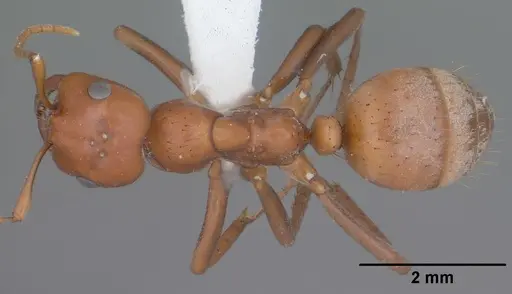
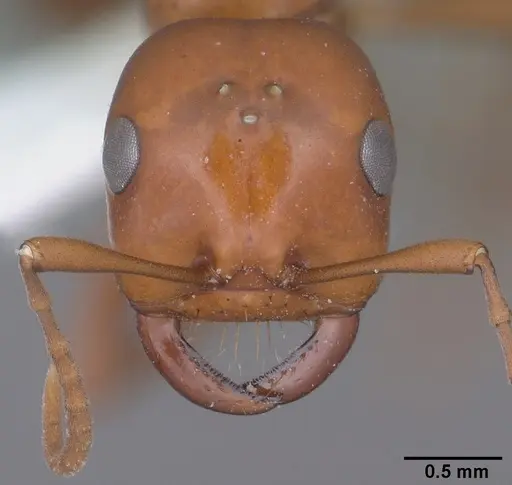
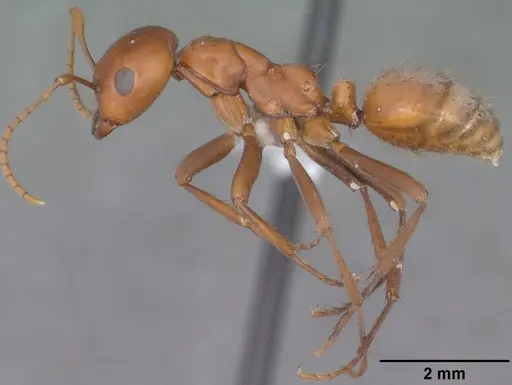
CASENT0281075
View on AntWeb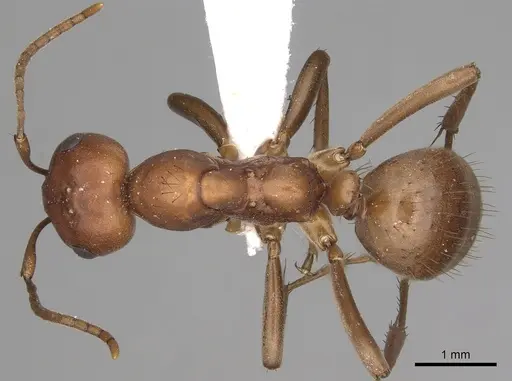
CASENT0281076
View on AntWeb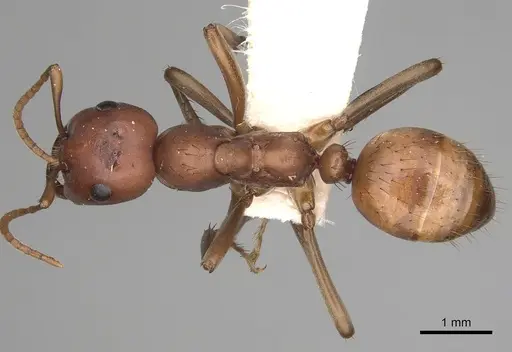
CASENT0281077
View on AntWeb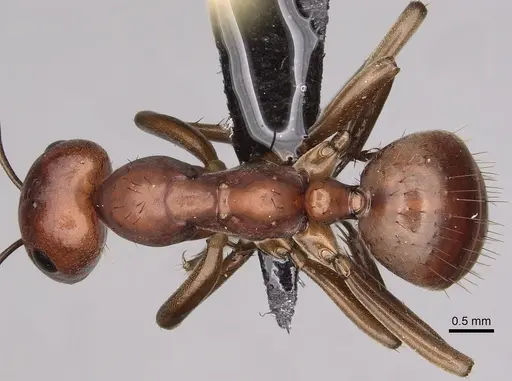
JTLC000007833
View on AntWeb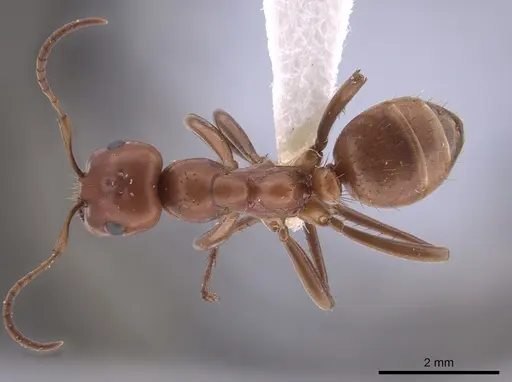
Literature
Loading...Loading products...