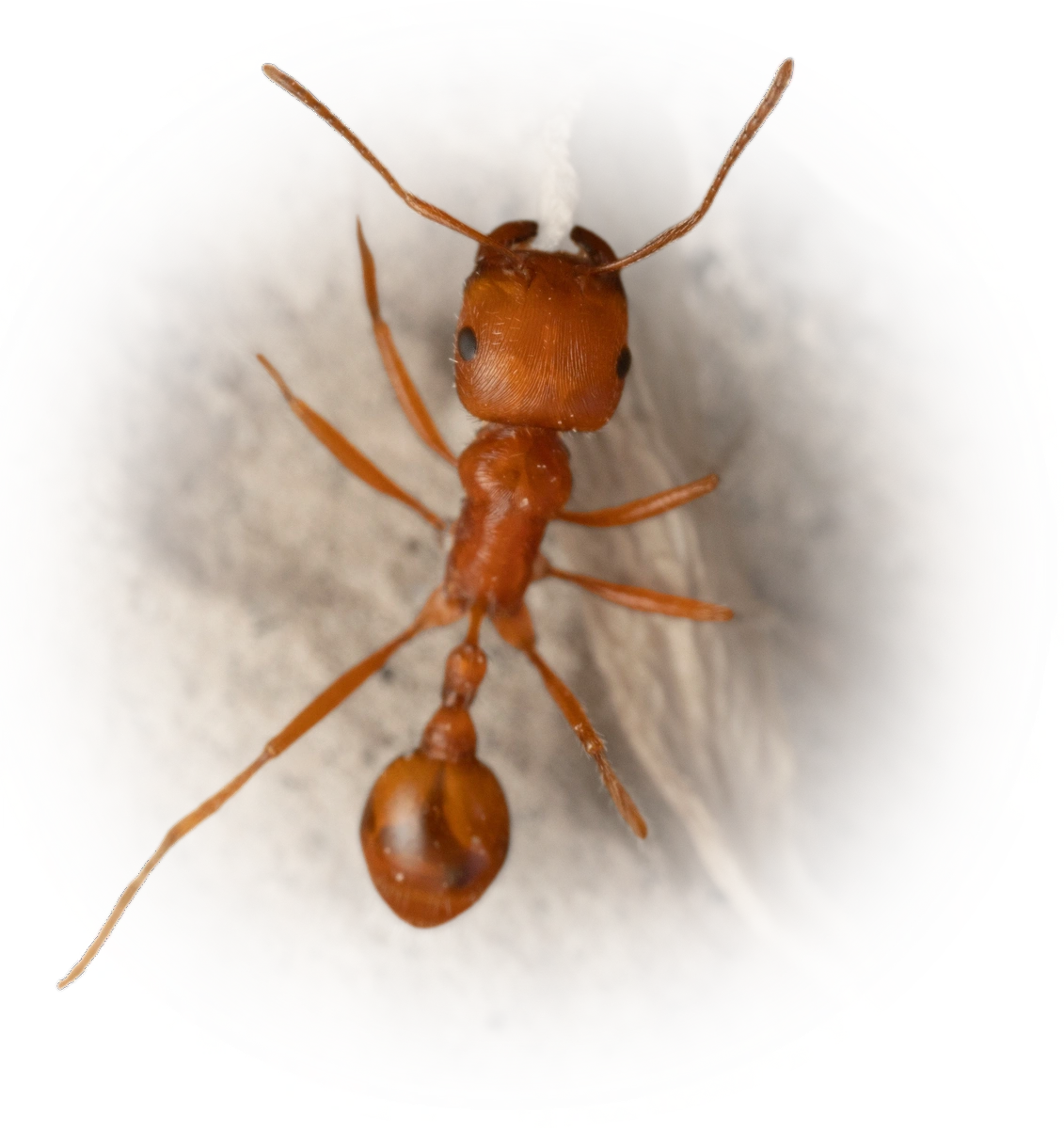

Pogonomyrmex maricopa
- Scientific Name
- Pogonomyrmex maricopa
- Tribe
- Pogonomyrmecini
- Subfamily
- Myrmicinae
- Author
- Wheeler, 1914
- Common Name
- Maricopa Harvester Ant
- Distribution
- Found in 2 countries
Pogonomyrmex maricopa Overview
Pogonomyrmex maricopa (commonly known as the Maricopa Harvester Ant) is an ant species of the genus Pogonomyrmex. It is primarily documented in 2 countries , including Mexico, United States of America. Detailed taxonomic data and occurrence records can be further explored via authoritative databases such as AntWeb or the Global Biodiversity Information Facility (GBIF).
Pogonomyrmex maricopa - "Maricopa Harvester Ant"
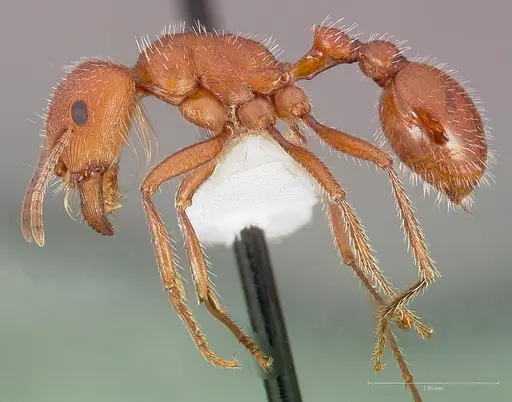
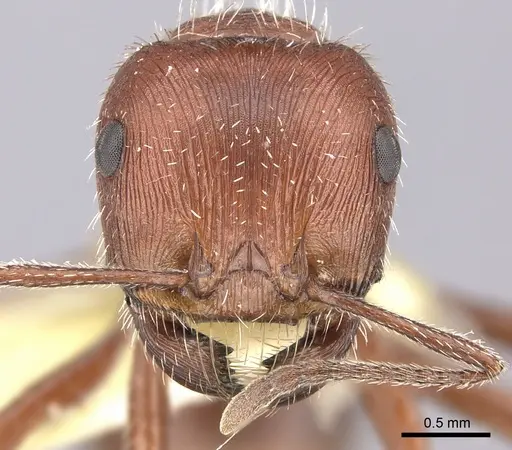
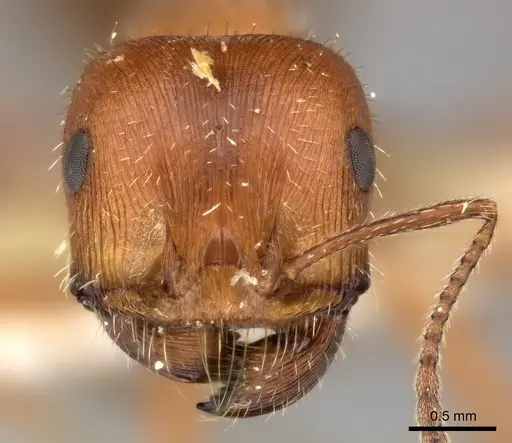
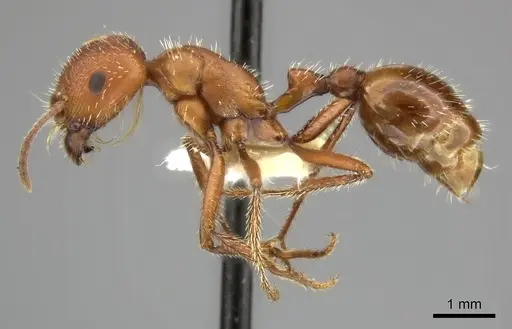
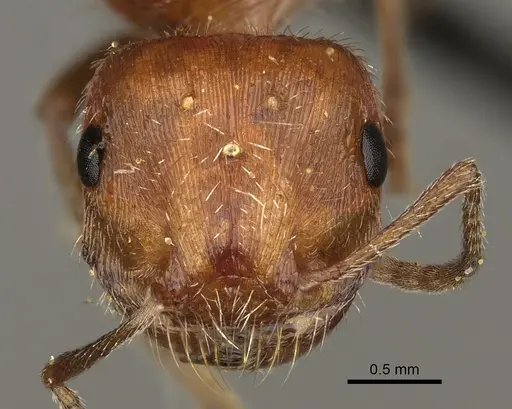
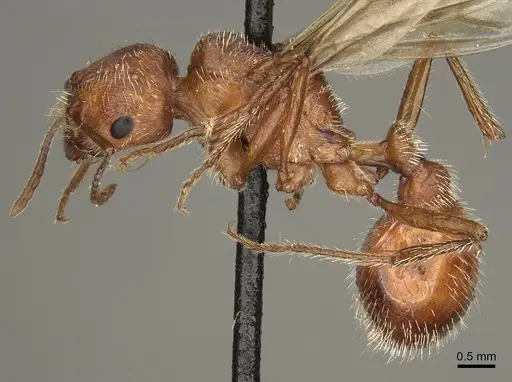
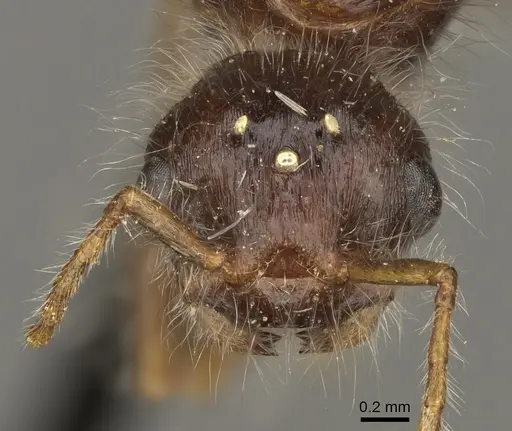
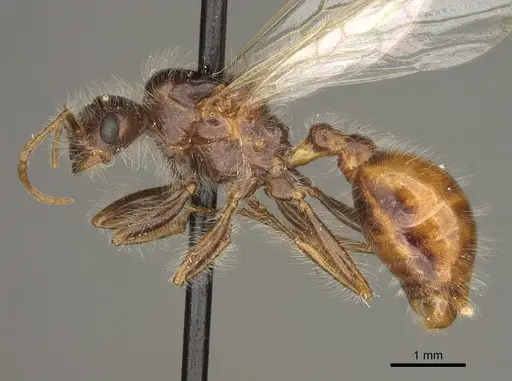
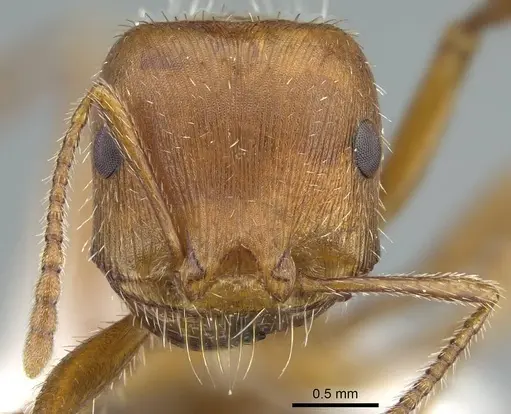
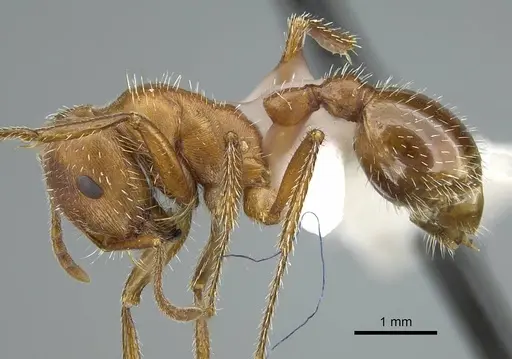
Pogonomyrmex maricopa is a medium-sized harvester ant native to the southwestern United States and northern Mexico. Workers measure 1.6-2.0mm and display a reddish-brown to deep ferrugineous color. The epinotum (the section behind the thorax) may be unarmed or have small angles, denticles, or short spines, making identification tricky as it closely resembles the related Pogonomyrmex californicus. This species is famous for having the most potent insect venom known, about 12 stings can kill a 2kg rodent. They build distinctive nests in sandy soils, often topped with sand craters or domes reinforced with calcium carbonate cement that protects against wind erosion. Colonies can grow massive in the wild, with some nests reaching 7 meters in diameter and 2 meters in height [1].
What makes P. maricopa particularly interesting is their unique nesting behavior. In areas lacking gravel or stones, they construct cemented caps on their sand mound nests using calcium carbonate transported from underlying soil layers, this is rare among ants and helps protect the nest structure during intense wind storms. They are individual foragers (solitary hunters) that collect seeds, dead insects, and other protein sources, and they defend their territory aggressively against neighboring colonies [2].
Quick Summary
- Difficulty: Medium
- Origin & Habitat: Native to the Chihuahuan Desert region of the southwestern United States (Arizona, New Mexico, southern Colorado, southern Utah, southeastern California) and northern Mexico (Baja California, Sonora, Chihuahua, Sinaloa). Found in all Chihuahuan Desert communities, especially areas with sandy soils. One of the few Pogonomyrmex species that can nest in loose sands like those at White Sands National Monument [3][4].
- Colony Type: Single-queen colonies (monogyne). Queens mate with multiple males (polyandrous), typically 2-3 times per queen [5][6][7].
- Colony: Monogyne
- Founding: Claustral, Semi-claustral
- Size & Growth:
- Queen: 1.98-2.28 mm
- Worker: 1.60-2.05 mm
- Colony: Colonies can reach thousands of workers. Wild nests can be massive, up to 7 meters diameter with mounds approaching 2 meters in height.
- Growth: Moderate
- Development: Estimated 6-10 weeks based on related Pogonomyrmex species development patterns at optimal temperatures. No specific study on P. maricopa development timing found. (Development time is inferred from genus-level data. Queens have substantial fat reserves (41.8% fat content,16.4mg dry mass) to support claustral founding [8].)
- Antkeeping:
- Temperature: Keep nest area at 25-32°C. This species is a hot climate specialist [4] with workers active between 25-46.5°C [9]. A heating cable on one side of the nest creates a temperature gradient. Room temperature may be sufficient if your home stays in the low-to-mid 20s°C range.
- Humidity: Keep substrate moderately dry to dry. These are desert ants adapted to arid conditions. Provide a shallow water dish for drinking, but avoid damp conditions in the nest area. The natural habitat features sandy, well-draining soils.
- Diapause: Yes, these ants are adapted to seasonal cycles in desert environments. Reduce temperature to around 15-18°C for 2-3 months during winter, mimicking natural conditions. Reduce feeding during this period.
- Nesting: Y-tong (AAC) or plaster nests work well. Provide a sandy digging area since they naturally nest in loose sandy soils. A formicarium with a deep sand chamber allows them to exhibit natural behaviors. Avoid wet/moist nest materials, they prefer dry conditions.
- Behavior: Extremely pugnacious and defensive. Workers will readily sting when the nest is disturbed, and mass-stinging can be dangerous. They are individual foragers that search for seeds and insects alone, though they will recruit nestmates to large food discoveries using pheromone trails [10]. They have strong site fidelity, returning to the same foraging areas. Territorial encounters with neighboring colonies can be intense, border conflicts often involve prolonged fighting. Escape prevention is important as they are active climbers, though not particularly small.
- Common Issues: Their extremely potent venom makes them dangerous to handle, use extreme caution during nest maintenance, Desert species requires dry conditions, too much humidity causes mold and colony stress, Aggressive defense means they will attack when nest is disturbed, work carefully and slowly, Large colony size requires significant space and food resources as they mature, Semi-claustral founding means queens may need to forage during early colony establishment, provide small prey items
Housing and Nest Setup
Pogonomyrmex maricopa does well in Y-tong (acrylic) nests or plaster formicariums with a sandy digging area. Since they naturally nest in loose sandy soils, providing a substrate they can dig into mimics their natural habitat. A deep chamber of at least 5-10cm of sandy soil works well. These are desert ants, so keep the nest relatively dry, avoid wet moss or water reservoirs that create humidity. A shallow outworld dish with seeds and occasional protein works as a feeding area. Ensure the formicarium has secure lids, while not tiny, these ants are determined climbers and will find any gap. [4][3]
Feeding and Diet
As seed-harvester ants, their diet consists primarily of seeds collected from the environment. In captivity, offer a variety of seeds, millet, chia, flax, and other small seeds are readily accepted. They also need protein from dead insects (fruit flies, mealworms, small crickets) to raise brood. Provide seeds constantly in a dish, and offer protein 2-3 times per week. Remove uneaten seeds periodically to prevent mold. Some keepers report they also accept small amounts of honey or sugar water, but seeds and insects should form the bulk of their diet. Unlike some ants, they are not highly attracted to sweet liquids. [10][2]
Temperature and Seasonal Care
These are hot climate specialists native to desert regions. Keep the nest area at 25-32°C for optimal activity and brood development. Workers remain active up to about 46.5°C in the wild, but captive colonies do well at standard room temperatures in heated setups. A small heating cable under one end of the nest creates a gradient they can choose from. During winter, provide a cooling period at 15-18°C for 2-3 months to simulate natural seasonal cycles. Reduce feeding during this dormancy period. This species has mating flights triggered by summer rainfall in the wild [12].
Behavior and Temperament
Pogonomyrmex maricopa is one of the most defensive ant species in North America. They have extremely potent venom, the most potent insect venom known with an LD50 of about 0.12 μg/g in mice [13][14]. A single sting causes pain lasting 18-72 hours. When disturbed, colonies will launch mass stinging attacks that can be dangerous. They are individual foragers rather than trail-based foragers, though they will recruit nestmates to large food discoveries. They maintain territories and will fight aggressively with neighboring colonies, especially at border zones. Handle with extreme caution, these ants should not be handled with bare hands.
Colony Development
Queens are claustral with substantial energy reserves, they contain about 41.8% fat and weigh around 16.4mg dry mass [8]. This supports the claustral founding phase where the queen seals herself in and raises the first workers alone. Founding is semi-claustral (facultative), meaning the queen may sometimes leave the nest to forage during early colony establishment. The first workers (nanitics) will be smaller than normal workers. Growth is moderate, colonies reach several thousand workers in the wild. Expect the colony to grow steadily over 2-4 years to reach moderate size.
Unique Nesting Behavior
One of the most fascinating aspects of P. maricopa is their construction of cemented nest caps. In areas where gravel and stones are absent (like sand dunes), they build dome-shaped caps on their nests using calcium carbonate transported from underlying soil layers. These caps can be 50-75% calcium carbonate by weight and protect the nest from wind erosion during intense spring sandstorms [1]. The ants deposit debris including plant fragments and fecal material on the nests as a substitute for rock fragments when gravel is unavailable. This behavior is unique among North American harvester ants and demonstrates remarkable adaptation to specific habitat conditions.
Frequently Asked Questions
How long does it take for Pogonomyrmex maricopa to produce first workers?
Based on related Pogonomyrmex species, expect first workers (nanitics) to emerge in approximately 6-10 weeks after the queen lays her first eggs. This timeline assumes optimal temperatures around 25-30°C. The exact timing for P. maricopa specifically has not been documented in scientific literature.
What do Pogonomyrmex maricopa eat?
They are seed-harvester ants that primarily collect seeds in the wild. In captivity, offer a mix of small seeds (millet, chia, flax) as a constant food source. They also need protein from dead insects (fruit flies, mealworms, small crickets) 2-3 times per week to raise brood. Some keepers report acceptance of honey or sugar water, but seeds should form the bulk of their diet.
Can I keep multiple Pogonomyrmex maricopa queens together?
No. This species is monogyne, colonies have a single queen. Multiple unrelated queens will fight to the death. Only introduce a queen to an established colony if you are attempting pleometrosis (multiple queen founding), but this is risky and not recommended for this species.
What temperature do Pogonomyrmex maricopa need?
Keep nest temperatures between 25-32°C. This is a hot climate specialist species that remains active up to about 46.5°C in the wild. A heating cable on one side of the nest creates a gradient. Room temperature may suffice if your home stays in the low-to-mid 20s°C.
Do Pogonomyrmex maricopa need hibernation?
Yes, they benefit from a winter cooling period of 2-3 months at 15-18°C. This mimics their natural seasonal cycle in desert environments. Reduce feeding during this period. Some activity may continue at room temperature, but a dedicated cooling period supports colony health long-term.
How big do Pogonomyrmex maricopa colonies get?
Colonies can reach several thousand workers. In the wild, some nests reach massive sizes, up to 7 meters in diameter with mounds approaching 2 meters in height. Expect 2-4 years of steady growth to reach moderate colony size in captivity.
Are Pogonomyrmex maricopa good for beginners?
No. This species is not recommended for beginners due to its extremely painful and potent sting, aggressive defensive behavior, and specific humidity requirements. They require careful handling and excellent escape prevention. Only experienced antkeepers should consider keeping this species.
What type of nest is best for Pogonomyrmex maricopa?
Y-tong (acrylic) nests or plaster formicariums with a deep sandy digging area work best. They naturally nest in loose sandy soils, so providing appropriate substrate is important. Keep the nest relatively dry, these are desert ants that prefer arid conditions. Avoid wet moss or water reservoirs that create humidity.
References

This caresheet is licensed under CC BY-SA 4.0 .
CASENT0000265
View on AntWeb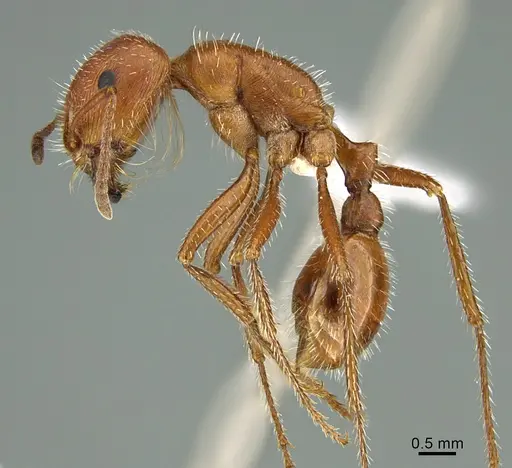
CASENT0005712
View on AntWeb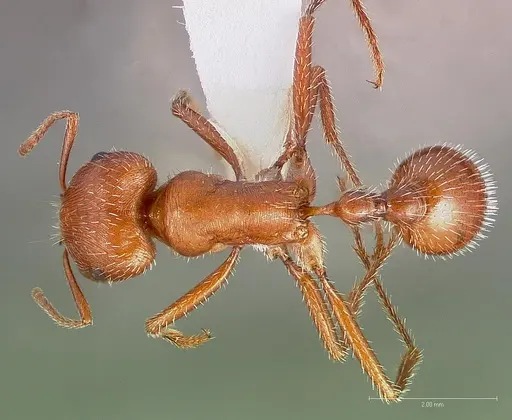
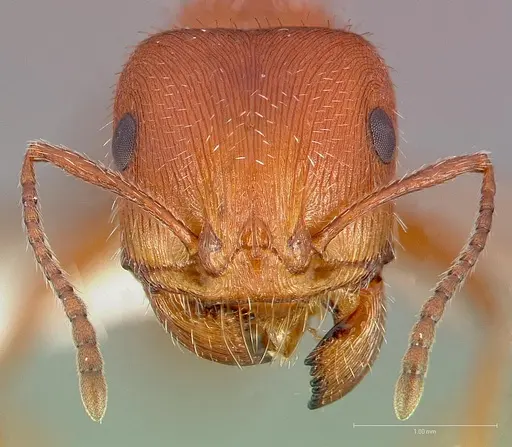
CASENT0217277
View on AntWeb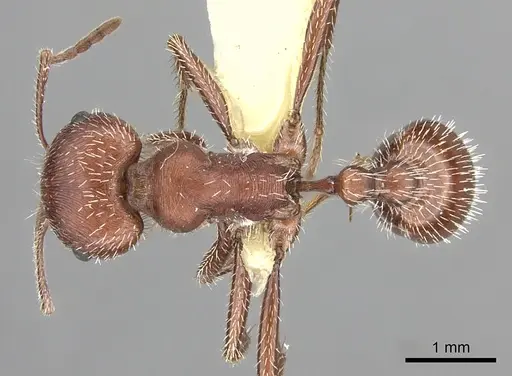
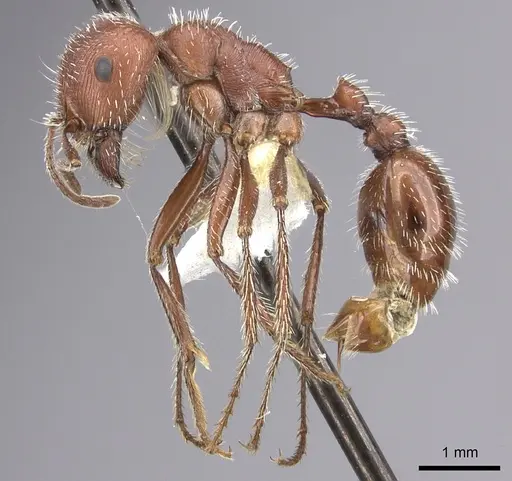
CASENT0235322
View on AntWeb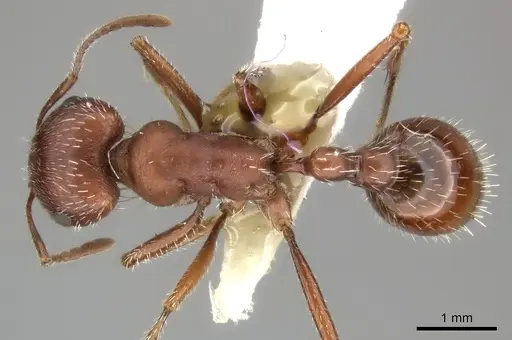
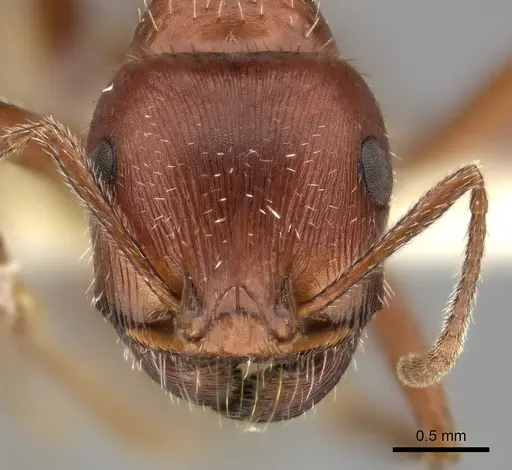
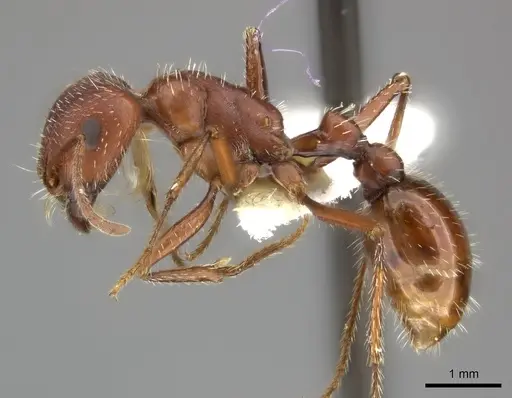
CASENT0235323
View on AntWeb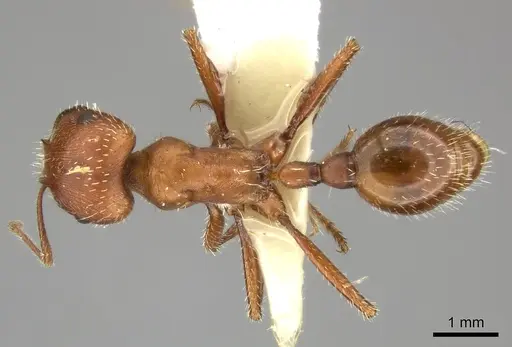
CASENT0863107
View on AntWeb
CASENT0863108
View on AntWeb
CASENT0914103
View on AntWeb
CASENT0914457
View on AntWeb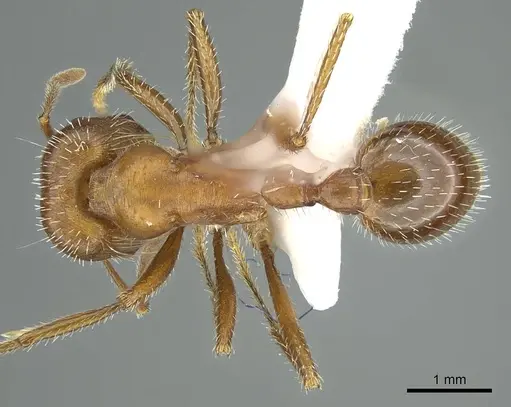
Literature
Loading...Loading products...