

Plectroctena strigosa
- Scientific Name
- Plectroctena strigosa
- Tribe
- Ponerini
- Subfamily
- Ponerinae
- Author
- Emery, 1899
- Distribution
- Found in 2 countries
Plectroctena strigosa Overview
Plectroctena strigosa is an ant species of the genus Plectroctena. It is primarily documented in 2 countries , including Kenya, Tanzania, United Republic of. Detailed taxonomic data and occurrence records can be further explored via authoritative databases such as AntWeb or the Global Biodiversity Information Facility (GBIF).
Plectroctena strigosa
Plectroctena strigosa is a medium-sized predatory ant belonging to the subfamily Ponerinae, found across the Afrotropical region including Kenya, South Africa, and Tanzania. Workers measure around 8-12mm and possess distinctive mandibles with a characteristic groove along the dorsolateral face. The genus Plectroctena is commonly called 'armadillo ants' due to their ability to roll into a tight ball when disturbed, a defensive behavior that protects their soft underparts. These ants have a well-developed sting and are active predators, hunting smaller invertebrates in their forest floor habitat.
Quick Summary
- Difficulty: Medium
- Origin & Habitat: Forest habitats in the Afrotropical region, Kenya, South Africa, and Tanzania [1]
- Colony Type: Colony structure is unconfirmed. Based on typical Ponerinae patterns, likely single-queen colonies, but this has not been directly studied.
- Size & Growth:
- Queen: Approximately 12-15mm (estimated based on genus Plectroctena patterns)
- Worker: 8-12mm [1]
- Colony: Likely several hundred workers based on typical Ponerinae colony sizes, unconfirmed
- Growth: Moderate, estimated based on genus patterns
- Development: 6-10 weeks (estimated based on related Ponerinae species) (Development time is not directly studied for this species. Estimates based on typical Ponerinae development at warm temperatures.)
- Antkeeping:
- Temperature: Keep at 24-28°C, these are tropical forest ants that prefer warm, stable conditions. A heating cable on one side of the nest creates an ideal gradient.
- Humidity: Moderate to high humidity around 60-80%. Keep the nest substrate consistently moist but not waterlogged. Ponerinae ants from forest habitats typically need more humidity than desert species.
- Diapause: No diapause required, being a tropical species, they do not need hibernation. Keep temperatures stable year-round.
- Nesting: In nature they likely nest in soil or rotting wood in forest floor habitats. In captivity, a Y-tong (AAC) nest or plaster nest with good moisture retention works well. Provide a moist substrate they can burrow into.
- Behavior: Plectroctena strigosa is a predatory ant with an active hunting style. Workers are aggressive when defending the colony and possess a functional sting. They are escape artists due to their moderate size, use excellent barrier prevention like Fluon on the rim of the outworld. These ants are primarily nocturnal or crepuscular, becoming more active during dim light conditions.
- Common Issues: sting, these ants have a potent sting and should be handled with care, escape prevention, moderate size means they can squeeze through small gaps without proper barriers, humidity control, too dry conditions will cause colony decline, feeding, being predatory, they need regular protein input, sugar sources may not be accepted
Appearance and Identification
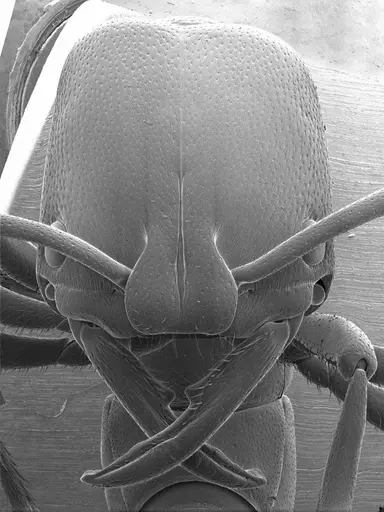
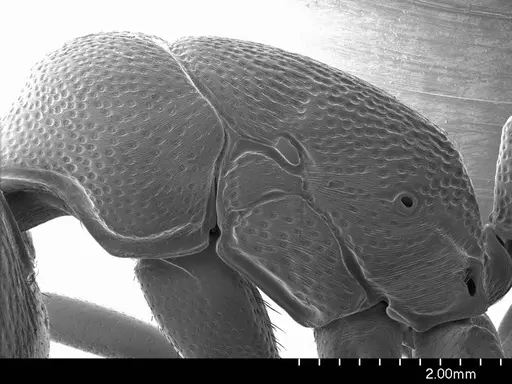
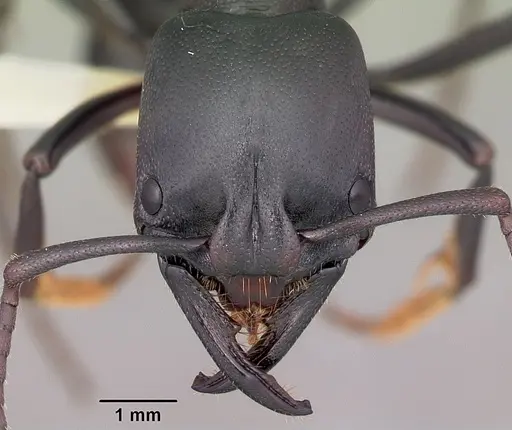
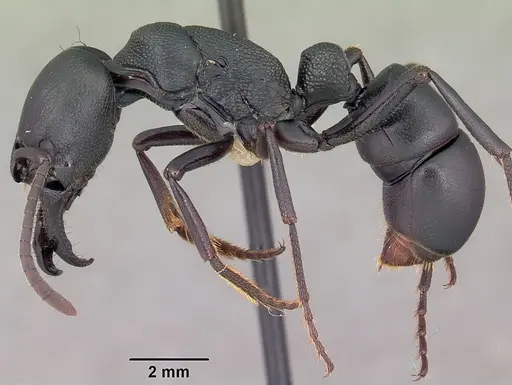
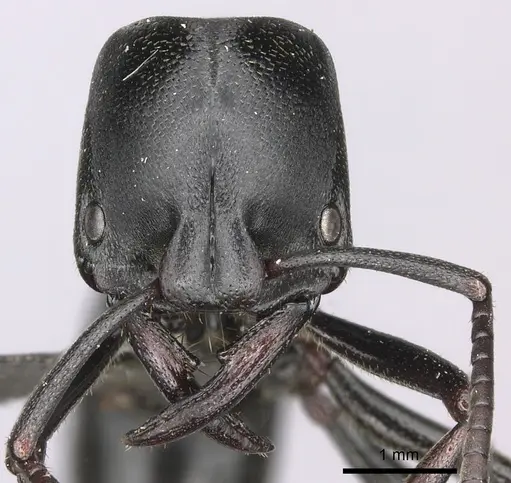
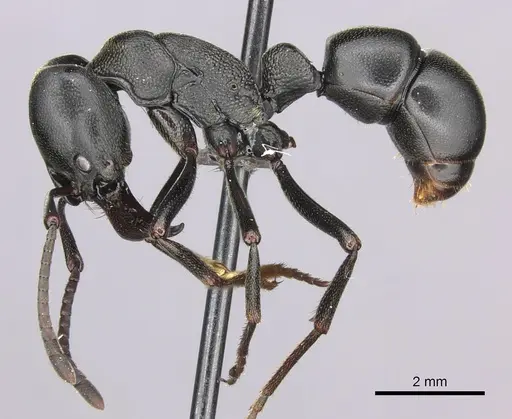
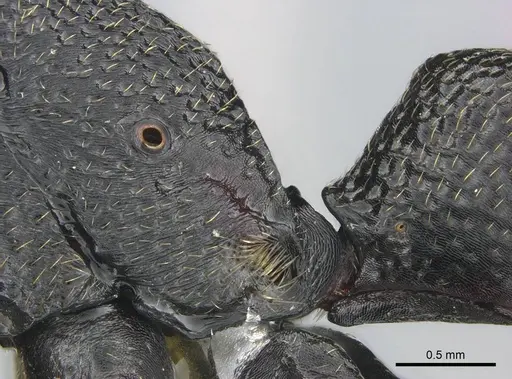
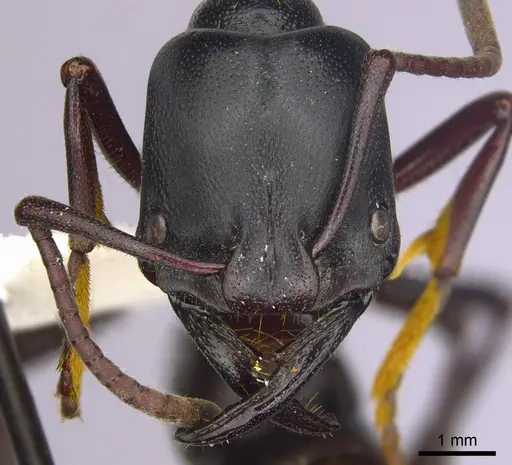
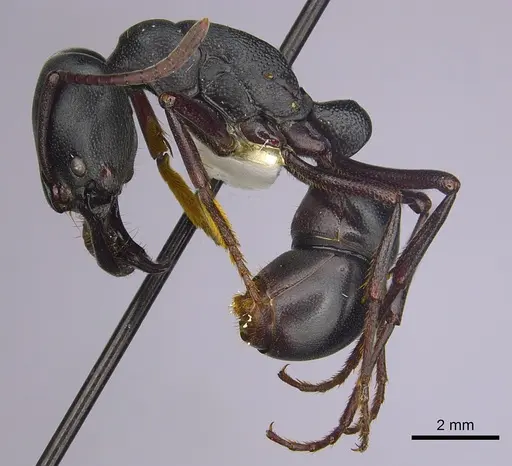
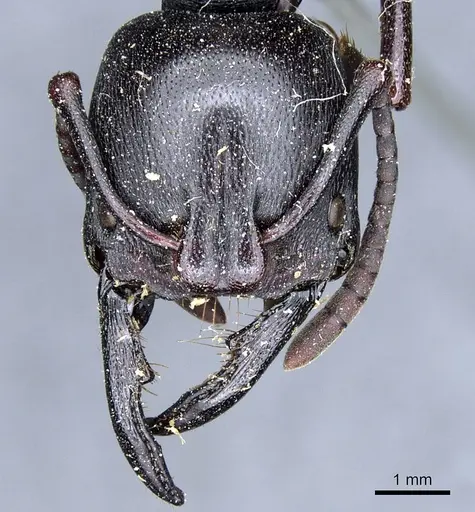
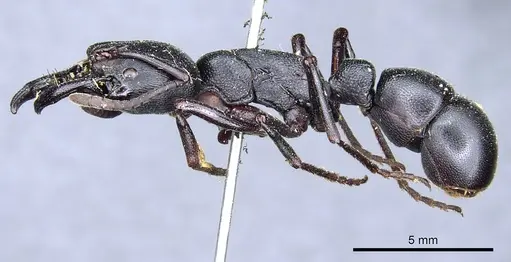
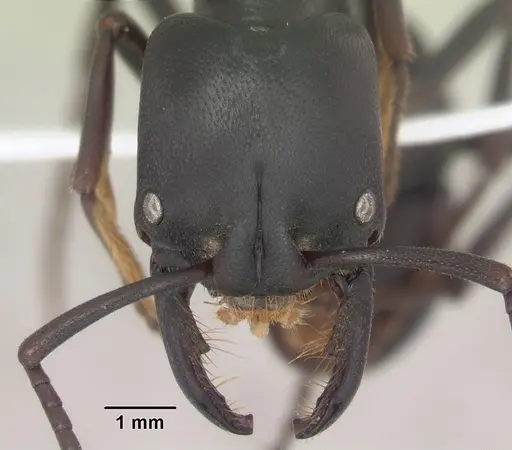
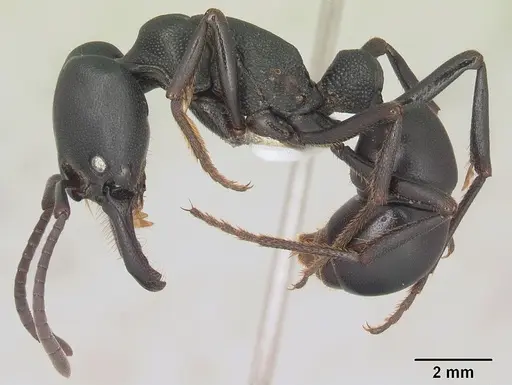
Plectroctena strigosa workers are medium-sized ants measuring 8-12mm. They have distinctive mandibles with a characteristic groove running along the dorsolateral face, a morphological feature used in phylogenetic studies to identify this genus [2][3]. The genus name 'Plectroctena' translates to 'comb-bristle', referring to the comb-like teeth on their mandibles. When threatened, these ants can roll into a tight ball like an armadillo, protecting their vulnerable underside, hence the common name 'armadillo ant'. Their coloration is typically dark brown to black, with a robust build typical of Ponerinae ants.
Natural History and Distribution
This species is found across the Afrotropical region, with documented records from Kenya, South Africa, and Tanzania [1]. They inhabit forest environments where they play an important role as predators on the forest floor, hunting small invertebrates and arthropods. The original description was published by Emery in 1899 as a variety of Plectroctena mandibularis, and it was later elevated to full species status by Bolton in 1974 [1]. As a Ponerinae ant, they are part of an ancient ant lineage with relatively primitive social structure compared to more advanced ant subfamilies like Formicinae or Myrmicinae.
Feeding and Diet
Like other Plectroctena species, P. strigosa is predatory, hunting small invertebrates on the forest floor. In captivity, you should offer a diet based on live protein sources such as small crickets, mealworms, fruit flies, and other small arthropods. Feed them prey items roughly equal to or smaller than their head width. Offer protein 2-3 times per week, removing any uneaten prey after 24 hours. Sugar sources like honey or sugar water may be offered occasionally, but Ponerinae ants are primarily protein-focused and may not strongly accept sugary liquids. Always ensure fresh water is available.
Temperature and Heating
Being a tropical species from East and Southern Africa, Plectroctena strigosa requires warm conditions. Keep the nest area at 24-28°C for optimal colony development and brood growth. Use a heating cable or heating mat placed on top of the nest (never underneath where it can dry out the substrate) to create a gentle temperature gradient. This allows ants to thermoregulate by moving between warmer and cooler areas. Avoid temperature drops below 20°C, as this can slow colony growth and potentially stress the colony. Room temperature may be suitable if your home stays in the mid-20s°C range.
Humidity and Nest Conditions
Plectroctena strigosa requires moderate to high humidity, typical of forest-dwelling Ponerinae. Keep the nest substrate consistently moist, it should feel damp to the touch but not have standing water. A moisture gradient is ideal: some areas can be slightly drier while others remain damp. For nesting, a Y-tong (AAC) nest or plaster/porous nest works well as it retains moisture while allowing proper gas exchange. Avoid completely dry conditions or overly wet waterlogged substrate. Monitor condensation levels, some condensation indicates good humidity, but excessive moisture can lead to mold problems.
Behavior and Handling
These ants are defensive and possess a functional sting that can cause pain comparable to other Ponerinae ants. When disturbed, workers may curl into a ball (the 'armadillo' behavior) to protect themselves, or they may aggressively defend by stinging. For this reason, avoid handling them directly and use gentle blowing or paper guides when moving them. They are primarily nocturnal or crepuscular in the wild, so expect peak activity during dim light or dark hours in captivity. Workers are active foragers who will hunt prey across the outworld. Due to their moderate size and active nature, escape prevention is important, use Fluon or similar barriers on the outworld rim.
Frequently Asked Questions
How long does it take for Plectroctena strigosa to produce first workers?
The exact egg-to-worker timeline is unconfirmed for this species. Based on typical Ponerinae development, expect 6-10 weeks from egg to first worker at optimal warm temperatures (around 26°C). Growth is influenced by temperature, with warmer conditions speeding development.
Do Plectroctena strigosa ants sting?
Yes, they have a potent sting. As Ponerinae ants, they are capable of stinging and the sting can be painful. Handle with care and avoid direct contact. Use tools or gentle methods when working with the colony.
What do Plectroctena strigosa eat?
They are predatory ants that hunt small invertebrates. Feed them live prey such as small crickets, mealworms, fruit flies, and other tiny arthropods. Protein should be offered 2-3 times per week. Sugar sources may be accepted occasionally but are not a primary food source.
Can I keep multiple queens together?
The colony structure of this species is unconfirmed. There is no scientific data on whether they are monogyne (single queen) or polygyne (multiple queens). It is not recommended to combine unrelated foundress queens as aggression is likely.
What temperature do Plectroctena strigosa need?
Keep them warm at 24-28°C. These are tropical forest ants that do not tolerate cool temperatures. A heating cable on the nest creates an ideal gradient. Avoid temperatures below 20°C.
Do they need hibernation?
No, being a tropical species from Kenya, South Africa, and Tanzania, they do not require diapause or hibernation. Keep temperatures stable year-round in the warm range.
Are Plectroctena strigosa good for beginners?
This species is rated as Medium difficulty. While not the most challenging ant to keep, they do require specific conditions (warmth, humidity, protein-based diet) that make them better suited for keepers with some experience. Their sting also requires careful handling.
When should I move them to a formicarium?
Keep founding queens in a simple test tube setup until the colony reaches 20-30 workers. Once the colony is established and growing, you can move them to a proper nest like a Y-tong or plaster formicarium that can maintain humidity.
How big do colonies get?
Colony size is not directly documented for this species. Based on typical Ponerinae patterns, colonies likely reach several hundred workers. They are not among the largest ant species.
Why are my ants dying?
Common causes include: too dry conditions (they need moist substrate), temperatures below 20°C (they are tropical), inadequate protein (they need regular prey), or stress from disturbance. Check your humidity levels and ensure the nest area is warm enough.
References

This caresheet is licensed under CC BY-SA 4.0 .
ANTWEB1008576
View on AntWeb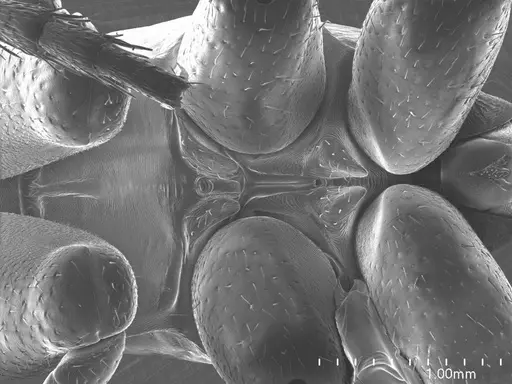
CASENT0102982
View on AntWeb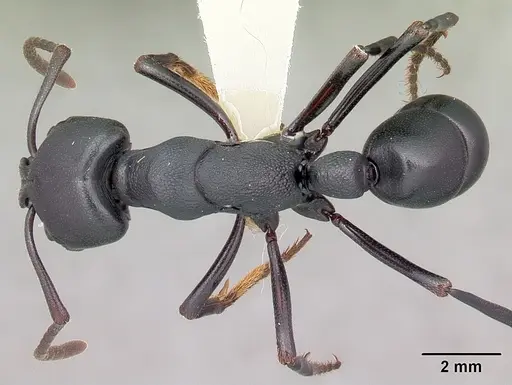
CASENT0235672
View on AntWeb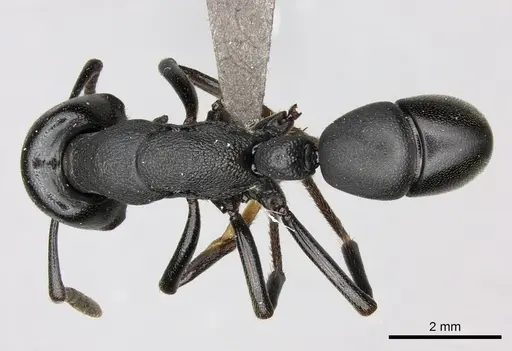
CASENT0249218
View on AntWeb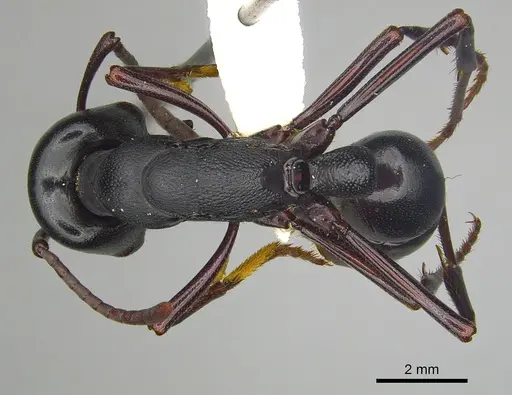
CASENT0250580
View on AntWeb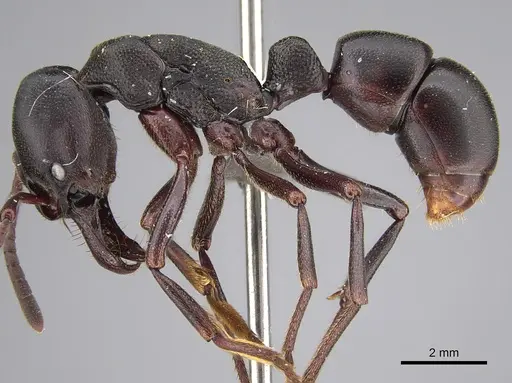
CASENT0903928
View on AntWeb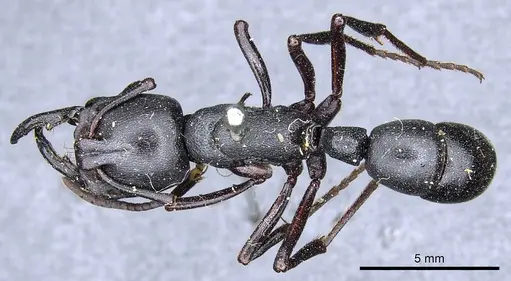
SAM-HYM-C009585A
View on AntWeb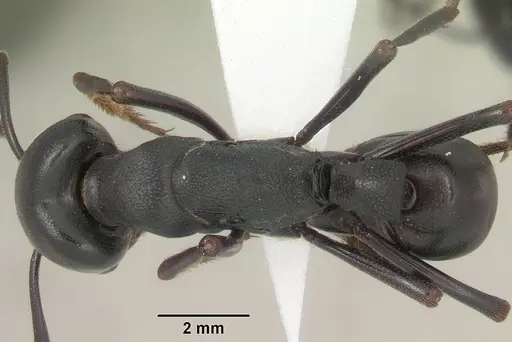
Literature
Loading...Loading products...