

Plectroctena minor
- Scientific Name
- Plectroctena minor
- Tribe
- Ponerini
- Subfamily
- Ponerinae
- Author
- Emery, 1892
- Distribution
- Found in 7 countries
Plectroctena minor Overview
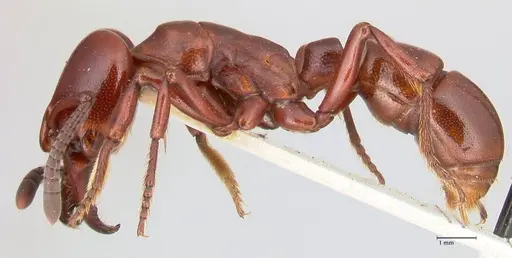
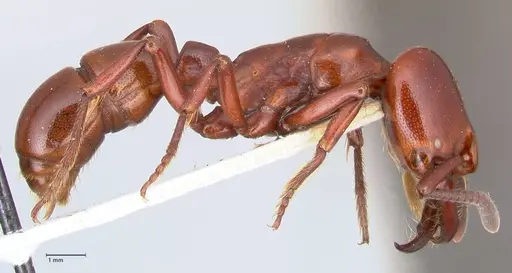
Plectroctena minor is an ant species of the genus Plectroctena. It is primarily documented in 7 countries , including Congo, Democratic Republic of the, Côte d'Ivoire. Detailed taxonomic data and occurrence records can be further explored via authoritative databases such as AntWeb or the Global Biodiversity Information Facility (GBIF).
Plectroctena minor
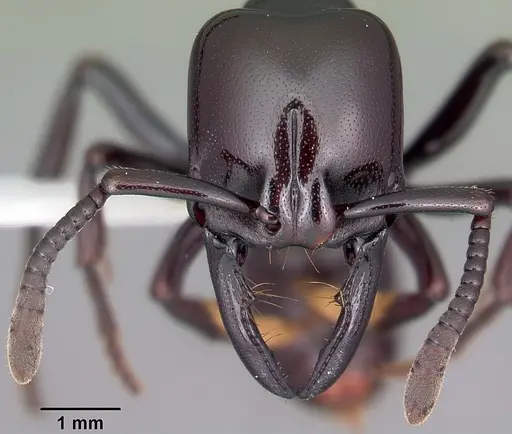
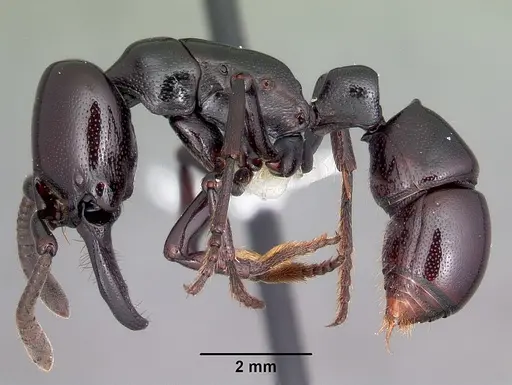
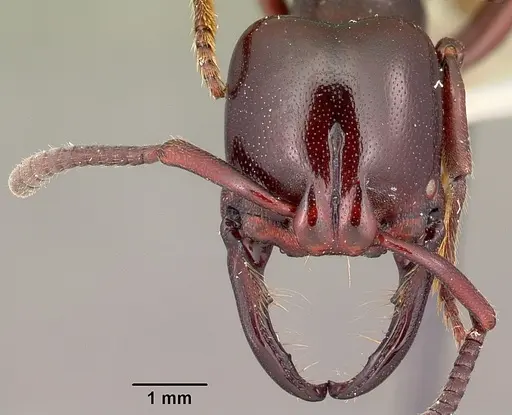
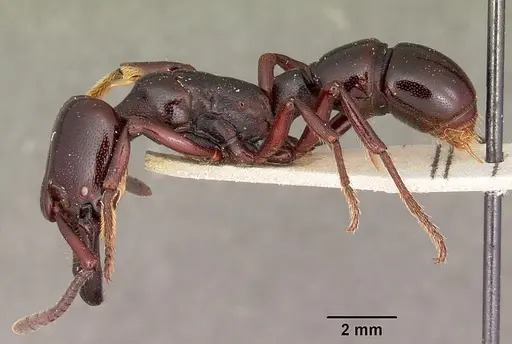
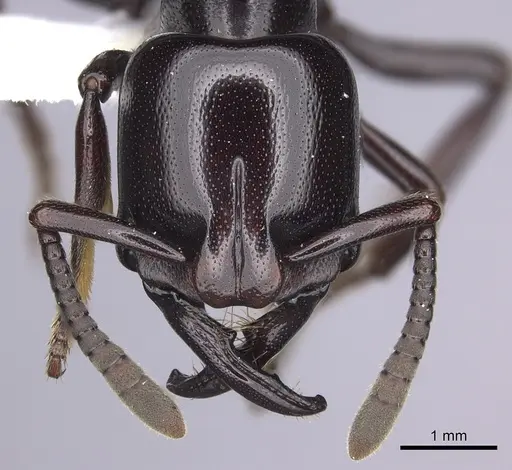
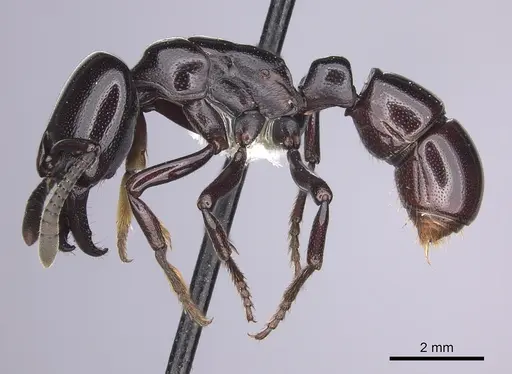
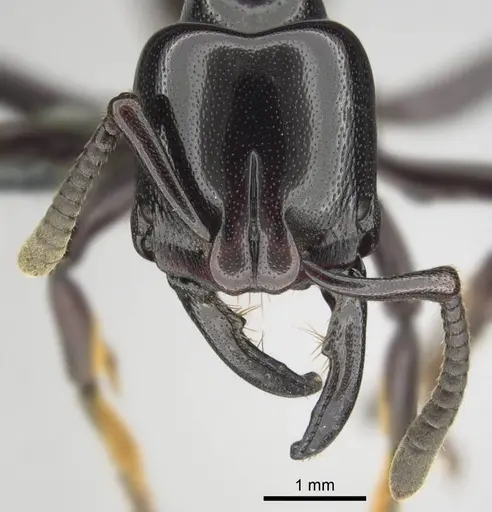
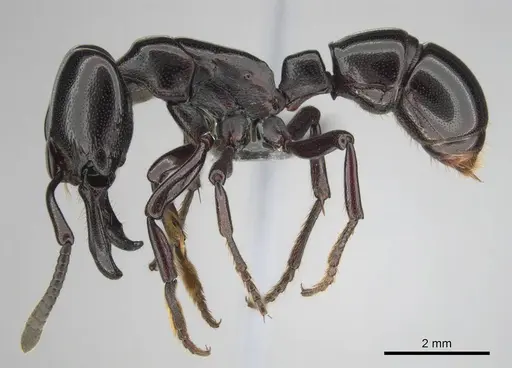
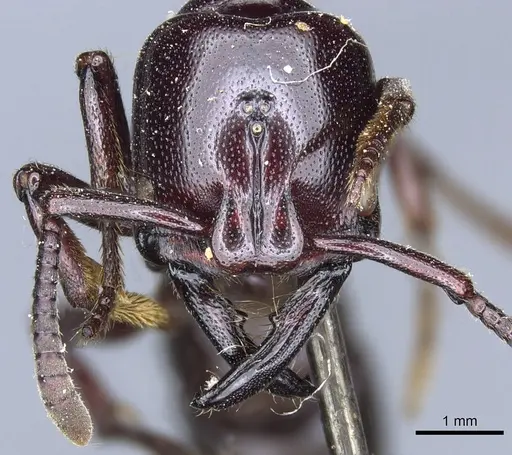
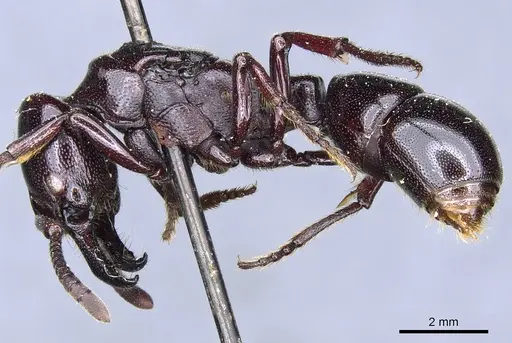
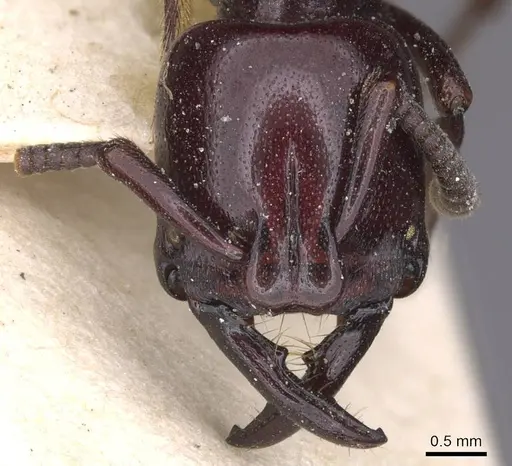
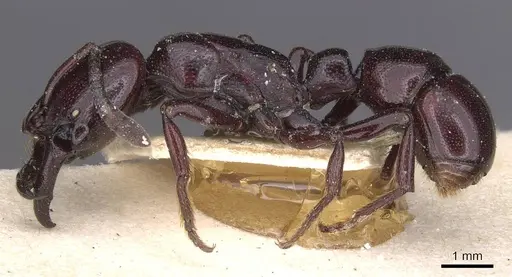
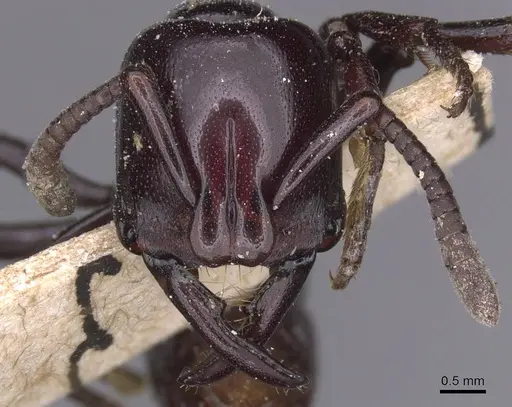
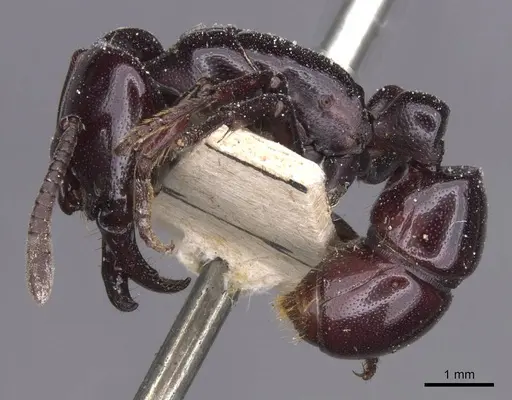
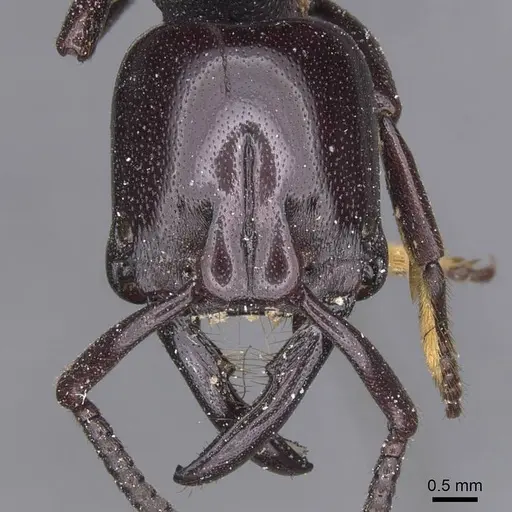
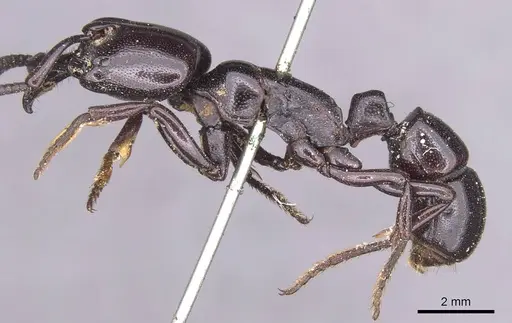
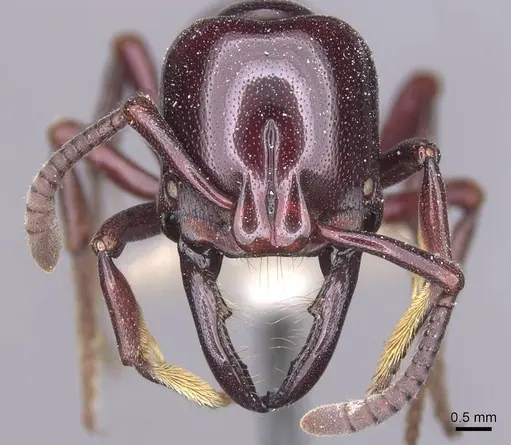
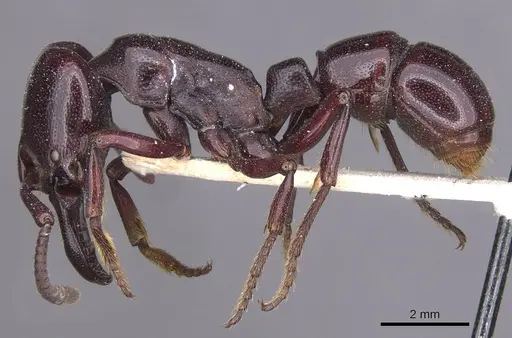
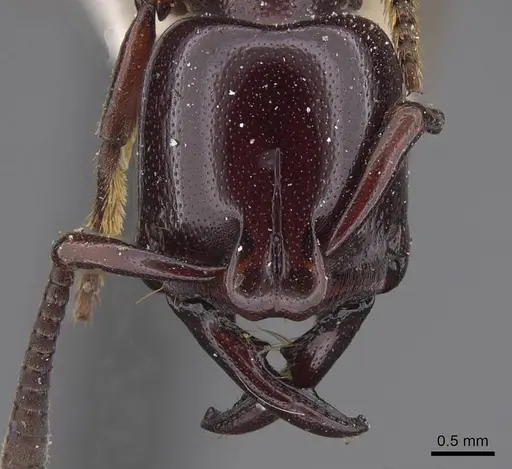
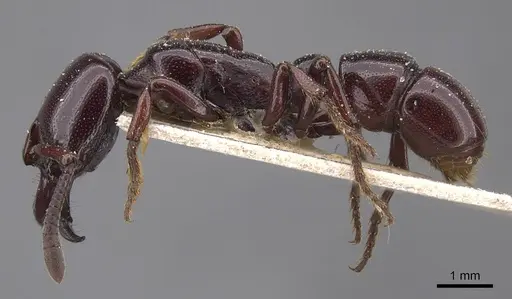
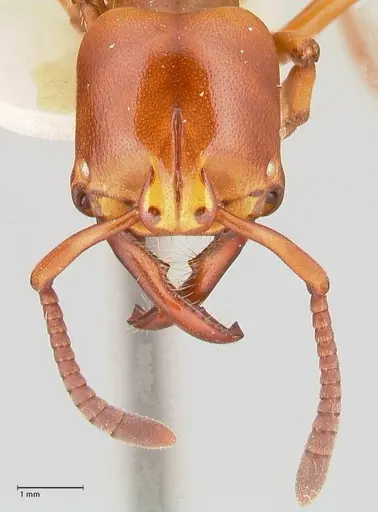
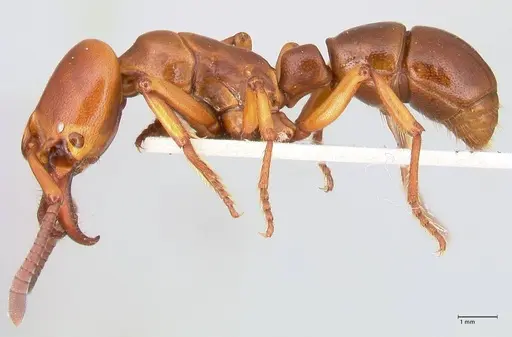
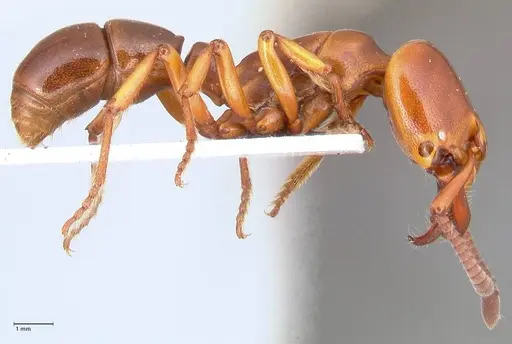
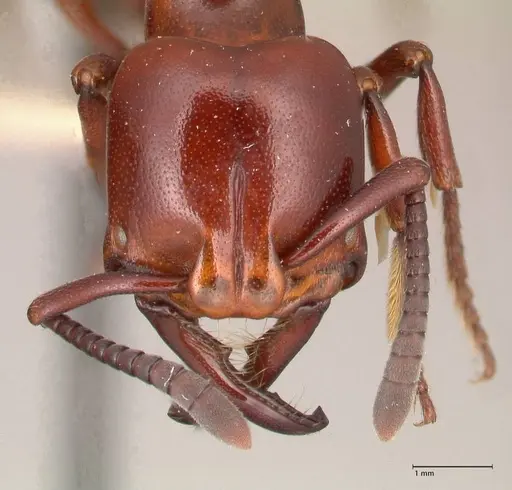
Plectroctena minor is a medium-sized ponerine ant native to West and Central Africa. Workers are robust with distinctive mandibles adapted for capturing millipedes. They inhabit lowland rainforests and savanna regions across countries including Ghana, Ivory Coast, Nigeria, Cameroon, Gabon, and the Democratic Republic of Congo [1]. This species is remarkable for its specialized diet, it is a semi-specialist predator that almost exclusively hunts millipedes, making it one of the most specialized predators in the ant world. The ants have unique hunting adaptations including mandibles that catch between millipede body segments and venom that quickly paralyzes their prey [2][3].
Quick Summary
- Difficulty: Expert
- Origin & Habitat: West and Central Africa, found in Ghana, Ivory Coast, Nigeria, Cameroon, Equatorial Guinea, Gabon, Liberia, Sierra Leone, Togo, Central African Republic, and Democratic Republic of Congo. Inhabits lowland rainforests and forest margins at elevations from 110m to 1400m [4][5][1].
- Colony Type: Colony structure is not well documented in scientific literature. Based on typical Ponerinae patterns, likely monogyne (single queen) colonies. Further research needed on colony size and social structure.
- Size & Growth:
- Queen: Not specifically documented in available research, estimated based on genus patterns at 8-10mm
- Worker: Workers are robust, exact measurements not specified in available papers but genus Plectroctena workers typically range 6-12mm
- Colony: Unknown, no specific colony size data available in research
- Growth: Unknown, no development timeline data available
- Development: Unknown, no direct measurements available (Development timeline has not been studied. Based on typical Ponerinae patterns in tropical species, expect 4-8 weeks at warm temperatures, but this is an estimate.)
- Antkeeping:
- Temperature: Keep at 24-28°C. This is a tropical species from West/Central Africa, so it needs warm conditions. A heating cable on one side of the nest creates a suitable gradient. Room temperature may be adequate if your home stays in this range.
- Humidity: Keep the nest substrate consistently moist but not waterlogged. These ants come from rainforest habitats, so they need high humidity, think damp forest floor conditions. Provide a water tube for drinking water.
- Diapause: No, this is a tropical species that does not hibernate. Maintain warm temperatures year-round.
- Nesting: In the wild, they nest in soil and rotting wood in forest habitats. In captivity, a naturalistic setup with moist substrate (soil or sand/soil mix) works well. Y-tong or plaster nests can also work if kept humid. Provide a foraging area where they can hunt prey.
- Behavior: Workers are solitary foragers but recruit nestmates when tackling large prey. They are specialized millipede hunters, this is their essential prey and they will always select millipedes over other food. They use their specialized mandibles to grip millipedes between body segments, then sting them in the soft ventral intersegmental space. Their venom works quickly on the millipede's nervous system. For defense, they can use snapping behavior. Workers are moderately aggressive and will defend the colony. Escape risk is moderate, use standard barrier methods [2][3][6].
- Common Issues: specialized diet makes them difficult to feed, they require live millipedes as essential prey and may refuse other food, slow colony growth due to specialized diet and potentially low reproduction rates, tropical species requires warm, humid conditions year-round, cannot tolerate cool temperatures, wild-caught colonies may have parasites or fail to adapt to captivity, difficulty obtaining regular millipede prey in captivity
The Millipede Specialist
Plectroctena minor is one of the most specialized ant predators you can keep. Unlike most ants that are generalists, these ants are dedicated millipede hunters. In laboratory tests, workers always selected millipedes as prey and would never abandon them, even when the millipedes were larger than alternative prey options. This specialized diet is essential, colonies cannot produce adult offspring without millipedes in their diet [2][3]. The ants have evolved remarkable adaptations for hunting millipedes. Their mandibles are specially shaped to grip onto the segmented bodies of millipedes. When they seize a millipede, their mandibles slip along the exoskeletal coils until they catch between two slightly separated segments. From there, they deliver a sting into the soft ventral intersegmental space. The venom acts incredibly fast on the millipede's ventral neural chain, immediately paralyzing the distal parts of the prey. This allows a single worker to retrieve prey that weighs 94-117 times as much as the ant itself, the highest body weight ratio ever recorded for ants hunting solitarily [6].
Feeding Your Colony
Feeding Plectroctena minor is the biggest challenge for keepers. These ants absolutely require live millipedes as their primary food source. Without millipedes, colonies will not produce adult offspring. You will need to culture or regularly obtain small millipedes to feed your colony. Millipedes up to 4mm in diameter can be seized by the anterior part of their body. Larger millipedes (up to 8mm diameter and 100mm long) can be captured but usually require the ant to encounter them in enclosed spaces or to recruit nestmates for help [2][3]. Alternative prey acceptance varies. When millipedes are not available, workers will accept other arthropods, but they behave like generalists, they prefer smaller prey items. However, do not rely on alternative prey as a primary food source. Termite soldiers can be stunned using snapping behavior and may be accepted. Other small arthropods may be taken but should be considered supplements only. Sugar sources are unlikely to be accepted given their specialized predatory nature.
Hunting Behavior
Watching Plectroctena minor hunt is fascinating. Workers forage solitarily, searching for millipedes in leaf litter and on the forest floor. When they encounter a millipede, they approach from the front and seize the anterior part of its body with their specialized mandibles. For smaller millipedes (up to 4mm diameter), they can simply grip between segments, sting, and retrieve the prey alone. For larger millipedes, workers may seize an appendage first before stinging, or wrap themselves around the prey in a collar-like fashion. Once the millipede is paralyzed, workers will recruit nestmates to help retrieve very large prey back to the nest. During head-on encounters, workers sometimes grip one of the millipede's antennae or mandibles and sting the very end of its body, triggering rapid paralysis. This allows them to master prey much larger than themselves [2][3][6].
Temperature and Humidity
As a tropical species from West and Central Africa, Plectroctena minor needs warm and humid conditions. Keep the nest at 24-28°C year-round. This species does not tolerate cool temperatures, a heating cable on one side of the nest can help maintain appropriate temperatures, especially in cooler climates. Provide a temperature gradient so workers can choose their preferred zone. Humidity should be high, these ants come from rainforest environments. Keep the nest substrate consistently moist but not waterlogged. The substrate should feel damp to the touch. A water tube should be provided for drinking water. Avoid both drying out the nest (which can kill brood) and creating stagnant, overly wet conditions (which promotes mold). Good ventilation helps maintain healthy humidity levels while preventing mold growth.
Natural History
Plectroctena minor is found across West and Central Africa, from Ghana and Ivory Coast in the west through Nigeria, Cameroon, Equatorial Guinea, Gabon, and into the Democratic Republic of Congo. They inhabit lowland rainforests and forest margins, typically at elevations between 110m and 1400m. The species was first described by Emery in 1892 from Ivory Coast, and several subspecies have been described over the years (insularis, liberiana, perusta, gabonensis) but these have since been synonymized with P. minor [1]. Like other Ponerinae ants, they are predatory and have a potent sting. They play an important role in their ecosystem as specialized predators that help control millipede populations. Interestingly, they have been found in the stomach of the toad Bufo polycercus in Congo, showing they have natural predators [7]. They also show relatively high resistance to raids by the invasive Pheidole megacephala [8].
Frequently Asked Questions
What do Plectroctena minor ants eat?
Plectroctena minor is a specialized millipede predator. Live millipedes are essential prey, colonies cannot produce adult offspring without them. Workers will always select millipedes over other prey. Small millipedes (up to 4mm diameter) can be captured and retrieved by single workers. Larger millipedes may be accepted but typically require group recruitment. Other arthropods may be accepted as alternatives but should not be the primary food source [2][3].
How difficult are Plectroctena minor to keep?
Plectroctena minor is an expert-level species. The biggest challenge is their specialized diet, they absolutely require live millipedes as food, which are difficult to obtain regularly. They also need warm, humid tropical conditions year-round and do not tolerate cool temperatures. This is not a beginner-friendly species.
What temperature do Plectroctena minor need?
Keep them at 24-28°C. This is a tropical African species that requires warm conditions year-round. A heating cable on one side of the nest can help maintain appropriate temperatures. Do not let temperatures drop below room temperature for extended periods.
Can I keep multiple queens together?
Colony structure for this species has not been documented in scientific literature. The safe approach is to keep only one queen per colony. Combining unrelated foundresses is not recommended since this has not been studied.
How fast do Plectroctena minor colonies grow?
Growth rate is unknown, no development timeline data exists for this species. Based on typical Ponerinae patterns in tropical species, expect relatively slow growth. The specialized diet may also limit growth rate since colonies depend on obtaining regular millipede prey.
Do Plectroctena minor need hibernation?
No. This is a tropical species from West and Central Africa and does not hibernate. Maintain warm temperatures year-round. There is no diapause requirement.
What size do Plectroctena minor workers reach?
Exact measurements are not specified in available research, but Plectroctena genus workers are typically robust and range from 6-12mm. Queens are likely larger at 8-10mm based on genus patterns.
Where is Plectroctena minor found?
This species is native to West and Central Africa. It is found in Ghana, Ivory Coast, Nigeria, Cameroon, Equatorial Guinea, Gabon, Liberia, Sierra Leone, Togo, Central African Republic, and the Democratic Republic of Congo. They inhabit lowland rainforests and forest margins.
Why are my Plectroctena minor dying?
Common issues include: lack of millipede prey (essential for colony survival), temperatures too cool (they need 24-28°C), humidity too low (they need damp conditions), or stress from wild-caught colonies. Ensure you can obtain regular millipede prey before keeping this species. Also ensure the nest setup maintains appropriate humidity without drying out.
References

This caresheet is licensed under CC BY-SA 4.0 .
CASENT0003067
View on AntWeb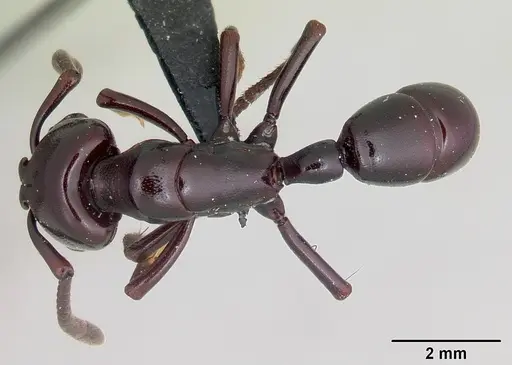
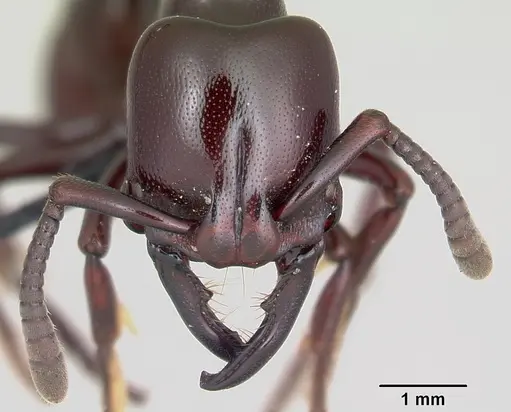
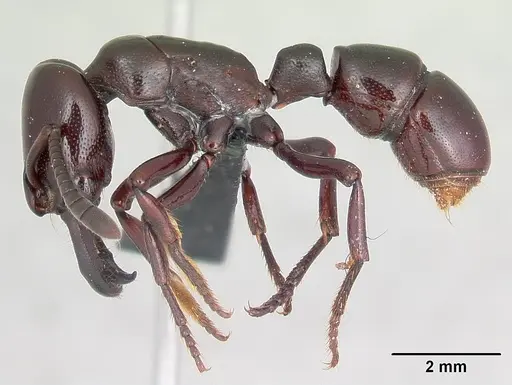
CASENT0102988
View on AntWeb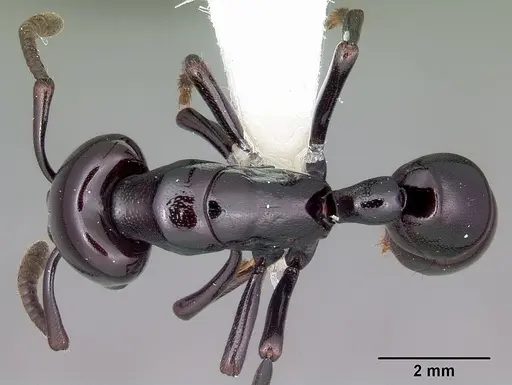
CASENT0104650
View on AntWeb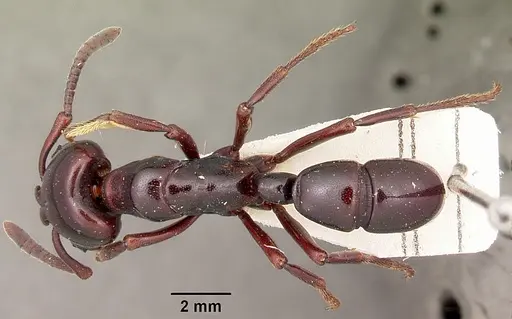
CASENT0249214
View on AntWeb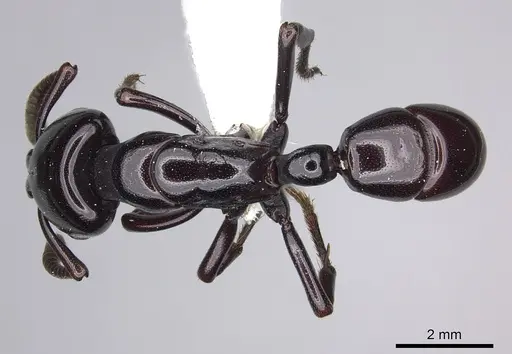
CASENT0815650
View on AntWeb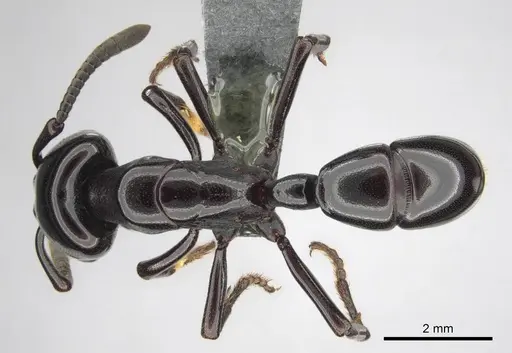
CASENT0815652
View on AntWeb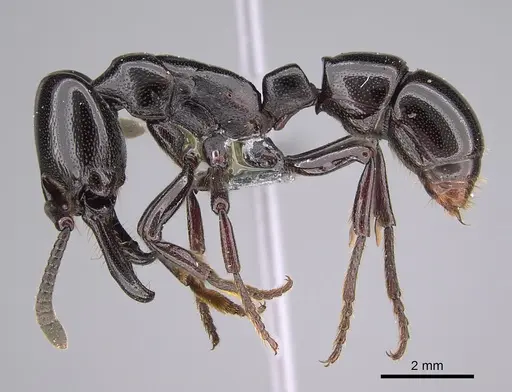
CASENT0903929
View on AntWeb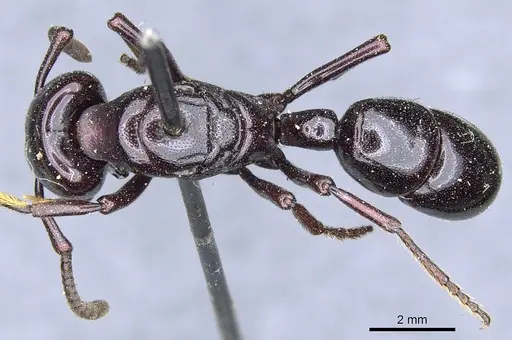
CASENT0915287
View on AntWeb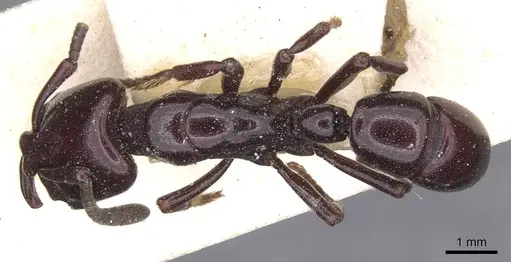
CASENT0915288
View on AntWeb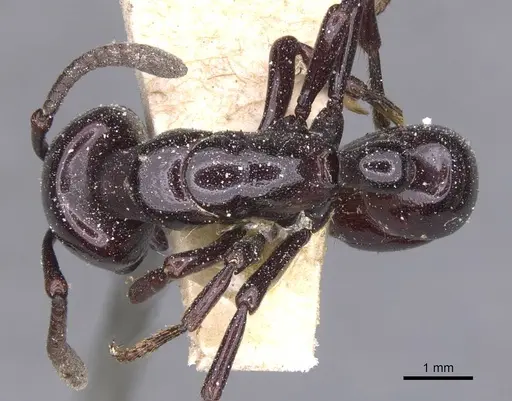
CASENT0915291
View on AntWeb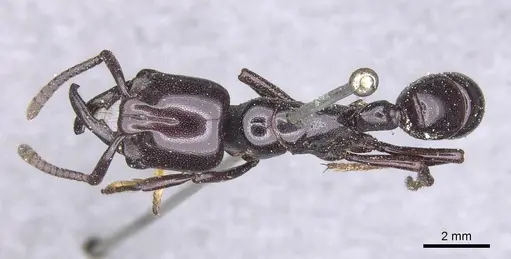
CASENT0915292
View on AntWeb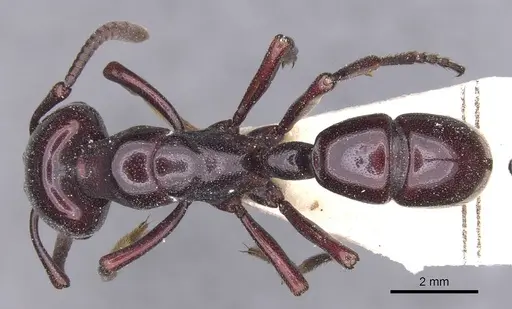
CASENT0915472
View on AntWeb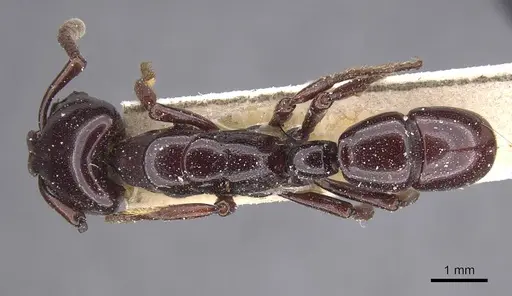
FOCOL1016
View on AntWeb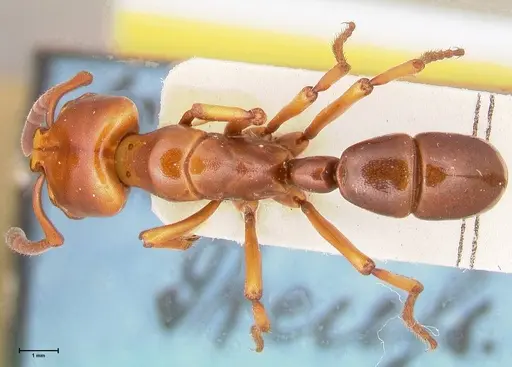
FOCOL1017
View on AntWeb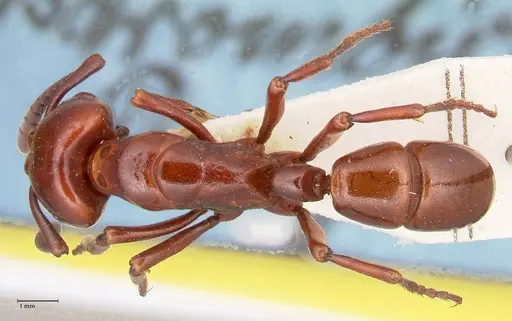
Literature
Loading...Loading products...