

Platythyrea turneri
- Scientific Name
- Platythyrea turneri
- Tribe
- Platythyreini
- Subfamily
- Ponerinae
- Author
- Forel, 1895
- Distribution
- Found in 1 countries
Platythyrea turneri Overview
Platythyrea turneri is an ant species of the genus Platythyrea. It is primarily documented in 1 countries , including Australia. Detailed taxonomic data and occurrence records can be further explored via authoritative databases such as AntWeb or the Global Biodiversity Information Facility (GBIF).
Platythyrea turneri
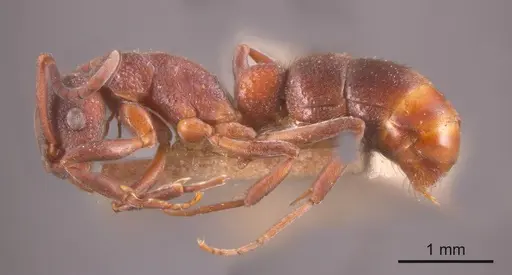
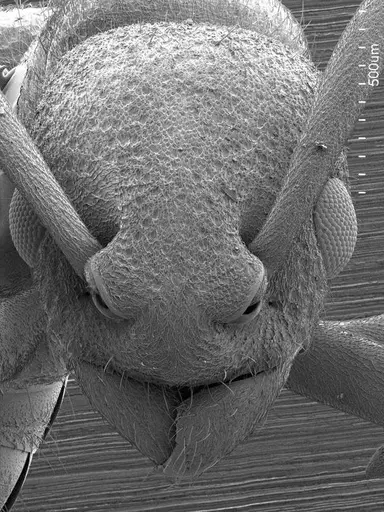
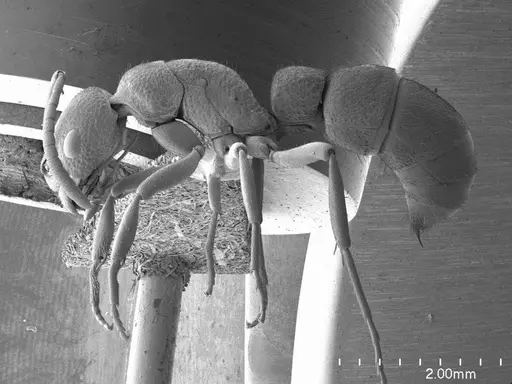
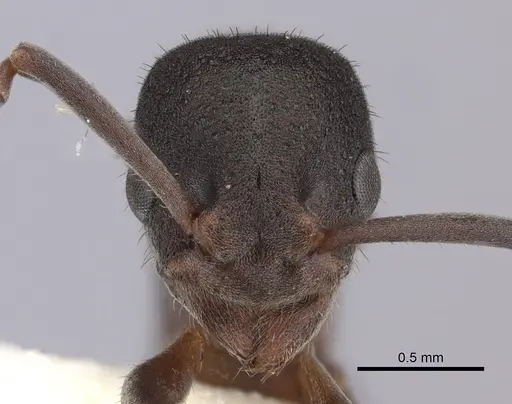
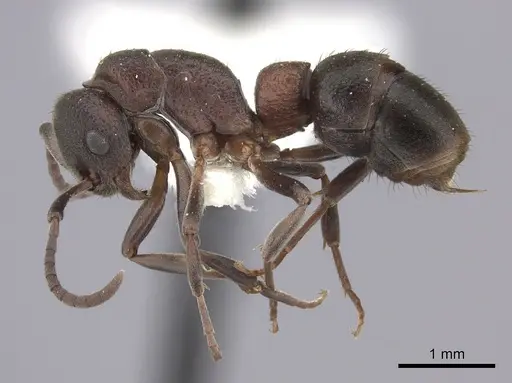
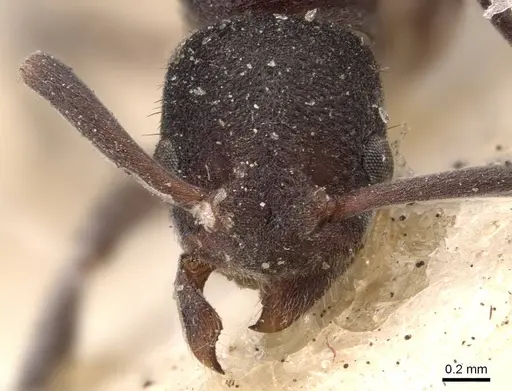
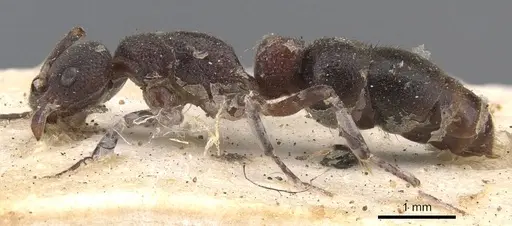
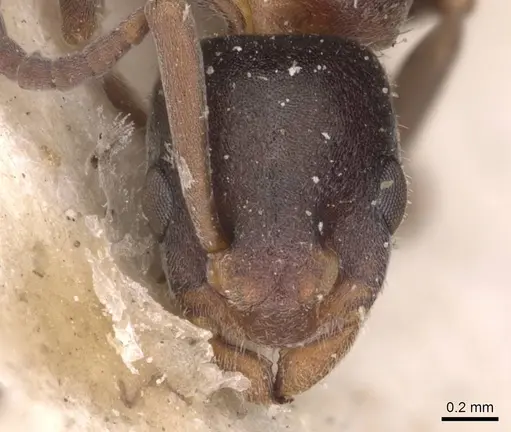
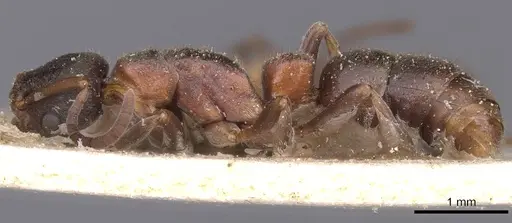
Platythyrea turneri is a medium-sized ant belonging to the Ponerinae subfamily, native to Australia. Workers measure around 6-8mm with a distinctive color pattern: the petiole (the narrow waist segment) is brownish-red and contrasts clearly with the dark brown head and gaster (abdomen). The trunk varies from brown to reddish-brown but is typically darker than the petiole. This species shows significant variation across its range, with populations in tropical Queensland showing coarser sculpture while southern and southwestern populations are smoother and more glossy. In the field, they closely resemble another Australian ant called Brachyponera lutea, making visual identification tricky. The genus Platythyrea is part of the tribe Platythyreini and is known for some unusual reproductive traits, including the presence of ergatoid (wingless) males in related species.
Quick Summary
- Difficulty: Medium
- Origin & Habitat: Native to Australia, widely distributed throughout the continent. Found in wetter areas of south-west Western Australia and across eastern Australia from Queensland to Tasmania. Occurs in various Australian habitats including eucalypt forests, yate swamp forests, and paperbark wattle areas [1][2].
- Colony Type: Colony structure is not well documented in scientific literature. Based on the genus pattern, likely single-queen (monogyne) colonies, though this requires confirmation. Ergatoid males have been documented in the genus, suggesting potential for alternative reproductive structures.
- Size & Growth:
- Queen: Estimated 8-10mm based on genus typical sizes
- Worker: Estimated 6-8mm
- Colony: Unknown, no published colony size data found
- Growth: Moderate, inferred from Ponerinae patterns
- Development: Estimated 6-10 weeks based on typical Ponerinae development at warm temperatures (Development time not directly studied for this species. Ponerinae ants typically take longer to develop than many Myrmicinae species, especially at cooler temperatures.)
- Antkeeping:
- Temperature: Keep at 22-26°C. Australian distribution spans temperate to tropical regions, so they can tolerate a range. A gentle gradient allowing workers to self-regulate is ideal.
- Humidity: Moderate humidity around 50-70%. They inhabit varied Australian environments from wet southwestern forests to drier interior regions. Provide a moisture gradient with a damp section and drier areas.
- Diapause: Likely, as an Australian temperate species, they probably require a mild winter rest period (diapause). Reduce temperature to 15-18°C for 2-3 months during Australian winter (June-August in the Southern Hemisphere).
- Nesting: In nature, they nest in rotting wood, under stones, and in soil. For captivity, Y-tong (AAC) nests or naturalistic setups with soil and rotting wood work well. Provide tight-fitting connections to outworld as Ponerinae can be escape artists.
- Behavior: Ponerinae ants are typically predatory and have functional stingers. Platythyrea turneri is likely a moderate predator, hunting small invertebrates. They are probably more defensive than typical house ants due to their stinging ability. Workers are active foragers, likely hunting individually rather than in groups. Escape prevention is important, ensure all connections are secure and consider fluon barriers. Their resemblance to Brachyponera lutea suggests they may share similar behaviors as cryptic, ground-nesting predators.
- Common Issues: lack of published care information makes reliable guidance difficult, much is inferred from genus patterns, predatory nature means they need live prey, cannot survive on sugar alone, stinging ability makes them potentially defensive when disturbed, winter diapause requirements are not well understood but likely necessary, slow colony growth compared to common pet trade ants may frustrate beginners
Housing and Nest Setup
Platythyrea turneri can be kept in various nest types suitable for Ponerinae ants. Y-tong (acrylic) nests work well, providing dark chambers that mimic their natural nesting in rotting wood and under stones. Naturalistic setups with a soil substrate and pieces of rotting wood or bark allow them to create their own chambers, which can be more engaging to watch. The outworld should be simple but functional, a plastic container with a secure lid works fine. Because they are predatory, include a small water station and a feeding area. Use fluon or other barrier methods on all connections as these ants can squeeze through surprisingly small gaps. A test tube setup can work for founding colonies, but transfer to a proper nest once the colony reaches 10-15 workers. [1]
Feeding and Diet
As a Ponerinae ant, Platythyrea turneri is primarily predatory and needs a protein-rich diet. Offer small live prey such as fruit flies, small crickets, mealworms, and other small insects. Prey should be appropriately sized, roughly half the worker size or smaller. They likely accept dead prey as well, especially if moved by workers, but live prey triggers their natural hunting instincts. Sugar sources are not typically a primary food for Ponerinae, though they may occasionally drink honeydew or sugar water. Feed every 2-3 days, removing uneaten prey after 24 hours to prevent mold. A varied diet helps ensure healthy colonies.
Temperature and Seasonal Care
Maintain temperatures between 22-26°C for optimal colony development. Their wide Australian distribution (from tropical Queensland to temperate Tasmania) indicates adaptability, but consistent warmth speeds up brood development. During the Australian winter (June-August), consider reducing temperatures to 15-18°C to simulate natural seasonal changes. This winter rest period is likely important for colony health and may trigger reproductive cycles. Heating can be provided via a heating cable or mat on one side of the nest, creating a temperature gradient that allows ants to self-regulate. Avoid overheating, temperatures above 30°C can be harmful. [2][1]
Behavior and Defense
Ponerinae ants possess functional stingers and Platythyrea turneri is likely capable of stinging when threatened. They are probably more defensive than typical ants, so handle with care and avoid disturbing the nest. Workers are likely solitary foragers, hunting individually rather than recruiting groups to food sources. Their cryptic lifestyle (nesting under stones, in rotting wood) suggests they prefer to stay out of sight. When disturbed, they may attempt to flee or deliver a sting. The stinger is functional but these ants are not aggressive toward humans unless directly threatened. Always use caution when maintaining the colony.
Growth and Development
Colony growth is expected to be moderate rather than rapid. Ponerinae species typically develop more slowly than many common ant species. The queen seals herself in during founding (likely claustral founding) and raises the first workers (nanitics) alone. These first workers are typically smaller than mature workers. Expect 6-10 weeks from egg to first worker at optimal temperatures, with development slowing significantly at cooler temperatures. Colonies likely remain small to medium-sized, possibly reaching a few hundred workers at maturity based on typical Ponerinae patterns. Patience is key with this species.
Frequently Asked Questions
How long does it take for Platythyrea turneri to produce first workers?
Expected timeline is 6-10 weeks from egg to first worker at optimal temperatures (22-26°C). This is slower than many common ant species and varies based on temperature and feeding.
What do Platythyrea turneri eat?
They are predatory and need live small insects (fruit flies, small crickets, mealworms) as their primary food. They may occasionally accept sugar water but protein-rich prey is essential.
Are Platythyrea turneri good for beginners?
They are considered medium difficulty. The lack of detailed care information and their slower growth make them better suited for keepers with some ant-keeping experience rather than complete beginners.
Do Platythyrea turneri need hibernation?
Based on their Australian distribution, they likely benefit from a mild winter rest period (diapause). Reduce temperatures to 15-18°C for 2-3 months during winter.
How big do Platythyrea turneri colonies get?
Colony size is not well documented, but based on typical Ponerinae patterns, they likely reach a few hundred workers at maturity rather than forming large supercolonies.
Can I keep multiple Platythyrea turneri queens together?
Colony structure is not well documented. It is safest to keep only one queen per colony unless you have specific information about multi-queen tolerance for this species.
What temperature is best for Platythyrea turneri?
Keep them at 22-26°C with a gentle gradient. They can tolerate a range from roughly 18°C to 28°C but grow best at warmer temperatures.
How do I set up a nest for Platythyrea turneri?
Y-tong (AAC) nests or naturalistic setups with soil and rotting wood work well. They prefer dark, enclosed spaces. Ensure all connections are secure to prevent escapes.
References

This caresheet is licensed under CC BY-SA 4.0 .
ANTWEB1008178
View on AntWeb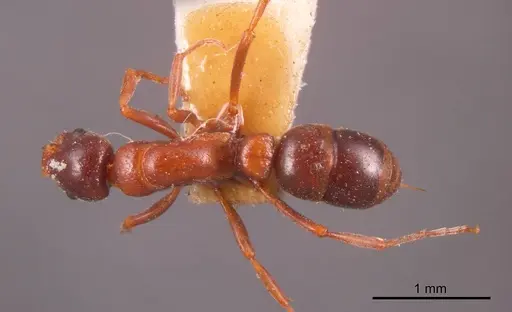
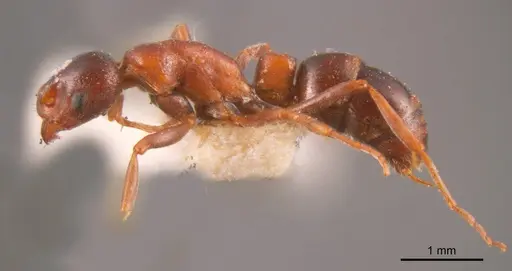
ANTWEB1008182
View on AntWeb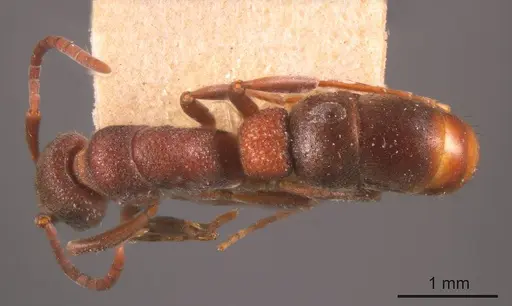
ANTWEB1008575
View on AntWeb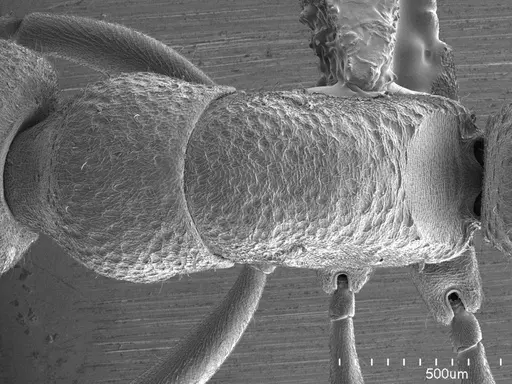
CASENT0260486
View on AntWeb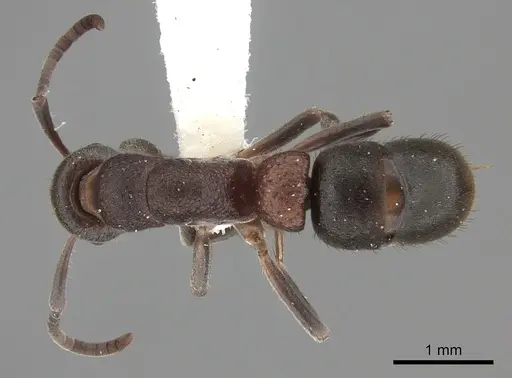
CASENT0887838
View on AntWeb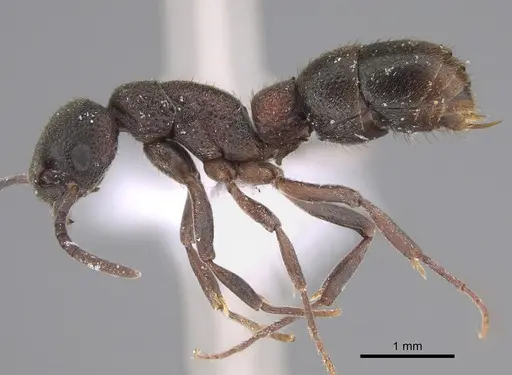
CASENT0907118
View on AntWeb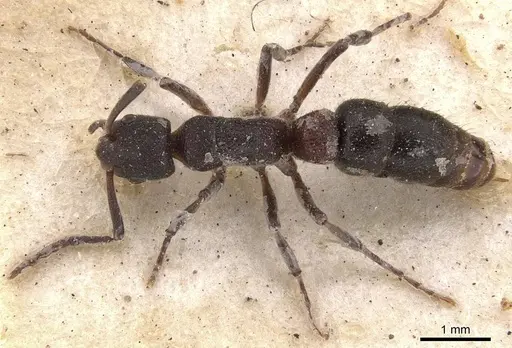
CASENT0907263
View on AntWeb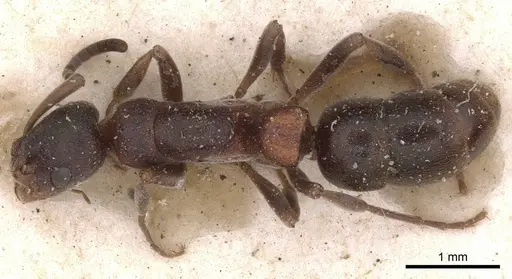
Literature
Loading...Loading products...