
Brachyponera lutea shows a September to November flight window. Peak activity occurs in October, with nuptial flights distributed across 3 months.

Brachyponera lutea
- Scientific Name
- Brachyponera lutea
- Tribe
- Ponerini
- Subfamily
- Ponerinae
- Author
- Mayr, 1862
- Distribution
- Found in 1 countries
- Nuptial Flight
- from September to November, peaking in October
AI Identifiable
try →
Brachyponera lutea Overview
Brachyponera lutea is an ant species of the genus Brachyponera. It is primarily documented in 1 countries , including Australia. Detailed taxonomic data and occurrence records can be further explored via authoritative databases such as AntWeb or the Global Biodiversity Information Facility (GBIF).
The nuptial flight of Brachyponera lutea is a significant biological event, typically occurring from September to November, peaking in October. During this time, winged queens and males leave the nest to mate and establish new colonies.
Brachyponera lutea
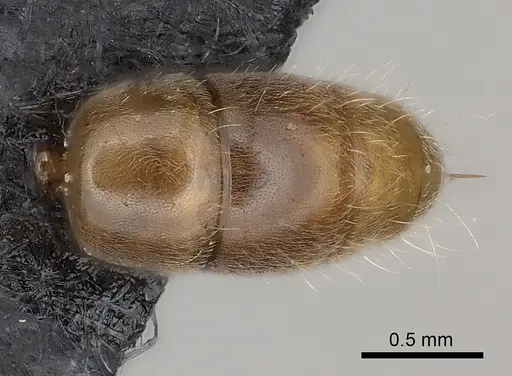
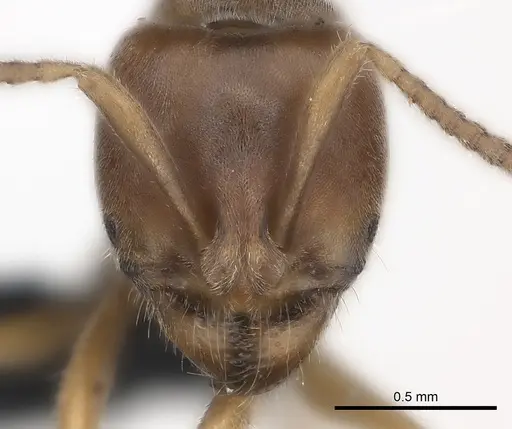
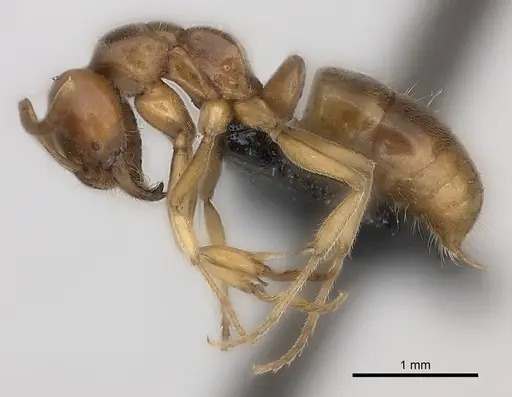
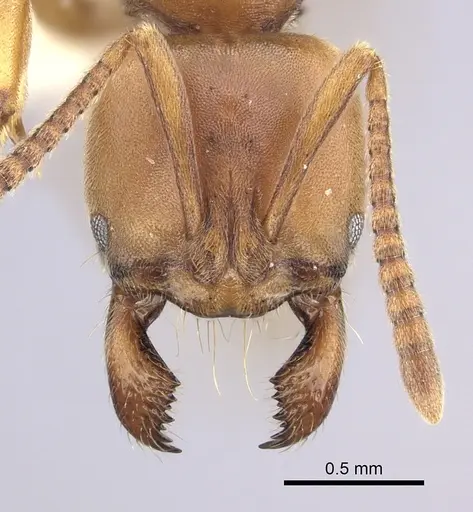
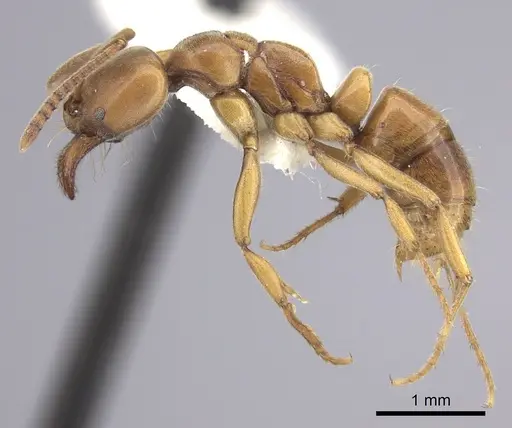
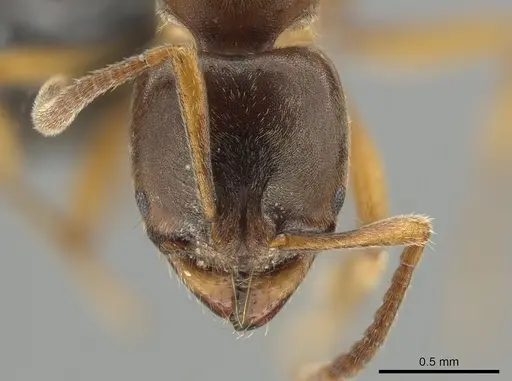
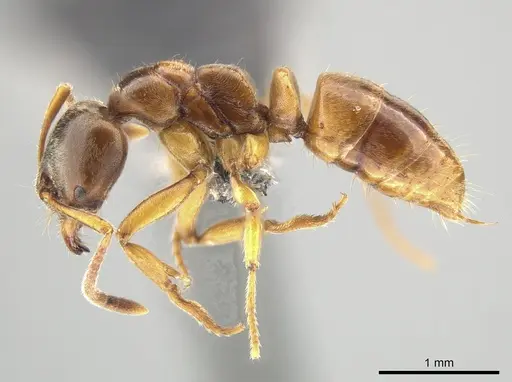
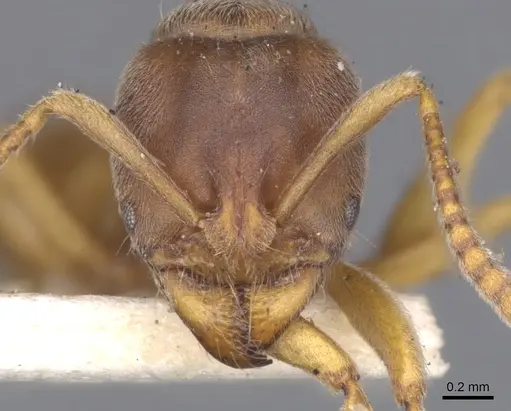
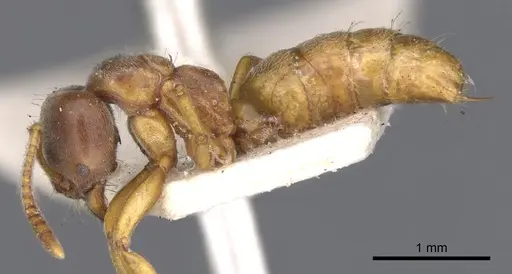
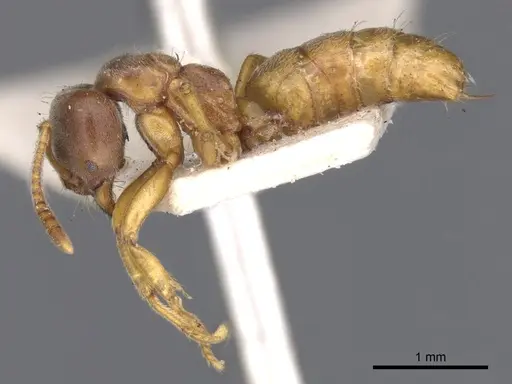
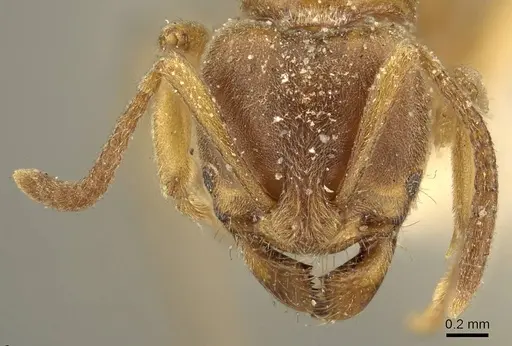
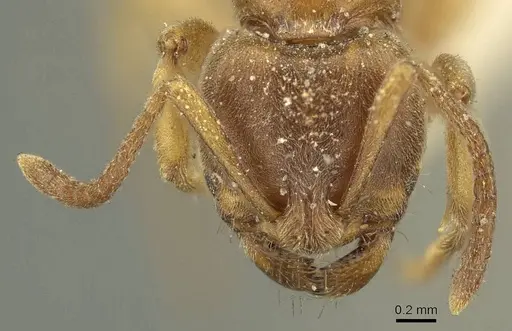
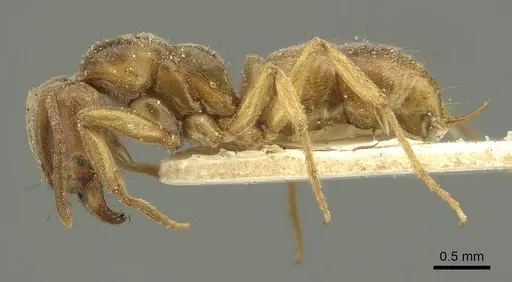
Brachyponera lutea is a medium-sized ant native to Australia, easily recognized by the dramatic size difference between queens and workers, the highest of any Ponerine ant. Workers measure 4-5mm in a pale yellow to brownish color, while queens are impressively large at 10-11.5mm with dark brownish-black pigmentation [1]. This species occurs throughout Australia, from tropical northern regions to colder southern areas, making it one of the most widespread and adaptable ants on the continent [2][1]. They typically nest under flat stones or rotting logs, often forming rambling networks of galleries [1].
What makes B. lutea special among ponerine ants is its fully claustral founding behavior, queens seal themselves in a closed chamber and raise their first workers without ever leaving to forage, which is rare in this subfamily [3]. They are accomplished termite hunters and often nest near or within termite mounds, making them a fascinating species for keepers interested in predatory ant behavior [1].
Quick Summary
- Difficulty: Medium
- Origin & Habitat: Australia-wide, from tropical northern regions to cold southern areas, found in moist to dry soils across diverse habitats including native woodlands, suburban areas, and arid zones [1][2][4]
- Colony Type: Single-queen colonies (monogyne). Queens are highly dimorphic compared to workers, this size difference is the highest among all Ponerinae and is associated with their claustral founding ability [1][5].
- Colony: Monogyne
- Founding: Claustral
- Size & Growth:
- Queen: 10-11.5mm [1]
- Worker: 4-5mm [1]
- Colony: Over 2000 workers in fully developed colonies, populous for a Ponerine [1]
- Growth: Moderate
- Development: Approximately 6-8 weeks based on documented timeline: queens produced cocoons by mid-March with first workers emerging by late March to early April [1] (Development occurs during warmer months in Australia. Queens seal themselves in closed cells and raise first brood alone through regurgitation.)
- Antkeeping:
- Temperature: Keep at room temperature, roughly 20-26°C. This species tolerates a wide range from cool to warm given its distribution across all Australian climate zones [1]. A gentle gradient allows ants to self-regulate.
- Humidity: Adaptable to moist to dry conditions. Provide a humid nest chamber but allow some drier areas for choice. In nature they nest under stones in various soil moisture conditions [1].
- Diapause: Yes, they slow down during Australian winter months. In captivity, a cool period around 10-15°C for 2-3 months mimics their natural cycle.
- Nesting: Y-tong (AAC) or plaster nests work well. They naturally nest under flat stones or rotting logs with rambling gallery systems. Provide a nest with chambers sized appropriately for their 4-5mm workers [1].
- Behavior: Generally secretive and non-aggressive toward keepers, but they can deliver a painful sting, anecdotal reports confirm they sting people tending gardens [2]. Workers are active foragers that hunt termites and scavenge from other ant and termite nests [6]. They are generalist foragers that hunt in open areas and recently burnt sites. Escape risk is moderate, use standard barriers. Colonies can become quite populous, so plan for expansion.
- Common Issues: colonies may fail if kept too cold, they need warmth during active growth periods, queens can be sensitive during claustral founding, avoid disturbing sealed-off chambers, test tube setups may flood if water reservoirs are too large for their digging behavior, slow initial growth can frustrate beginners, claustral queens take time to raise first workers, they may escape through small gaps, ensure escape prevention is adequate for 4-5mm workers
Nuptial Flight Activity Analysis 56 observations
Flight Activity by Hour 56 observations
Brachyponera lutea nuptial flight activity peaks around 15:00 during the afternoon. Activity is spread across a 13-hour window (10:00–22:00). A secondary activity peak occurs around 11:00. Times may be influenced by human observation patterns.
Housing and Nest Setup
Brachyponera lutea adapts well to various nest types. Y-tong (acrylic) nests or plaster nests work best, providing chambers scaled to their 4-5mm worker size. In the wild, they excavate rambling networks of galleries under flat stones or fallen logs, so they appreciate some open tunneling space [1]. A test tube setup can work for founding colonies, but transfer to a proper formicarium once the colony reaches 15-20 workers. They prefer darkness for nesting and will readily move into enclosed chambers. Because they naturally nest under stones, a naturalistic setup with a flat stone covering part of the nest chamber can encourage natural behavior. Ensure the outworld (foraging area) is escape-proof, these ants are moderate climbers but standard barrier methods work well.
Feeding and Diet
These ants are primarily predatory on termites and likely accept larvae of other ants as prey [1]. In captivity, offer small live insects like fruit flies, small crickets, and especially termites (their natural prey). They also scavenge from other ant and termite nests in the wild, so they may accept dead insects [6]. Feed protein sources 2-3 times per week for growing colonies. Sugar water or honey can be offered occasionally, but their primary diet should be insect-based. Remove uneaten prey after 24-48 hours to prevent mold. Workers forage individually rather than in raiding parties, so place food in accessible locations in the outworld.
Temperature and Seasonal Care
B. lutea tolerates a wide temperature range from roughly 15°C to 30°C, reflecting their Australia-wide distribution from tropics to cold southern regions [1]. Keep the nest area around 22-26°C during active growth periods. A heating cable on one side of the nest creates a beneficial gradient. During Australian winter (roughly May-August in the southern hemisphere), colonies naturally slow down. In captivity, provide a cool period around 10-15°C for 2-3 months to mimic their natural cycle, this helps maintain colony health and may trigger spring breeding activity. Do not cool suddenly, reduce temperature gradually over 1-2 weeks.
Colony Founding
This species is a rare exception among ponerines as a fully claustral founder, queens seal themselves in a closed chamber and raise their first workers without ever leaving to forage [3]. The queen uses stored fat reserves (her voluminous fat-body) to produce food for larvae through regurgitation [1]. In observation, fertile females excavated closed cells under stones and did not reopen them. They accepted honey drops offered inside the chamber but never emerged to forage. Larvae developed rapidly, fed entirely by ingluvial (regurgitated) food from the queen. First cocoons appeared by mid-March in one observed colony, with young workers emerging by late March to early April [1]. Keep founding chambers dark and undisturbed, queens may abandon or eat brood if disturbed during this critical period.
Behavior and Defense
Workers are secretive and spend much time underground, but they actively forage for termites and other small prey. They are generalist foragers that hunt in open areas and recently burnt sites [6]. Colonies can become quite populous (2000+ workers), so they will expand significantly once established. The most notable defensive trait is their sting, anecdotal reports confirm they sting people gardening in areas where they nest [2]. While not aggressive toward keepers, they will sting if threatened or handled roughly. Their sting is reported as painful, so handle with care. Workers may also spray formic acid as a secondary defense. They often nest near other ant species (including Myrmecia) and termite mounds, suggesting they are tolerant of other insects in proximity.
Growth and Development
Colony growth is moderate but steady once established. The dramatic queen-worker size difference (queens are 2-3x larger than workers) is the highest among all Ponerinae and is directly linked to their claustral lifestyle, large queens have sufficient fat reserves to found colonies without foraging [1][5]. First workers (nanitics) are typically smaller than mature workers. Development from egg to worker takes approximately 6-8 weeks at optimal temperature, with cocoons appearing before workers emerge [1]. Colonies can reach 2000+ workers in the wild, though captive colonies typically stabilize around 500-1000 workers before natural decline. Growth is fastest during warmer months, mimic this by maintaining warm temperatures (22-26°C) during active periods.
Frequently Asked Questions
Are Brachyponera lutea ants good for beginners?
They are rated as medium difficulty. The fully claustral founding means queens raise first workers alone without special care, which is easier than semi-claustral species. However, their sting and moderate growth rate may not make them ideal for complete beginners. They are more rewarding for keepers with some antkeeping experience.
How long does it take for Brachyponera lutea to produce first workers?
Approximately 6-8 weeks from egg to worker at optimal temperature. Queens seal themselves in and raise the first brood alone. First cocoons appear by mid-March in established colonies, with workers emerging late March to early April [1].
What do Brachyponera lutea ants eat?
They are primarily predatory on termites and larvae of other ants. In captivity, feed small live insects like fruit flies, small crickets, and especially termites when available. They also scavenge, so dead insects may be accepted. Protein should be offered 2-3 times weekly.
Can I keep multiple Brachyponera lutea queens together?
No, this is a monogyne (single-queen) species. Multiple unrelated queens will fight. Only one queen should be kept per colony. The claustral founding behavior shows queens establish isolated cells rather than forming multi-queen colonies [1].
Do Brachyponera lutea ants need hibernation?
Yes, they benefit from a cool period mimicking Australian winter. Reduce temperature to roughly 10-15°C for 2-3 months during the cooler season. This helps maintain colony health and may trigger spring breeding activity. Do not cool suddenly, reduce temperature gradually.
How big do Brachyponera lutea colonies get?
Colonies can reach over 2000 workers in the wild, making them populous for a Ponerine ant [1]. In captivity, colonies typically stabilize around 500-1000 workers. The dramatic size difference between queens (10-11.5mm) and workers (4-5mm) is the highest among all Ponerinae.
What temperature do Brachyponera lutea ants need?
Keep them at roughly 20-26°C during active periods. They tolerate a wide range from cool to warm given their Australia-wide distribution. A heating cable on one side of the nest creates a beneficial gradient. Room temperature within this range is typically sufficient.
When should I move Brachyponera lutea to a formicarium?
Move from test tube to a proper nest (Y-tong or plaster) once the colony reaches 15-20 workers. They naturally nest under stones with rambling galleries, so they appreciate a nest with multiple chambers and some tunneling space.
References

This caresheet is licensed under CC BY-SA 4.0 .
ANTWEB1008688
View on AntWeb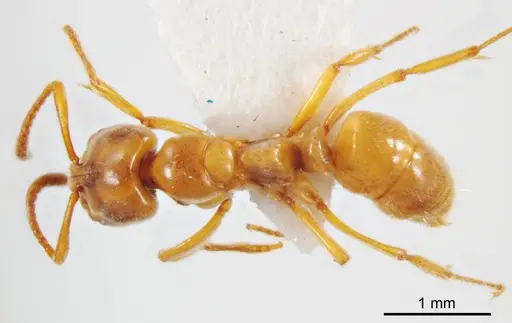
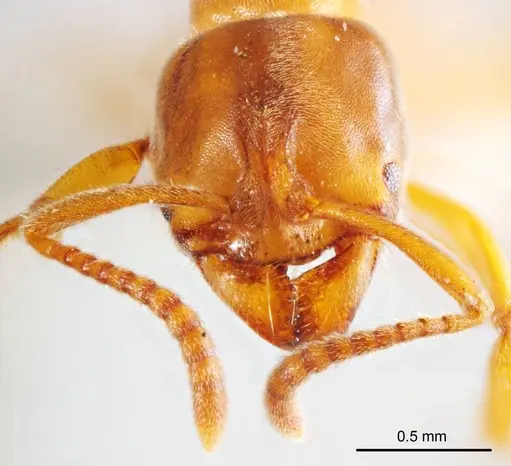
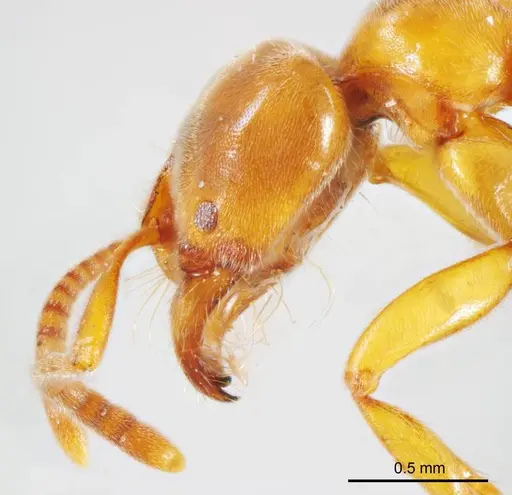
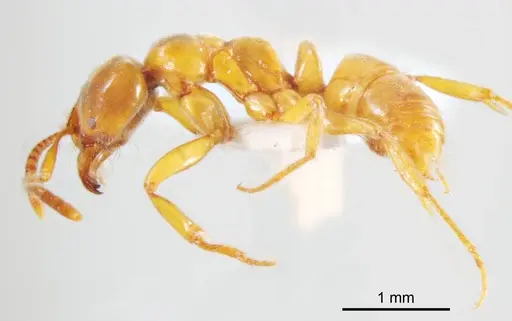
CASENT0217564
View on AntWeb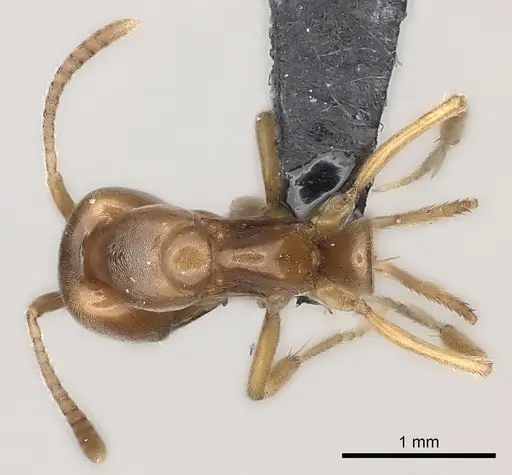
CASENT0249181
View on AntWeb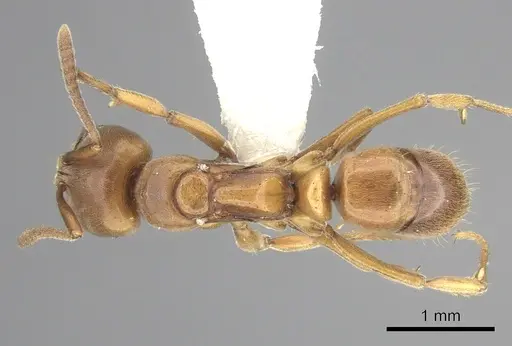
CASENT0650371
View on AntWeb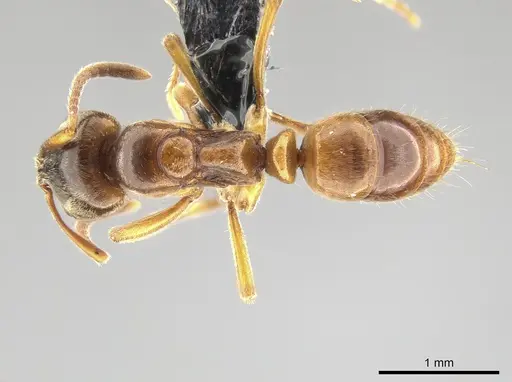
CASENT0902499
View on AntWeb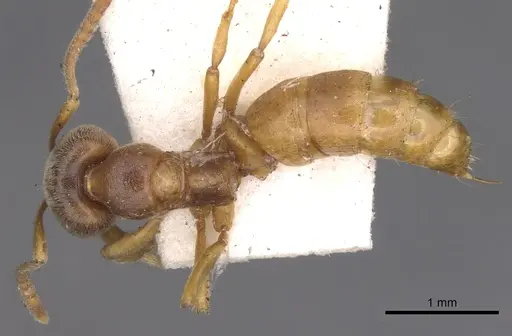
CASENT0915668
View on AntWeb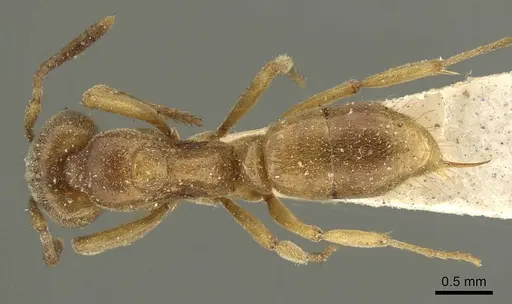
Literature
Loading...Loading products...