

Plagiolepis brunni
- Scientific Name
- Plagiolepis brunni
- Tribe
- Plagiolepidini
- Subfamily
- Formicinae
- Author
- Mayr, 1895
- Common Name
- Brunn's Restless ant
- Distribution
- Found in 6 countries
Plagiolepis brunni Overview
Plagiolepis brunni (commonly known as the Brunn's Restless ant) is an ant species of the genus Plagiolepis. It is primarily documented in 6 countries , including Gambia, Mozambique, Rwanda. Detailed taxonomic data and occurrence records can be further explored via authoritative databases such as AntWeb or the Global Biodiversity Information Facility (GBIF).
Plagiolepis brunni - "Brunn's Restless ant"
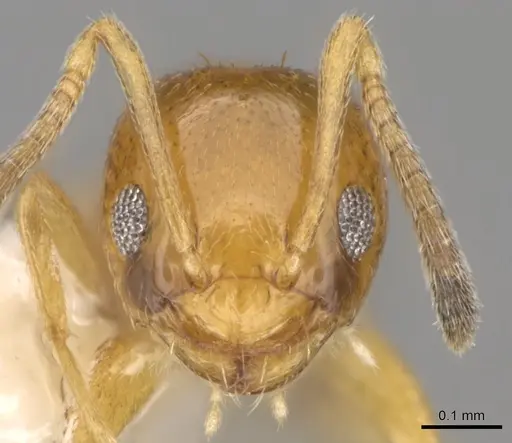
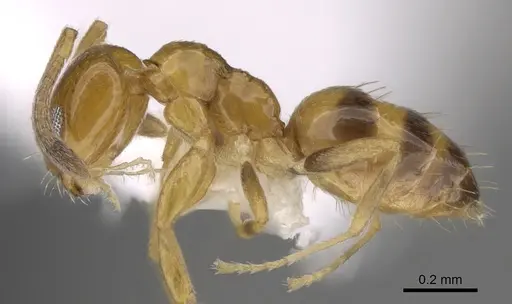
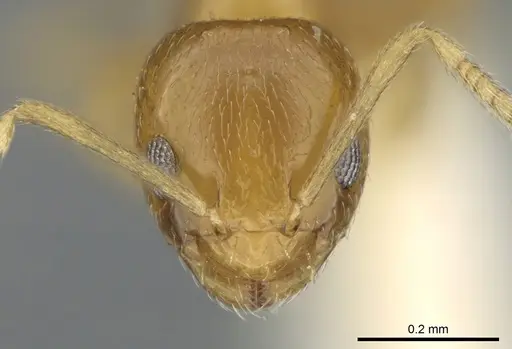
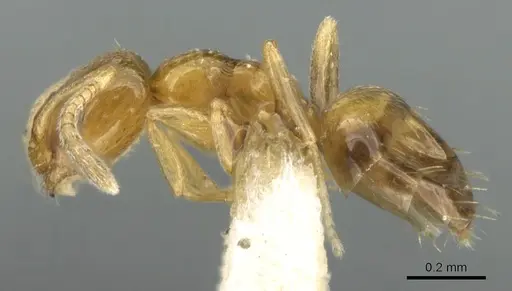
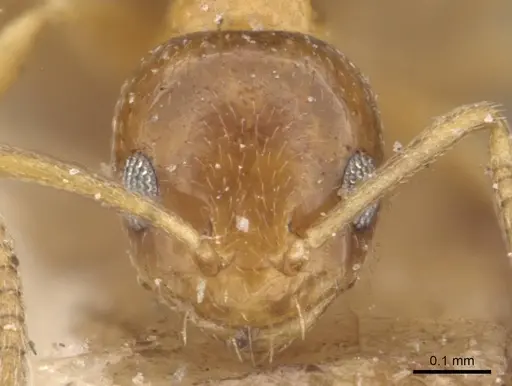
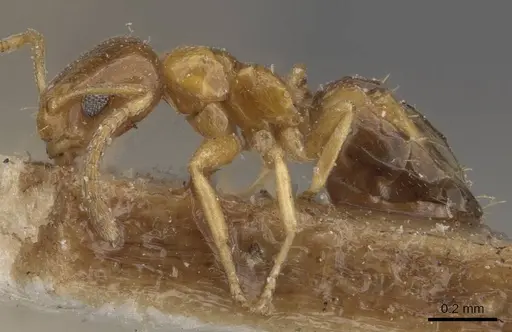
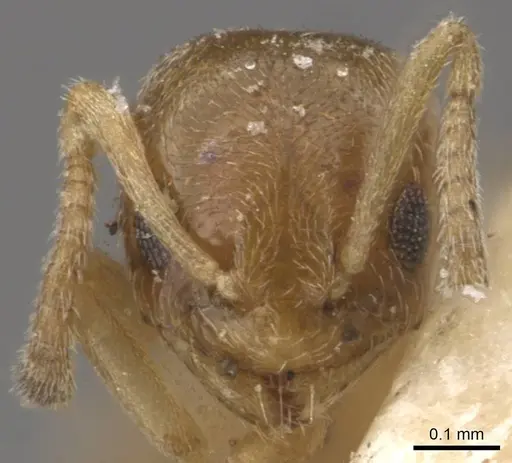
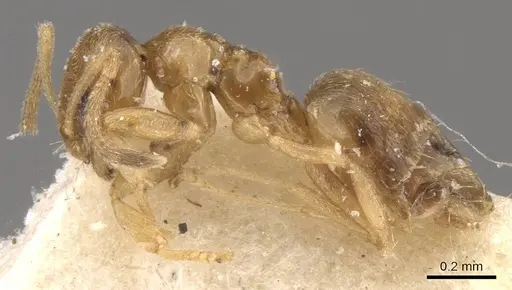
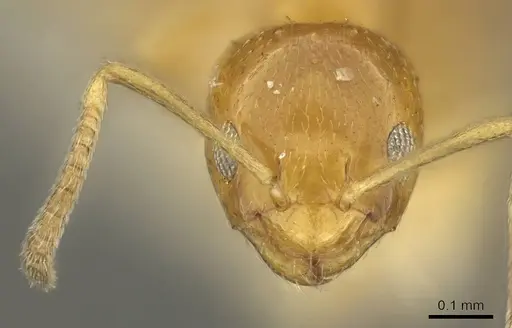
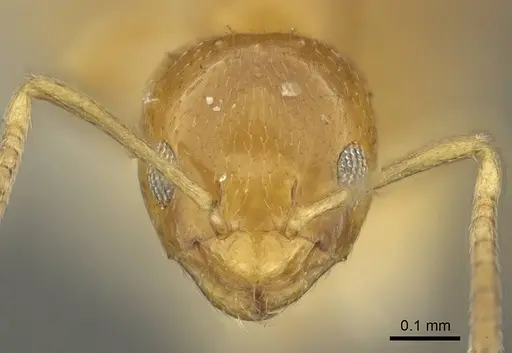
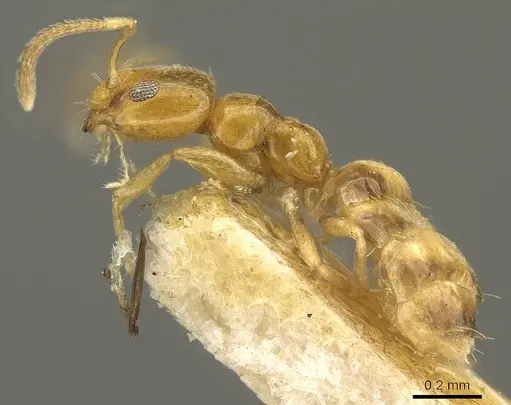
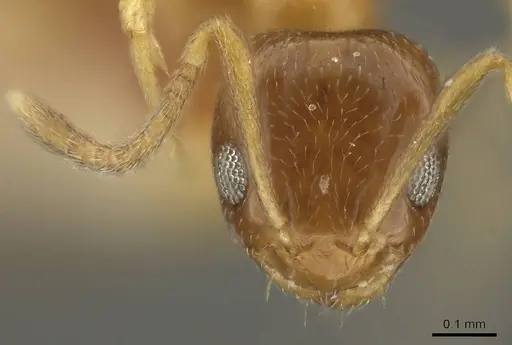
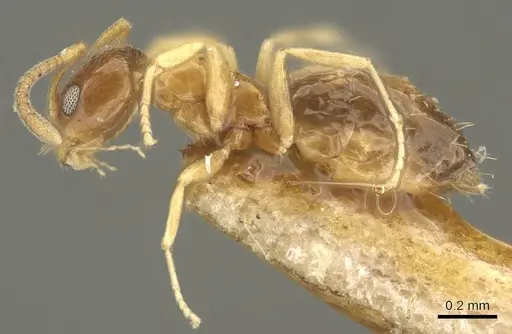
Plagiolepis brunni is a small, yellowish-brown ant species native to sub-Saharan Africa. Workers are tiny, typically measuring 2-3mm, with a pale coloration that helps them blend into their arboreal habitat. This species belongs to the Formicinae subfamily and is closely related to the more widely known Plagiolepis alluaudi [1].
This ant is primarily a tree-dwelling species that tends aphids and builds small tents from plant material. While widespread across sub-Saharan Africa, it appears to be generally uncommon except in certain areas like Nigeria where it can be found on cocoa trees. It's a quiet, non-aggressive species that forages on vegetation rather than the forest floor.
Quick Summary
- Difficulty: Medium
- Origin & Habitat: Sub-Saharan Africa, found in Benin, Guinea, Kenya, Mozambique, Nigeria, South Africa, Tanzania, Zimbabwe, Rwanda, and Eritrea. Inhabits tropical forest zones and agricultural areas, commonly foraging on trees including cocoa, kola, oil palm, and plantain [2].
- Colony Type: Colony structure is not well documented. Based on related Plagiolepis species, likely single-queen colonies (monogyne), though some Plagiolepis can have multiple queens. Further research needed to confirm.
- Founding: Claustral
- Size & Growth:
- Queen: Estimated 4-5mm based on genus Plagiolepis patterns, direct measurements not available
- Worker: 2-3mm based on genus patterns [2]
- Colony: Likely small to moderate, related species typically reach several hundred workers. Exact colony size unconfirmed.
- Growth: Moderate, estimated based on typical Plagiolepis development
- Development: Estimated 6-8 weeks at optimal temperature based on genus patterns (Development timeline not directly studied, estimate based on related Formicinae species)
- Antkeeping:
- Temperature: Keep at 24-28°C, these are tropical ants that prefer warm conditions. A gentle gradient allowing them to move between warmer and cooler areas is ideal.
- Humidity: Moderate to high humidity (60-80%). As a tree-dwelling species, they prefer humid conditions but not saturated. Provide moisture through a water reservoir in the nest while ensuring good ventilation to prevent mold.
- Diapause: Unlikely, as a tropical species from sub-Saharan Africa, they likely do not require a true diapause. However, they may show reduced activity during cooler periods.
- Nesting: Prefers arboreal nesting sites. In captivity, a Y-tong (AAC) or plaster nest with small chambers works well. Provide some climbing structures and twigs since they naturally forage on vegetation. Avoid large, open spaces, tight chambers scaled to their tiny size are preferred.
- Behavior: Plagiolepis brunni is a calm, non-aggressive species. Workers are small and quiet, typically foraging on vegetation for honeydew and small insects. They are not known to sting and pose no danger to keepers. Their small size means escape prevention is critical, they can squeeze through tiny gaps. They tend aphids in captivity and will build small tent-like structures if given plant material.
- Common Issues: escape prevention is critical due to their tiny 2-3mm size, use fine mesh and tight-fitting lids, small colony size means slow growth, beginners may lose patience, limited natural history data means some care aspects are estimates rather than confirmed requirements, may be outcompeted by more aggressive ant species if housed in a shared setup, test tube setups can dry out quickly, monitor moisture levels regularly
Housing and Nest Setup
Plagiolepis brunni is a small arboreal species, so your setup should reflect their natural tree-dwelling habits. A Y-tong (AAC) nest or plaster nest with small, tight chambers works best, these ants are tiny and need appropriately scaled spaces. Avoid large, open formicaria that would overwhelm such small ants.
Include some climbing structures like twigs, branches, or artificial plants in the outworld. This species naturally forages on vegetation and will appreciate having vertical space to explore. A water test tube connected to the nest provides moisture without flooding. Cover any gaps with fine mesh, these ants can escape through the tiniest openings. [2]
Feeding and Diet
In the wild, Plagiolepis brunni tends aphids and feeds on honeydew, along with hunting small insects. In captivity, offer sugar water or honey water as a constant energy source. For protein, provide small prey like fruit flies, pinhead crickets, or other tiny insects.
They will also accept honeydew substitutes. Feed protein 2-3 times per week, and keep sugar water available at all times. Remove uneaten prey after 24 hours to prevent mold. These ants are small, so portion sizes should be tiny, a few drops of sugar water and prey items smaller than their head is plenty. [2]
Temperature and Humidity
As a tropical African species, Plagiolepis brunni prefers warm conditions. Keep the nest area at 24-28°C, with a slight gradient if possible so workers can regulate their own temperature. Room temperature in this range works well for most keepers.
Humidity should be moderate to high (60-80%). These are tree-dwelling ants that appreciate humidity but not standing water. A water test tube connected to the nest provides a steady moisture source. Ensure good ventilation to prevent mold buildup while maintaining humidity.
Behavior and Colony Dynamics
This is a calm, non-aggressive species that poses no threat to keepers. Workers are small, quiet, and go about their business without fuss. They are not known to sting, making them safe for antkeepers of all experience levels.
Colony growth is likely moderate, expect several months before seeing significant worker numbers. The colony will likely remain relatively small compared to species like Camponotus or Lasius. Be patient with growth and avoid the temptation to overfeed, which can lead to mold problems in small setups.
Handling and Observation
Plagiolepis brunni is best observed rather than handled. Their small size makes them delicate, and they are not suited for ant farms where they could escape easily. Use a magnifying glass or macro lens to appreciate their interesting behaviors, they have a distinctive yellowish color and somewhat flattened body shape.
Watch for tent-building behavior if you provide plant material in the outworld. This is one of their unique traits in the wild and may be observed in captivity. They are also known to be preyed upon by other ant species, so keep them separated from more aggressive species. [2]
Frequently Asked Questions
How long does it take for Plagiolepis brunni to produce first workers?
Based on related species, expect 6-8 weeks from egg to worker at optimal temperature (24-28°C). This is an estimate since the species hasn't been directly studied for development timeline.
Can I keep Plagiolepis brunni in a test tube setup?
Yes, a test tube setup works well for founding colonies. Use a small diameter tube since these ants are tiny. Connect a water tube for humidity and ensure escape prevention is excellent, they can squeeze through very small gaps.
What do Plagiolepis brunni eat?
They primarily feed on honeydew (aphid secretions) and small insects. In captivity, offer sugar water or honey water constantly, and protein sources like fruit flies, pinhead crickets, or other tiny insects 2-3 times per week.
How big do Plagiolepis brunni colonies get?
Colony size is not well documented, but based on related species, colonies likely reach several hundred workers. They are not among the largest ant species, expect moderate-sized colonies.
Are Plagiolepis brunni good for beginners?
They are moderate difficulty, not the easiest but not challenging. Their small size and escape risk require attention to detail, but their calm nature and simple care requirements make them manageable for committed beginners.
Do Plagiolepis brunni need hibernation?
No, as a tropical African species they do not require hibernation. Keep them at warm temperatures (24-28°C) year-round. They may reduce activity during cooler periods but will remain active.
Why are my Plagiolepis brunni escaping?
Their tiny 2-3mm size means they can escape through gaps you might not notice. Use fine mesh (at least 0.5mm), check all lid seals, and consider using fluon or other barriers. Even small gaps that seem insignificant to us are huge exits for these ants.
When should I move Plagiolepis brunni to a formicarium?
Move them when the test tube becomes crowded or the water reservoir runs out, typically when the colony reaches 30-50 workers. Make sure the formicarium has appropriately small chambers and good humidity control.
Can I keep multiple Plagiolepis brunni queens together?
This has not been documented for this species. Based on related Plagiolepis, they likely form single-queen colonies. It is not recommended to combine unrelated queens as fighting may occur.
What temperature is best for Plagiolepis brunni?
Keep them at 24-28°C. This tropical species prefers warm conditions. A heating cable on one side of the nest can create a gradient, but room temperature in this range is often sufficient.
Is Plagiolepis brunni invasive anywhere?
This species is native to sub-Saharan Africa and has not been documented as invasive in other regions. However, always check local regulations before acquiring or releasing any ant species.
References

This caresheet is licensed under CC BY-SA 4.0 .
CASENT0281160
View on AntWeb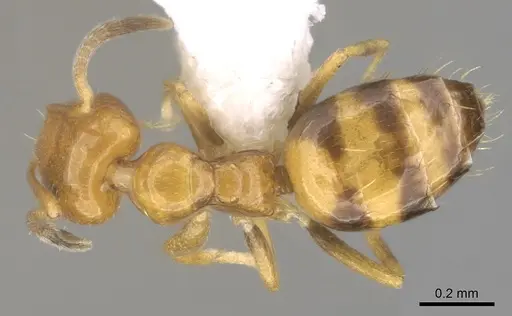
CASENT0906250
View on AntWeb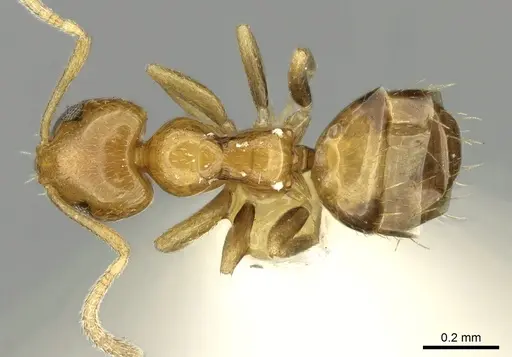
CASENT0909846
View on AntWeb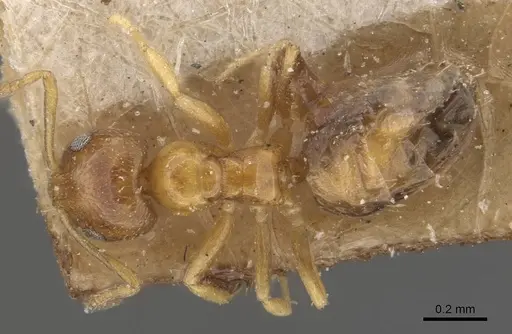
CASENT0909847
View on AntWeb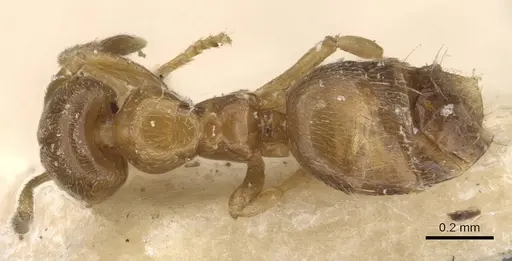
CASENT0915711
View on AntWeb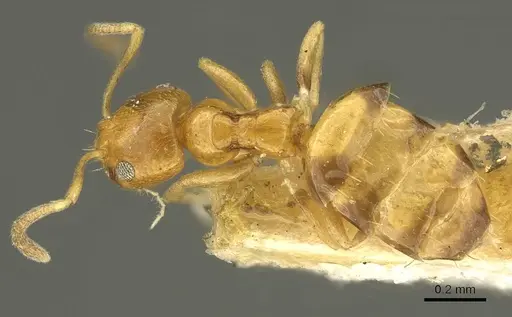
CASENT0915712
View on AntWeb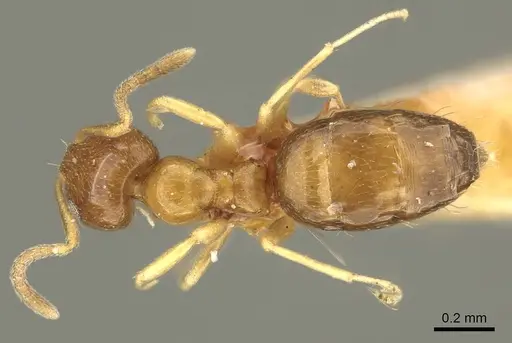
Literature
Loading...Loading products...