

Pheidole yeensis
- Scientific Name
- Pheidole yeensis
- Tribe
- Attini
- Subfamily
- Myrmicinae
- Author
- Forel, 1902
- Distribution
- Found in 1 countries
Pheidole yeensis Overview
Pheidole yeensis is an ant species of the genus Pheidole. It is primarily documented in 1 countries , including China. Detailed taxonomic data and occurrence records can be further explored via authoritative databases such as AntWeb or the Global Biodiversity Information Facility (GBIF).
Pheidole yeensis
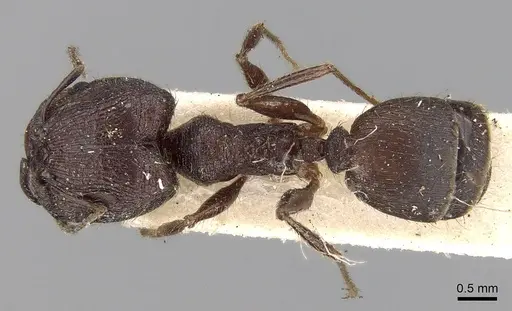
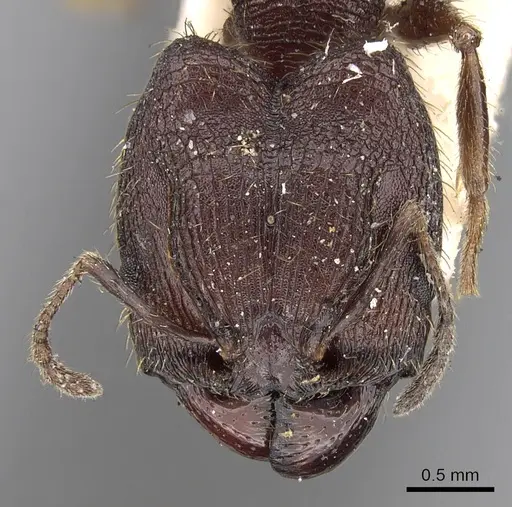
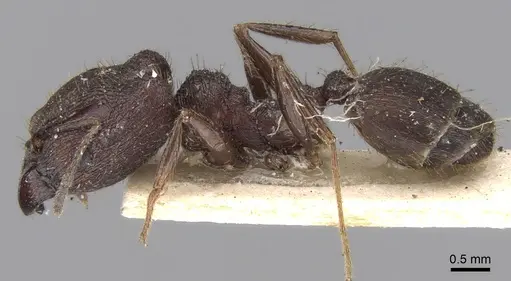
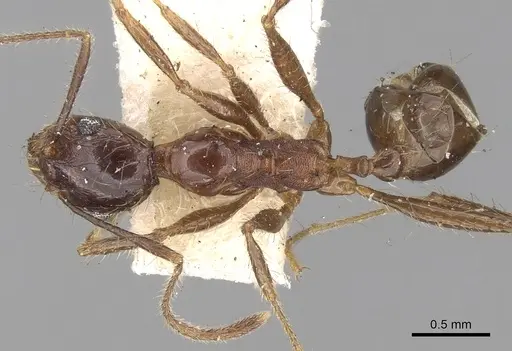
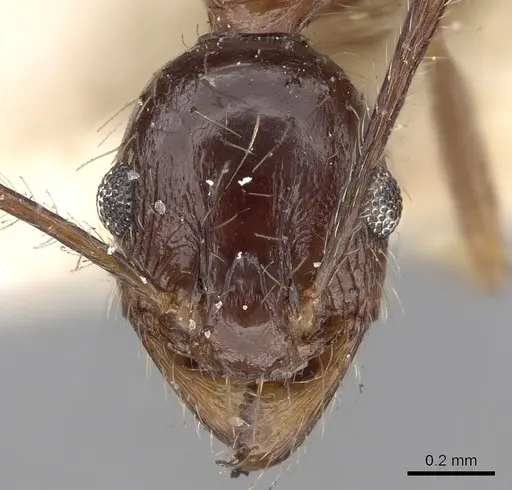
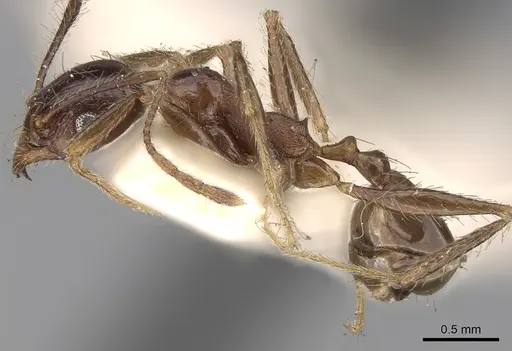
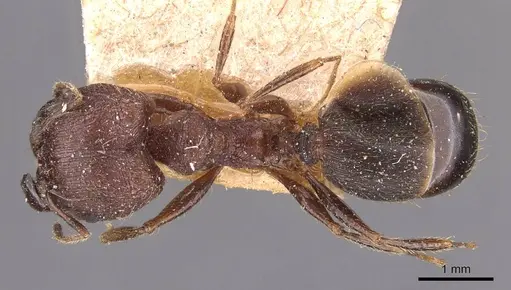
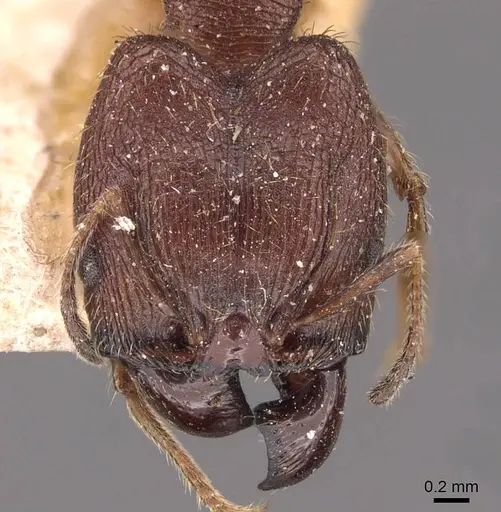
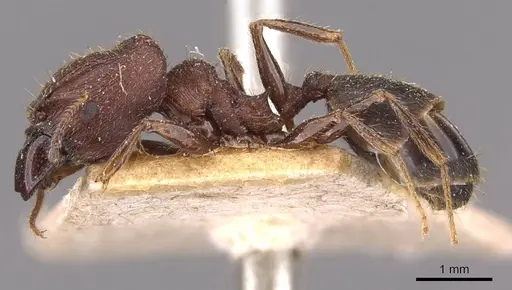
Pheidole yeensis is a small to medium-sized ant species native to the Indo-Chinese subregion, found across Myanmar, Thailand, Vietnam, Laos, and southern China (Yunnan, Guangxi, Hainan). The species is characterized by having two distinct worker castes: minor workers at 2.7-3.0mm and major workers (soldiers) at 5.8-6.3mm with notably enlarged heads [1][2]. Major workers have a deeply concave vertex and longitudinally rugoso-punctate first gastral tergite, while minor workers have relatively thick standing hairs on the head and mesosoma [2]. This species is highly dominant in agricultural areas of northern Vietnam, where it ranks among the most common Pheidole species alongside P. parva [2]. Unlike many forest-dwelling ants, P. yeensis thrives in open lands, tillage fields, and gardens, nesting directly in soil with a characteristic raised soil wall surrounding the nest entrance [2].
Quick Summary
- Difficulty: Easy
- Origin & Habitat: Indo-Chinese subregion (Myanmar, Thailand, Vietnam, Laos, southern China). Found in open lands, agricultural fields, and gardens, it prefers disturbed areas over forested habitats [2][3][4].
- Colony Type: Likely single-queen colonies based on typical Pheidole genus patterns. Colony structure has not been specifically studied for this species.
- Colony: Monogyne
- Founding: Claustral
- Size & Growth:
- Queen: Not directly measured, estimated 8-10mm based on genus patterns
- Worker: Minor workers: 2.7-3.0mm [1], Major workers (soldiers): 5.8-6.3mm [1]. Minor workers measured in scientific samples: HL 0.73-0.93mm, HW 0.58-0.77mm [2]. Major workers: HL 2.01-2.09mm, HW 1.77-1.83mm [2].
- Colony: Likely reaches several thousand workers based on typical Pheidole colony development, not directly documented for this species
- Growth: Moderate, based on typical Pheidole development patterns
- Development: 6-10 weeks estimated based on typical Pheidole genus development at warm temperatures (24-28°C) (Development time is estimated from genus-level data since specific development has not been documented for this species)
- Antkeeping:
- Temperature: Keep at 24-28°C. This species originates from tropical/subtropical regions and prefers warm conditions. A heating cable on one side of the nest creates a suitable gradient [2].
- Humidity: Moderate humidity around 50-70%. These ants nest in soil in agricultural areas, so the substrate should be kept lightly moist but not waterlogged. Allow some drying between waterings.
- Diapause: No, as a tropical species from the Indo-Chinese region, they do not require hibernation or winter rest [2]. Maintain consistent warm temperatures year-round.
- Nesting: Soil-nesting species. In captivity, a naturalistic setup with soil substrate works well, or a Y-tong/plaster nest with moist substrate. They build prominent soil structures around nest entrances in the wild, so providing soil allows natural behavior [2]. Test tube setups work for founding colonies.
- Behavior: Active ground-foragers that both prey on and scavenge small invertebrates, including other ground-foraging ants like Odontoponera denticulata [2]. They have soldiers (major workers) with enlarged heads for defense and seed processing. Workers show high individual aggression toward invasive fire ants (Solenopsis invicta) but suffer very high mortality in group encounters (98%) when attacked [5]. Their venom shows relatively low toxicity to fire ant venom (22.46% mortality), indicating some chemical resistance but physical vulnerability [5]. They are not strong escape artists but standard barrier precautions should still be taken. Minor workers are small (under 4mm), so fine mesh or barrier gel is recommended.
- Common Issues: small minor workers can escape through standard test tube cotton, use fine mesh or fluon barriers, colonies are highly vulnerable to fire ant attacks in group confrontations, keep separate from Solenopsis species, soil nesting requires appropriate depth and moisture management, avoid both drying out and waterlogging, soldier production may be slow, these ants allocate resources to major workers only when colony is well-established
Nest Preferences and Housing
Pheidole yeensis is a soil-nesting species that builds nests directly in the ground. In the wild, they construct a prominent soil wall or mound around the nest entrance, this is a distinctive behavioral trait that helps identify their nests in field conditions [2]. For captive care, you have several options: a naturalistic setup with a soil-filled container works well and allows the ants to exhibit their natural building behavior. Alternatively, a Y-tong (acrylic) nest or plaster nest with moist substrate also suits them well. Test tubes are suitable for founding colonies, but you should plan to move them to a larger setup as the colony grows. These ants do not require elaborate nest structures, they are adaptable and will use whatever space is available. The key is providing enough depth for the colony to expand and maintaining appropriate substrate moisture.
Feeding and Diet
In the wild, P. yeensis workers are active ground-foragers that both prey on and scavenge small invertebrates. They are known to attack and consume other ground-foraging ants, including Odontoponera denticulata, demonstrating their predatory capabilities [2]. For captive feeding, offer a varied diet: protein sources like small insects (fruit flies, pinhead crickets, mealworms), and sugar sources such as honey water or sugar water. They will readily accept both live and dead prey. As a Pheidole species with soldiers, they can process larger prey items and seeds thanks to their major workers' powerful mandibles. Feed protein 2-3 times per week and provide constant access to sugar water. Remove uneaten prey after 24-48 hours to prevent mold. Their predatory nature means live prey is particularly appreciated, but they will scavenge on dead insects as well.
Temperature and Seasonal Care
As a species native to the Indo-Chinese subregion (tropical/subtropical Asia), P. yeensis requires warm temperatures year-round. Keep the nest area at 24-28°C for optimal colony development and activity. A heating cable placed on one side of the nest creates a temperature gradient that allows ants to regulate their own exposure to warmth. Unlike temperate species, these ants do not require hibernation or diapause, maintaining consistent warm conditions is essential for their health [2]. Temperatures below 20°C may slow activity and brood development. Room temperature in most homes (around 22-25°C) is generally suitable, but you may need to add gentle heating in cooler climates. Avoid temperature fluctuations and drafts.
Behavior and Defense
P. yeensis has a well-developed soldier caste, major workers with significantly enlarged heads and powerful mandibles. These soldiers serve for defense, seed processing, and dominating food resources [6]. The species shows interesting behavioral responses to threats: in studies comparing native ant resistance to invasive fire ants (Solenopsis invicta), P. yeensis showed the second-highest individual aggression score (2.37 ± 0.15), but suffered catastrophic group mortality (98%) when fire ant workers attacked in groups [5]. Interestingly, they showed remarkable venom resistance, only 22.46% mortality from fire ant venom, the lowest among tested species, indicating they can detoxify or resist the chemical attacks but cannot survive physical overwhelming force [5]. In your colony setup, this means they are bold foragers but may be vulnerable to aggressive tank-mates. They are not particularly aggressive toward keepers and rarely sting.
Colony Development
Pheidole yeensis colonies develop through the typical Pheidole pattern: founding queens seal themselves in (claustral founding) and raise the first brood using stored energy reserves. The first workers (nanitics) are typically smaller than normal workers. As the colony grows, production of soldiers (major workers) begins, this usually occurs once the colony reaches several hundred workers. The presence of soldiers indicates a healthy, established colony. Based on typical Pheidole growth rates, you can expect the first workers within 6-10 weeks under warm conditions (24-28°C), and a mature colony with soldiers within 6-12 months. Colony size likely reaches several thousand workers at maturity. The species is not particularly fast-growing compared to some tropical ants, but steady.
Frequently Asked Questions
How long does it take for Pheidole yeensis to produce first workers?
Based on typical Pheidole development, expect first workers (nanitics) in approximately 6-10 weeks at optimal temperature (24-28°C). This is estimated from genus-level data since specific development timing has not been documented for P. yeensis.
What do Pheidole yeensis ants eat?
They are predatory and scavenging ground-foragers. Feed small insects (fruit flies, pinhead crickets, small mealworms) as protein 2-3 times per week, and provide constant access to sugar water or honey. They will scavenge on dead insects and process seeds thanks to their soldier caste.
Do Pheidole yeensis ants need hibernation?
No. As a tropical species from the Indo-Chinese subregion, they do not require hibernation or winter rest. Keep them warm year-round at 24-28°C.
What size colony does Pheidole yeensis reach?
Colony size is not directly documented, but based on typical Pheidole species, expect several thousand workers at maturity. Soldiers typically appear once the colony reaches several hundred workers.
Are Pheidole yeensis good for beginners?
Yes. This species is considered easy to keep, they are adaptable, accept a wide variety of foods, and do not require complex temperature or humidity control beyond keeping them warm. Their soil-nesting behavior is straightforward to replicate in captivity.
Can I keep multiple queens together?
Pheidole yeensis likely forms single-queen colonies (monogyne) based on typical genus patterns. Combining unrelated foundress queens is not recommended as they would likely fight. If you obtain a colony, it likely has one queen.
What is the best nest type for Pheidole yeensis?
A naturalistic setup with soil substrate works best since they are soil-nesting ants in the wild. Y-tong or plaster nests with moist substrate are also suitable. Test tubes work for founding but plan to upgrade as the colony grows.
Why are my Pheidole yeensis dying?
Common causes include: temperatures below 20°C (they need warmth), substrate that is too dry or waterlogged, improper feeding (insufficient protein or sugar), or stress from disturbance. They are also vulnerable to aggressive ant species like fire ants if kept in shared spaces.
When will my colony produce soldiers?
Soldier production typically begins once the colony reaches several hundred workers. This usually takes 6-12 months under good conditions. Soldiers indicate a well-established, healthy colony.
References

This caresheet is licensed under CC BY-SA 4.0 .
Literature
Loading...Loading products...