

Pheidole weiseri
- Scientific Name
- Pheidole weiseri
- Tribe
- Attini
- Subfamily
- Myrmicinae
- Author
- Santschi, 1923
- Distribution
- Found in 2 countries
Pheidole weiseri Overview
Pheidole weiseri is an ant species of the genus Pheidole. It is primarily documented in 2 countries , including Argentina, Peru. Detailed taxonomic data and occurrence records can be further explored via authoritative databases such as AntWeb or the Global Biodiversity Information Facility (GBIF).
Pheidole weiseri
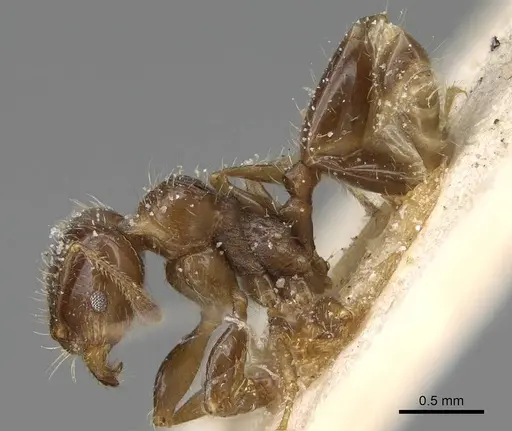
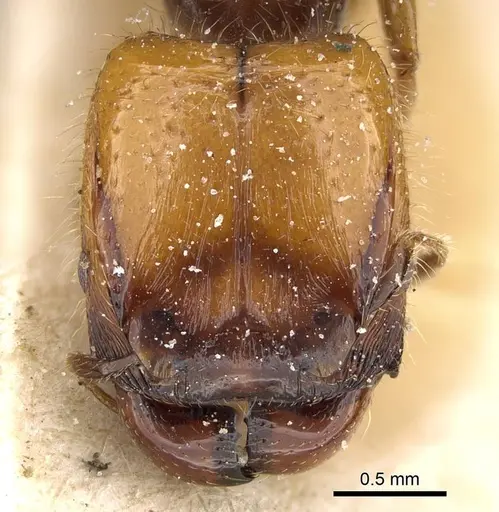
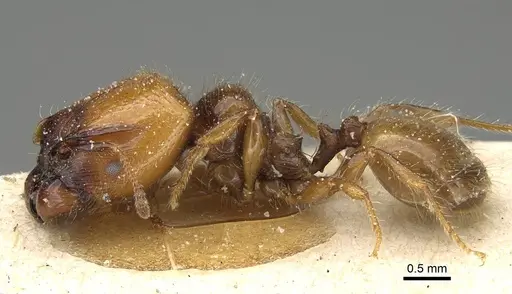
Pheidole weiseri is a small ant species native to northwestern Argentina, specifically known from the type locality in Jujuy province. This species belongs to the aberrans group and is closely related to Pheidole minensis and Pheidole obscurifrons. The species is characterized by its two worker castes: majors (soldiers) measure 1.42mm head width and have a light reddish-yellow coloration, while minors are smaller at 0.80mm head width with a light brown body and brownish-yellow appendages. The queens were described by Santschi in 1923 and later elevated from subspecies to full species status by Wilson in 2003. This ant has been recorded at high elevations above 3,300m in the Argentine Andes [1].
Quick Summary
- Difficulty: Unknown
- Origin & Habitat: Native to northwestern Argentina in the Neotropical region. Known from high elevation desert habitats above 3,300m in the Andes near Pucapampa, Jujuy province [1][2].
- Colony Type: Unconfirmed, no published data on colony structure for this species. Based on typical Pheidole patterns, likely single-queen colonies [2].
- Size & Growth:
- Queen: Undescribed in available literature
- Worker: Minors: 0.80mm HW, Majors: 1.42mm HW [2]
- Colony: Unknown for this species
- Growth: Unknown
- Development: Unconfirmed, typical Pheidole species take 6-10 weeks from egg to first worker at optimal temperature (No direct development data exists for this species. Estimates based on typical Pheidole genus patterns.)
- Antkeeping:
- Temperature: Based on high-elevation Argentine habitat, likely prefers cooler conditions than typical tropical Pheidole. Start around 18-22°C and observe colony activity. A gentle heat gradient allows workers to self-regulate.
- Humidity: Based on desert habitat at high elevation, likely prefers drier conditions. Keep nest substrate moderately moist with some dry areas available. Avoid overly damp conditions.
- Diapause: Unknown, high-elevation origin suggests some cold tolerance, but diapause requirements have not been studied for this species.
- Nesting: No specific nesting data exists. Based on habitat, likely nests in soil or under stones in natural settings. Standard test tube setups or Y-tong nests work well for Pheidole species. Provide a mix of moist and dry areas.
- Behavior: Pheidole species are known for their major and minor worker castes, with majors typically defending the colony and processing seeds while minors handle foraging and brood care. This species likely shows typical Pheidole behavior patterns. Escape prevention is important due to small worker size, use fine mesh barriers. Aggression levels are unknown but likely moderate like most Pheidole species [2].
- Common Issues: lack of species-specific care data means trial and error is required, high-elevation origin may make them sensitive to overheating, avoid temperatures above 25°C, small colony size at founding makes colonies vulnerable to stress, no published information on diet acceptance, experimentation needed, wild-caught colonies may have parasites since biology is unstudied
Species Identification and Morphology
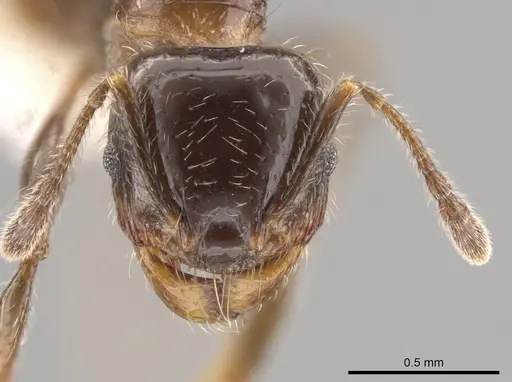
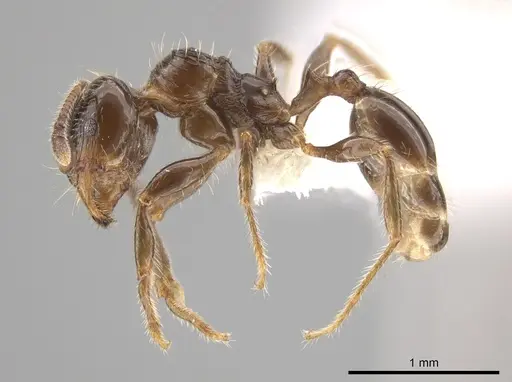
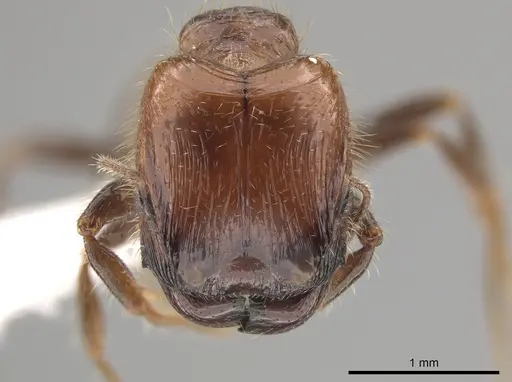
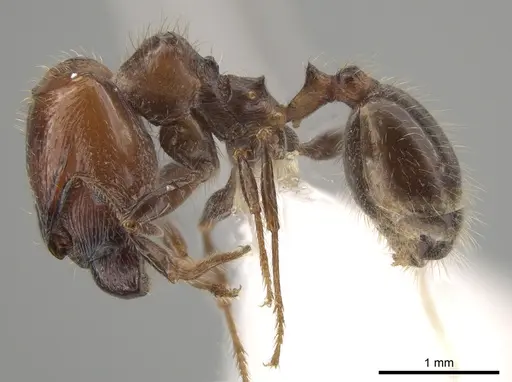
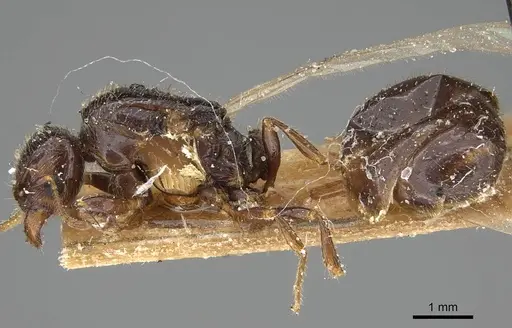
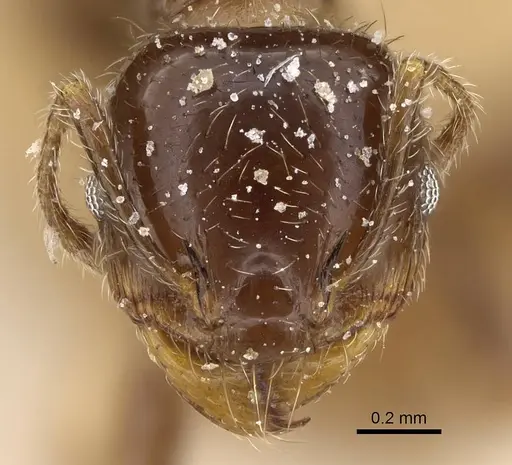
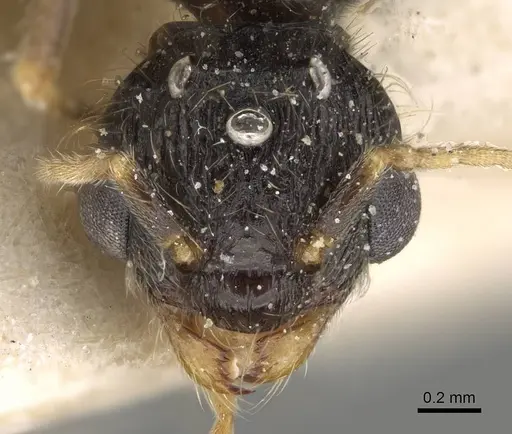
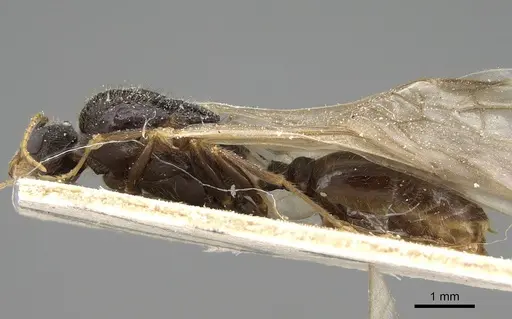
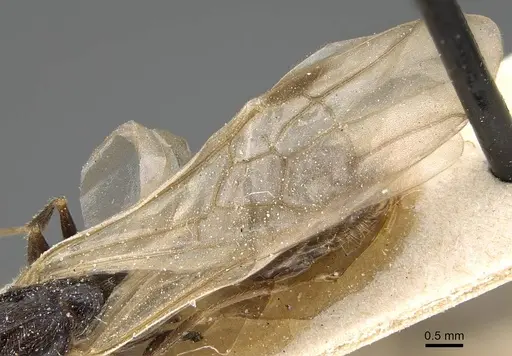
Pheidole weiseri is a distinctive species within the aberrans group. The major workers (soldiers) have a head width of 1.42mm and feature prominent frontal lobes that form broad, subangular projections when viewed from above. These lobes partly overhang the clypeus and are smooth at their tips, succeeded posteriorly by a band of carinulae (ridge-like structures). The pronotal profile is semicircular. Coloration is uniformly light reddish-yellow. Minor workers are much smaller at 0.80mm head width, with a light brown body and brownish-yellow appendages. Their pronotum is covered by semicircular carinulae, and the mesopleuron shows both foveolae (small pits) and longitudinal carinulae. The species was originally described as a subspecies of P. aberrans by Santschi in 1923 and was elevated to full species status by Wilson in 2003 based on morphological differences from related species P. minensis and P. obscurifrons [2].
Distribution and Habitat
Pheidole weiseri is known only from its type locality in northwestern Argentina. The type material was collected from Pucapampa near Santa Catalina in Jujuy province, located in the Andean foothills. More recent records indicate the species can be found at elevations above 3,300m in desert-like habitats near Yanque [1]. This high-elevation setting in the Andes suggests the species is adapted to cooler, drier conditions than many lowland Neotropical ants. The Argentine Andes feature significant temperature swings between day and night, with generally arid conditions. This habitat profile suggests P. weiseri may be more cold-tolerant and drought-resistant than typical lowland Pheidole species [1][2].
Known Biology and Care Assumptions
Unfortunately, no published biological data exists for Pheidole weiseri. The species has never been studied in the wild or in captivity, so all care recommendations must be inferred from related species and genus-level patterns. Based on typical Pheidole behavior, the colony likely consists of one queen (monogyne) with major and minor worker castes. Queens are probably claustral founders, they seal themselves in a chamber and survive on stored fat reserves until their first workers emerge. The colony likely grows gradually, with majors appearing once the colony reaches a certain size. Diet probably includes seeds and small insects, as is typical for the genus. The high-elevation desert habitat suggests the species can tolerate cooler temperatures and may prefer drier conditions than tropical Pheidole species. Until more specific information becomes available, keepers should approach care as experimental and document their observations carefully [2].
Feeding and Nutrition
While no specific feeding data exists for P. weiseri, Pheidole species are typically seed-harvesting ants (harvestmen) that also supplement their diet with small insects and honeydew. In captivity, they likely accept common ant foods including small seeds (millet, chia, flax), protein sources like mealworms or fruit flies, and sugar water or honey. Start with a varied diet and observe what the colony accepts. Given the high-elevation origin, they may have a more limited diet than lowland species. Provide protein regularly but not excessively, Pheidole colonies can be prone to mold issues if overfed. Remove uneaten food promptly to maintain colony health. Sugar sources should always be available once workers emerge [2].
Temperature and Seasonal Care
The high-elevation Argentine habitat of P. weiseri provides important clues about temperature requirements. Found above 3,300m in the Andes, this species is likely adapted to cooler conditions than most Pheidole. Unlike tropical Pheidole that thrive at 24-28°C, this species probably prefers temperatures in the 18-22°C range. Avoid overheating, temperatures above 25°C may stress colonies. A room-temperature setup may work well depending on your climate. If using heating, apply it very gently and always provide a temperature gradient so ants can move to their preferred zone. The need for hibernation or winter cooling is unknown, but the high-altitude origin suggests some cold tolerance. Consider providing a cool period during winter months, around 10-15°C for 2-3 months, though this is speculative for this unstudied species [1].
Colony Establishment and Growth
Establishing P. weiseri colonies requires patience given the lack of species-specific information. If obtaining a founding queen, provide a simple test tube setup with water reservoir and keep it in a quiet, dark location at around 20°C. Like other Pheidole, the queen will likely seal herself inside the founding chamber and not forage during the claustral founding period. She will lay eggs and raise the first brood using stored energy reserves. The first workers (nanitics) will be smaller than normal minors and will begin foraging for food. Growth rate is unknown but likely moderate, expect 6-10 weeks to first workers based on genus patterns. Colonies should be left undisturbed during founding. Once workers are established, gradually introduce natural foods and monitor acceptance. Moving to a formicarium should only occur once the colony reaches several dozen workers and the test tube space becomes limiting [2].
Frequently Asked Questions
How do I care for Pheidole weiseri ants?
Care for this species is largely experimental since no biological data exists. Based on its high-elevation Argentine habitat, keep temperatures around 18-22°C with a gentle gradient. Provide moderate humidity with some dry areas. Feed seeds, small insects, and sugar water. Use fine mesh for escape prevention due to small worker size.
What do Pheidole weiseri ants eat?
While not specifically studied, Pheidole species typically eat seeds, small insects, and honeydew. Offer a varied diet including small seeds (millet, chia), protein sources (mealworms, fruit flies), and sugar water or honey. Remove uneaten food promptly to prevent mold.
What temperature do Pheidole weiseri ants need?
Based on high-elevation desert habitat above 3,300m in Argentina, this species likely prefers cooler temperatures than typical Pheidole. Aim for 18-22°C and avoid temperatures above 25°C. A gentle heat gradient allows self-regulation.
How long does it take for Pheidole weiseri to develop from egg to worker?
No specific development data exists for this species. Based on typical Pheidole genus patterns, expect approximately 6-10 weeks from egg to first worker at optimal temperature. This is an estimate only.
Are Pheidole weiseri ants good for beginners?
This species is not recommended for beginners due to the complete lack of species-specific care information. All care must be inferred from genus patterns and the species' habitat, requiring experimentation. Beginners should choose better-documented species.
Do Pheidole weiseri ants have majors and minors?
Yes, like all Pheidole species, this ant has distinct major (soldier) and minor worker castes. Majors have a head width of 1.42mm and are light reddish-yellow. Minors are smaller at 0.80mm head width with light brown coloration.
Where is Pheidole weiseri found in the wild?
This species is known only from northwestern Argentina, specifically from the type locality near Pucapampa in Jujuy province. More recent records show it lives at elevations above 3,300m in the Andean desert near Yanque.
Do Pheidole weiseri ants need hibernation?
The hibernation requirements for this species are unknown. However, the high-altitude origin in the Andes suggests some cold tolerance. If hibernation is needed, a cool period around 10-15°C for 2-3 months during winter may be appropriate, though this is speculative.
How big do Pheidole weiseri colonies get?
Colony size is unknown for this species. Typical Pheidole colonies can reach hundreds to thousands of workers. Expect moderate growth over several years with proper care.
Can I keep multiple Pheidole weiseri queens together?
No published data exists on colony structure for this species. Most Pheidole are single-queen (monogyne), but some can have multiple queens. Combining unrelated queens is not recommended without evidence they can coexist.
Why is so little known about Pheidole weiseri care?
This species has never been scientifically studied in the wild or captivity. It is known only from a few museum specimens from its type locality in Argentina. No research has been published on its biology, diet, reproduction, or captive requirements.
References

This caresheet is licensed under CC BY-SA 4.0 .
CASENT0624269
View on AntWeb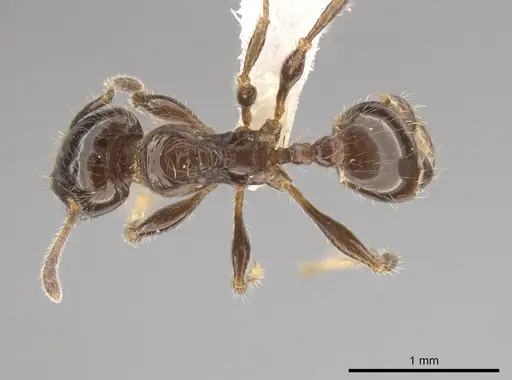
CASENT0624270
View on AntWeb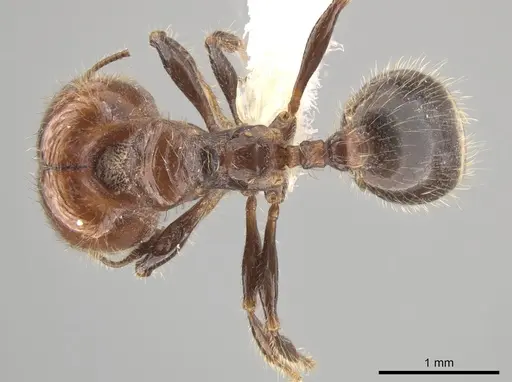
CASENT0922372
View on AntWeb
CASENT0922373
View on AntWeb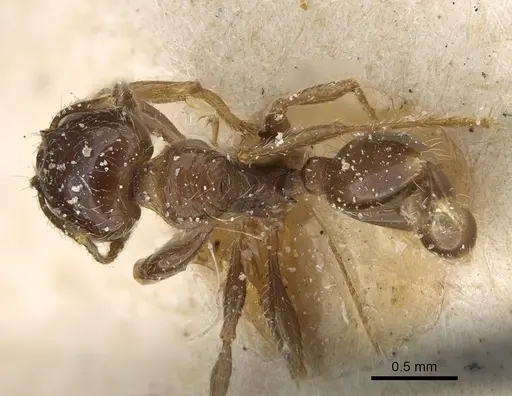
CASENT0922387
View on AntWeb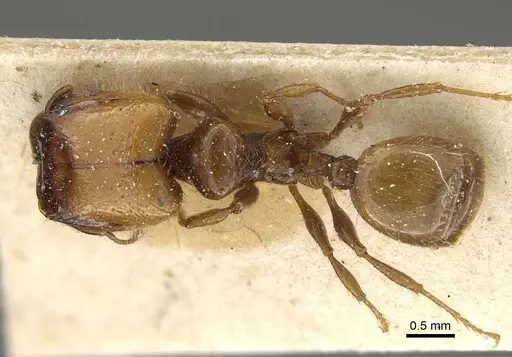
CASENT0922388
View on AntWeb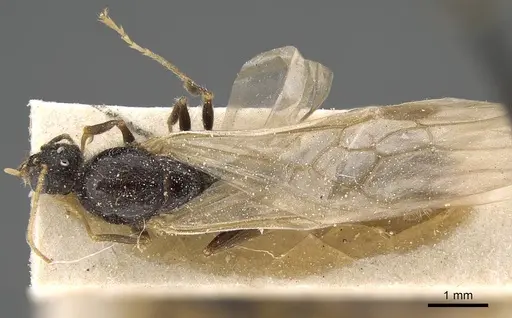
Literature
Loading...Loading products...