

Pheidole tawauensis
- Scientific Name
- Pheidole tawauensis
- Tribe
- Attini
- Subfamily
- Myrmicinae
- Author
- Eguchi, 2001
- Distribution
- Found in 2 countries
Pheidole tawauensis Overview
Pheidole tawauensis is an ant species of the genus Pheidole. It is primarily documented in 2 countries , including Indonesia, Malaysia. Detailed taxonomic data and occurrence records can be further explored via authoritative databases such as AntWeb or the Global Biodiversity Information Facility (GBIF).
Pheidole tawauensis
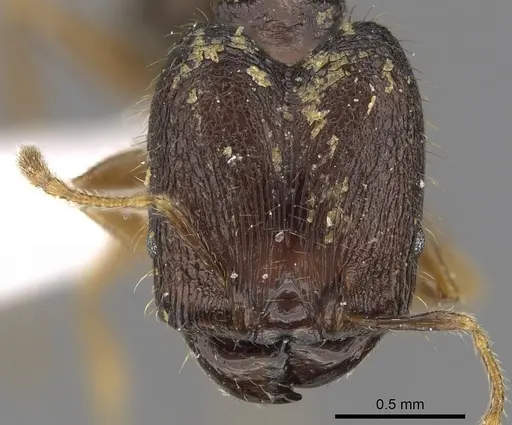
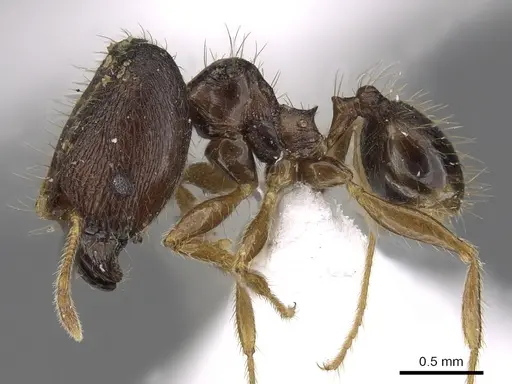
Pheidole tawauensis is a small Bornean ant species first described by Eguchi in 2001. These ants belong to the 'big-headed ant' genus Pheidole, characterized by their distinct caste system featuring minor workers and major workers (soldiers). Major workers measure 2.5-2.7mm with dark brown bodies, while the smaller minor workers reach 1.6-1.8mm and are yellowish-brown to brown in color. The species closely resembles Pheidole butteli and was collected from soil samples in Tawau Hills Park, Sabah, East Malaysia.
This species remains poorly studied in the scientific literature, with no published information on its biology, colony structure, or specific care requirements. What we know comes from limited specimen collections in Bornean rainforest environments. As a tropical Pheidole from Borneo, it likely shares general genus traits: omnivorous diet, soil-nesting behavior, and preference for warm, humid conditions.
Quick Summary
- Difficulty: Medium
- Origin & Habitat: Borneo (Sabah, Malaysia, Indonesia), tropical rainforest environment. Type specimens collected from soil samples in Tawau Hills Park, Sabah. Also recorded from disturbed areas in Maliau Basin, Borneo [1].
- Colony Type: Unconfirmed, colony structure has not been documented. Most Pheidole species are monogyne (single queen colonies), but some can be polygyne. Without specific data for this species, assume single-queen colonies until proven otherwise.
- Founding: Claustral
- Size & Growth:
- Queen: Unknown, not described in original species description. Based on related Bornean Pheidole, likely 5-8mm.
- Worker: Major workers: 2.5-2.7mm. Minor workers: 1.6-1.8mm.
- Colony: Unknown, no colony size data available. Related Pheidole species typically reach several hundred to a few thousand workers.
- Growth: Estimated moderate to fast, Pheidole generally grow relatively quickly once established, but specific data for this species is lacking.
- Development: Estimated 5-8 weeks at tropical temperatures (25-28°C) based on typical Pheidole development patterns. (This is an estimate based on genus-level data. Actual development time may vary. Tropical species generally develop faster than temperate species.)
- Antkeeping:
- Temperature: Keep at 24-28°C. As a tropical Bornean species, warmth is important. Use a heating cable on one side of the nest to create a gentle gradient if room temperature falls below this range.
- Humidity: High humidity preferred, aim for 70-85%. Borneo is a humid tropical environment. Keep the nest substrate consistently moist but not waterlogged. Mist occasionally and provide a water source.
- Diapause: Likely no true diapause, as a tropical species from near the equator, seasonal temperature variations are minimal. However, some reduction in activity during cooler periods may occur.
- Nesting: Natural nesting: soil-nesting species collected from soil samples. In captivity, a test tube setup works well for founding colonies. Once established (50+ workers), a Y-tong or plaster nest with moisture chambers provides good conditions. Keep nest chambers appropriately sized for their small minor workers.
- Behavior: Generally peaceful and not aggressive toward keepers. Like most Pheidole, they are omnivorous and will scavenge for protein while also tending aphids for honeydew. Minor workers are active foragers while major workers defend the colony and process larger food items. Escape risk is moderate, these are small ants but not as tiny as some species. Use standard barrier methods (Fluon on test tube rims, fine mesh on outworlds). They are not known to be particularly aggressive or to sting.
- Common Issues: no specific biological data means care is based on genus-level estimates, monitor your colony and adjust conditions accordingly, high humidity requirements can lead to mold if ventilation is poor, balance humidity with adequate airflow, small colony sizes initially mean founding colonies are fragile, avoid disturbing them during the claustral period, tropical species may struggle if temperatures drop below 22°C, use heating if your room is cool, limited distribution data means wild colonies may be difficult to locate for those wishing to capture them
Nest Preferences and Setup
Pheidole tawauensis is a soil-nesting species collected from forest floor environments in Borneo. For founding colonies, a standard test tube setup works well, fill the tube about 1/3 with water, plug with cotton, and place the queen in the tube. The queen will likely seal herself into a chamber and remain there until her first workers emerge.
Once the colony reaches 50+ workers, you can move them to a more permanent setup. A Y-tong (acrylic) nest or plaster nest with moisture chambers provides good conditions. Keep the nest material slightly moist, these ants come from a humid tropical environment. Avoid very dry conditions. The nest chambers should be appropriately sized for their small worker size, overly large chambers can stress the colony. [1]
Feeding and Diet
Like most Pheidole species, tawauensis is omnivorous. In captivity, they will accept a variety of foods. Offer protein sources such as small insects (fruit flies, small mealworms, cricket pieces) 2-3 times per week. They also readily accept sugar sources, a drop of honey water or sugar water should be provided and refreshed every few days.
Major workers (the larger 'soldier' caste) help process larger food items for the smaller minors to consume. Make sure food pieces are small enough for the minor workers to manage, or let the majors break them down first. Remove uneaten food after 24-48 hours to prevent mold issues.
Temperature and Humidity
As a tropical species from Borneo, Pheidole tawauensis requires warm and humid conditions. Keep the nest area at 24-28°C (75-82°F). A heating cable placed on one side of the nest creates a temperature gradient that allows the ants to regulate their exposure to warmth.
Humidity should be maintained at 70-85%. This can be achieved by keeping the water reservoir in test tube setups full, misting occasionally, and using moisture-retaining nest materials like plaster or Y-tong with water chambers. However, ensure some ventilation to prevent mold growth. A water source outside the nest should always be available.
Colony Development and Growth
The queen will remain sealed in her founding chamber while laying eggs and raising the first brood. This claustral behavior is typical of Pheidole and means the queen does not forage during founding, she survives on stored fat reserves. The first workers (nanitics) will be smaller than normal workers and emerge after several weeks.
Once workers emerge, the colony enters a growth phase. Pheidole colonies can grow relatively quickly when well-fed. Expect the colony to reach 50-100 workers within a few months under good conditions. Maximum colony size is unknown for this species but related Pheidole often reach several thousand workers.
Behavior and Temperament
Pheidole tawauensis is a generally calm species that is not aggressive toward keepers. They are active foragers, with minor workers readily leaving the nest to search for food. Major workers remain in the nest more often but will emerge to help process large food items or defend the colony.
These ants do not possess a painful sting, making them safe to handle. However, they are small and can squeeze through small gaps. Use standard escape prevention methods: Fluon on test tube rims, fine mesh on outworlds, and ensure all connections are secure. They are diurnal and most active during daylight hours.
Frequently Asked Questions
How long does it take for Pheidole tawauensis to raise first workers?
Based on typical Pheidole development, expect 5-8 weeks from egg to first worker at warm tropical temperatures (25-28°C). The exact timeline for this species is unconfirmed but likely falls within this range.
Can I keep Pheidole tawauensis in a test tube?
Yes, test tubes work well for founding colonies. Use a standard setup with a water reservoir and cotton plug. Once the colony reaches 50+ workers, consider moving to a more permanent Y-tong or plaster nest.
What do Pheidole tawauensis eat?
They are omnivorous. Offer small insects (fruit flies, small mealworms) for protein 2-3 times weekly, and provide a constant sugar source like honey water or sugar water. They will also scavenge other organic matter.
What temperature do Pheidole tawauensis need?
Keep them at 24-28°C (75-82°F). As a tropical Bornean species, they need warmth. A heating cable on part of the nest can help maintain appropriate temperatures.
Are Pheidole tawauensis good for beginners?
This species is rated Medium difficulty. While not the most challenging, the lack of specific biological data means you may need to adjust care based on colony behavior. They are smaller ants requiring attention to escape prevention and humidity.
Do Pheidole tawauensis need hibernation?
Likely no. As a tropical species from near the equator, they do not experience cold winters. Maintain warm temperatures year-round. Some reduction in activity during cooler periods may occur but true diapause is not necessary.
How big do Pheidole tawauensis colonies get?
Exact maximum colony size is unknown. Based on related species, colonies likely reach several hundred to a few thousand workers. Growth rate is moderate to fast under good conditions.
Can I keep multiple queens together?
Not recommended without more information. Most Pheidole are monogyne (single queen). Combining unrelated queens has not been documented for this species and may result in fighting.
Why are my Pheidole tawauensis dying?
Common causes include: temperatures below 22°C, too dry conditions, mold from poor ventilation, or disturbance during the claustral founding period. Check that humidity is high (70-85%), temperatures are warm (24-28°C), and the queen was not disturbed while sealed in her chamber.
References

This caresheet is licensed under CC BY-SA 4.0 .
CASENT0901656
View on AntWeb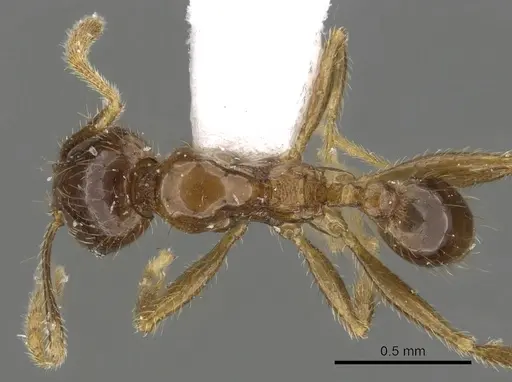
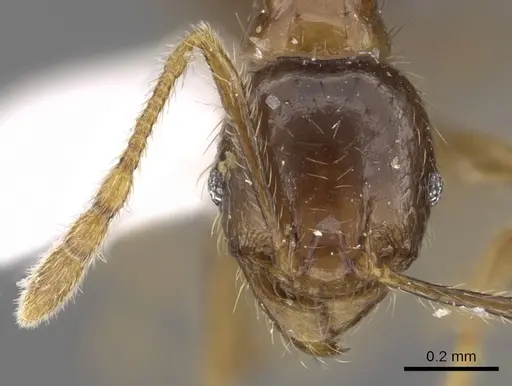
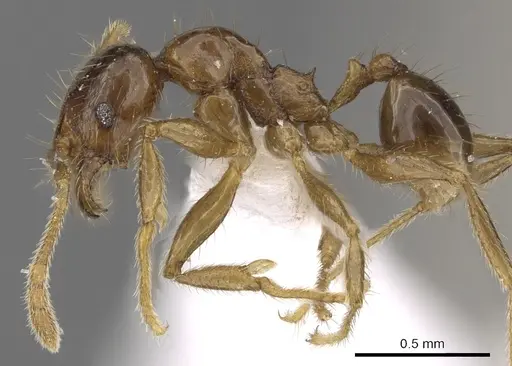
CASENT0901657
View on AntWeb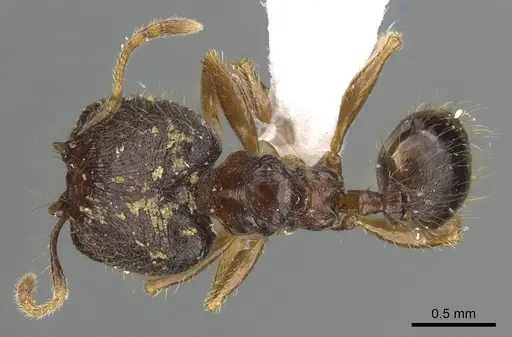
Literature
Loading...Loading products...