

Pheidole butteli
- Scientific Name
- Pheidole butteli
- Tribe
- Attini
- Subfamily
- Myrmicinae
- Author
- Forel, 1913
- Distribution
- Found in 1 countries
Pheidole butteli Overview
Pheidole butteli is an ant species of the genus Pheidole. It is primarily documented in 1 countries , including Indonesia. Detailed taxonomic data and occurrence records can be further explored via authoritative databases such as AntWeb or the Global Biodiversity Information Facility (GBIF).
Pheidole butteli
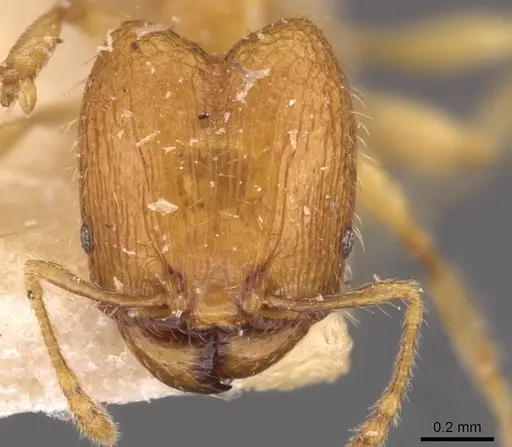
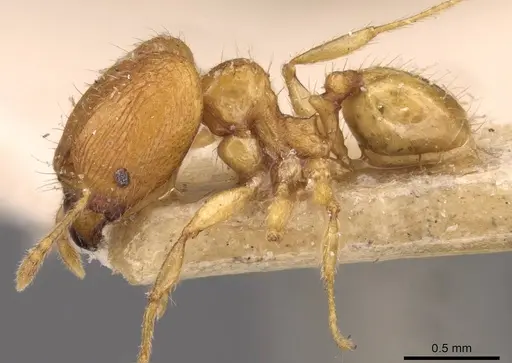
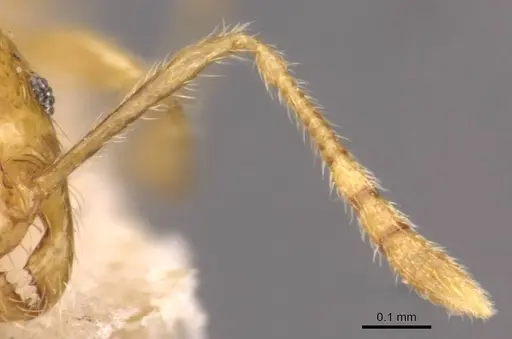
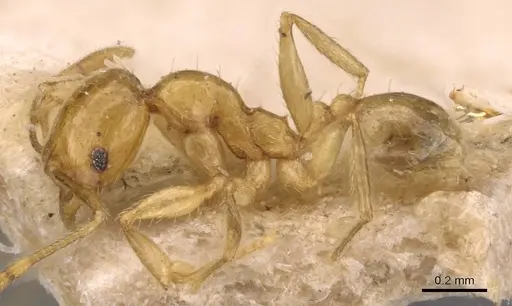
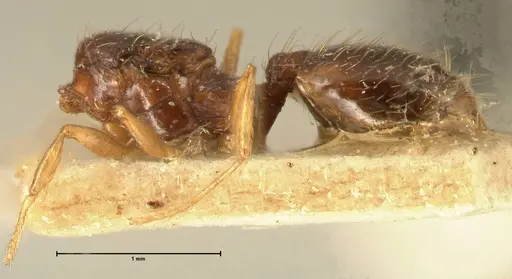
Pheidole butteli is a small to medium-sized ant species native to Southeast Asia, found across Borneo, Brunei, Indonesia, Malaysia, and Thailand. Major workers measure 2.0-2.4mm with a distinctive highly raised promesonotal dome and three median processes on the hypostoma, while minor workers are smaller at 1.4-1.6mm with smooth, shining head and promesonotum. This species is a habitat specialist restricted to well-developed primary lowland and hill forests, and has not been found in secondary forest or rubber plantations [1]. Colonies typically contain multiple queens, making them one of the more socially flexible Pheidole species in the region.
Quick Summary
- Difficulty: Medium
- Origin & Habitat: Native to Southeast Asia (Borneo, Brunei, Indonesia, Malaysia, Thailand). Inhabits well-developed primary forests in lowlands and hill areas [2]. A habitat specialist restricted to primary forest, not found in secondary forest or rubber plantations [1].
- Colony Type: Multi-queen colonies documented, field observations show colonies with at least two dealate queens [2]. Likely facultatively polygyne based on typical Pheidole patterns.
- Colony: Optionally polygyne
- Founding: Claustral
- Size & Growth:
- Queen: Estimated 5-7mm based on genus patterns, direct measurements not documented
- Worker: Major: 2.0-2.4mm, Minor: 1.4-1.6mm [2]
- Colony: Unknown, likely several hundred workers based on typical Pheidole colony sizes
- Growth: Moderate, estimated 6-10 weeks from egg to first worker at tropical temperatures
- Development: 6-10 weeks (estimated based on related tropical Pheidole species) (Development time estimated from genus patterns, direct measurements not available for this species)
- Antkeeping:
- Temperature: Keep at 24-28°C, they inhabit warm lowland forests. A gentle gradient is recommended.
- Humidity: Requires moderate to high humidity (60-80%). Keep substrate consistently moist but not waterlogged.
- Diapause: No, as a tropical species, they do not require hibernation. Maintain year-round warm conditions.
- Nesting: Y-tong or naturalistic setups work well. They prefer tight chambers scaled to their small size. Avoid dry conditions.
- Behavior: Generally peaceful and not aggressive. Workers are active foragers that search for small prey and tend honeydew-producing insects. Minor workers are more numerous and handle most foraging, while majors defend the colony and process larger food items. Their small size (especially minors at 1.4mm) means escape prevention is critical, use fine mesh barriers and tight-fitting lids.
- Common Issues: escape prevention is critical due to their very small size, minors can squeeze through tiny gaps, colonies may be slow to establish initially, patience is needed during founding, wild-caught colonies may have parasites that can devastate captive colonies, overfeeding can lead to mold problems in the nest, maintaining humidity without causing flooding requires careful balance
Nest Preferences and Housing
Pheidole butteli naturally nests in primary forest environments, typically in soil or rotting wood on the forest floor. In captivity, they do well in Y-tong (acrylic) nests with chambers scaled to their small size, or in naturalistic setups with moist substrate. The key is maintaining consistent humidity while providing good ventilation to prevent mold. Tight chambers work better than large open spaces, these ants feel secure in snug quarters. A water reservoir or moisture chamber connected to the nest helps maintain humidity through capillary action. Test tube setups can work for founding colonies but may need upgrading as the colony grows. [1]
Feeding and Diet
Like most Pheidole species, Pheidole butteli is an omnivore that accepts a variety of foods. In nature, workers forage for small insects, seeds, and honeydew from aphids and scale insects. In captivity, offer protein sources like small crickets, mealworms, fruit flies, and other small insects 2-3 times per week. Sugar sources like honey water or sugar water are readily accepted, this helps sustain the energy-demanding queen and growing brood. Seeds can be offered as enrichment but are not a primary food source. Remove uneaten prey after 24-48 hours to prevent mold.
Temperature and Seasonal Care
As a tropical lowland forest species, Pheidole butteli requires warm conditions year-round. Maintain temperatures between 24-28°C for optimal brood development. Room temperature within this range works well, if your home is cooler, use a heating cable on one side of the nest to create a gentle gradient. Avoid temperatures below 22°C for extended periods. Unlike temperate species, they do not require diapause or winter cooling. Consistent warmth is more important than dramatic temperature swings. Monitor colony activity, if workers cluster near heat sources, increase temperature slightly, if they avoid heated areas, reduce heat. [1]
Behavior and Colony Dynamics
Pheidole butteli colonies are relatively peaceful and do not exhibit aggressive swarming behavior. The colony is organized with distinct castes: minor workers handle most foraging and brood care, while major workers (soldiers) defend the nest and help process larger food items. This species is polygyne, meaning colonies naturally have multiple queens. This can make colony establishment easier, multiple foundresses can work together to raise the first brood. However, it also means colonies can grow quite large and may need larger housing as they expand. Workers are active foragers that search both the ground and low vegetation. [2]
Escape Prevention
Due to their very small size (minor workers are only 1.4mm), excellent escape prevention is essential. Use tight-fitting lids on all enclosures and apply fluon or similar barriers to the rim edges. Fine mesh (at least 0.5mm or smaller) is required for any ventilation openings. Even small gaps that would not concern keepers of larger ants will allow these tiny workers to escape. Check all connections between the nest and outworld frequently. A moat of water or oil around the outworld can provide an effective secondary barrier.
Frequently Asked Questions
Can I keep Pheidole butteli in a test tube?
Yes, test tubes work well for founding colonies. Use a small diameter tube (around 1.5cm) with a water reservoir sealed with cotton. The queen will seal herself in a chamber and raise her first brood there. Upgrade to a larger nest (Y-tong or naturalistic) once the colony reaches 50+ workers.
How long until first workers appear?
Expect first workers (nanitics) in approximately 6-10 weeks at optimal temperatures (24-28°C). This is an estimate based on related tropical Pheidole species, direct development data for P. butteli is not available.
Can I keep multiple queens together?
Yes, this species is naturally polygynous (multi-queen). Unlike many ant species where multiple queens fight, P. butteli colonies commonly have multiple reproductive queens. You can introduce multiple foundresses together, or add a second queen to an established colony, they generally tolerate each other.
What do Pheidole butteli eat?
They are omnivores. Offer small insects (fruit flies, pinhead crickets, small mealworms) as protein 2-3 times weekly, and provide constant access to sugar sources (honey water or sugar water). They will also collect seeds and other organic matter.
Are Pheidole butteli good for beginners?
They are moderate difficulty. They require warm, humid conditions and excellent escape prevention due to their tiny size. If you can provide these and are patient during the slow founding phase, they are rewarding colonies that can grow quite large.
Do they need hibernation?
No. As a tropical species from Southeast Asian primary forests, they do not require diapause. Maintain warm, stable temperatures year-round (24-28°C).
Why are my Pheidole butteli dying?
Common causes include: temperature too cold (below 22°C), humidity too low or too high (aim for consistently moist substrate, not wet or dry), escapes through tiny gaps, parasites from wild-caught colonies, or mold from overfeeding. Check these parameters first.
When should I move them to a formicarium?
Move to a larger nest when the colony reaches 50-100 workers. Before that, a test tube or small Y-tong setup is sufficient. Make sure the new nest has appropriately sized chambers, too-large spaces can stress the colony.
How big do colonies get?
Colony size is not well documented for this species, but based on typical Pheidole patterns, expect several hundred workers at maturity. Polygyne colonies can potentially grow larger than single-queen colonies of similar species.
References

This caresheet is licensed under CC BY-SA 4.0 .
CASENT0904249
View on AntWeb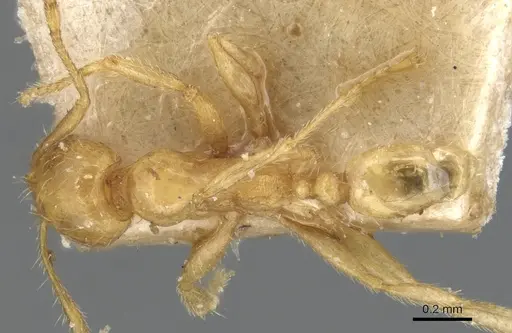
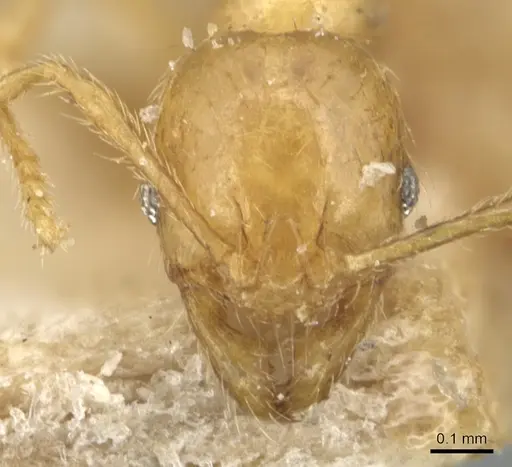
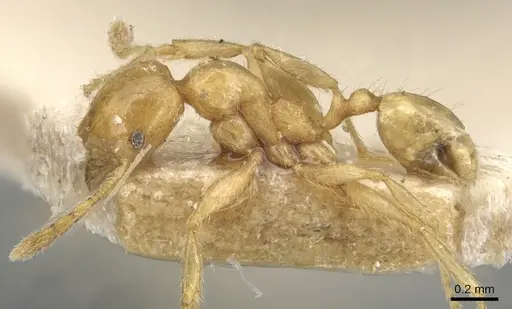
CASENT0907864
View on AntWeb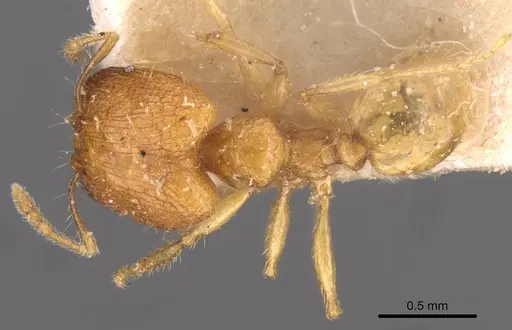
CASENT0907865
View on AntWeb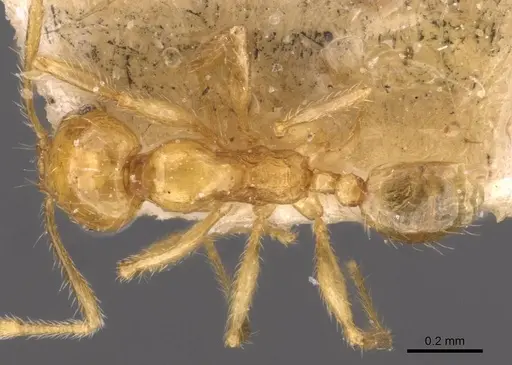
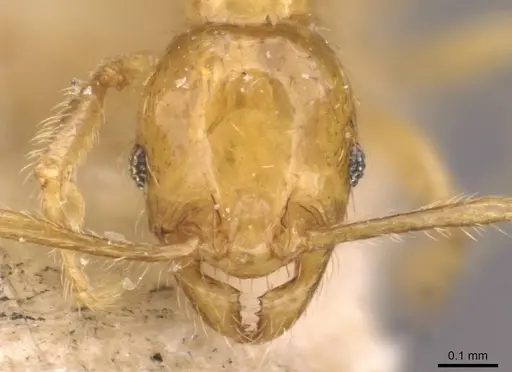
FOCOL1400
View on AntWeb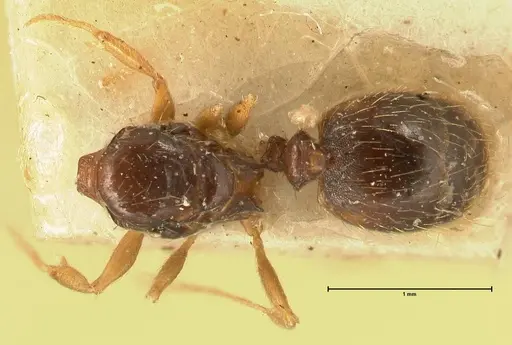
Literature
Loading...Loading products...