

Pheidole tandjongensis
- Scientific Name
- Pheidole tandjongensis
- Tribe
- Attini
- Subfamily
- Myrmicinae
- Author
- Forel, 1913
- Distribution
- Found in 3 countries
Pheidole tandjongensis Overview
Pheidole tandjongensis is an ant species of the genus Pheidole. It is primarily documented in 3 countries , including China, Indonesia, Thailand. Detailed taxonomic data and occurrence records can be further explored via authoritative databases such as AntWeb or the Global Biodiversity Information Facility (GBIF).
Pheidole tandjongensis
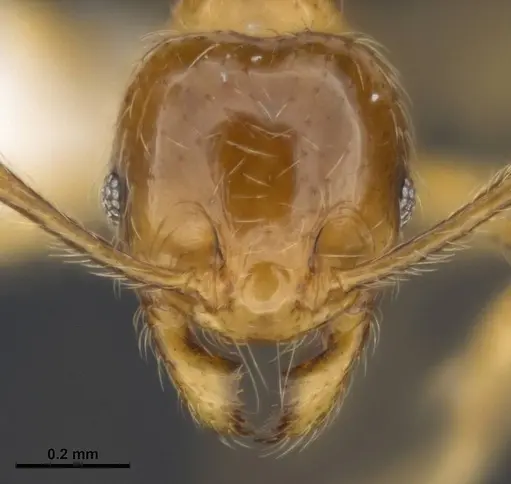
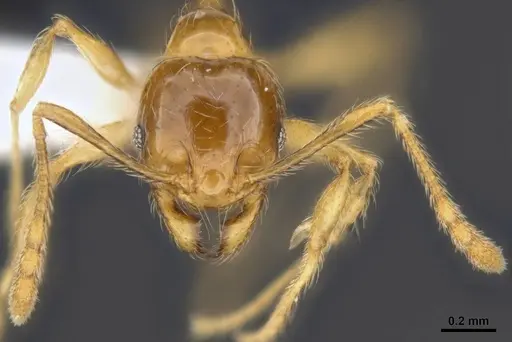
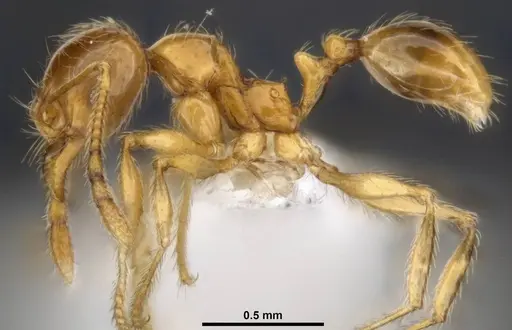
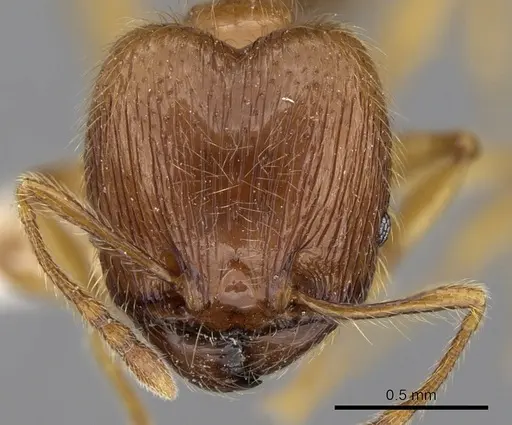
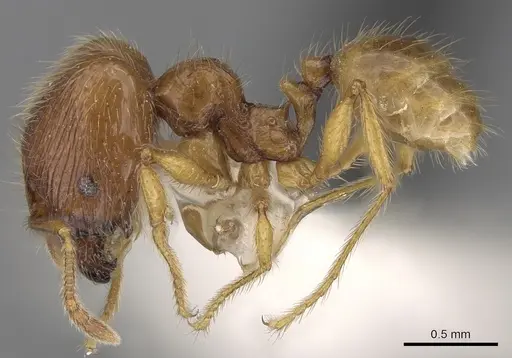
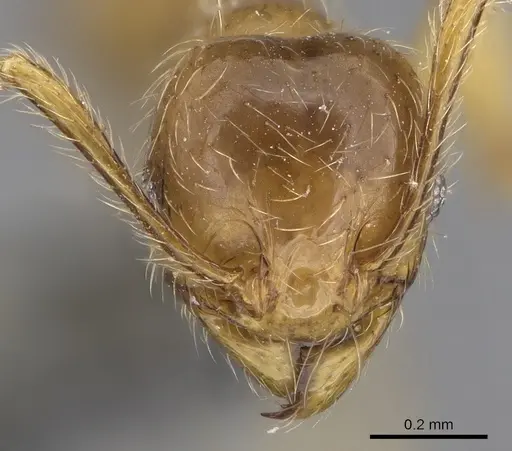
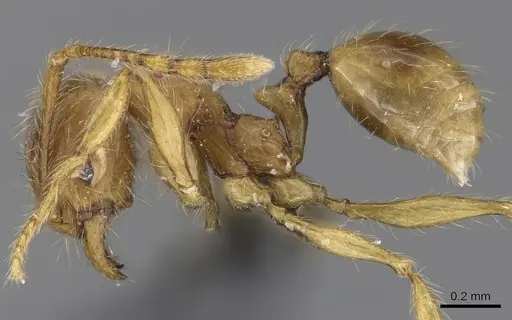
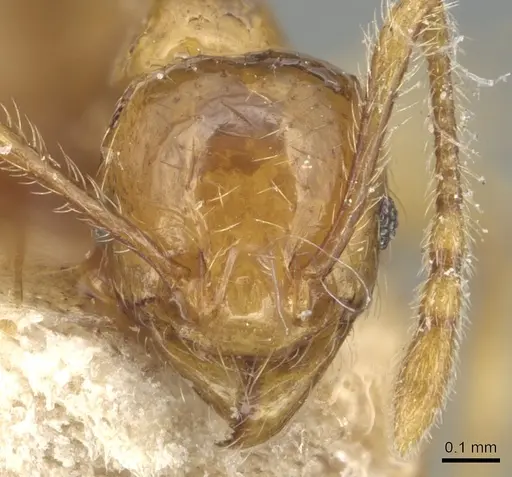
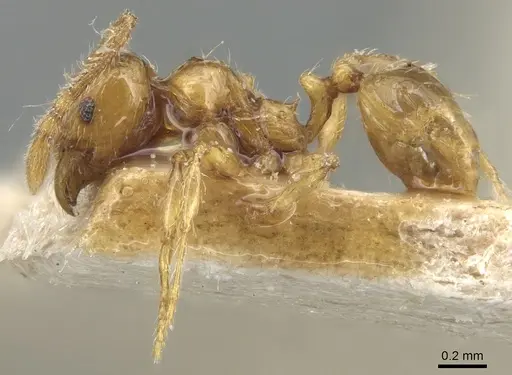
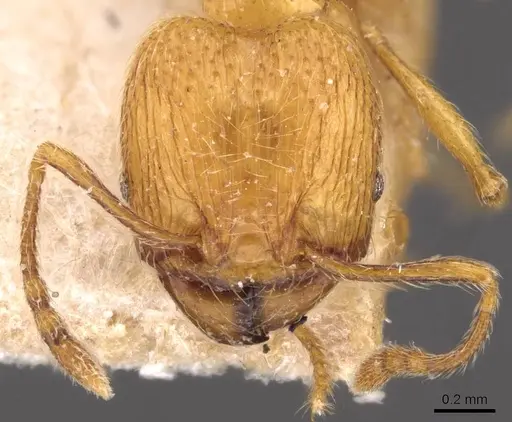
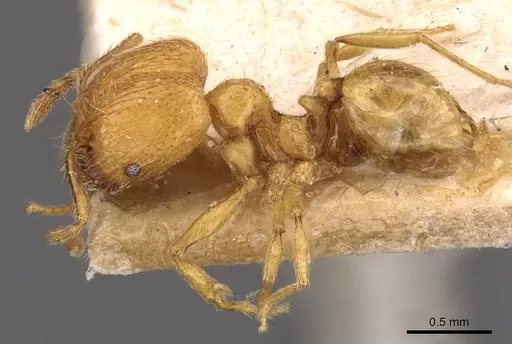
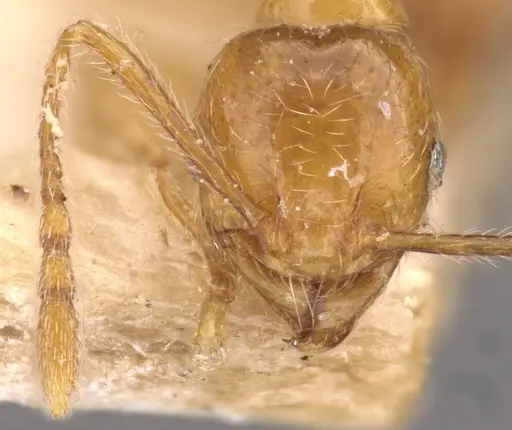
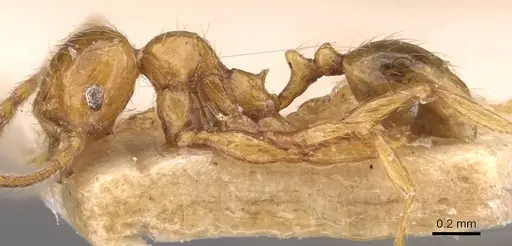
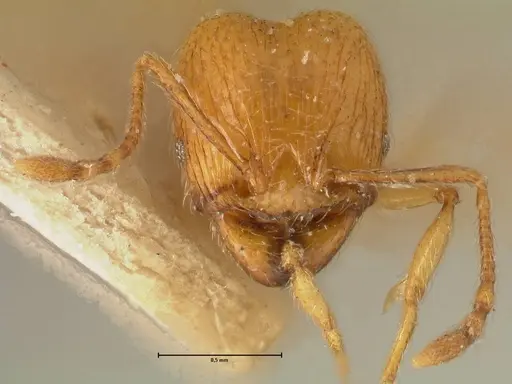
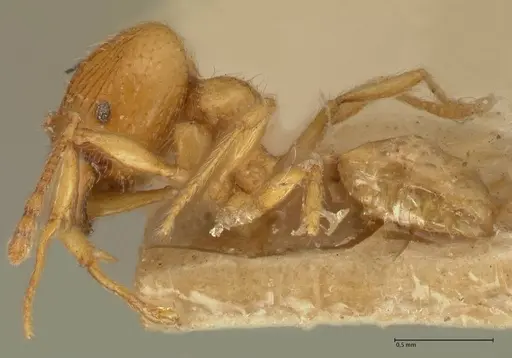
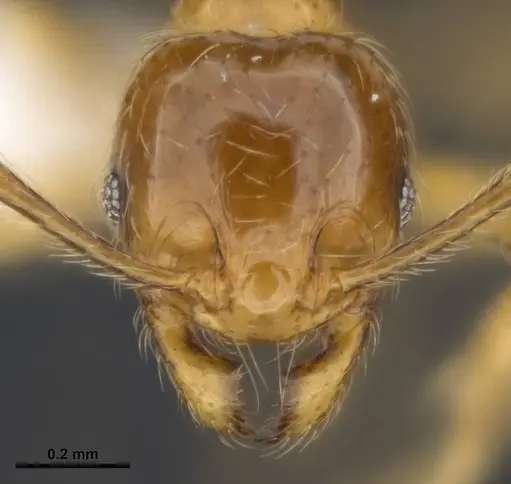
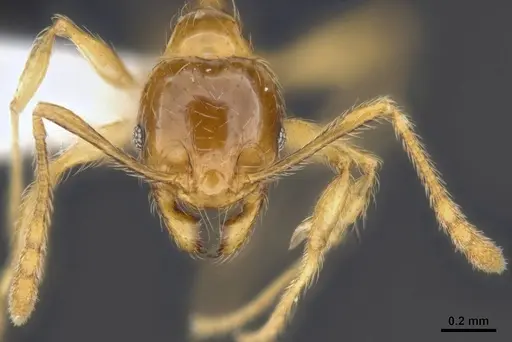
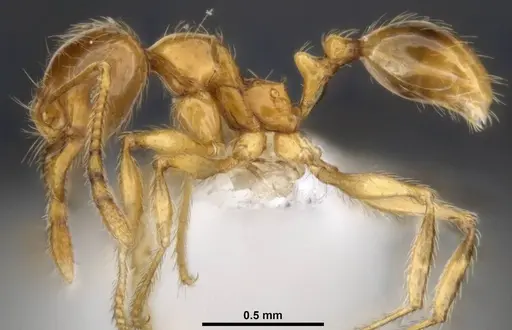
Pheidole tandjongensis is a small to medium-sized ant species native to Southeast Asia, found across Indonesia, Thailand, Vietnam, Singapore, and southern China. Workers come in two sizes: majors (soldiers) measure around 4mm with distinctive large heads, while minors are much smaller at about 2.5mm. The body is light brown in color. This species is a soil nester and shows interesting behavior of nesting alongside trap-jaw ants (Odontomachus rixosus) in the wild. Like other Pheidole species, they have a clearly defined caste system with major workers that serve as defenders and food processors, and smaller minor workers that handle most foraging and brood care.
Quick Summary
- Difficulty: Medium
- Origin & Habitat: Tropical Southeast Asia, found in Indonesia (Sumatra), Thailand, Vietnam, Singapore, and southern China. This species is a habitat specialist that thrives in rubber plantations rather than primary or secondary forests [1]. It prefers warm, humid tropical conditions.
- Colony Type: Monogyne, colonies have a single queen [2][3]. This is an obligate haplometrotic species, meaning the queen founds the colony alone without assistance from other queens.
- Colony: Monogyne
- Founding: Claustral
- Size & Growth:
- Queen: Estimated 10-12mm based on typical Pheidole queen size
- Worker: Majors: 3.9-4mm, Minors: 2.5-2.8mm [4]
- Colony: Estimated 500-2000 workers based on typical Pheidole colony sizes
- Growth: Moderate
- Development: Estimated 6-8 weeks based on typical Pheidole development at tropical temperatures (Development time is typical for tropical Myrmicinae, faster than temperate species due to year-round warm conditions)
- Antkeeping:
- Temperature: Keep at 24-28°C. As a tropical species from Southeast Asia, they need warm conditions year-round. A heating cable on one side of the nest can create a gentle gradient if room temperature is below this range.
- Humidity: Keep the nest substrate moderately moist but not waterlogged. This soil-nesting species prefers damp conditions, aim for substrate that feels damp to the touch with some slightly drier areas for the ants to self-regulate.
- Diapause: No, as a tropical species, they do not require hibernation or winter rest. Keep temperatures consistent year-round.
- Nesting: Soil nester in the wild, they do well in Y-tong nests, plaster nests, or naturalistic setups with soil substrate. They prefer tight, enclosed chambers that mimic their natural soil nest chambers.
- Behavior: Pheidole tandjongensis is a generally calm species with moderate activity levels. Majors (soldier ants) use their larger heads to process food and defend the colony, while minors handle most foraging and brood care. They are not particularly aggressive but will defend their nest if threatened. They have a moderate escape risk due to their small size, use standard barrier methods. Foraging is done by minor workers who search for seeds, small insects, and sugary liquids.
- Common Issues: tropical species needs consistent warmth, cold temperatures below 20°C can slow or stop brood development, small minor workers can escape through tiny gaps, ensure escape prevention is adequate even though majors are larger, rubber plantation specialist may have specific humidity needs, monitor substrate moisture closely, colonies grow slowly at first during claustral founding, new keepers may lose patience and disturb the queen prematurely
Nest Preferences
In the wild, Pheidole tandjongensis nests in soil, often in open areas like rubber plantations. They build their nests underground with chambers connected by tunnels. For captive care, a Y-tong (acrylic) nest works well, or you can use a plaster nest with soil-filled chambers. The key is providing tight, enclosed spaces that mimic their natural soil chambers. Avoid tall, open spaces, these ants prefer compact nests with chambers sized to their body. A test tube setup can work for founding colonies, but transfer to a proper nest once the colony reaches 20-30 workers. [2][3][1]
Feeding and Diet
Like other Pheidole species, these ants are omnivorous. They readily accept protein sources like small insects (fruit flies, pinhead crickets, mealworms), and will also collect seeds. Minor workers do most of the foraging, while majors process larger food items with their powerful mandibles. Offer protein twice weekly and provide a constant sugar source like sugar water or honey. Remove uneaten prey after 24-48 hours to prevent mold. Pheidole ants are known seed collectors, they may store seeds in their nest chambers.
Temperature and Care
As a tropical species from Southeast Asia, Pheidole tandjongensis needs warm conditions. Keep the nest area at 24-28°C for optimal brood development. Temperatures below 20°C will slow their growth significantly, and prolonged cold can be fatal. Use a heating cable or heating mat on one side of the nest to maintain warmth if your room temperature is below this range. Place the heating on top of the nest, not underneath, to avoid drying out the substrate too quickly. No hibernation is needed, this is a year-round active species. [1]
Behavior and Colony Structure
This species shows the classic Pheidole caste system with distinct major and minor workers. Majors have significantly larger heads and are used for defending the colony and processing large food items. Minors handle most daily tasks including foraging, brood care, and nest maintenance. The colony is monogyne with a single queen. Queens are alates (winged) that disperse to found new colonies independently, this is called haplometrosis, meaning the queen starts the colony alone without help from other queens. [2][3]
Growth and Development
A newly mated queen will seal herself in a claustral chamber underground (or in your test tube setup) and lay eggs without leaving to forage. She lives entirely on her stored fat reserves until the first workers emerge. This founding phase typically takes 4-6 weeks. The first workers, called nanitics, are usually smaller than normal workers. After the first workers hatch, the colony grows gradually at first, then more rapidly as the queen's egg-laying rate increases. Expect 6-12 months to reach a moderately sized colony of 100+ workers.
Frequently Asked Questions
How long does it take for Pheidole tandjongensis to have first workers?
Expect first workers (nanitics) to emerge in 4-6 weeks after the queen lays eggs, assuming temperatures are kept at 24-28°C. The queen seals herself in and does not forage during this claustral founding period.
What do Pheidole tandjongensis ants eat?
They are omnivorous. Feed them small insects (fruit flies, pinhead crickets, small mealworms) as protein twice weekly, and provide a constant sugar source like sugar water or honey. They will also collect seeds.
Can I keep multiple Pheidole tandjongensis queens together?
No. This species is monogyne, colonies have a single queen. Unlike some Pheidole species that can be polygynous, P. tandjongensis has obligate haplometrotic founding, meaning each colony is started by one queen alone. Combining unrelated queens will result in fighting.
What temperature do Pheidole tandjongensis need?
Keep them at 24-28°C. This tropical species needs warmth year-round. Temperatures below 20°C will slow development significantly. A heating cable on one side of the nest can help maintain proper temperatures.
Do Pheidole tandjongensis need hibernation?
No. As a tropical species from Southeast Asia, they do not require hibernation or winter rest. Keep temperatures consistent throughout the year.
How big do Pheidole tandjongensis colonies get?
Based on typical Pheidole colony sizes, expect colonies to reach 500-2000 workers over several years. Growth is moderate, faster than many temperate species due to year-round warm conditions but not instant.
What nest type is best for Pheidole tandjongensis?
They are soil nesters, so Y-tong nests or plaster nests with soil work well. They prefer tight, enclosed chambers. For founding colonies, a simple test tube setup works until they reach 20-30 workers.
Are Pheidole tandjongensis good for beginners?
They are moderate difficulty. The main challenges are maintaining proper tropical temperatures and humidity. They are not aggressive and don't require special diets, but need consistent warmth year-round.
Why are my Pheidole tandjongensis dying?
Common causes include: temperatures below 20°C (tropical species need warmth), too dry or too wet substrate, disturbing the queen during claustral founding, or inadequate nutrition. Check your temperature and humidity levels first.
References

This caresheet is licensed under CC BY-SA 4.0 .
ANTWEB1008112
View on AntWeb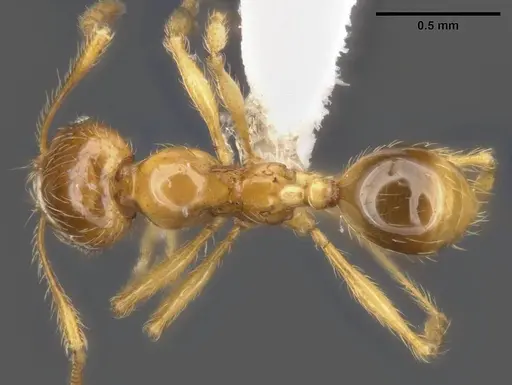
CASENT0281720
View on AntWeb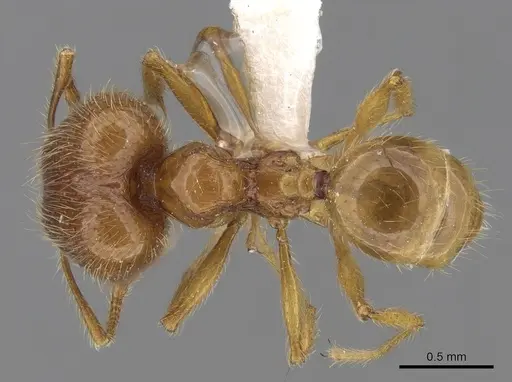
CASENT0281721
View on AntWeb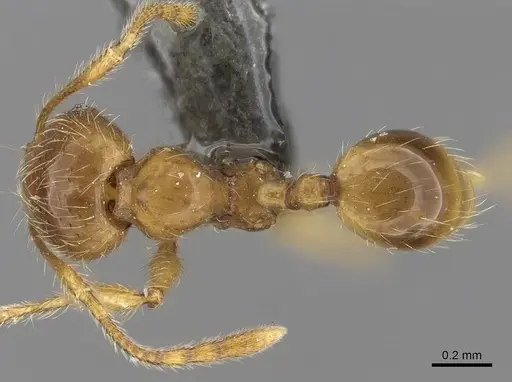
CASENT0904245
View on AntWeb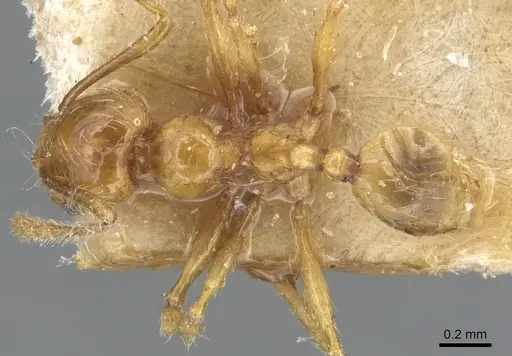
CASENT0908001
View on AntWeb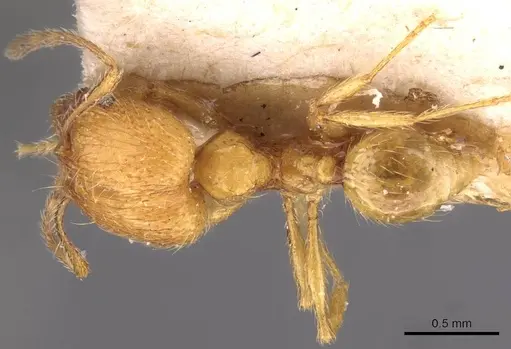
CASENT0908002
View on AntWeb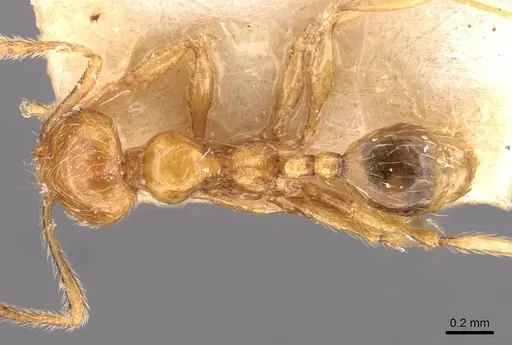
FOCOL1375
View on AntWeb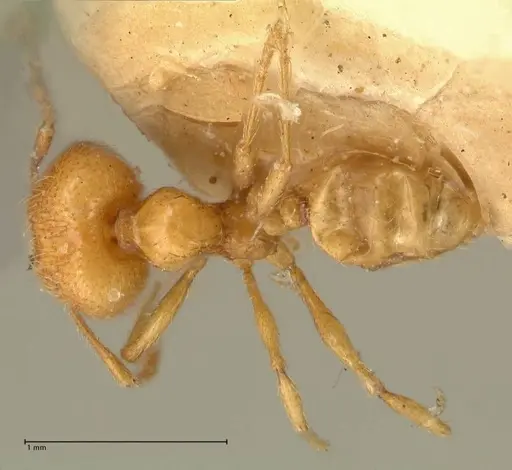
MCZ-ENT00511508
View on AntWeb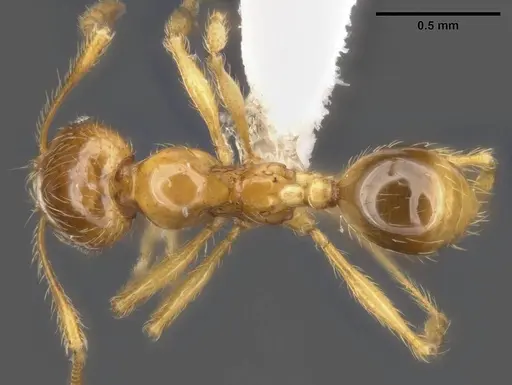
Literature
Loading...Loading products...