

Odontomachus rixosus
- Scientific Name
- Odontomachus rixosus
- Tribe
- Ponerini
- Subfamily
- Ponerinae
- Author
- Smith, 1857
- Distribution
- Found in 7 countries
Odontomachus rixosus Overview
Odontomachus rixosus is an ant species of the genus Odontomachus. It is primarily documented in 7 countries , including Brunei Darussalam, China, Hong Kong. Detailed taxonomic data and occurrence records can be further explored via authoritative databases such as AntWeb or the Global Biodiversity Information Facility (GBIF).
Odontomachus rixosus
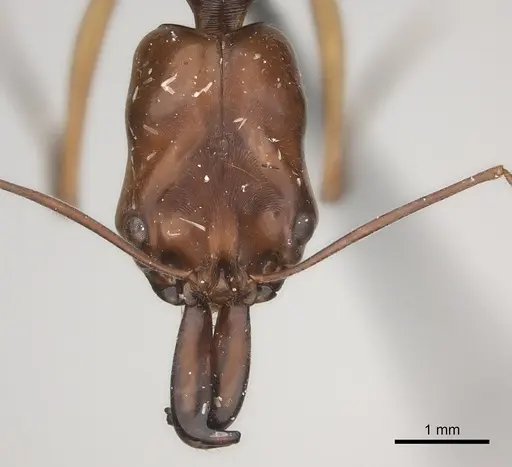
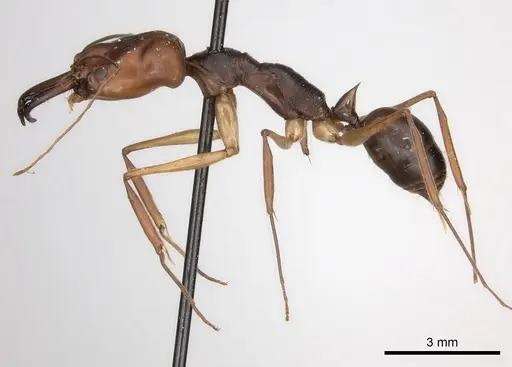
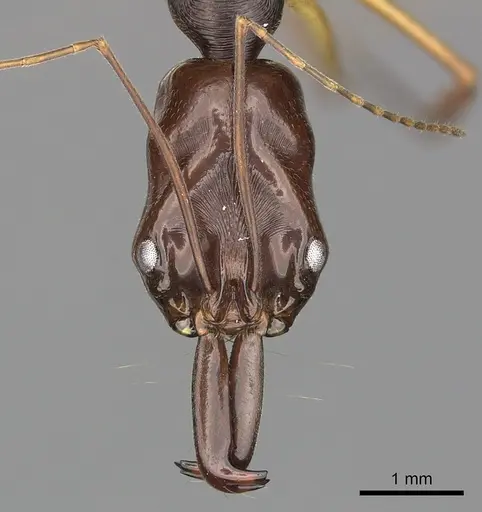
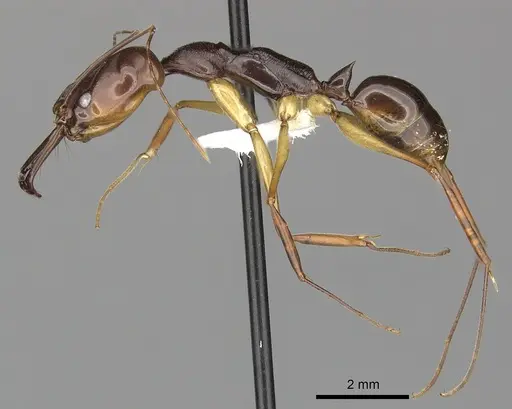
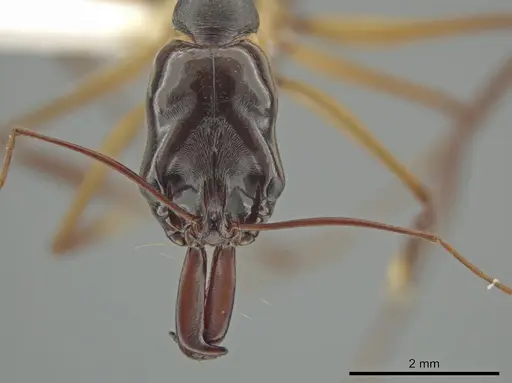
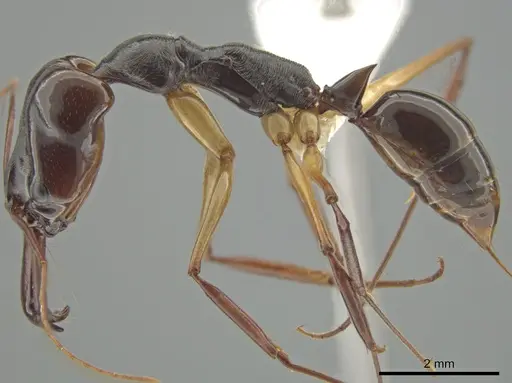
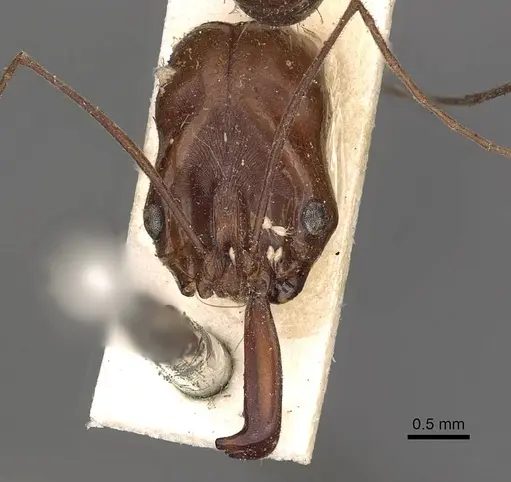
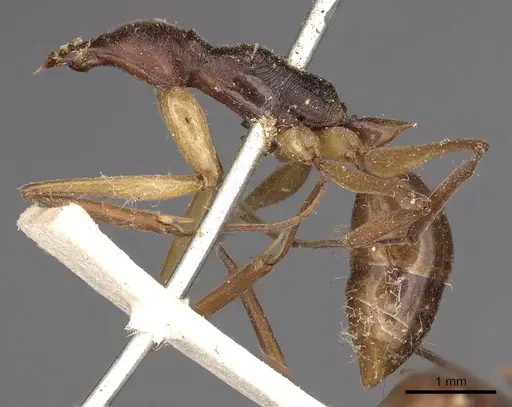
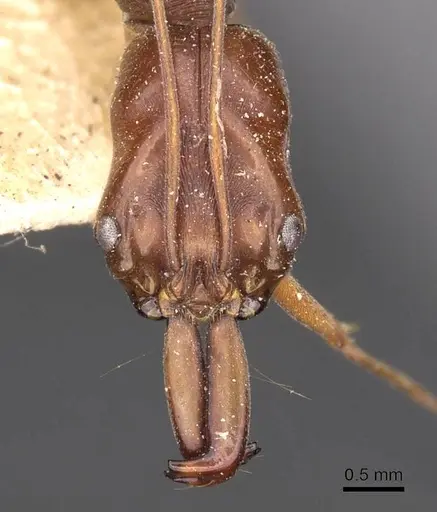
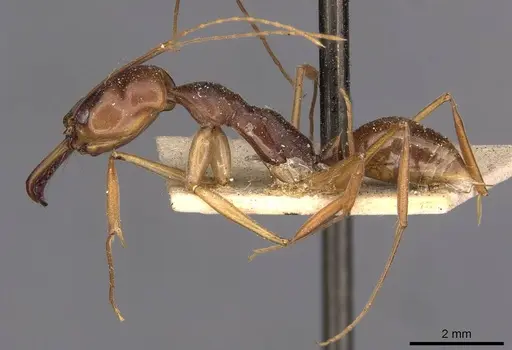
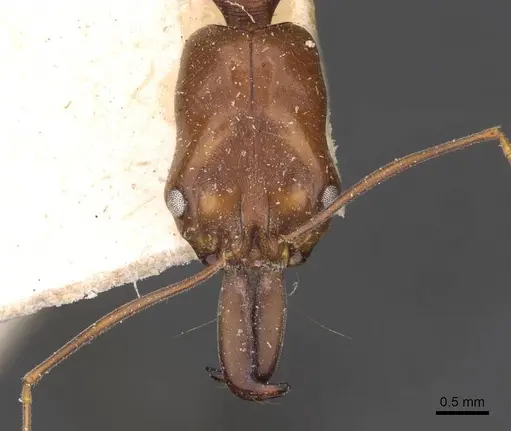
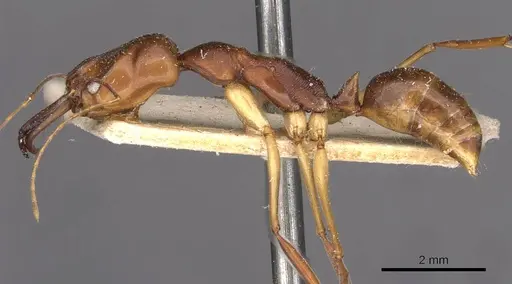
Odontomachus rixosus is a medium-sized trap-jaw ant native to Southeast Asia, found across Myanmar, Thailand, Malaysia, Singapore, Indonesia, the Philippines, and southern China. Workers measure 10-13mm in total length with an orange-brown body and darker mesosoma and gaster. This species belongs to the rixosus species group and is recognized by its elongated, truncate subapical tooth on the mandible. Unlike many ants, O. rixosus forms polygynous colonies with multiple queens, and has been documented nesting in association with Pheidole species in the wild.
Quick Summary
- Difficulty: Medium
- Origin & Habitat: Southeast Asian forests, found in primary and secondary forests, plantations, and lowland areas across Myanmar, Thailand, Peninsular Malaysia, Singapore, Sumatra, Mentawai Islands, Java, Borneo, the Philippines, southern China, India, Laos, Vietnam, and Cambodia [1][2][3]
- Colony Type: Polygynous, colonies contain multiple dealate (wingless) queens working together, with documented colony sizes averaging 142 workers and 26 queens [4][5]
- Colony: Polygyne
- Founding: Claustral
- Size & Growth:
- Queen: HW 1.87-2.17mm, HL 2.53-2.96mm [2]
- Worker: 10-13mm TL, HL 2.56-3.03mm, WL 3.35-4.00mm [1][2]
- Colony: Up to 142 workers documented in study colonies, though larger wild colonies likely exist [6][5]
- Growth: Moderate
- Development: 6-10 weeks (estimated based on typical Ponerinae development patterns) (Direct development data unavailable, estimates based on related trap-jaw ant species)
- Antkeeping:
- Temperature: Keep at 24-28°C, this is a tropical forest species that prefers warm, stable conditions [2]
- Humidity: High humidity required, they naturally nest under leaf litter and in damp soil near tree bases. Keep substrate consistently moist but not waterlogged [2]
- Diapause: No, as a tropical species, they do not require hibernation. Maintain warm conditions year-round
- Nesting: Y-tong or plaster nests work well for this soil-nesting species. Provide a moisture source and keep nesting area humid. They prefer dark, enclosed spaces similar to their natural habitat under leaf litter and rotting logs [2]
- Behavior: These ants are active predators with their iconic trap-jaw mandibles. They hunt small invertebrates and are considered a specialist predator functional group. Workers are moderately aggressive when defending the colony but typically flee rather than engage when possible. They are fast-moving and can deliver a painful sting. Escape prevention is important, they are medium-sized and can squeeze through small gaps if not properly contained.
- Common Issues: high humidity needs can lead to mold if ventilation is poor, predatory diet means they need live prey, cannot survive on sugar alone, polygynous colonies may have queen conflicts during establishment if space is limited, tropical species will decline if temperatures drop below 20°C, trap-jaw mandibles can snap shut on fingers during handling
Nest Preferences
In the wild, Odontomachus rixosus nests under leaf litter, in soil near the base of living trees, and under rotten logs and stumps. They are a forest species that thrives in humid, shaded microhabitats. For captive care, a Y-tong (acrylic) nest or plaster nest works well because these materials hold moisture and create the dark, enclosed environment they prefer. Keep the nest substrate consistently moist, think damp forest floor. A small water reservoir or moisture chamber connected to the nest helps maintain humidity. Avoid completely dry nests or excessive heat that would dry out the substrate. [2][1]
Feeding and Diet
Odontomachus rixosus is a specialist predator, meaning they primarily hunt and eat small invertebrates. In captivity, offer live prey such as fruit flies, small crickets, mealworms, and other small insects appropriate to their size. They will typically accept most small arthropods. As a predatory Ponerine ant, they do not rely heavily on sugar sources like many formicine ants, though they may occasionally accept honey water or sugar water. Feed them small live prey 2-3 times per week, adjusting based on colony size. Remove uneaten prey after 24 hours to prevent mold. A well-fed colony will have workers that appear plump and well-fed. [2]
Temperature and Care
As a tropical Southeast Asian species, Odontomachus rixosus needs warm conditions. Keep the nest area at 24-28°C for optimal activity and brood development. Room temperature in most homes (20-24°C) is acceptable, but avoid temperatures below 20°C as this can slow their metabolism and harm the colony. A gentle heat gradient is beneficial, place a heating cable on one side of the nest so workers can regulate their temperature by moving between warmer and cooler areas. Since they come from humid forest environments, maintain high humidity by keeping the nest substrate moist and providing a water source. They do not require hibernation or diapause. [2][1]
Behavior and Temperament
These ants are active hunters with their famous trap-jaw mandibles, which they use to capture prey and defend the colony. Workers are moderately aggressive and will sting if threatened, so handle with care. They are fast-moving and can be skittish. In polygynous colonies, multiple queens coexist and all contribute to reproduction, which can lead to faster colony growth than single-queen species. Workers communicate through chemical signals and may form foraging trails to food sources. They are primarily nocturnal or crepuscular in the wild, so expect peak activity during evening hours. Provide enrichment opportunities like varied prey sizes to encourage natural hunting behaviors. [5][6][4]
Colony Structure and Queen Care
One of the most interesting aspects of Odontomachus rixosus is their polygynous colony structure. Wild colonies typically contain multiple dealate (wingless) queens, studies show averages of 26 queens per colony with up to 142 workers. This is unusual among ants, as most species have single queens. The multiple-queen system appears to function through queen adoption, where new queens are accepted into existing colonies rather than being attacked. For keepers, this means you can potentially keep multiple queens together, though provide ample space to prevent queen-on-queen aggression during establishment. Queens are larger than workers and can be distinguished by their larger thorax and ocelli (simple eyes on the head). [4][5][6]
Frequently Asked Questions
How long does it take for Odontomachus rixosus to produce first workers?
Direct development data is not available for this species, but based on typical Ponerinae development patterns, expect 6-10 weeks from egg to first worker at optimal temperatures (24-28°C). The exact timing depends on temperature and feeding.
Can I keep multiple queens together?
Yes, this is actually their natural colony structure. Odontomachus rixosus is polygynous, meaning colonies naturally have multiple queens. You can keep multiple foundress queens together in a founding setup, but provide enough space and hiding spots to minimize aggression.
What do I feed Odontomachus rixosus?
They are predators that need live prey. Offer small insects like fruit flies, small crickets, mealworms, and other appropriately-sized arthropods. They may occasionally accept sugar water or honey, but protein from live prey is essential for their diet.
Are Odontomachus rixosus good for beginners?
They are intermediate-level ants. While not the most difficult species, they have specific humidity and temperature requirements, need a predatory diet, and can sting. They are rewarding for keepers interested in predatory ants with interesting colony structures.
Do they need hibernation?
No, as a tropical Southeast Asian species, they do not require hibernation or diapause. Keep them warm year-round at 24-28°C.
How big do colonies get?
Documented colonies reach around 142 workers on average, though wild colonies may be larger. They are polygynous, so multiple queens contribute to colony growth. With good care, expect moderate colony growth over 1-2 years.
References

This caresheet is licensed under CC BY-SA 4.0 .
CASENT0217544
View on AntWeb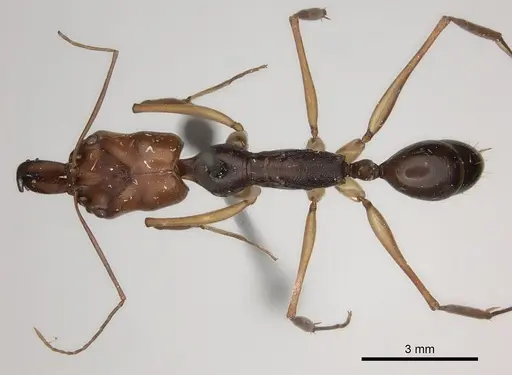
CASENT0270624
View on AntWeb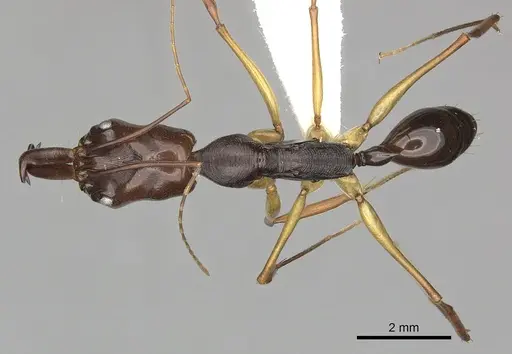
CASENT0634866
View on AntWeb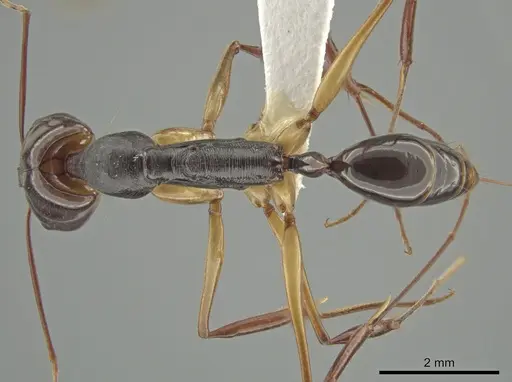
CASENT0900656
View on AntWeb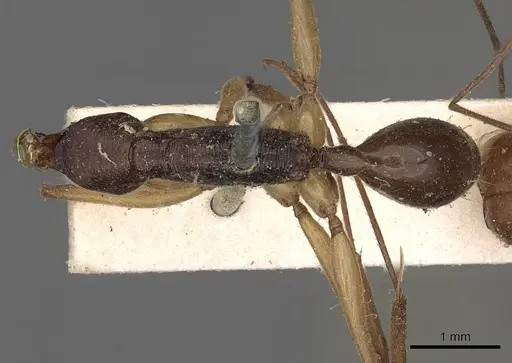
CASENT0907431
View on AntWeb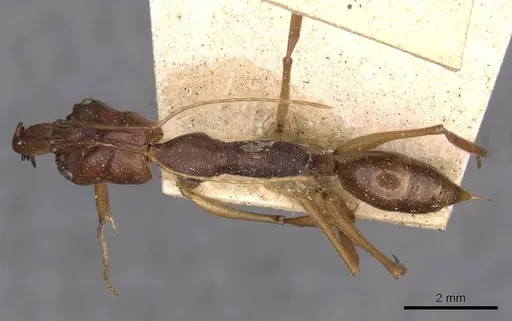
CASENT0907432
View on AntWeb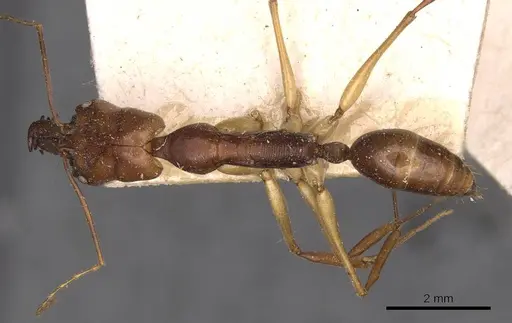
Literature
Loading...Loading products...