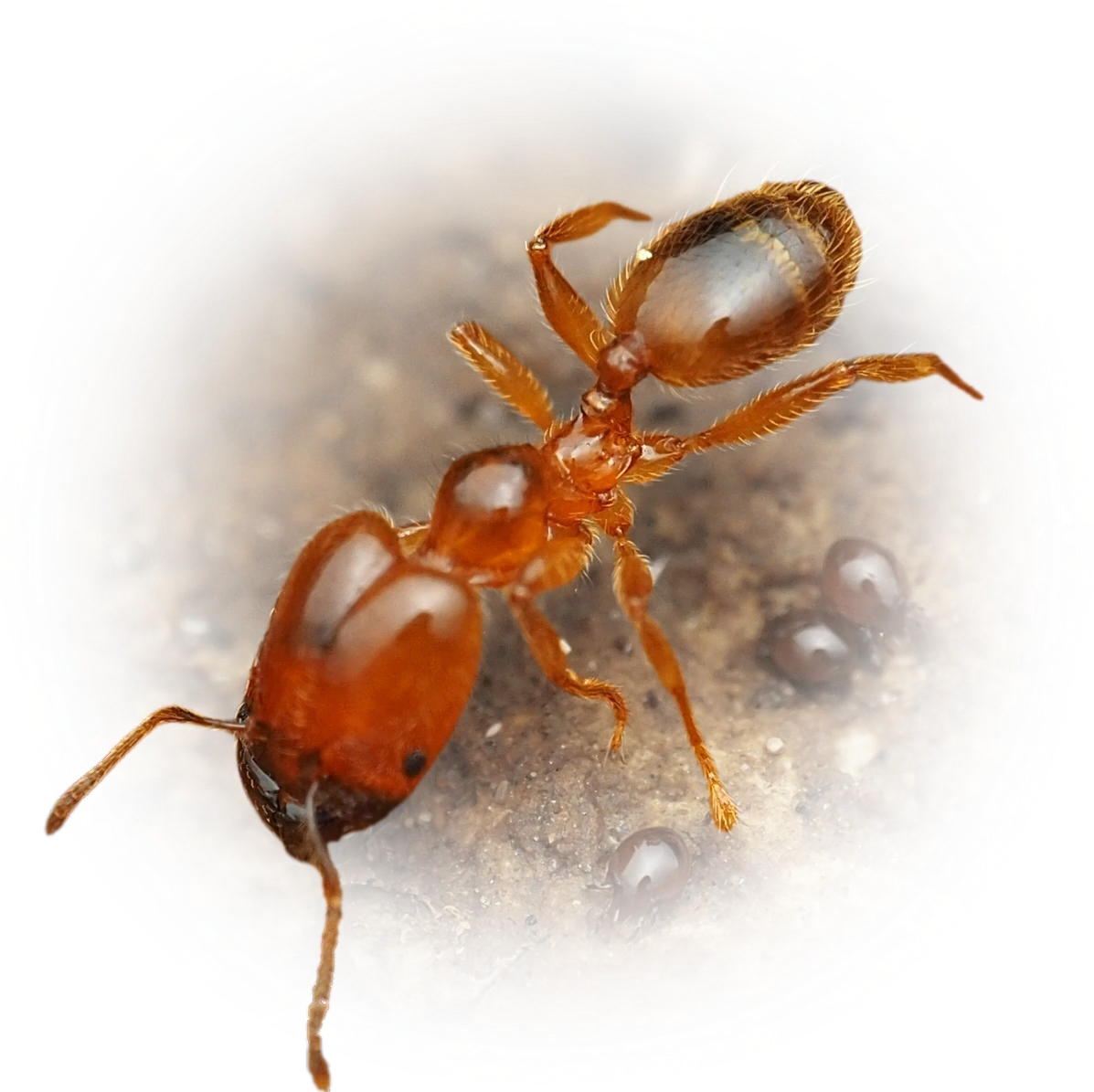

Pheidole subarmata
- Scientific Name
- Pheidole subarmata
- Tribe
- Attini
- Subfamily
- Myrmicinae
- Author
- Mayr, 1884
- Distribution
- Found in 19 countries
Pheidole subarmata Overview
Pheidole subarmata is an ant species of the genus Pheidole. It is primarily documented in 19 countries , including Argentina, Barbados, Brazil. Detailed taxonomic data and occurrence records can be further explored via authoritative databases such as AntWeb or the Global Biodiversity Information Facility (GBIF).
Pheidole subarmata
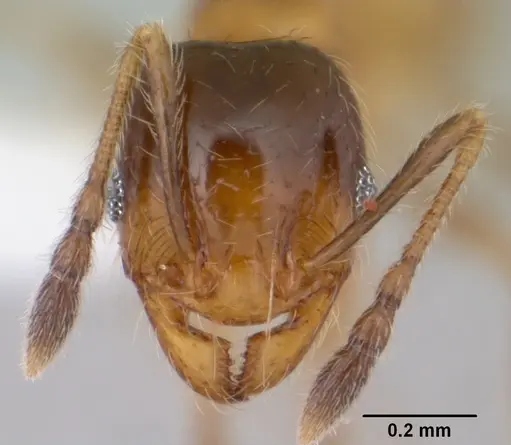
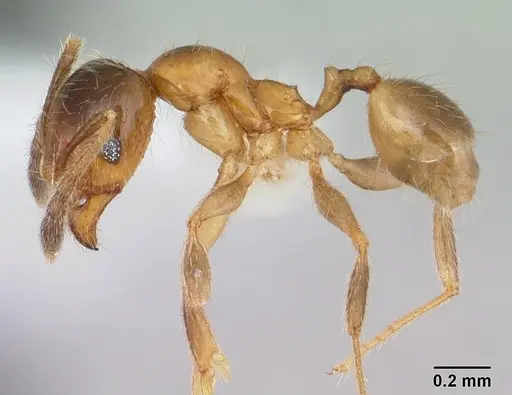
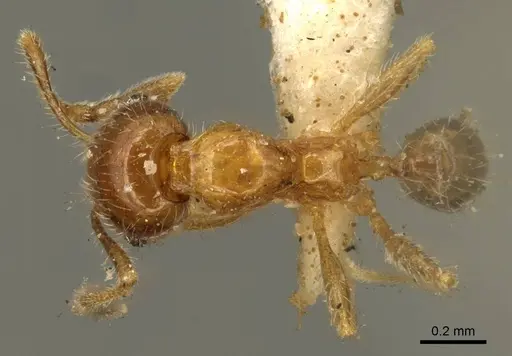
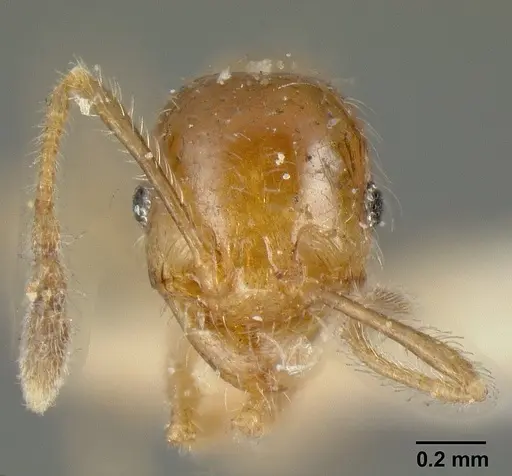
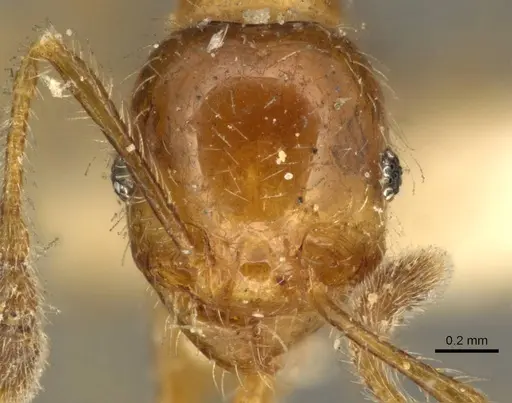
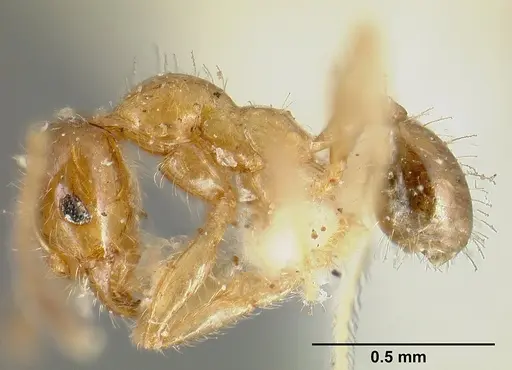
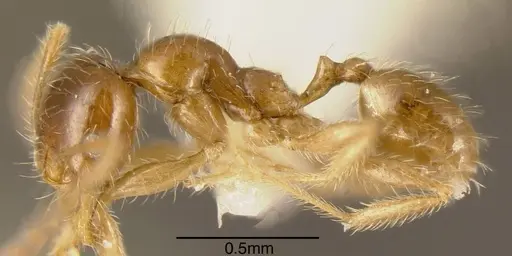
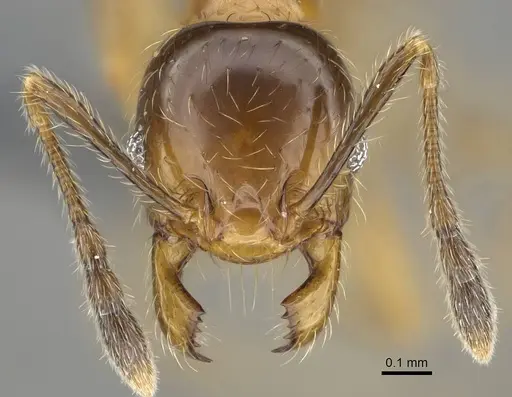
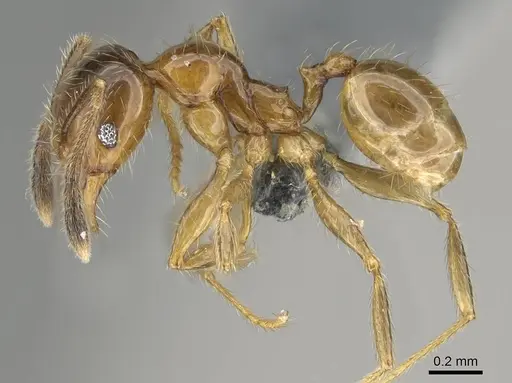
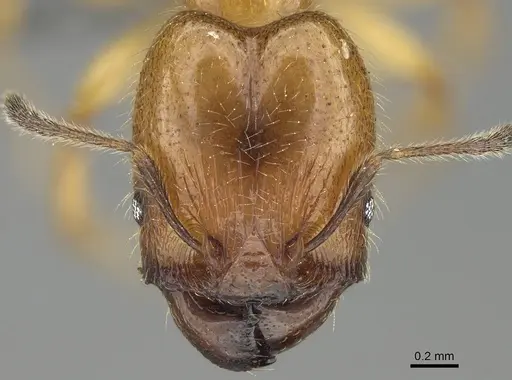
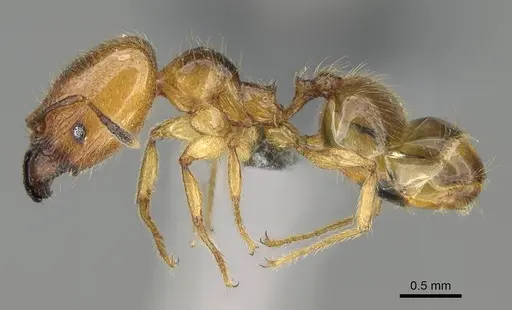
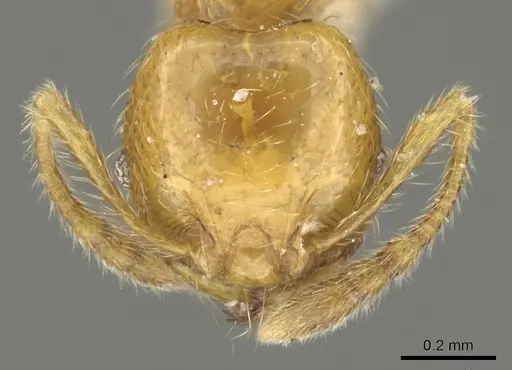
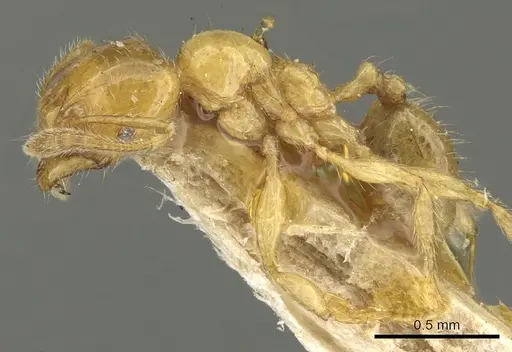
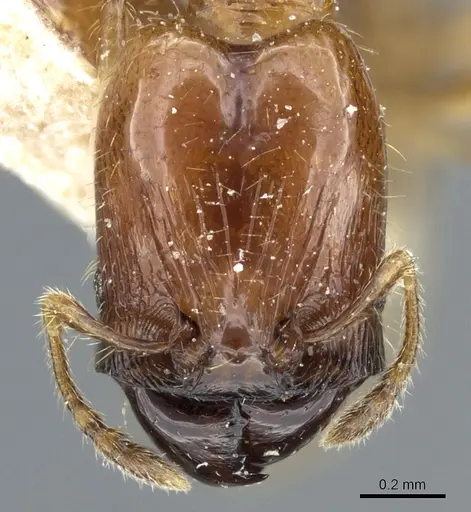
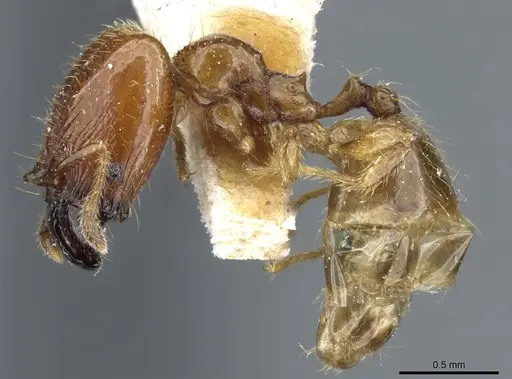
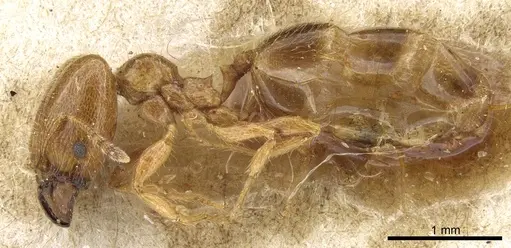
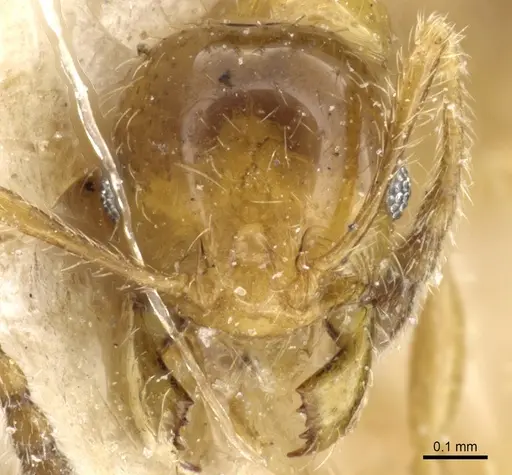
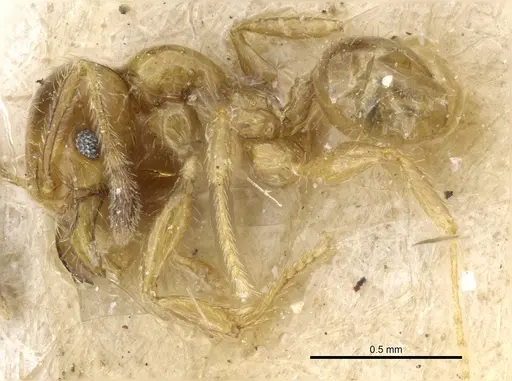
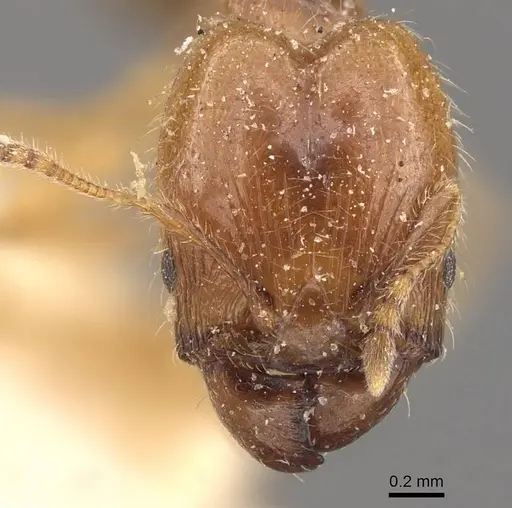
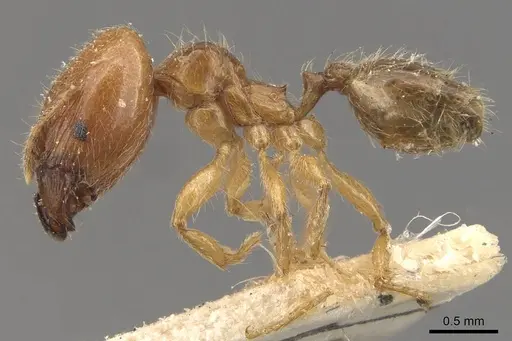
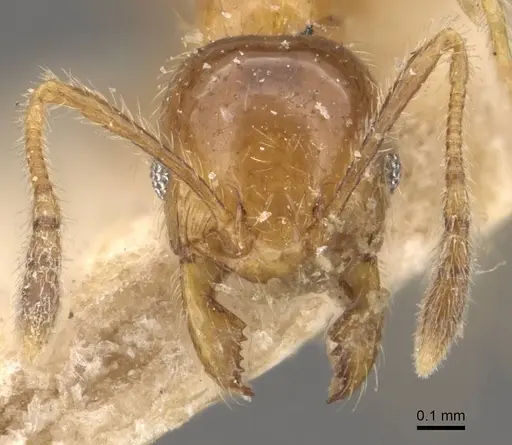
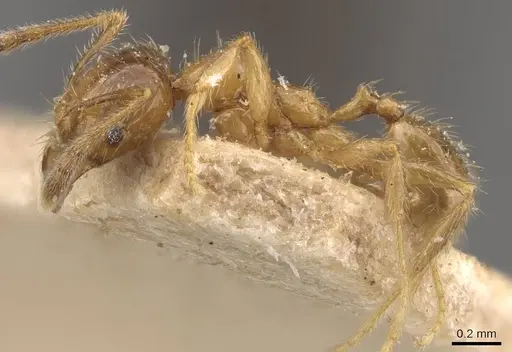
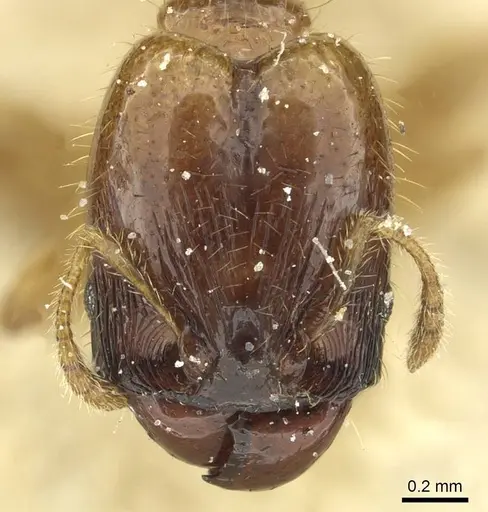
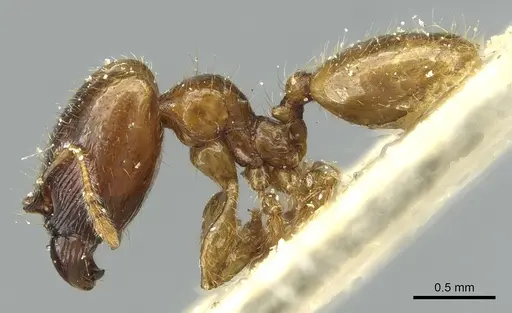
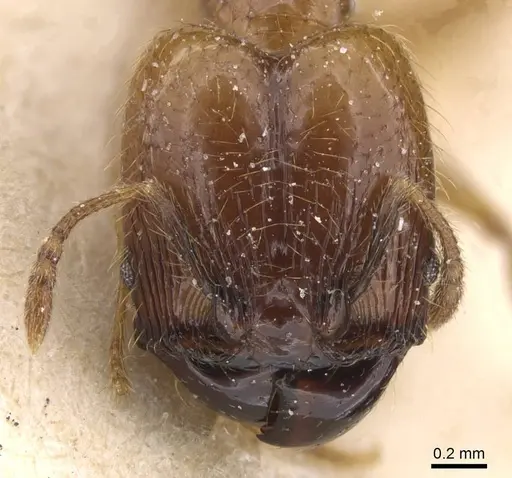
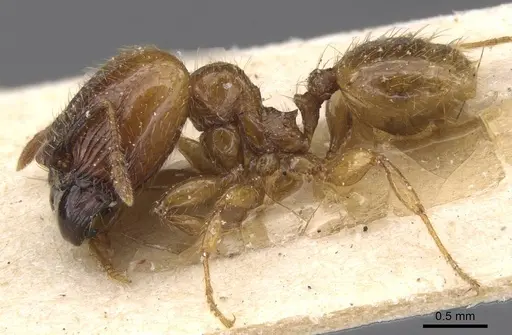
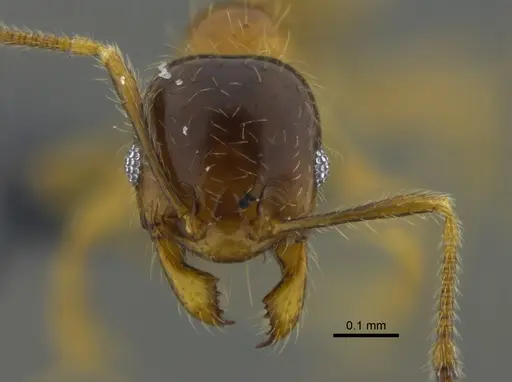
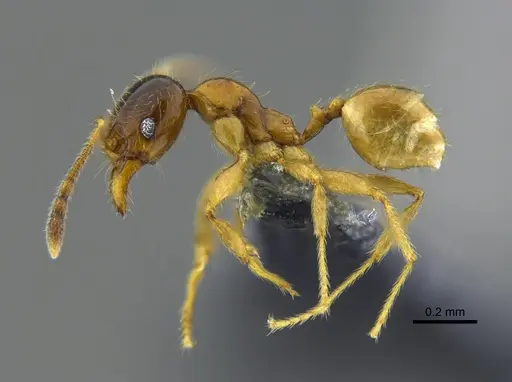
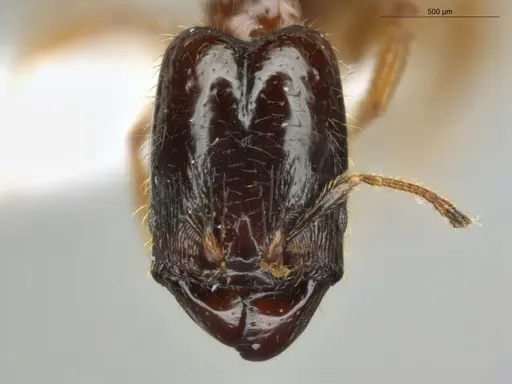
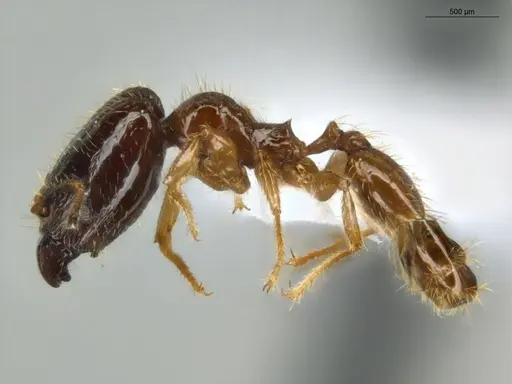
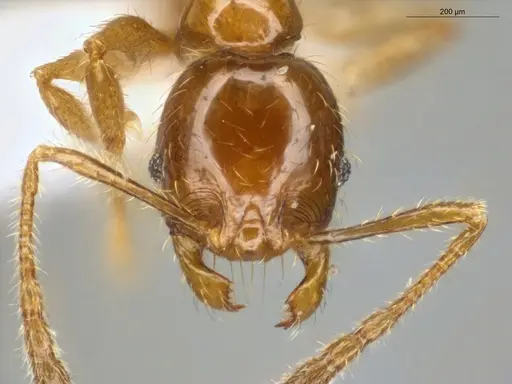
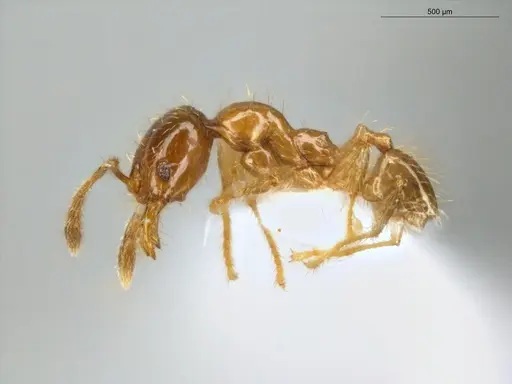
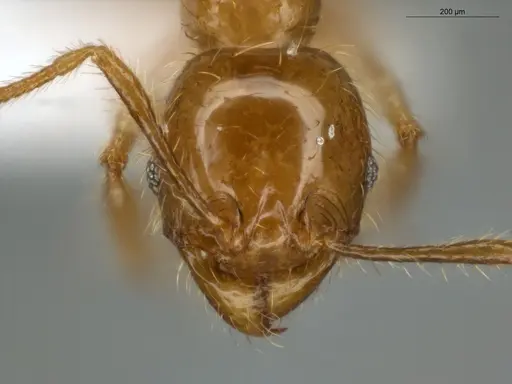
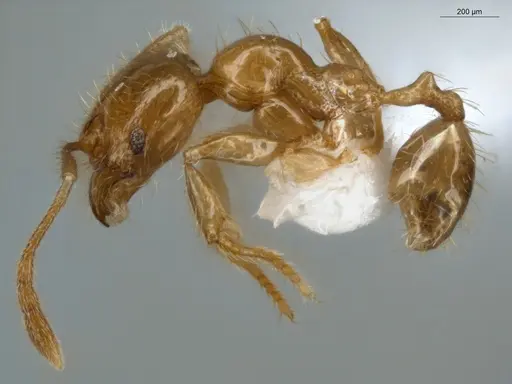
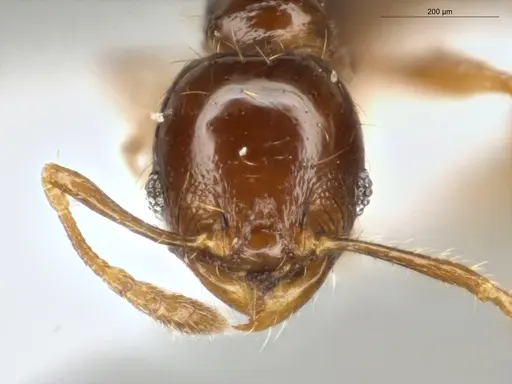
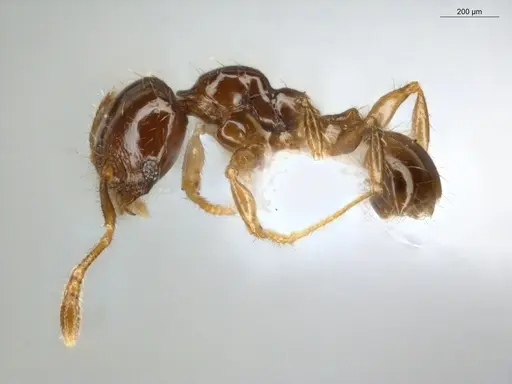
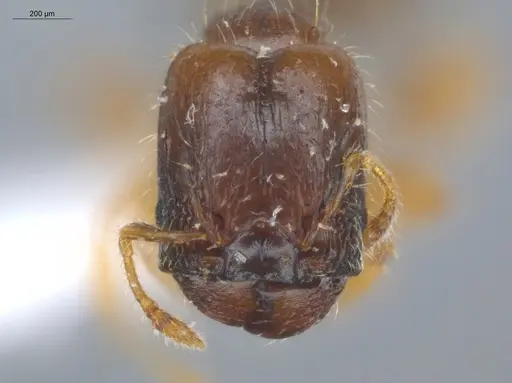
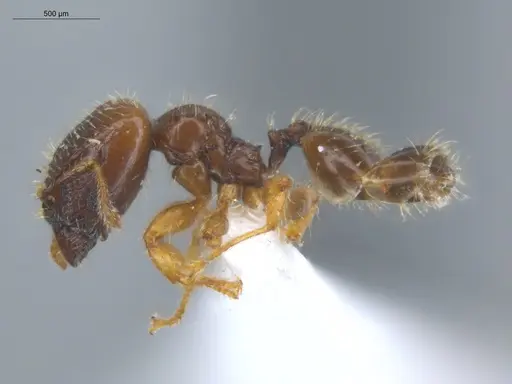
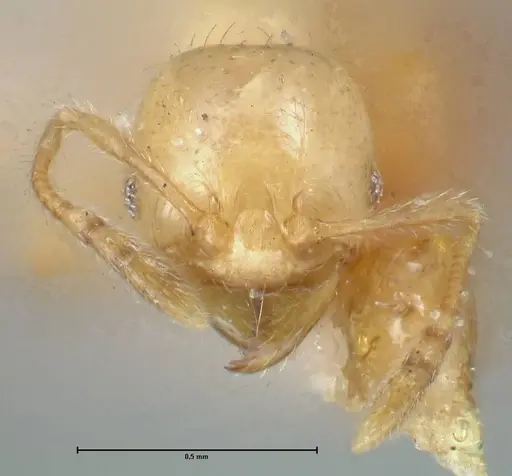
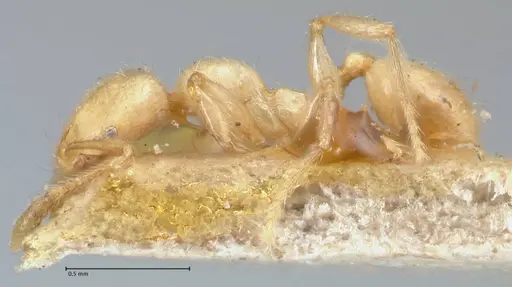
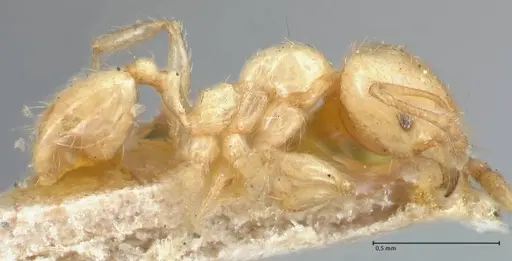
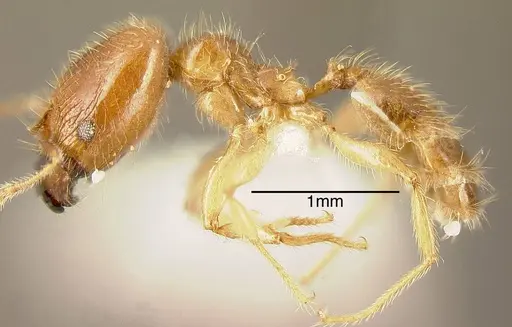
Pheidole subarmata is a dimorphic ant species native to the Neotropical region, ranging from Mexico down to southern Brazil and throughout the Caribbean islands. This small ant features two worker castes: minor workers at 2-3mm and major soldiers with distinctive elongated heads reaching 4-5mm. Their coloration ranges from reddish-yellow to dark brown, with minor workers appearing lighter yellow-brown. The species belongs to the Pheidole tristis group and is recognized by its smooth, shiny body and very small propodeal spines reduced to tiny denticles [1][2].
This ant thrives in disturbed areas and is considered one of the most abundant and wide-ranging Pheidole species in the Americas. Colonies are relatively small, typically containing only a few hundred workers. They nest in moist soil in open places, often building nests beneath rocks or in rotting wood, with characteristic irregular soil mounds marking their nest entrances. Workers are opportunistic foragers that search the ground and low vegetation for food, and they commonly tend to homopteran insects like mealybugs and aphids [2][3].
Quick Summary
- Difficulty: Easy
- Origin & Habitat: Neotropical region from Mexico to southern Brazil, including Bahamas, Cuba, Puerto Rico, and Lesser Antilles. Found in moist soil in open disturbed areas including road edges, agricultural fields, coconut groves, secondary rainforest, city parks, and seashores [2][4].
- Colony Type: Single-queen colonies (monogyne). Colonies are relatively small, containing only a few hundred workers [2].
- Colony: Monogyne
- Founding: Claustral
- Size & Growth:
- Queen: Estimated 7-9mm based on genus patterns
- Worker: Minor workers: 2-3mm, Major workers: 4-5mm [1][5]
- Colony: Up to a few hundred workers [2]
- Growth: Moderate
- Development: Estimated 6-8 weeks based on typical Pheidole development at tropical temperatures (Development time is inferred from genus patterns, direct measurements not available for this species)
- Antkeeping:
- Temperature: Keep at 22-28°C. This is a tropical species that tolerates high temperatures (tested up to 45°C for about 17 minutes) but thrives in warm conditions [6]. Room temperature within this range works well.
- Humidity: Keep substrate moderately moist. This species favors moist soil conditions in the wild and nests in areas with good soil moisture [2]. Allow the nest substrate to dry slightly between waterings but never let it become bone-dry.
- Diapause: No, this is a tropical species with no documented need for hibernation or winter rest [2]. Keep them warm year-round.
- Nesting: Use a nest with moist substrate. They accept test tubes with cotton-plugged water reservoirs, Y-tong (AAC) nests, or plaster nests. The key is maintaining consistent soil moisture without flooding. A small outworld allows them to forage, as they actively search for food on the ground [2].
- Behavior: Minor workers forage primarily on the ground while major soldiers stay in or near the nest to help process food and defend the colony. Studies show they are predominantly nocturnal foragers in Puerto Rico. They are omnivores that readily accept sugar sources and protein foods. They are not particularly aggressive toward keepers but major workers will defend the nest if threatened. Escape prevention is important, minor workers are small enough to slip through standard barrier setups if not careful [6][7].
- Common Issues: colonies are small, do not expect the massive worker numbers seen in some ant species, minor workers are tiny and can escape through standard barriers, use fine mesh or fluon barriers, moisture needs are moderate, too dry and they will abandon the nest, too wet and mold becomes an issue, as a tropical species, they need consistent warmth, cold drafts can stress them, wild-caught colonies may carry parasites that can devastate captive colonies
Housing and Nest Setup
Pheidole subarmata adapts well to various captive setups. Test tubes with water reservoirs work excellently for founding colonies, the cotton provides moisture while the ants can retreat to dry areas if needed. For established colonies, Y-tong (AAC) nests or plaster nests with moisture chambers maintain the damp conditions they prefer. The key is providing a moisture gradient so ants can self-regulate their humidity needs. A small outworld allows for foraging, and you can use a simple container with a substrate floor. For escape prevention, apply fluon or similar barriers to the rim, these ants are small enough to climb smooth surfaces, so barrier effectiveness matters [2].
Feeding and Diet
This is an omnivorous species that accepts a wide variety of foods. In the wild, workers forage on the ground and tend to homopteran insects like mealybugs and aphids for honeydew. In captivity, offer sugar water or honey as a constant energy source. For protein, provide small insects like fruit flies, pinhead crickets, or mealworm pieces. They discover food quickly when nest density is high, so you will see active foraging within hours of offering prey. Feed minor workers small pieces they can carry, and major workers will help process larger items in the nest [7][3].
Temperature and Seasonal Care
Keep your colony at 22-28°C year-round. This tropical species does not require any cooling or hibernation period. They can tolerate brief high-temperature exposure (tested up to 45°C for about 17 minutes in studies) but sustained temperatures outside their preferred range will stress the colony. Room temperature in most homes falls within their acceptable range. If your space runs cool, a small heating cable on one side of the nest creates a gentle gradient. Avoid placing the nest near air conditioning vents or drafty windows. Consistent warmth promotes faster colony growth [6].
Behavior and Colony Dynamics
Pheidole subarmata colonies are dimorphic, meaning they have two distinct worker castes. Minor workers (2-3mm) handle most foraging, brood care, and general tasks. Major soldiers (4-5mm) have enlarged heads and mandibles used for seed processing, defense, and helping break apart larger food items. Studies in Puerto Rico found these ants are predominantly nocturnal, so you may see more activity during evening hours. Colonies remain relatively small compared to many ant species, expect a few hundred workers at maturity rather than thousands. The presence of major workers makes colony observation more interesting as you can watch the division of labor between castes [6][5].
Growth and Development
Colony growth is moderate rather than explosive. A newly mated queen seals herself in a claustral chamber and raises her first brood using stored energy reserves. First workers (nanitics) are typically smaller than normal minor workers. From there, the colony grows steadily as the queen continues laying eggs. Maximum colony size appears to be a few hundred workers, this is a small-colony species by Pheidole standards. Growth rate depends on temperature and feeding, with warmer conditions and consistent protein intake speeding development. Patience is key with this species [2].
Frequently Asked Questions
How long does it take for Pheidole subarmata to have first workers?
Expect first workers (nanitics) in about 6-8 weeks after the queen lays eggs, assuming temperatures around 25°C. This is an estimate based on typical Pheidole development, specific timing for this species has not been directly studied.
Can I keep multiple Pheidole subarmata queens together?
No. This species forms single-queen colonies (monogyne). Combining unrelated queens is not recommended and would likely result in fighting.
What do Pheidole subarmata eat?
They are omnivores. Offer sugar water or honey as a constant energy source, plus small protein foods like fruit flies, small crickets, or mealworm pieces. They also tend to homopteran insects in the wild, so they will readily accept sweet secretions.
Are Pheidole subarmata good for beginners?
Yes, this is an easy-to-keep species suitable for beginners. They tolerate a range of conditions, are not aggressive, and adapt well to captivity. Their small colony size makes them manageable, and their dimorphic workers provide visual interest.
How big do Pheidole subarmata colonies get?
Colonies remain relatively small, typically reaching only a few hundred workers at maturity. This is smaller than many common pet ant species.
Do Pheidole subarmata need hibernation?
No. This is a tropical species native to the Neotropics and Caribbean. They do not require hibernation or cooling periods. Keep them warm year-round at 22-28°C.
Why are my Pheidole subarmata dying?
Common causes include: too-dry conditions (they need moist substrate), cold temperatures (keep above 22°C), poor escape prevention (they are small), or parasites from wild-caught colonies. Check your humidity levels and temperature first.
References

This caresheet is licensed under CC BY-SA 4.0 .
CASENT0178060
View on AntWeb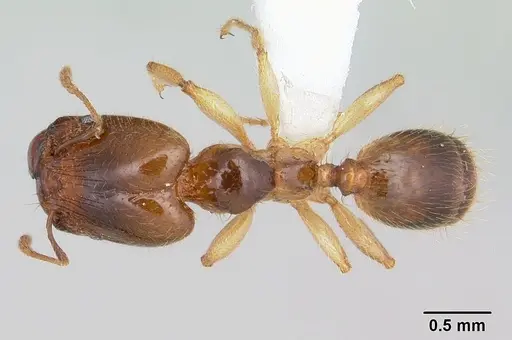
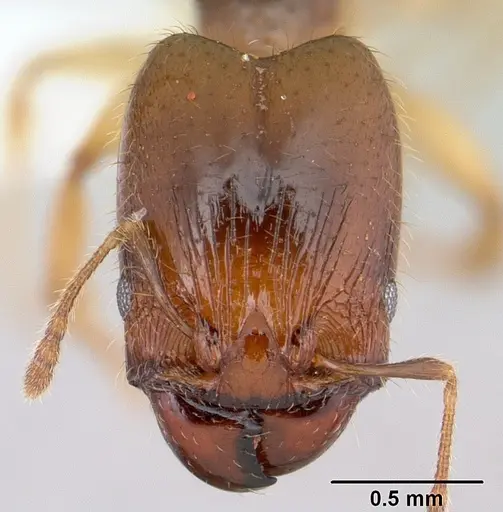
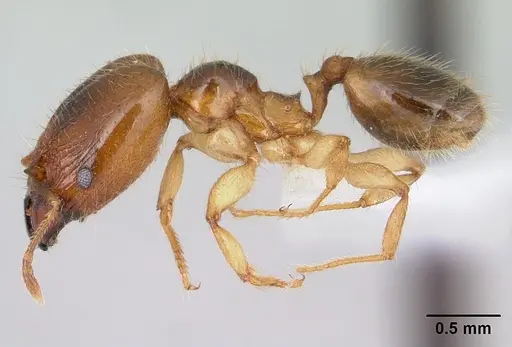
CASENT0178061
View on AntWeb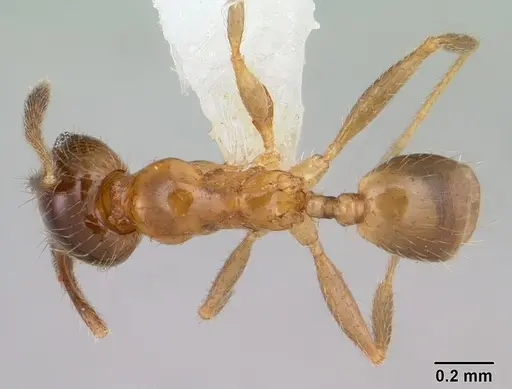
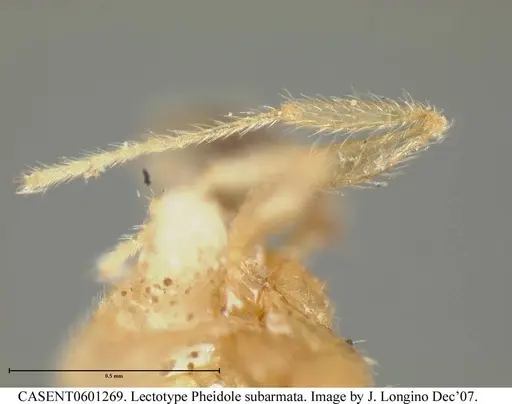
CASENT0601269
View on AntWeb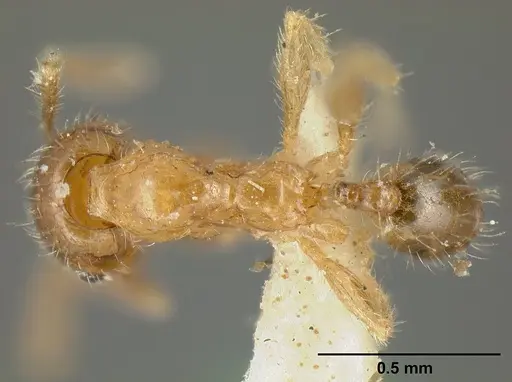
CASENT0633439
View on AntWeb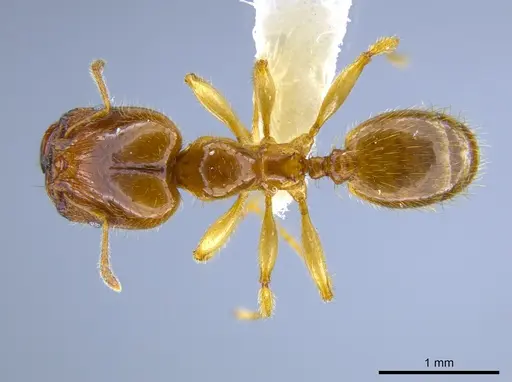
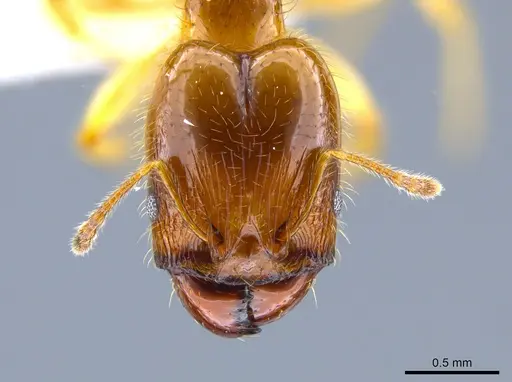
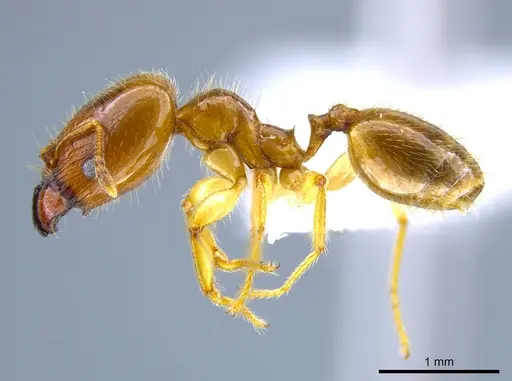
CASENT0635533
View on AntWeb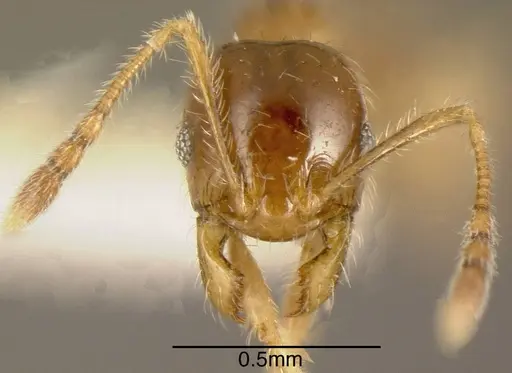
CASENT0768602
View on AntWeb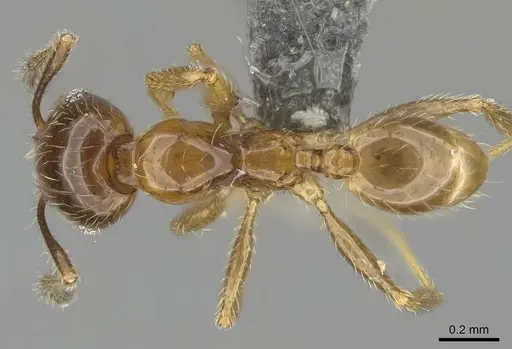
CASENT0768605
View on AntWeb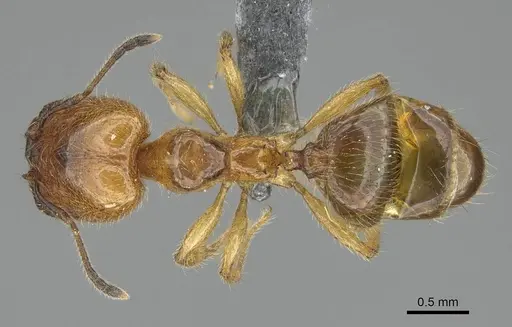
CASENT0901601
View on AntWeb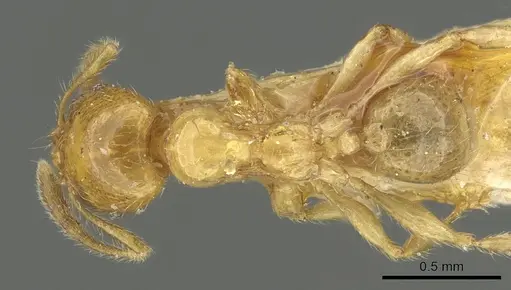
CASENT0904376
View on AntWeb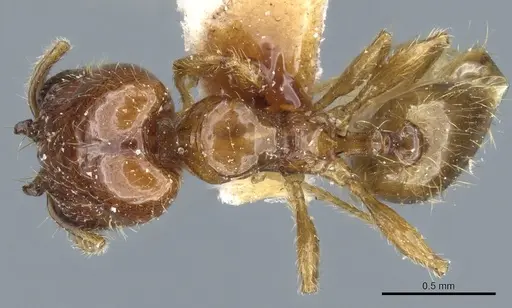
CASENT0904377
View on AntWeb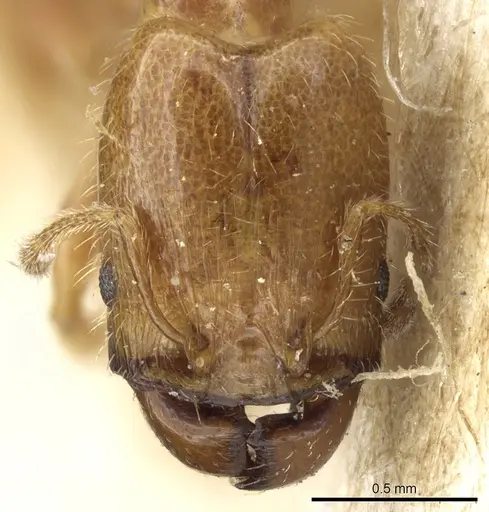
CASENT0904378
View on AntWeb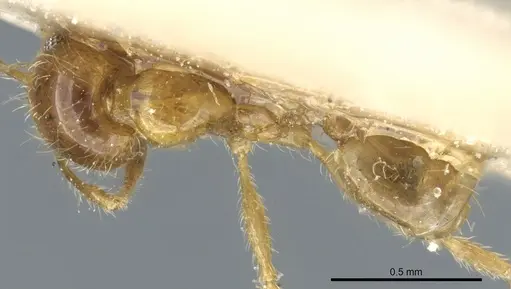
CASENT0908238
View on AntWeb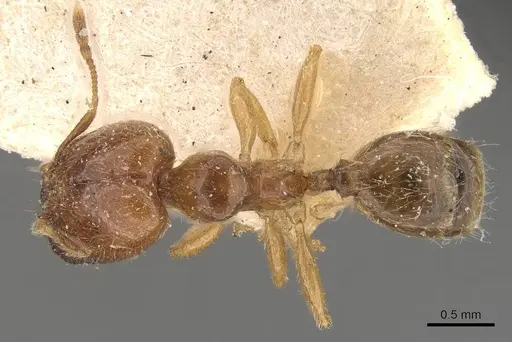
CASENT0908239
View on AntWeb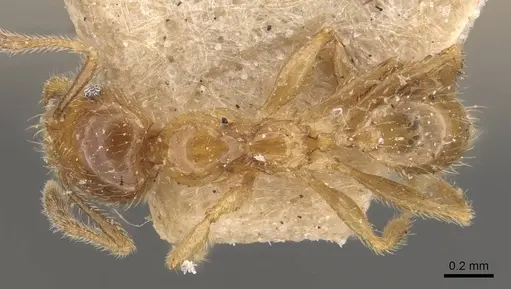
CASENT0913454
View on AntWeb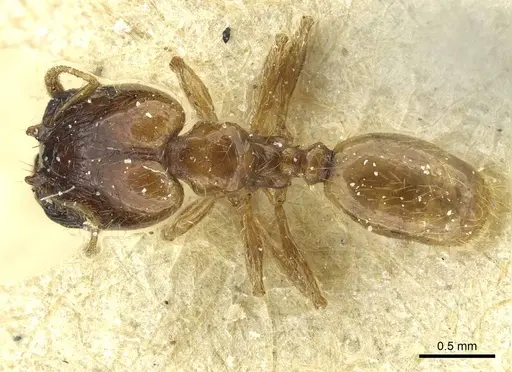
CASENT0913455
View on AntWeb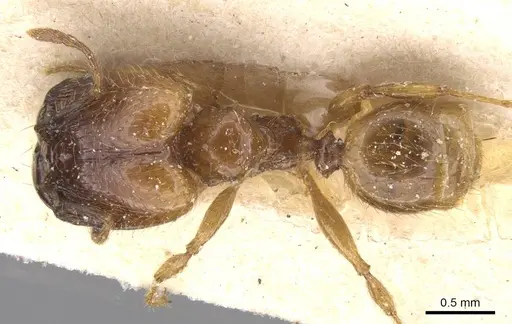
CBUMAGENT42039
View on AntWeb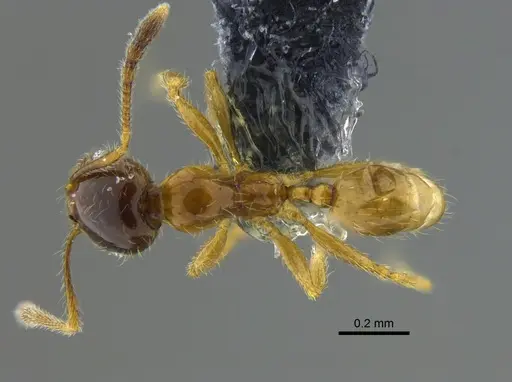
ECOFOG-IT14-0112-75-S
View on AntWeb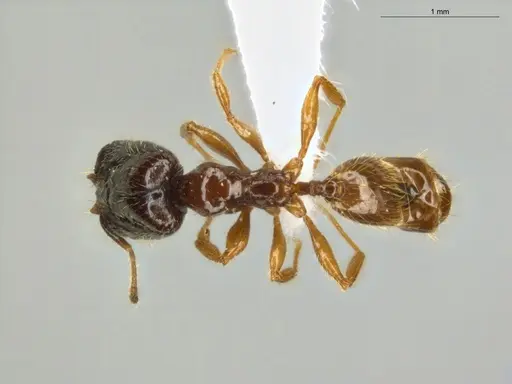
ECOFOG-IT14-0112-75
View on AntWeb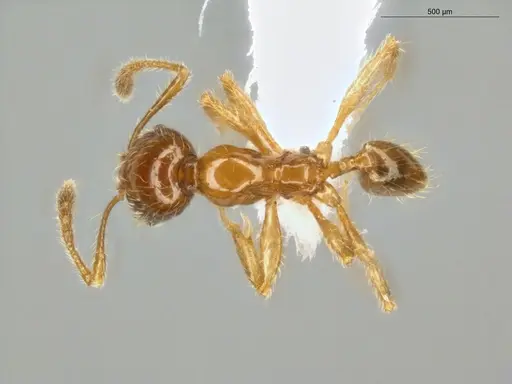
ECOFOG-IT14-0441-13
View on AntWeb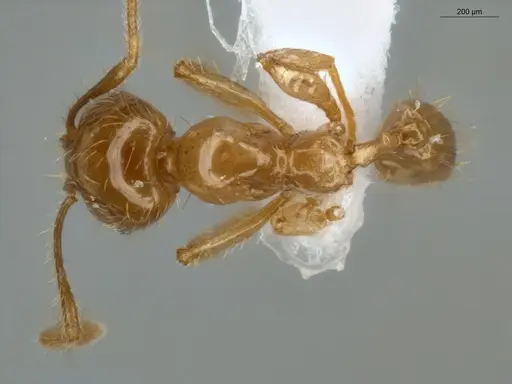
ECOFOG-MI15-0485-26
View on AntWeb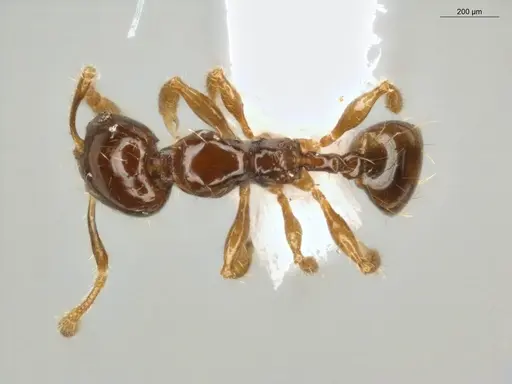
ECOFOG-SL13-0001-53-S
View on AntWeb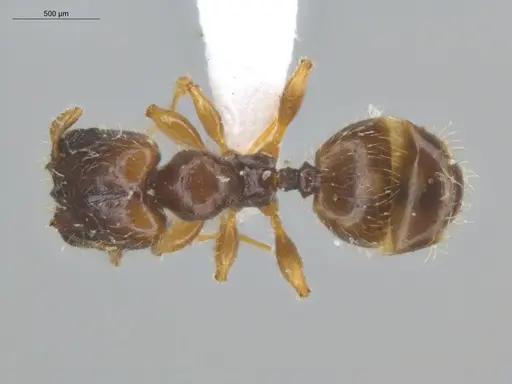
FOCOL1556
View on AntWeb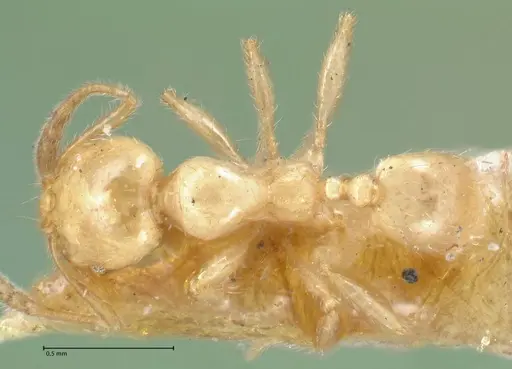
INBIOCRI001281170
View on AntWeb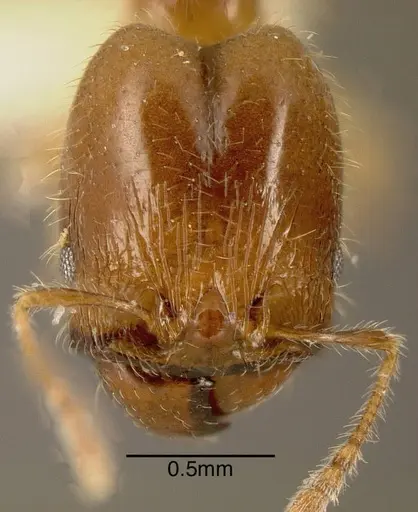
Literature
Loading...Loading products...