

Pheidole tristis
- Scientific Name
- Pheidole tristis
- Tribe
- Attini
- Subfamily
- Myrmicinae
- Author
- Smith, 1858
- Distribution
- Found in 7 countries
Pheidole tristis Overview
Pheidole tristis is an ant species of the genus Pheidole. It is primarily documented in 7 countries , including Argentina, Brazil, Colombia. Detailed taxonomic data and occurrence records can be further explored via authoritative databases such as AntWeb or the Global Biodiversity Information Facility (GBIF).
Pheidole tristis
Pheidole tristis is a medium-sized ant species native to southeastern Brazil, Paraguay, and northern Argentina. Majors are distinctive reddish-orange ants measuring around 1.66mm head width, while minors are smaller at 0.80mm head width and yellowish-brown in color. This species belongs to the Pheidole genus, known for having two distinct worker castes, majors (soldiers) with enlarged heads and minors (workers). The species was originally described in 1858 by Frederick Smith and has several junior synonyms including Pheidole tristis and Pheidole tristis [1]. In the wild, they nest under rotten bark in forest habitats [2]. Unfortunately, almost nothing is known about this specific species' biology in captivity, even basic information like founding behavior, colony size, and exact temperature requirements has not been documented.
Quick Summary
- Difficulty: Unknown, species has not been kept in captivity before
- Origin & Habitat: Southeastern Brazil (Santa Catarina, Sao Paulo, Rio de Janeiro, Parana), Paraguay, and northern Argentina (Misiones). Found in Cerradão and Cerrado habitats, nesting under rotten bark in forest areas [3][2][1].
- Colony Type: Colony structure is unconfirmed, no research exists on queen number or colony organization for this species. Based on typical Pheidole patterns, likely single-queen colonies.
- Size & Growth:
- Queen: Unconfirmed, queen size has not been documented in scientific literature
- Worker: Major workers: 1.66mm head width, approximately 4-5mm total length. Minor workers: 0.80mm head width, approximately 2-3mm total length[2].
- Colony: Unknown, no colony size data exists for this species
- Growth: Unknown, no development data exists for this species
- Development: Unknown, no direct measurements exist. Based on typical Pheidole patterns in similar Neotropical species, estimate 6-10 weeks at optimal temperature. (This is a pure estimate based on genus-level data. No species-specific development studies exist.)
- Antkeeping:
- Temperature: Unknown for this species. Based on their Brazilian/Paraguayan origin in tropical to subtropical regions, aim for warm conditions around 22-28°C. Monitor colony activity and adjust based on behavior.
- Humidity: Unknown for this species. Based on their natural habitat (Cerradão forest with rotting wood nesting), they likely prefer moderate to high humidity. Keep nest substrate moist but not waterlogged.
- Diapause: Unknown, no research on overwintering requirements. Their subtropical origin suggests they may not require true hibernation, but may slow down during cooler months.
- Nesting: In nature they nest under rotten bark [2]. For captivity, a naturalistic setup with soil and rotting wood pieces, or a Y-tong/plaster nest with moisture would be appropriate. Avoid completely dry conditions.
- Behavior: Pheidole species are generally non-aggressive toward keepers but majors will defend the colony. They are seed-harvesting andpredatory, typical of the genus. Escape risk is moderate, minors are small but not as tiny as some Pheidole species. Use standard barrier methods. They are primarily ground-nesting but can climb.
- Common Issues: no captive husbandry data exists, this would be a pioneering species to keep, founding behavior is completely unknown, claustral or semi-claustrl is uncertain, temperature and humidity requirements are unconfirmed, keepers must experiment, colony size potential is unknown, growth rate cannot be predicted, wild-caught colonies may carry parasites or diseases with no documented treatment
Species Identification and Appearance
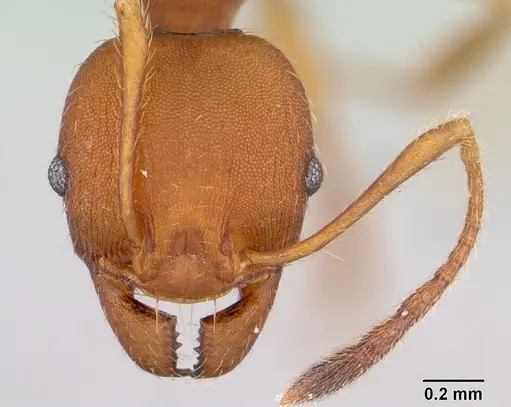
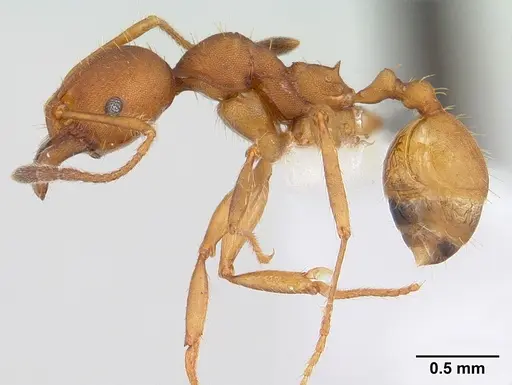
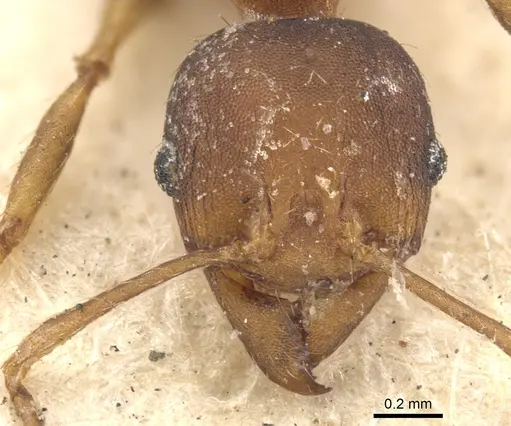
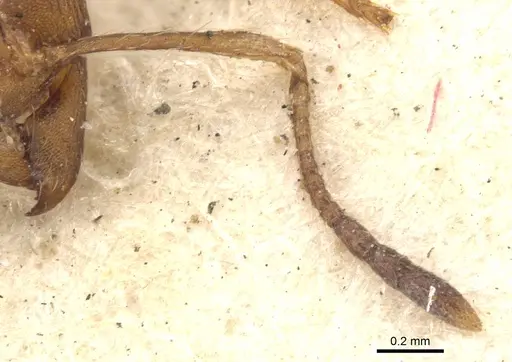
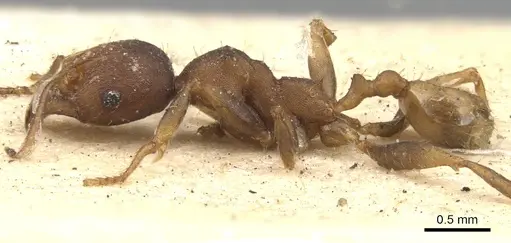
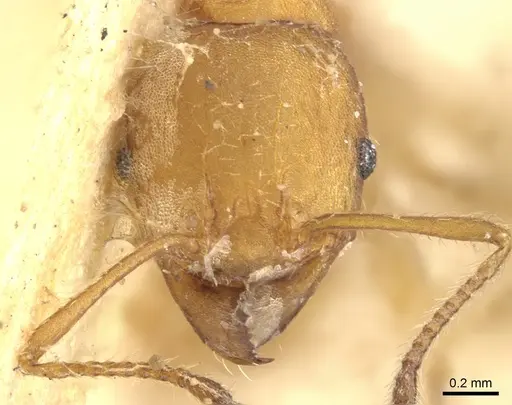
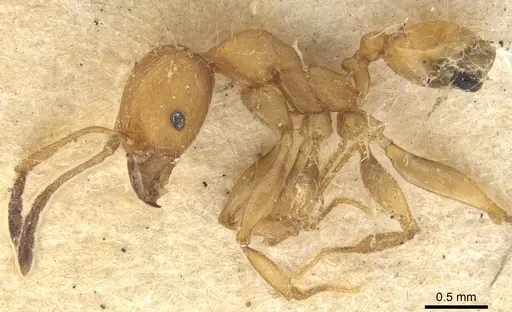
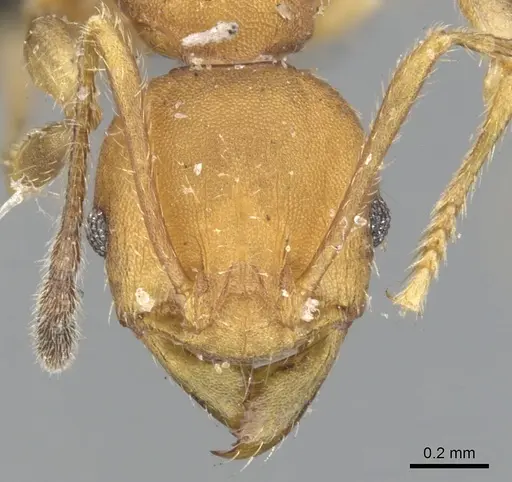
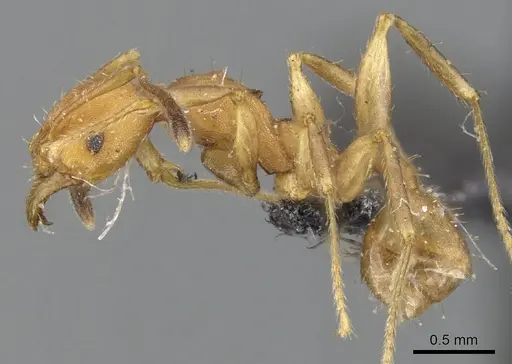
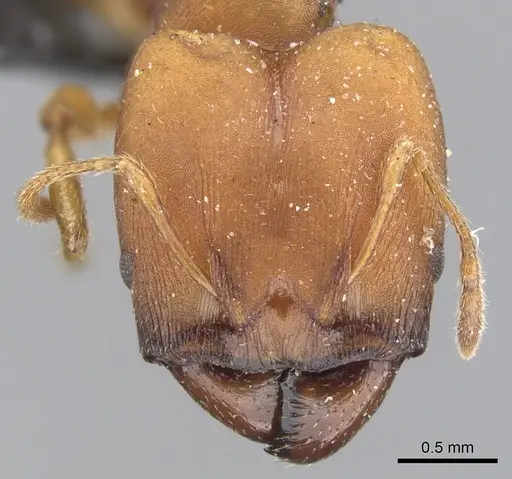
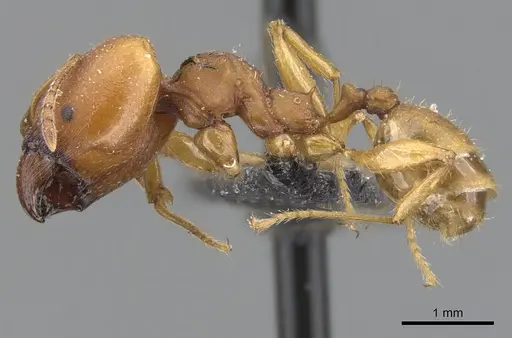
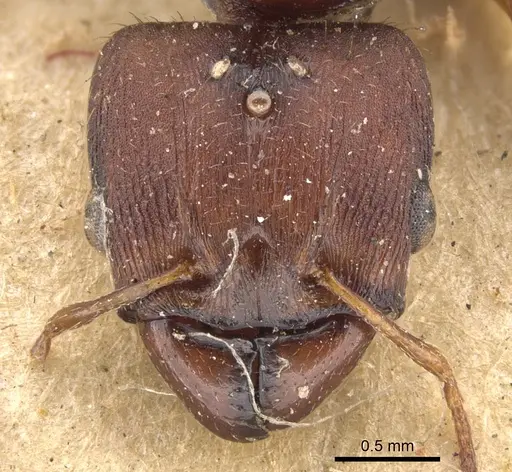
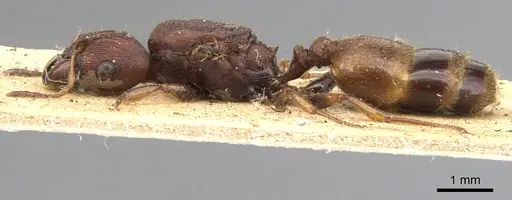
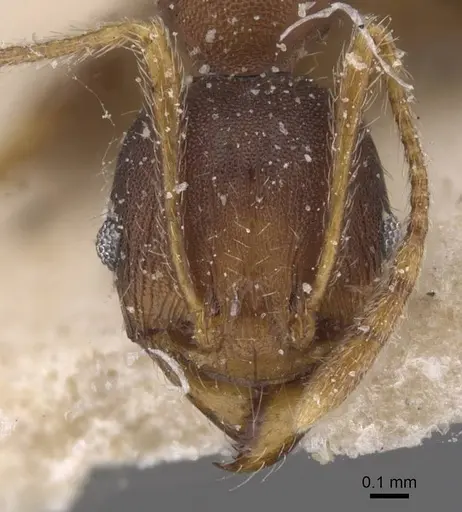
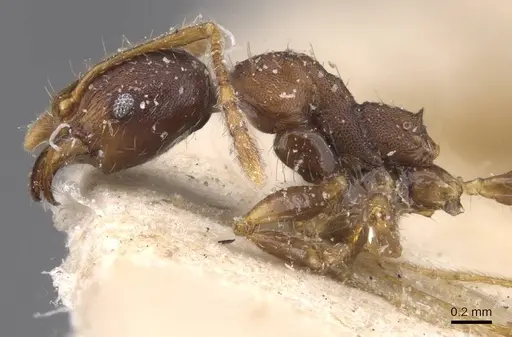
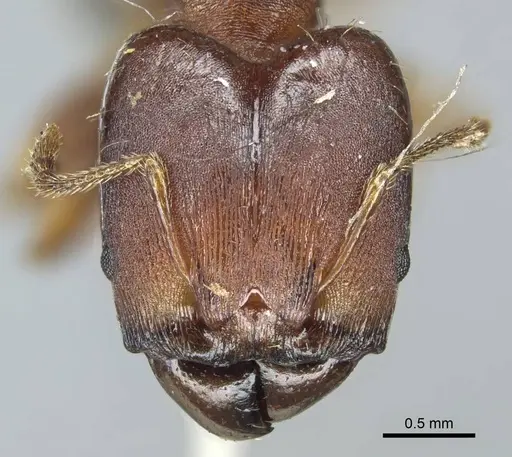
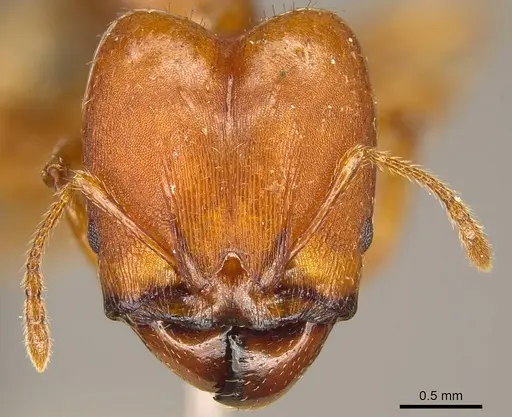
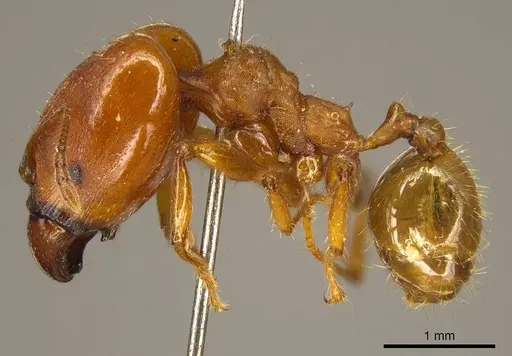
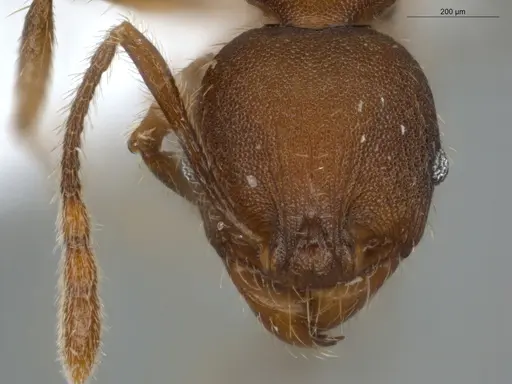
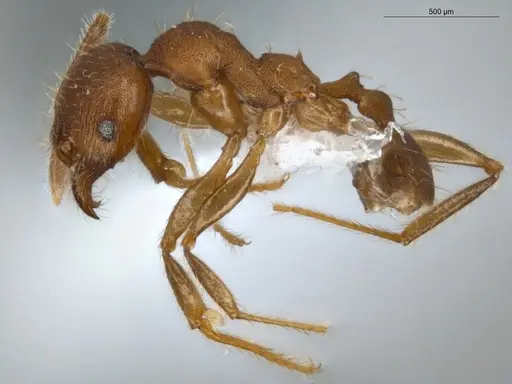
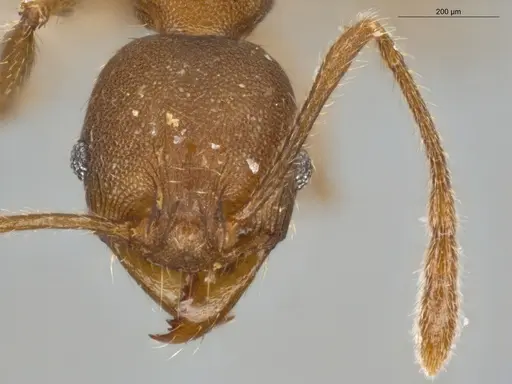
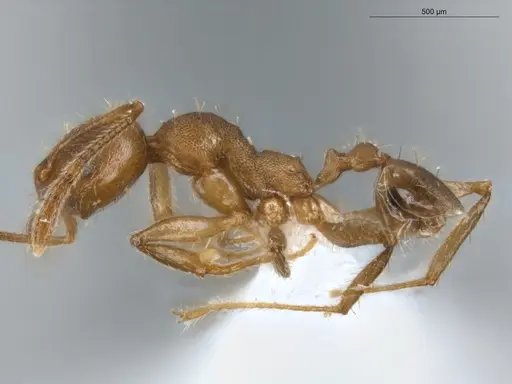
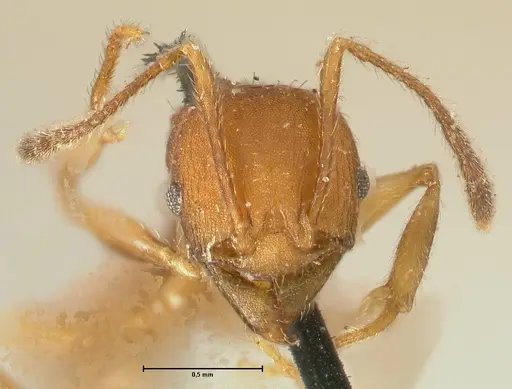
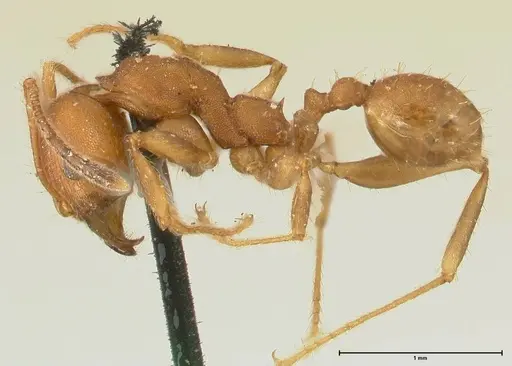
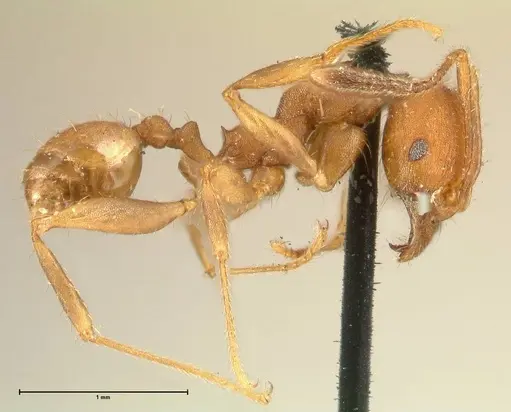
Pheidole tristis is a dimorphic ant species with two distinct worker castes. Major workers (soldiers) have a notably wide head measuring 1.66mm and display a distinctive reddish-orange or 'clear light reddish yellow' coloration with the gaster being slightly darker. Minor workers are much smaller at 0.80mm head width and appear yellowish-brown throughout. The species was originally described in 1858 by Frederick Smith under the name Pheidole tristis, and was later transferred to the genus Pheidole by Mayr in 1886. Several taxonomic synonyms exist including Pheidole fumipennis, Pheidole rubra, Pheidole tristis, and Pheidole tristis, all now considered junior synonyms of P. tristis [1]. The species name 'tristis' means 'sad' in Latin, though the specific allusion is unknown.
Natural Distribution and Habitat
This species is found across the southeastern Neotropical region, specifically in southeastern Brazil (states of Santa Catarina, Sao Paulo, Rio de Janeiro, and Parana), Paraguay, and north central Argentina (Misiones province) [1]. They inhabit Cerradão and Cerrado stricto sensu phytophysiognomies, these are Brazilian savanna and woodland habitats. In their natural environment, they nest under rotten bark [2], which indicates they prefer moist, decaying wood substrates in forest floor microhabitats. The original type specimen was collected from Tijuca, Rio de Janeiro, Brazil.
Housing and Nesting in Captivity
Since no captive husbandry data exists for this species, recommendations must be based on natural history and genus-typical behavior. In the wild, they nest under rotten bark in forest habitats, suggesting they prefer moist, organic-rich substrates. A naturalistic setup with a soil layer mixed with rotting wood pieces or leaf litter would best approximate their natural conditions. Alternatively, a Y-tong (acrylic) nest or plaster nest with a water reservoir would provide the moisture retention they likely need. Given their small minor workers (around 2-3mm), standard escape prevention with fine mesh or barrier gel should be adequate. The nest should include chambers scaled to their size, not too large, as Pheidole prefer snugger spaces. [2]
Feeding and Diet
Pheidole species are typically omnivorous, with a diet based on seeds and small insects. While no specific feeding data exists for P. tristis, related species in the genus readily accept protein sources like small insects (fruit flies, pinhead crickets, mealworms) and seeds. They also typically accept sugar sources like honey or sugar water. For a newly established colony, offer small live prey items and monitor acceptance. Remove uneaten prey after 24-48 hours to prevent mold. A varied diet of protein and carbohydrates is recommended, though specific preferences for this species are unknown and will require experimentation.
Temperature and Seasonal Care
Temperature requirements are unconfirmed for this species. Their geographic range in southeastern Brazil and Paraguay suggests they prefer warm conditions, roughly 22-28°C. This aligns with typical Neotropical ant requirements. Since no data exists on diapause or overwintering needs, observe your colony's behavior throughout the year. Subtropical species often do not require true hibernation but may reduce activity during cooler months. If the colony becomes less active in winter, reduce feeding and avoid disturbing them, but maintain basic humidity. Do not cool them dramatically below room temperature.
Challenges and Considerations
This species represents a significant challenge because absolutely no captive husbandry information exists, keeping P. tristis would be pioneering work. The keeper must be prepared to experiment with temperature, humidity, and diet while carefully observing colony behavior. Wild-caught colonies may carry parasites or pathogens with no documented treatment in captive ant literature. Founding colonies may be difficult to establish since we don't know whether the queen is claustral (seals herself in and lives off stored fat) or semi-claustral (must leave to forage). Start with a claustral assumption, keep the queen in a dark, undisturbed test tube setup with moisture. If she dies without laying eggs, she may have required foraging opportunities. Success with this species would be a valuable contribution to antkeeping knowledge.
Frequently Asked Questions
How do I keep Pheidole tristis ants?
No captive husbandry information exists for this species, it has never been documented in the antkeeping hobby. You would be pioneering its care. Based on natural history (nesting under rotten bark in Brazilian forests), use a naturalistic setup with moist soil and rotting wood, or a Y-tong nest with humidity. Keep temperatures around 22-28°C.
What do Pheidole tristis eat?
While not specifically studied, Pheidole species are typically omnivorous. Offer small insects (fruit flies, pinhead crickets, mealworms), seeds, and sugar water or honey. Monitor what your colony accepts and adjust accordingly.
How long does it take for Pheidole tristis to develop from egg to worker?
This is completely unknown, no development data exists for this species. Based on typical Pheidole patterns for similar Neotropical species, estimate 6-10 weeks at optimal warm temperatures (around 24-26°C).
Are Pheidole tristis good for beginners?
No, this species cannot be recommended for beginners. No captive husbandry information exists, meaning every aspect of care would require experimentation. This would be a species for experienced keepers interested in documenting new species behavior.
How big do Pheidole tristis colonies get?
Unknown, no colony size data exists for this species. Most Pheidole colonies reach several hundred to a few thousand workers, but this is just an estimate for P. tristis.
Do Pheidole tristis need hibernation?
Unknown, no research exists on their overwintering requirements. Their subtropical origin in southeastern Brazil and Paraguay suggests they may not require true hibernation, but may slow down during cooler periods. Monitor colony activity and adjust care seasonally.
Can I keep multiple Pheidole tristis queens together?
Unknown, no research exists on colony structure or queen behavior for this species. Most Pheidole species are single-queen (monogyne), but some can have multiple queens. Do not attempt combining unrelated queens without research.
What is the queen size of Pheidole tristis?
Unconfirmed, queen size has not been documented in scientific literature. Based on typical Pheidole patterns, queens would likely be larger than majors (larger than 1.66mm head width), possibly 8-12mm total length.
Where is Pheidole tristis found?
Southeastern Brazil (Santa Catarina, Sao Paulo, Rio de Janeiro, Parana), Paraguay, and northern Argentina (Misiones). They live in Cerradão and Cerrado savanna habitats, nesting under rotten bark.
Is Pheidole tristis a difficult species to keep?
Yes, this would be an expert-level species because no captive husbandry information exists. Every aspect of care (founding, temperature, humidity, diet, growth rate) is unknown and would require careful experimentation. Keeping this species successfully would be a valuable contribution to antkeeping knowledge.
What nest type is best for Pheidole tristis?
Based on their natural nesting under rotten bark, a naturalistic setup with moist soil and rotting wood pieces would be most appropriate. Alternatively, a Y-tong or plaster nest with moisture retention would work. Avoid completely dry conditions.
References

This caresheet is licensed under CC BY-SA 4.0 .
CASENT0178062
View on AntWeb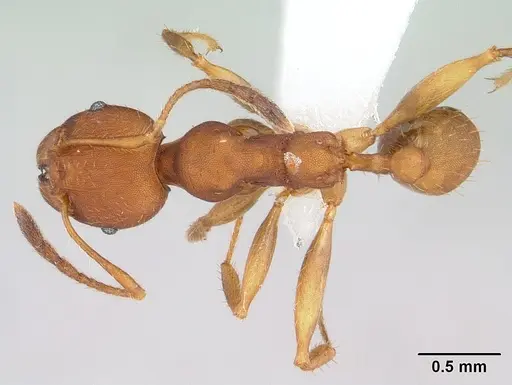
CASENT0901573
View on AntWeb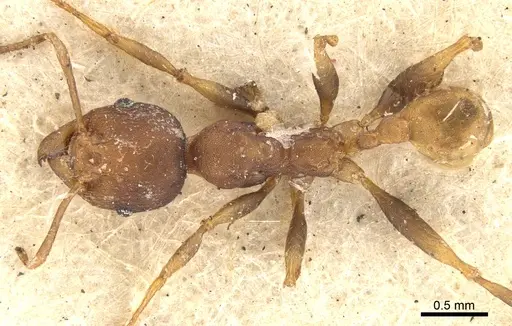
CASENT0901574
View on AntWeb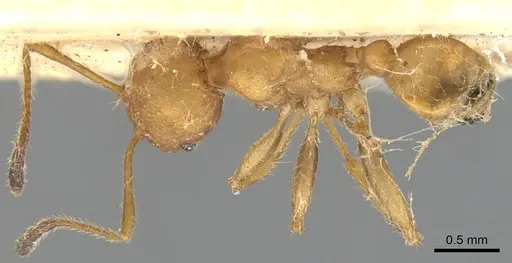
CASENT0901575
View on AntWeb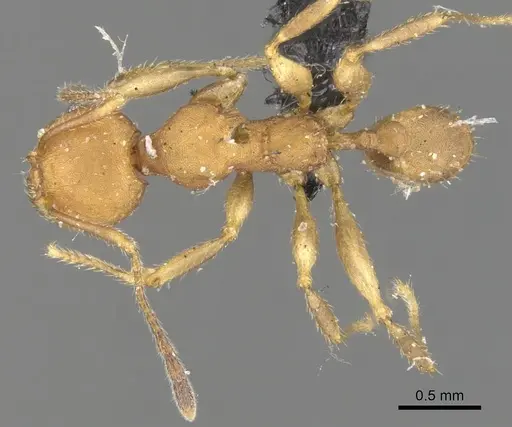
CASENT0901576
View on AntWeb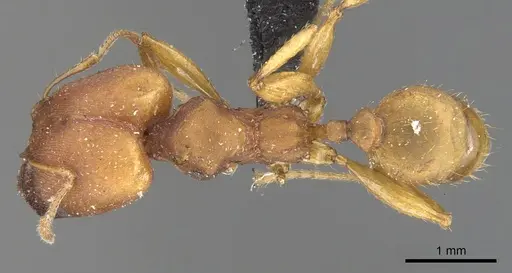
CASENT0901577
View on AntWeb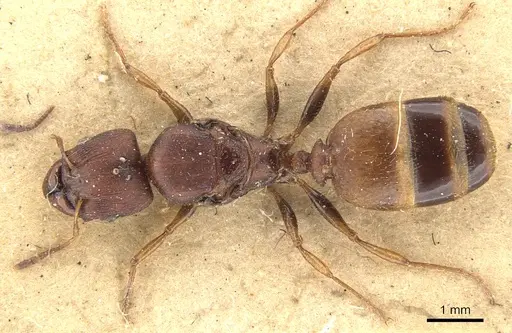
CASENT0913467
View on AntWeb
CASENT0913468
View on AntWeb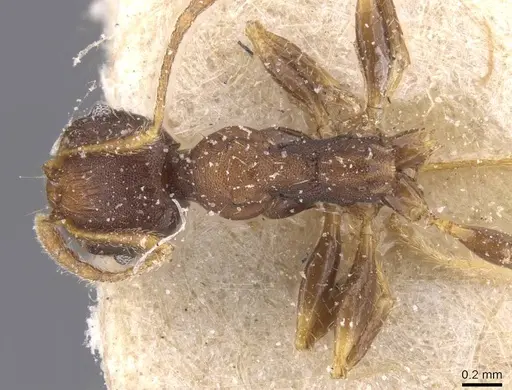
CASENT0916073
View on AntWeb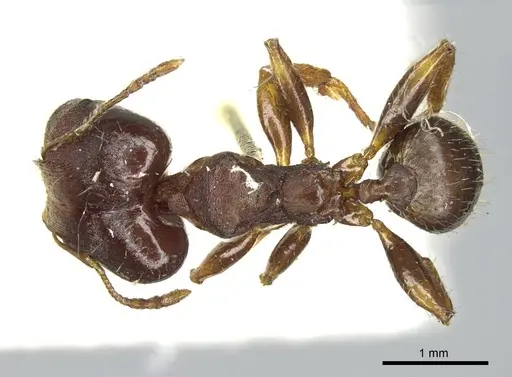
CASENT0916074
View on AntWeb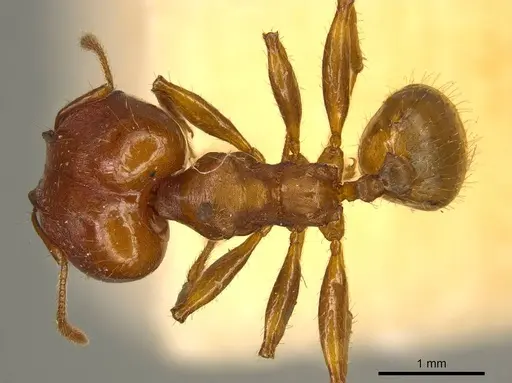
ECOFOG-IT14-0281-30
View on AntWeb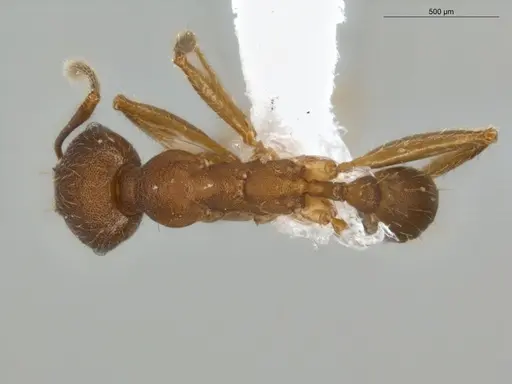
ECOFOG-IT14-0429-27
View on AntWeb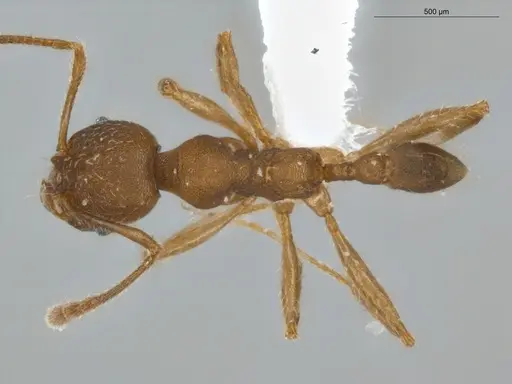
FOCOL1425
View on AntWeb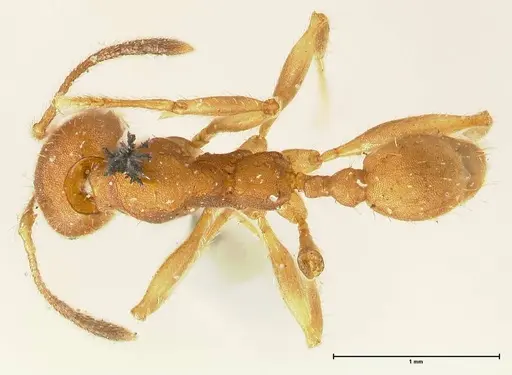
Literature
Loading...Loading products...