

Pheidole sparsisculpta
- Scientific Name
- Pheidole sparsisculpta
- Tribe
- Attini
- Subfamily
- Myrmicinae
- Author
- Longino, 2009
- Distribution
- Found in 2 countries
Pheidole sparsisculpta Overview
Pheidole sparsisculpta is an ant species of the genus Pheidole. It is primarily documented in 2 countries , including Costa Rica, Panama. Detailed taxonomic data and occurrence records can be further explored via authoritative databases such as AntWeb or the Global Biodiversity Information Facility (GBIF).
Pheidole sparsisculpta
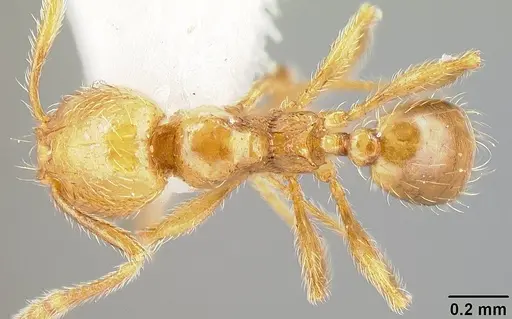
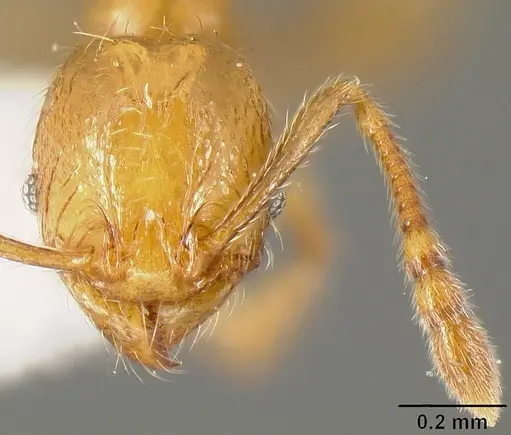
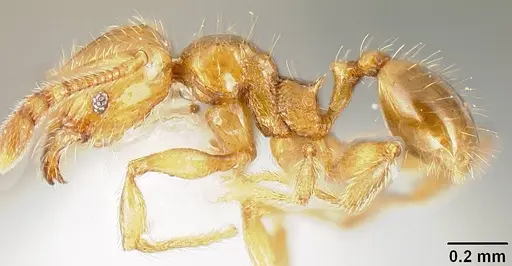
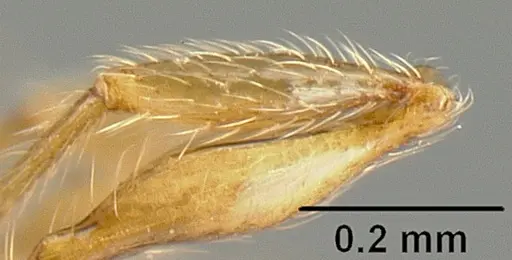
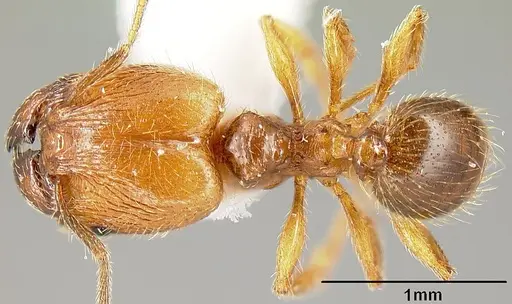
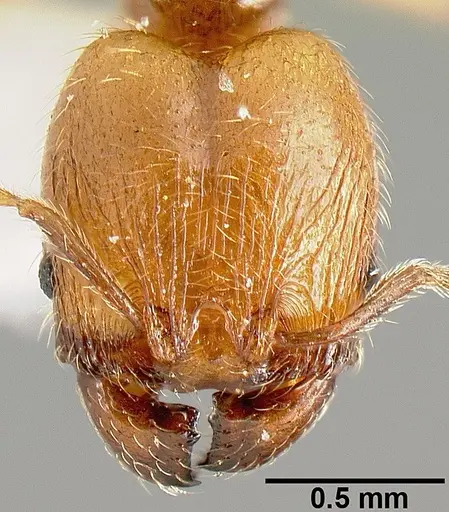
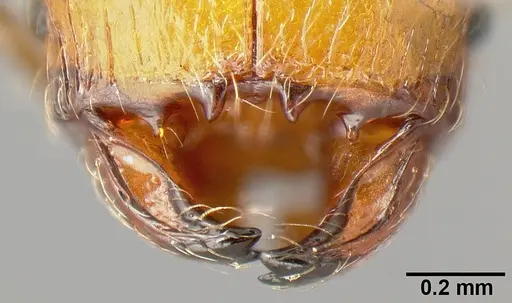
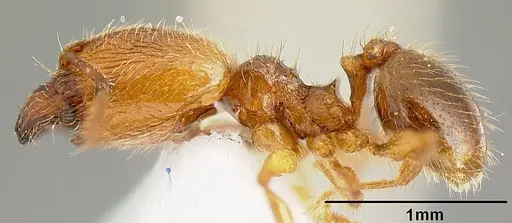
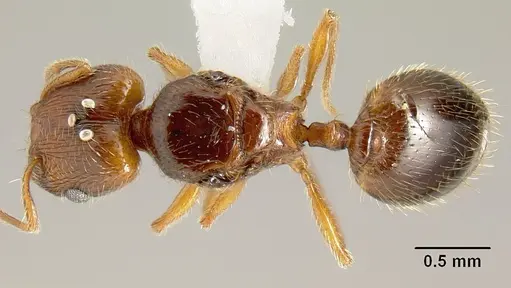
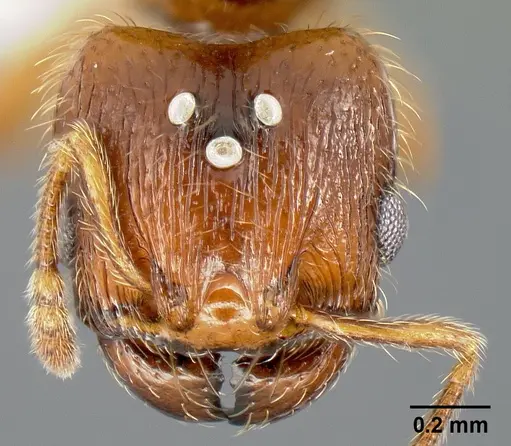
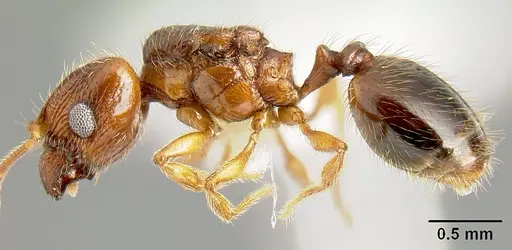
Pheidole sparsisculpta is a tiny tropical ant species described in 2009,found only in the mature wet forests of Braulio Carrillo National Park in Costa Rica. Minor workers measure just 0.45-0.54mm and have an orange coloration with relatively smooth, shiny sculpture on the face and mesosoma, this sparse sculpture is what gives the species its name. Major workers are larger at about 1mm head length and have the characteristic Pheidole head shape with a broad, squared-off posterior. This species is closely related to Pheidole debilis, and genetic analysis suggests they may even be the same species, though morphological differences keep them separate for now [1][2]. In the wild, these ants live in leaf litter on the forest floor, where minor workers are moderately abundant while major workers appear only occasionally [1].
Quick Summary
- Difficulty: Medium
- Origin & Habitat: This species is only known from the Barva Transect in Braulio Carrillo National Park, Costa Rica, found in mature wet forest at elevations between 50-1100m [1][2]. The environment is tropical rainforest with high humidity year-round.
- Colony Type: Colony structure is unconfirmed. Pheidole species are typically single-queen (monogyne) colonies, but this specific species has not been studied for colony structure. In the wild, only occasional major workers are found associated with minor workers, suggesting a typical Pheidole social structure with one queen and a mix of castes [1].
- Size & Growth:
- Queen: Undescribed, no queen measurements have been published [2].
- Worker: Minor workers: 0.45-0.54mm head length,0.41-0.49mm head width. Major workers: 1.03-1.05mm head length,0.95-0.97mm head width [2].
- Colony: Unknown, this species has not been studied in detail. Based on typical Pheidole patterns, colonies likely reach several hundred workers [2].
- Growth: Unknown, no development data exists for this species. Based on related tropical Pheidole species, expect relatively fast development of 4-8 weeks from egg to first worker at optimal temperature.
- Development: 4-8 weeks (estimated based on related tropical Pheidole species) (No direct development data exists for P. sparsisculpta. Estimates are based on typical Pheidole genus patterns for tropical species. The warm, humid conditions of their native habitat suggest faster development compared to temperate species.)
- Antkeeping:
- Temperature: Keep nest area at 24-26°C. This is a tropical species from low-elevation Costa Rica, so they need consistent warmth. A heating cable on one side of the nest can create a gentle gradient. Avoid temperatures below 22°C for extended periods, they come from a warm, stable environment [1].
- Humidity: Keep high humidity, think damp rainforest floor. The substrate should remain consistently moist but not waterlogged. This species lives in leaf litter in wet forest, so they need humidity levels around 70-80%. Use a water reservoir in your formicarium and mist occasionally, but let the substrate dry slightly between waterings to prevent mold [1].
- Diapause: No, this is a tropical species from Costa Rica where temperatures remain warm year-round. They do not require hibernation or winter rest. Keep them at consistent temperatures year-round [1].
- Nesting: In captivity, these tiny ants do well in Y-tong (AAC) nests or plaster nests that hold humidity well. Because they're so small, they need tight-fitting connections and narrow chambers scaled to their size. A naturalistic setup with moist soil and leaf litter also works well, mimicking their natural leaf-litter habitat. Avoid dry nests, they need moisture to survive [1].
- Behavior: Pheidole sparsisculpta has a typical Pheidole temperament, they're not aggressive but will defend their nest if threatened. Minor workers are very small and numerous, while major workers (soldiers) have the characteristic large heads used for seed processing and colony defense. They're not known to be escape artists in terms of climbing, but their tiny size means they can slip through small gaps. Expect moderate activity levels with workers foraging individually for food. They likely forage for small insects and tend honeydew-producing insects in the wild [1][2].
- Common Issues: high humidity is critical, these rainforest ants die quickly in dry conditions, tiny size means escape prevention must be excellent, use fine mesh and tight-fitting lids, lack of development data means you may need to experiment with conditions, wild-caught colonies may have parasites from leaf-litter collection methods, overheating is a risk, keep away from direct sunlight and excessive heat sources
Nest Preferences and Housing
Pheidole sparsisculpta is a leaf-litter ant that naturally lives in the moist upper layers of forest floor debris. In captivity, they do best in setups that mimic this environment. Y-tong (acrylic) nests with built-in water reservoirs work well because they hold humidity consistently. Plaster nests are another good option, the ants can tunnel into moist plaster, and it helps maintain the humidity they need. Because minor workers are only about 0.5mm, the chambers and tunnels should be relatively small and tight-fitting. A naturalistic setup with a layer of moist soil, leaf litter, and small pieces of decaying wood also works well and lets you observe their natural behaviors. Whatever setup you choose, ensure the nest area stays humid while providing a dry outworld area for foraging. [1][2]
Feeding and Diet
Like most Pheidole species, these ants are omnivorous and will accept a variety of foods. In the wild, they forage for small insects, seeds, and honeydew from aphids and scale insects. In captivity, offer protein sources like small crickets, mealworms, fruit flies, and other tiny insects. Sugar sources are also important, they will readily accept honey water or sugar water, especially if you're not providing enough insect prey. Because they're so small, prey items should be appropriately sized, fruit flies and pinhead crickets work well. Feed them a few times per week, removing any uneaten food after 24 hours to prevent mold. The major workers (soldiers) have large heads and can process seeds, so you could occasionally offer small seeds as enrichment. [1]
Temperature and Humidity Management
This is a tropical species, so temperature and humidity control are both important. Keep the nest area at 24-26°C, consistent warmth is key. You can use a small heating cable on one side of the nest to create a gentle temperature gradient, but be careful not to overheat. Place the heating on top of the nest, not underneath, to avoid drying out the substrate too quickly. Humidity should be high, around 70-80%. The substrate should feel consistently moist but not soggy. In a Y-tong nest, the built-in water reservoir usually handles this. In a plaster or soil nest, check the substrate regularly and mist when the surface starts drying. Provide a water test tube as a drinking source, even though they get most moisture from their food and substrate. [1][2]
Behavior and Colony Structure
Pheidole sparsisculpta has the typical Pheidole social structure with distinct minor and major worker castes. Minor workers are tiny and make up the majority of the forager population. Major workers are larger and have the characteristic broad, squared heads that give Pheidole their common name of 'big-headed ants.' The majors serve as soldiers and food processors. In the wild, major workers are found only occasionally alongside the abundant minors, which is typical for the genus. The colony will likely grow over time as the queen produces more workers. Unlike some ants, Pheidole colonies don't typically produce massive numbers of queens, expect one established queen per colony. Workers are not particularly aggressive but will bite if the nest is disturbed. Their small size means they're not a danger to humans. [1][2]
Growth and Development
No specific development timeline exists for this species, but it follows typical Pheidole patterns. The queen is likely claustral, she seals herself in a chamber and uses stored energy to raise the first brood without foraging. First workers (nanitics) will be smaller than normal workers and are produced within 4-8 weeks under optimal conditions. After the first workers emerge, the colony enters a growth phase as more brood is raised. The colony will expand gradually, with worker numbers increasing over months to years. Major workers typically appear once the colony reaches a certain size, which in the wild seems to be relatively small given that majors are only occasionally found. Be patient, small leaf-litter ant colonies grow more slowly than large, aggressive species like some Camponotus. [1]
Acclimation and Handling
When you first obtain a colony, give them time to settle into their new environment. Avoid disturbing them for at least a week after setup. Place the nest in a quiet area away from vibrations, direct sunlight, and temperature extremes. Because they're from a stable tropical environment, sudden changes in temperature or humidity can stress them. When the colony is established, you can observe them during feeding and maintenance, but avoid excessive disturbance. These tiny ants are not handleable, they're for observation, not interaction. If you need to move them, the best method is to connect the nest to a new enclosure and let them relocate themselves, or gently coax them with a soft brush if absolutely necessary. [1]
Frequently Asked Questions
How long does it take for Pheidole sparsisculpta to produce first workers?
No specific data exists for this species, but based on related tropical Pheidole species, expect 4-8 weeks from egg to first worker at optimal temperature (24-26°C). The first workers will be smaller (nanitics) and the colony will grow gradually after that.
What do Pheidole sparsisculpta ants eat?
They accept a varied diet including small insects (fruit flies, pinhead crickets, mealworms), sugar water or honey, and occasionally seeds. Offer protein several times per week and keep sugar water available constantly.
Do Pheidole sparsisculpta ants need hibernation?
No. This is a tropical species from Costa Rica where temperatures remain warm year-round. They do not require hibernation or winter cooling. Keep them at consistent temperatures year-round.
What temperature should I keep Pheidole sparsisculpta at?
Keep nest temperatures at 24-26°C. This is a tropical lowland species from elevations up to 1100m in Costa Rica. A heating cable on one side of the nest can help maintain warmth, but avoid overheating.
Are Pheidole sparsisculpta good for beginners?
This species is suitable for intermediate antkeepers. While not difficult to keep, they require specific conditions (high humidity, tropical temperatures) that need attention. Their small size also requires good escape prevention. The main challenge is the lack of species-specific care data, you may need to adapt based on colony behavior.
How big do Pheidole sparsisculpta colonies get?
Colony size is not documented for this species. Based on typical Pheidole patterns and their small size, colonies likely reach several hundred workers over time. Major workers appear only occasionally in the wild, suggesting the colony doesn't need to be huge before producing them.
Can I keep multiple queens together?
Not recommended. Pheidole species are typically single-queen (monogyne) colonies. While specific data is lacking for this species, combining unrelated queens has not been documented and would likely result in fighting. Start with one queen for best success.
What humidity do Pheidole sparsisculpta need?
High humidity around 70-80%. These are rainforest ants from wet forest leaf litter. Keep the nest substrate consistently moist but not waterlogged. A Y-tong nest with water reservoir or a plaster nest works well for maintaining humidity.
When should I move Pheidole sparsisculpta to a formicarium?
Start them in a test tube setup for the founding phase. Once the colony has 20-30 workers and you see they're doing well, you can move them to a formicarium. For this small species, a Y-tong or plaster nest with appropriately sized chambers works well.
Why are my Pheidole sparsisculpta dying?
The most common causes are: low humidity (critical for this species), temperatures too cold, or poor escape prevention. Also check for mold in the nest, contaminated food, or stress from excessive disturbance. Wild-caught colonies may also carry parasites from their native habitat.
References

This caresheet is licensed under CC BY-SA 4.0 .
Literature
Loading...Loading products...