

Pheidole debilis
- Scientific Name
- Pheidole debilis
- Tribe
- Attini
- Subfamily
- Myrmicinae
- Author
- Longino, 2009
- Distribution
- Found in 2 countries
Pheidole debilis Overview
Pheidole debilis is an ant species of the genus Pheidole. It is primarily documented in 2 countries , including Costa Rica, Panama. Detailed taxonomic data and occurrence records can be further explored via authoritative databases such as AntWeb or the Global Biodiversity Information Facility (GBIF).
Pheidole debilis
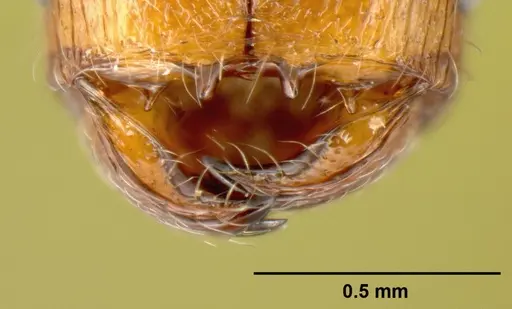
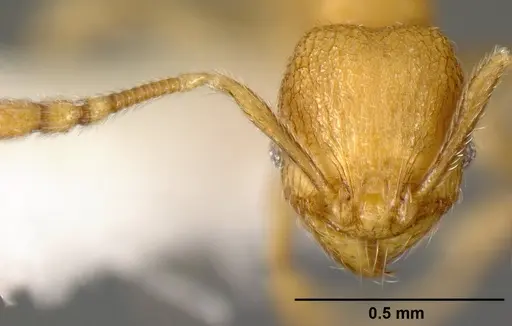
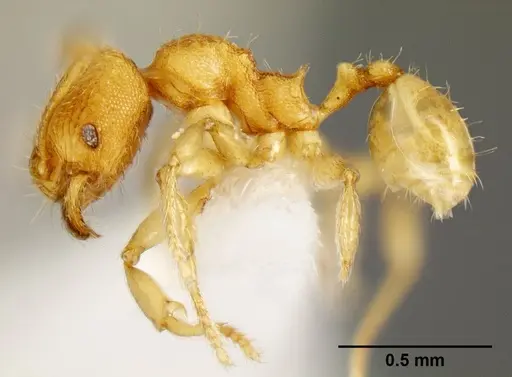
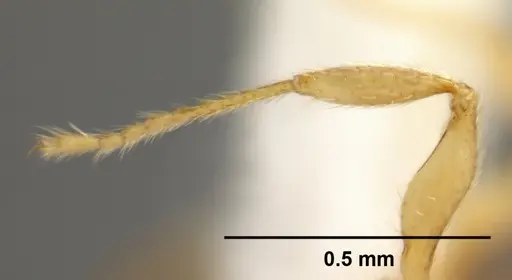
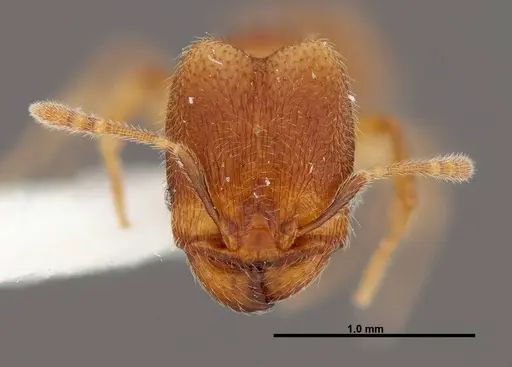
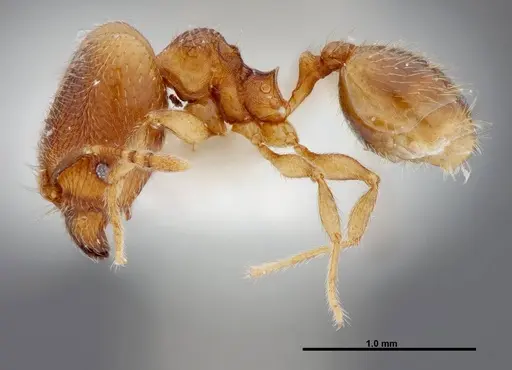
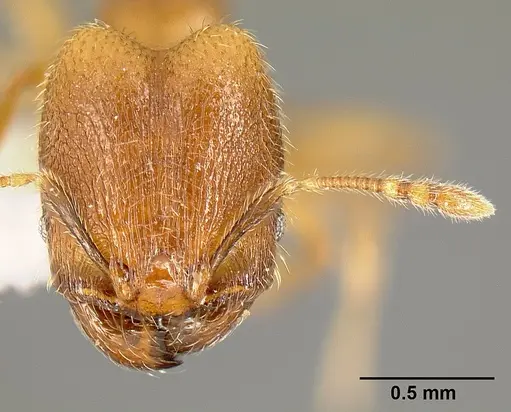
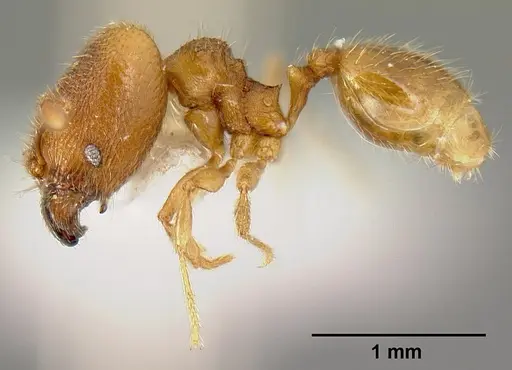
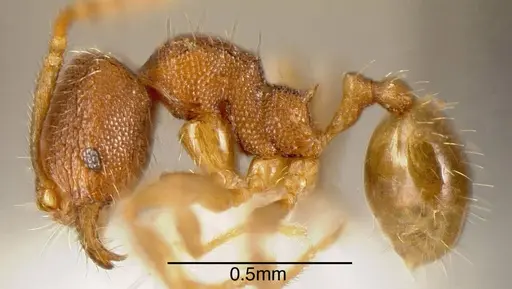
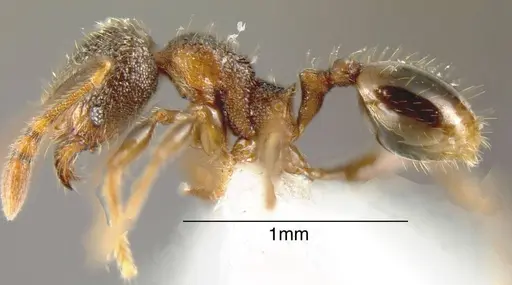
Pheidole debilis is a tiny leaf-litter ant native to the wet forests of Costa Rica. This species was formally described by Longino in 2009 and gets its name 'debilis' (meaning weak or faint) from the subtle sculpture on its major workers' faces, which is much less pronounced than in related species like Pheidole harrisonfordi [1]. Minor workers measure just 0.46-0.55mm while major workers reach 0.92-1.15mm, making them one of the smaller Pheidole species [1]. The species is most commonly found in wet forest leaf litter at elevations from near sea level (La Selva Biological Station) up to 1500m in Braulio Carrillo National Park [2].
What makes P. debilis interesting is its cryptic lifestyle, it's rarely collected at baits and is almost exclusively found through sifting leaf litter samples, making it a true specialist of the forest floor microhabitat [3]. Colonies nest in soil or rotting wood, and the species shows the typical Pheidole caste system with distinct major and minor workers that can be found together in the same samples [3].
Quick Summary
- Difficulty: Medium
- Origin & Habitat: Atlantic slope of Costa Rica, wet forest leaf litter from near sea level to 1500m elevation. Found in Braulio Carrillo National Park, La Selva Biological Station, Hitoy Cerere, Monteverde area, and southern Pacific lowlands [2].
- Colony Type: Colony structure is unconfirmed. Most Pheidole species are monogyne (single queen), but specific data for P. debilis is lacking. Major and minor workers occur together in samples [3].
- Size & Growth:
- Queen: Unknown, not described in original publication [1]
- Worker: Minor: 0.46-0.55mm, Major: 0.92-1.15mm [1]
- Colony: Unknown, likely small to moderate based on typical leaf-litter Pheidole patterns
- Growth: Moderate, inferred from typical Pheidole development
- Development: 6-10 weeks estimated based on typical Pheidole genus patterns at optimal temperature (Direct development data unavailable for this species. Estimates based on related small Pheidole species.)
- Antkeeping:
- Temperature: Keep around 22-26°C. This species comes from a warm, humid tropical forest environment where temperatures remain relatively stable year-round.
- Humidity: High humidity required, think damp forest floor. Keep nest substrate consistently moist but not waterlogged. Provide a water tube for drinking water.
- Diapause: No, as a tropical species from Costa Rica, they do not require hibernation. Maintain consistent warm temperatures year-round.
- Nesting: Natural nests are in soil and rotting wood within leaf litter [3]. In captivity, a small plaster or Y-tong nest with moist substrate works well. The tiny colony size means compact nesting spaces are appropriate.
- Behavior: This is a cryptic, secretive species that forages primarily within leaf litter and rarely comes into the open. Workers are small and not particularly aggressive. They are not known to sting and pose no danger to keepers. Their tiny size (major workers just under 1mm) makes them excellent escape artists, fine mesh barriers are essential. They are rarely attracted to baits in the wild, suggesting they may have specialized foraging preferences [3].
- Common Issues: escape prevention is critical due to their tiny size, they can squeeze through standard gaps that larger ants cannot, high humidity requirements can lead to mold problems if ventilation is inadequate, small colony sizes mean slow population growth, patience is required, wild-caught colonies may be difficult to establish due to their specialized leaf-litter habitat, feeding can be challenging, they rarely take baits in the wild, so live prey may be needed to stimulate foraging
Housing and Nest Setup
Pheidole debilis is a tiny leaf-litter ant that requires a setup replicating its natural wet forest floor habitat. In the wild, colonies nest in soil and rotting wood within accumulated leaf litter [3]. For captivity, a small plaster nest or Y-tong (acrylic) nest works well. The key is maintaining high humidity while ensuring adequate ventilation to prevent mold.
Keep the nest substrate consistently moist, these ants come from Costa Rica's wet forests where humidity is constantly high. A water tube attached to the nest provides drinking water. Because of their tiny size, use a test tube setup for founding colonies, then transition to a small formicarium as the colony grows. The nesting chambers should be appropriately scaled to the colony size, small chambers help maintain humidity and make the ants feel secure.
For the outworld, keep it simple. A small foraging area with a layer of moist substrate or sphagnum moss helps maintain humidity. Avoid large, open spaces that can stress these small ants.
Feeding and Diet
In the wild, P. debilis is rarely collected at baits, suggesting it has specialized foraging habits within the leaf litter layer [3]. This cryptic foraging behavior means they likely hunt small prey rather than scavenging openly. In captivity, offer small live prey such as fruit flies (Drosophila), springtails, or other micro-arthropods. These should be appropriately sized for their tiny majors (under 1mm head width).
Pheidole species generally accept protein sources readily. You can offer small pieces of mealworms, bloodworms, or other tiny insects. Some keepers report that Pheidole debilis will accept sugar water or honey, but this is not well-documented for this specific species. Start with protein-rich foods and observe acceptance before offering sugar sources.
Feed small amounts every 2-3 days, removing any uneaten prey after 24 hours to prevent mold. The cryptic nature of this species means they may not readily take food in the open, placing prey near the nest entrance can help.
Temperature and Humidity
As a tropical species from Costa Rica's wet forests, P. debilis requires warm, humid conditions year-round. Maintain temperatures in the 22-26°C range, this covers their natural range from lowland to mid-elevation sites. Room temperature within this range is typically suitable.
Humidity is critical. These ants live in leaf litter that stays consistently damp in the humid tropical forest understory. Keep the nest substrate moist but not waterlogged. A water tube provides both drinking water and helps maintain humidity through evaporation. Monitor for condensation inside the nest, some condensation is good, but excessive moisture leads to mold.
Unlike temperate species, P. debilis does not require hibernation or cooling periods. Maintain consistent temperatures year-round. Avoid placing the nest near air conditioning vents or drafty areas that could cause temperature fluctuations. [2]
Colony Establishment and Growth
Establishing P. debilis colonies can be challenging due to their cryptic nature and small colony sizes. If obtaining a wild-caught colony, look for nests in soil or rotting wood within leaf litter, this species is most often collected using Winkler samples (sifted leaf litter) rather than baits [3].
Once established, growth is typically moderate but slow compared to larger Pheidole species. The colony will likely remain small, probably under a few hundred workers given their leaf-litter niche. Major workers (the larger soldiers) develop as the colony grows, and their presence indicates a healthy, maturing colony.
Patience is essential with this species. The founding phase may take several months before the first workers (nanitics) emerge. After that, growth continues steadily but slowly. Do not overfeed, excess food decays quickly in the humid conditions these ants require.
Behavior and Temperament
Pheidole debilis is a calm, non-aggressive species that poses no threat to keepers. Workers are small and cryptic, spending most of their time within the nest and leaf litter layer. They are not known to sting, and their small size means any potential sting would be imperceptible to humans.
The most notable behavioral trait is their cryptic foraging. Unlike many ants that readily discover baits, P. debilis forages within the complex microhabitat of leaf litter and is rarely detected by standard collection methods [3]. This means they may be shy about taking food in captivity, placing prey near the nest entrance and providing a darkened foraging area can encourage activity.
Their tiny size makes them excellent escape artists. Even minor gaps in the enclosure will allow workers to escape. Use fine mesh barriers and ensure all connections are tight. This is perhaps the most critical aspect of keeping this species successfully.
Frequently Asked Questions
How long does it take for Pheidole debilis to have first workers?
The exact timeline is unconfirmed, but based on typical Pheidole development, expect 6-10 weeks from egg to first worker at optimal temperature (22-26°C). The founding queen will remain sealed in her chamber until her first nanitics emerge.
Can I keep multiple Pheidole debilis queens together?
The colony structure is unconfirmed for this species. Most Pheidole are monogyne (single queen), and combining unrelated queens is not recommended without evidence they can coexist. If you have multiple foundresses, house them separately.
What do Pheidole debilis eat?
They likely accept small live prey like fruit flies, springtails, and other micro-arthropods. Some Pheidole accept sugar water or honey, but acceptance is uncertain for this species. Start with small live prey and observe.
Are Pheidole debilis good for beginners?
This species is rated as Medium difficulty. While not aggressive, their small size, high humidity requirements, and cryptic habits make them more challenging than common species like Lasius or Camponotus. Experience with antkeeping is recommended.
What temperature do Pheidole debilis need?
Keep them at 22-26°C. This tropical species from Costa Rica does not tolerate cool temperatures. Room temperature within this range is typically suitable.
Do Pheidole debilis need hibernation?
No, they do not require hibernation. As a tropical species from Costa Rica, maintain warm temperatures year-round without cooling periods.
How big do Pheidole debilis colonies get?
Colony size is unknown but likely remains small, probably under a few hundred workers. This is typical for leaf-litter Pheidole species that occupy a cryptic microhabitat.
Why are my Pheidole debilis escaping?
Their tiny size makes them excellent escape artists. Use fine mesh barriers and check all connections for gaps. Even tiny gaps that larger ants cannot pass through will allow these small workers to escape.
When should I move Pheidole debilis to a formicarium?
Start in a test tube setup. Move to a small formicarium (plaster or acrylic nest) when the colony reaches 20-30 workers or the test tube becomes crowded. The small size means they don't need large spaces.
References

This caresheet is licensed under CC BY-SA 4.0 .
CASENT0608860
View on AntWeb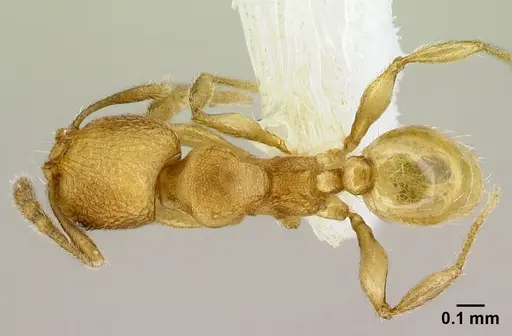
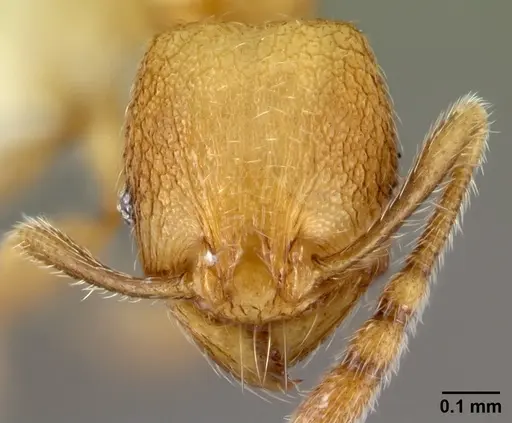
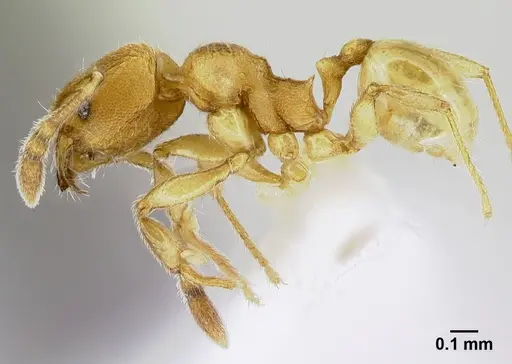
CASENT0608862
View on AntWeb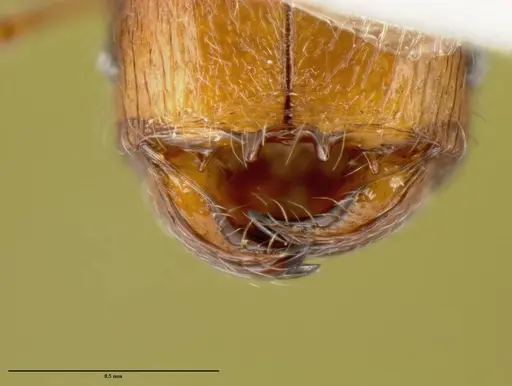
CASENT0608864
View on AntWeb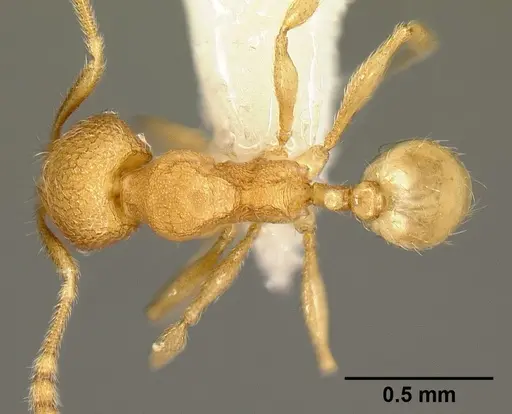
INB0003622661
View on AntWeb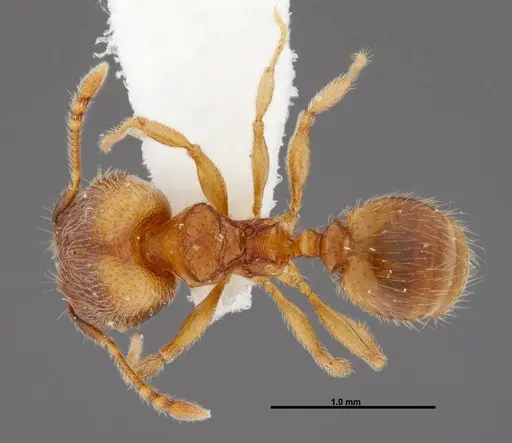
INB0003622662
View on AntWeb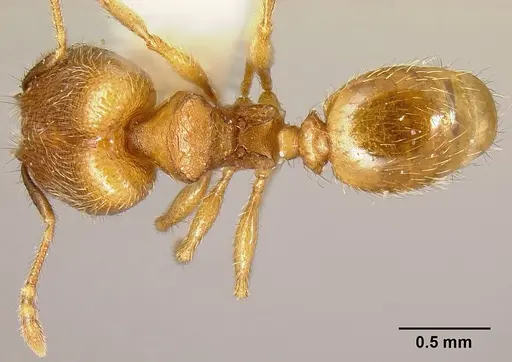
INBIOCRI001218155
View on AntWeb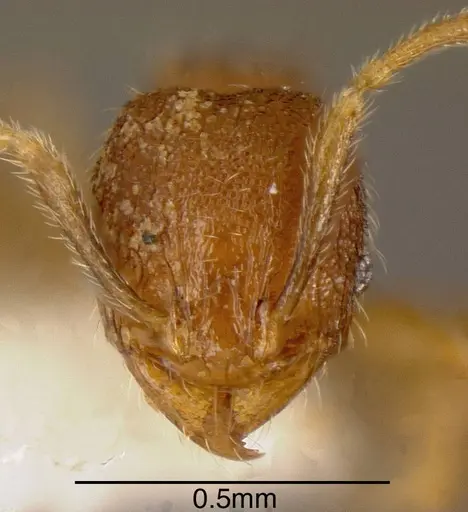
JTLC000003383
View on AntWeb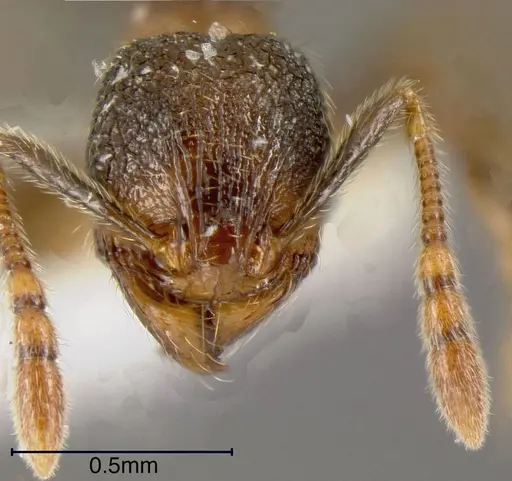
Literature
Loading...Loading products...