

Pheidole harrisonfordi
- Scientific Name
- Pheidole harrisonfordi
- Tribe
- Attini
- Subfamily
- Myrmicinae
- Author
- Wilson, 2003
- Distribution
- Found in 7 countries
Pheidole harrisonfordi Overview
Pheidole harrisonfordi is an ant species of the genus Pheidole. It is primarily documented in 7 countries , including Costa Rica, Ecuador, Guatemala. Detailed taxonomic data and occurrence records can be further explored via authoritative databases such as AntWeb or the Global Biodiversity Information Facility (GBIF).
Pheidole harrisonfordi
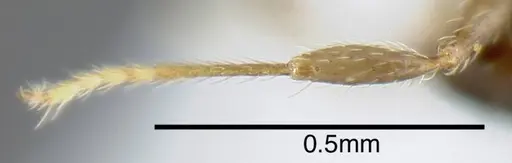
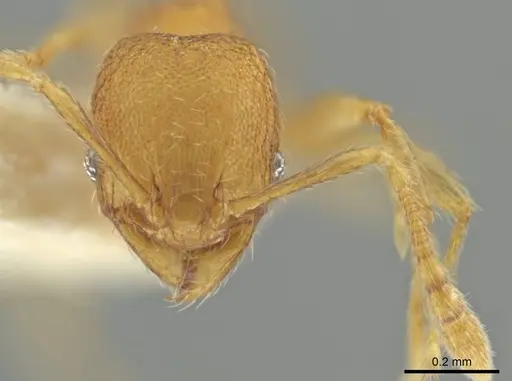
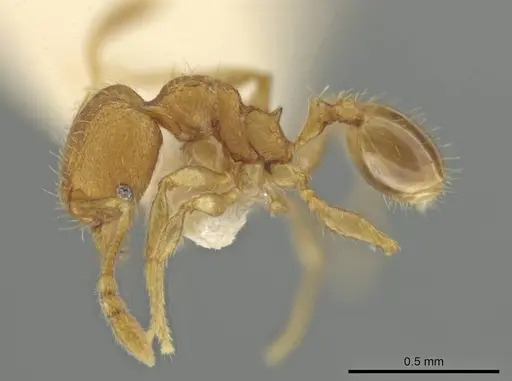
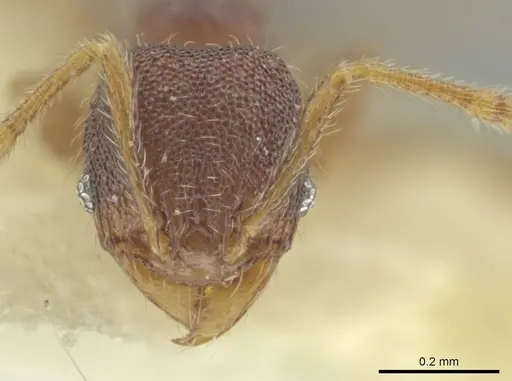
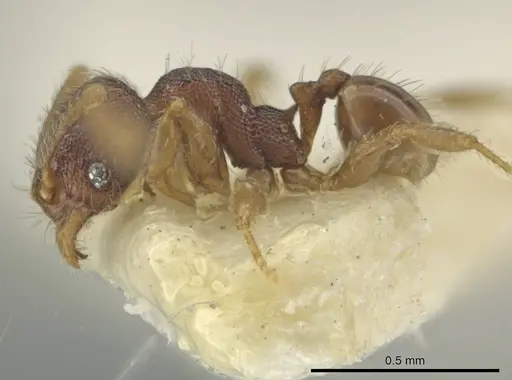
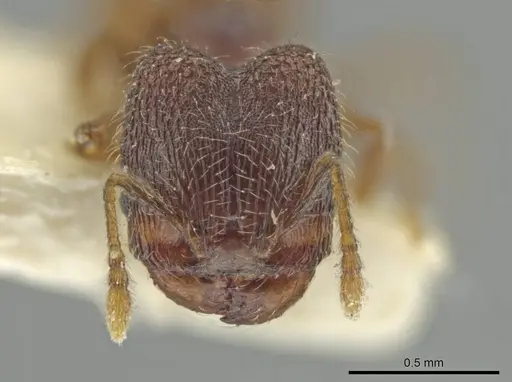
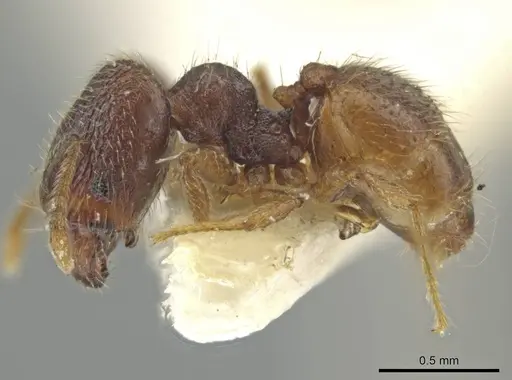
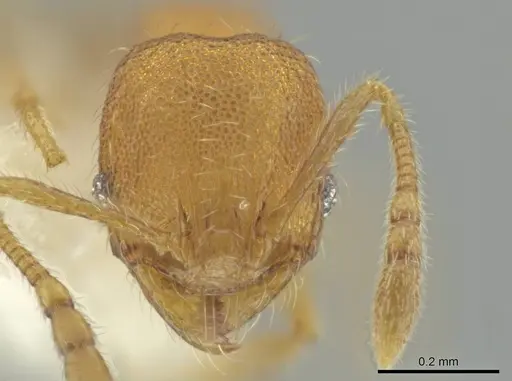
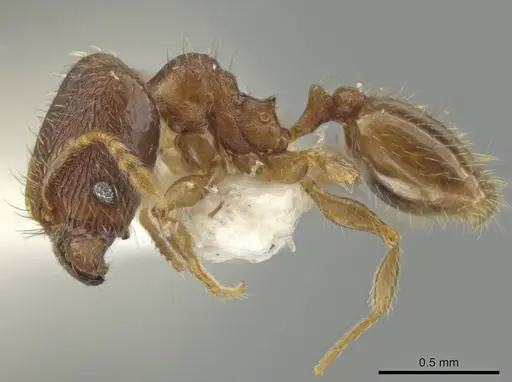
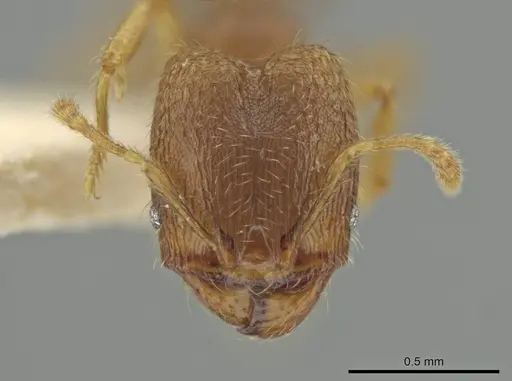
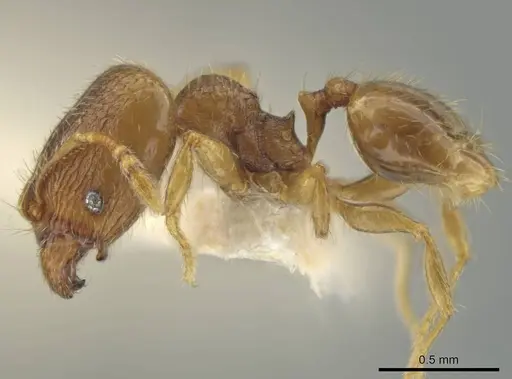
Pheidole harrisonfordi is a small, dimorphic ant species native to Central America, named in honor of actor and conservationist Harrison Ford. The species features two distinct worker castes: major workers (soldiers) with a HW of 0.65-1.00mm and minor workers at 0.36-0.47mm. Majors have a distinctive bulbous pronotum and a mesh-like rugoreticulum pattern on their face, while minors are characterized by their steep, nearly vertical descent of the posterior mesonotal face. The body coloration is light reddish brown in majors and light reddish yellow in minors, with yellow appendages. This species is part of a species complex that may eventually be divided into multiple cryptic species, as there is significant morphological variation across elevational gradients and geographic locations [1][2].
What makes this species particularly fascinating is its mysterious nesting biology. Despite being one of the most abundant ants collected in forest floor litter samples using Winkler and Berlese extraction methods across its range from Panama to southern Mexico, researchers have never actually encountered a nest in the wild [1][2]. This is extraordinarily rare for a common, widespread ant species and makes captive care somewhat speculative. The species occurs in wet forest habitats from sea level up to 1800m elevation and readily recruits to baits, suggesting active foragers with established colonies somewhere in the leaf litter layer [1][3].
Quick Summary
- Difficulty: Medium
- Origin & Habitat: Wet forest habitats in Central America, from sea level to 1800m elevation. Found in Belize, Costa Rica, Guatemala, Honduras, Mexico, Nicaragua, and Panama. Recently recorded in Colombia's Chocó region [1][4][3].
- Colony Type: Colony structure is unconfirmed. As a Pheidole species, they likely form monogyne (single queen) colonies, but this has not been directly documented. The species is dimorphic with major and minor workers [5][4].
- Size & Growth:
- Queen: Unconfirmed, no queen measurements found in available literature
- Worker: Minor: 0.36-0.47mm HW, Major: 0.65-1.00mm HW [1]
- Colony: Unknown, nest has never been found in the wild, so colony size is unconfirmed [1]
- Growth: Unknown, no development data available for this species
- Development: Unknown, no direct measurements available. Based on typical Pheidole patterns, estimate 6-10 weeks at optimal temperature (Development timeline is unconfirmed due to lack of nesting observations. Related Pheidole species typically complete development in 6-10 weeks at warm temperatures)
- Antkeeping:
- Temperature: Keep at 22-26°C as a starting point. This range aligns with wet forest ant species from Central America. Adjust based on colony activity, if workers cluster together, they may prefer warmer conditions, if they avoid the heated area, reduce temperature [1].
- Humidity: Maintain moderate to high humidity (60-80%). These ants come from wet forest habitats where moisture is consistently available. Keep the nest substrate damp but not waterlogged, with some drier areas for workers to regulate their own humidity [1][3].
- Diapause: Likely minimal or no true diapause. As a tropical wet forest species from sea level to 1800m, they probably experience year-round activity with minor seasonal slowdowns during drier periods. No specific hibernation data available [1].
- Nesting: Nesting preferences are completely unknown, no wild nest has ever been documented. Based on their abundance in leaf litter samples and recruitment to baits, they likely nest in decaying wood, under stones, or within the forest floor litter layer. For captivity, a naturalistic setup with moist substrate (like a mixing bowl or dirt farm) or a Y-tong/plaster nest with good moisture retention would be appropriate starting points. The key is providing conditions similar to their wet forest floor habitat [1][3].
- Behavior: Pheidole harrisonfordi is an active forager that readily recruits to food baits, indicating a well-developed recruitment system using pheromone trails [1]. As a dimorphic species, major workers likely assist with seed processing, nest defense, and food storage. They are not known to be particularly aggressive toward keepers but will defend their colony if threatened. Minor workers handle most foraging and brood care. Escape risk is moderate, these are small ants but not among the tiniest, so standard escape prevention measures should suffice. Their mysterious natural history means unexpected behaviors may emerge in captivity.
- Common Issues: No reference colony available, this species has never been kept in captivity, so there are no established care protocols to follow, Nesting requirements are completely unknown, you may need to experiment with different nest types to find what they accept, Growth rate is unconfirmed, expect a learning curve as the colony establishes, Because no wild nest has been found, we don't know if they prefer single chambers, multiple chambers, or diffuse nesting in substrate, Humidity requirements may be stricter than average since they come from wet forest habitats
The Mystery of Pheidole harrisonfordi
This species presents a unique challenge for antkeepers: despite being one of the most abundant ants in Central American wet forests, no one has ever found a wild nest [1]. Researchers regularly collect hundreds of workers in leaf litter extraction samples, and the species readily recruits to baits, yet the actual nest location remains a complete mystery. This is extraordinarily unusual for a common, widespread ant species. Longino (2009) suggests this may be because they nest in very small, dispersed colonies deep within the leaf litter or rotting wood, making them nearly impossible to locate [1]. For antkeepers, this means you're essentially pioneering captive care for this species, there are no established protocols to follow and unexpected challenges may arise. This also means the species may eventually be split into multiple distinct species as the complex is resolved [3].
Housing and Nest Setup
Since no one has documented where these ants nest in the wild, you'll need to experiment to find what works. Start with a naturalistic setup using moist substrate (a mixing bowl or dirt formicarium) since they come from wet forest habitats and were collected from forest floor litter [1]. The substrate should be kept consistently moist but never waterlogged. You could also try a Y-tong or plaster nest with good moisture retention, as these allow you to maintain humidity while observing the colony. Given their tiny size (minor workers are only 0.36-0.47mm), ensure any setup has no large gaps that could allow escapes. Provide a foraging area connected to the nest where you can offer food. Since they recruit to baits in the wild, they'll likely establish pheromone trails to food sources, give them space to forage. Start with the nest in a dark, quiet location and minimize disturbances during the founding stage [1][3].
Feeding and Diet
Pheidole species are typically omnivorous, feeding on seeds, dead insects, and honeydew. In the wild, P. harrisonfordi has been observed recruiting to baits, indicating they discover and communicate about food sources [1]. For captivity, offer a varied diet including: protein sources like small insects (fruit flies, pinhead crickets, mealworms), seeds appropriate to their tiny size, and sugar sources like honey water or sugar water. Since minor workers are very small, prey items should be appropriately sized. The presence of major workers suggests they can handle larger food items than some other small ant species. Feed protein 2-3 times per week and keep a sugar source available continuously. Remove uneaten food after 24-48 hours to prevent mold. If the colony accepts new foods, you've opened a valuable observation window into this poorly understood species.
Temperature and Humidity
Maintain temperatures in the 22-26°C range as a starting point. This aligns with their native wet forest habitats in Central America where temperatures are consistently warm year-round [1]. A heating cable on one side of the nest can create a temperature gradient, allowing ants to self-regulate. Watch for behavioral cues: if workers cluster near the heated area, they prefer warmer conditions, if they avoid it, reduce temperature. Humidity should be kept moderate to high (60-80%), reflecting their wet forest origin [1][3]. The substrate should feel damp to the touch. You can achieve this by misting the nest area or using a water reservoir in plaster/Y-tong nests. Good ventilation is important to prevent mold while maintaining humidity, avoid both stagnant air and excessive drying. Since no one has documented their exact requirements, observe your colony and adjust accordingly.
Colony Structure and Castes
Pheidole harrisonfordi is dimorphic, meaning colonies contain two distinct worker castes: minor workers (also called workers or media) and major workers (soldiers). Minor workers handle most day-to-day tasks including foraging, brood care, and nest maintenance, while major workers assist with seed processing, nest defense, and food storage [4]. The species shows significant size variation in majors (HW 0.65-1.00mm) and some morphological variation across its range, which is why Longino considers it a species complex that may eventually be resolved into multiple distinct species [1][3]. The queen caste has not been documented in available literature, but based on typical Pheidole genus patterns, colonies are likely founded by a single claustral queen who seals herself in a chamber and raises the first brood alone using stored fat reserves.
Behavior and Foraging
This species is an active forager that readily recruits nestmates to food sources. The observation that they recruit to baits in research studies indicates they use pheromone trails to communicate food discoveries to nestmates [1]. This makes them engaging to watch as a trail forms between the nest and a food source. They are not known to be particularly aggressive or territorial toward humans, but major workers will defend the colony if it is threatened. Their small size (minor workers are only 0.36-0.47mm) means they can slip through small gaps, so ensure your setup has tight-fitting lids and consider fine mesh if there are any openings. The mysterious nesting biology means unexpected behaviors may emerge in captivity, this is an opportunity to document something new about a species that has never been observed in captivity before.
Frequently Asked Questions
How do I keep Pheidole harrisonfordi ants?
Since no one has ever documented a wild nest for this species, captive care is somewhat experimental. Start with a naturalistic setup using moist substrate (like a dirt mixing bowl) or a Y-tong/plaster nest with good humidity retention. Keep temperatures at 22-26°C and humidity around 60-80%. Feed a varied diet of small insects, seeds, and sugar water. This is essentially pioneering care for a species with no established protocols.
What do Pheidole harrisonfordi ants eat?
Based on typical Pheidole behavior and their recruitment to baits observed in the wild, they are omnivorous. Offer small insects (fruit flies, pinhead crickets, small mealworms), appropriately sized seeds, and sugar sources like honey water or sugar water. Feed protein 2-3 times per week with a constant sugar source available.
How long does it take for Pheidole harrisonfordi to develop from egg to worker?
The development timeline is unconfirmed, no one has documented this species completing a brood cycle in captivity or in the wild. Based on typical Pheidole genus patterns, expect approximately 6-10 weeks from egg to first worker at optimal temperature (around 24-26°C). This is an estimate only.
Are Pheidole harrisonfordi ants good for beginners?
This species is not ideal for complete beginners because no established care protocols exist, you're essentially pioneering captive care for a species whose wild nesting biology has never been documented. However, experienced antkeepers interested in a unique species with no captive history may find it an exciting challenge. Expect a learning curve.
What size colony do Pheidole harrisonfordi reach?
Maximum colony size is unknown, the wild nest has never been found, so we have no data on natural colony sizes. Based on their abundance in litter samples, they may form many small colonies rather than a few large ones.
Do Pheidole harrisonfordi need hibernation?
Likely no true hibernation is needed. As a tropical wet forest species from Central America, they probably experience year-round activity with possible minor slowdowns during drier seasonal periods. No diapause has been documented for this species.
Can I keep multiple Pheidole harrisonfordi queens together?
This has not been documented. Based on typical Pheidole genus patterns, colonies are likely single-queen (monogyne), but this is unconfirmed for this species. Combining unrelated queens is not recommended without evidence they will accept each other.
What is the best nest type for Pheidole harrisonfordi?
Since natural nesting is completely unknown, you'll need to experiment. A naturalistic setup with moist substrate (dirt formicarium or mixing bowl) is a good starting point since they were collected from forest floor litter. A Y-tong or plaster nest with good moisture retention also works well. The key is maintaining high humidity while preventing escapes through tiny gaps.
References

This caresheet is licensed under CC BY-SA 4.0 .
CASENT0618015
View on AntWeb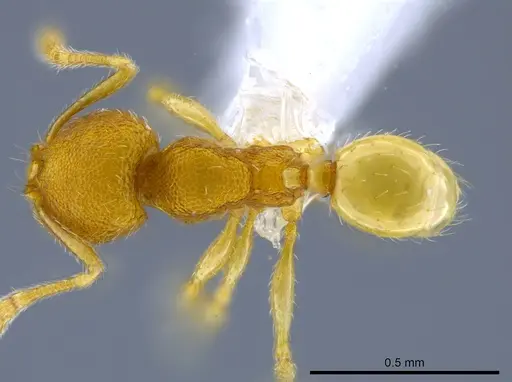
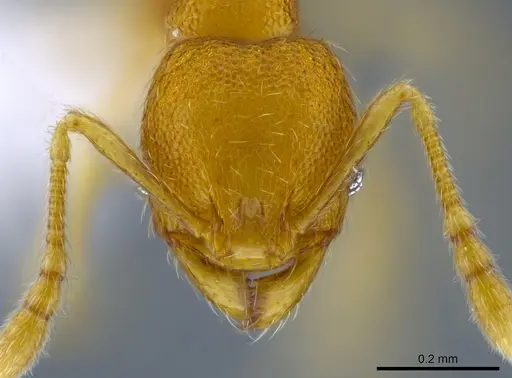
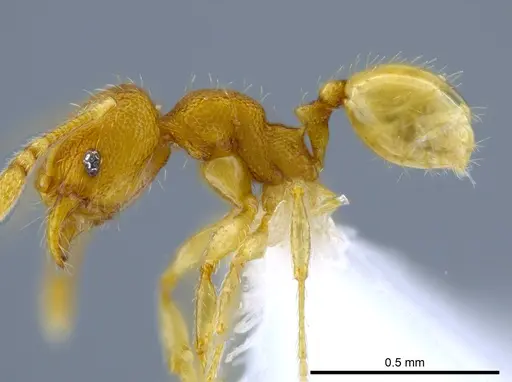
CASENT0635544
View on AntWeb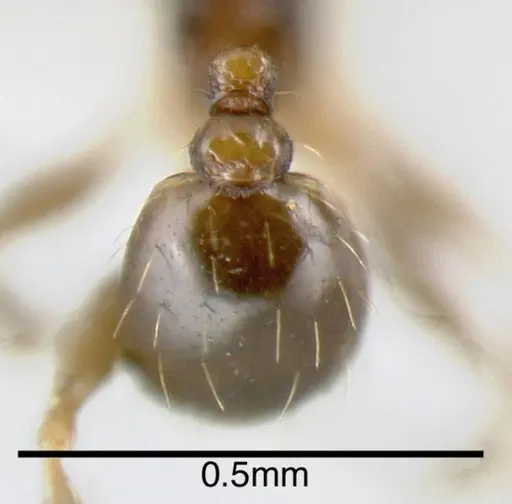
CASENT0646277
View on AntWeb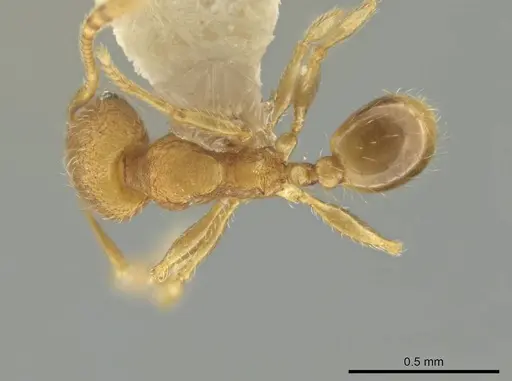
CASENT0646279
View on AntWeb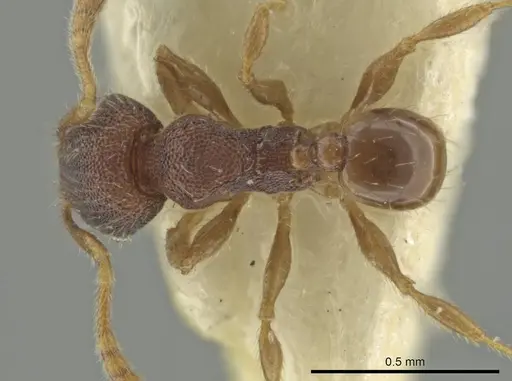
CASENT0646281
View on AntWeb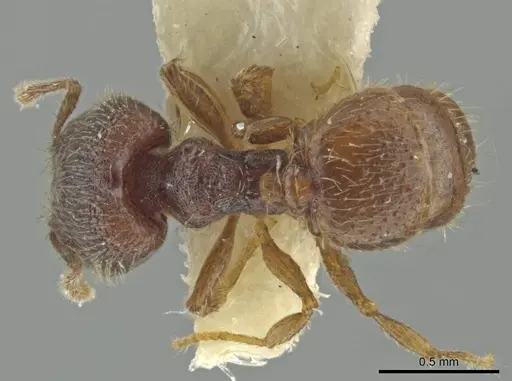
CASENT0646282
View on AntWeb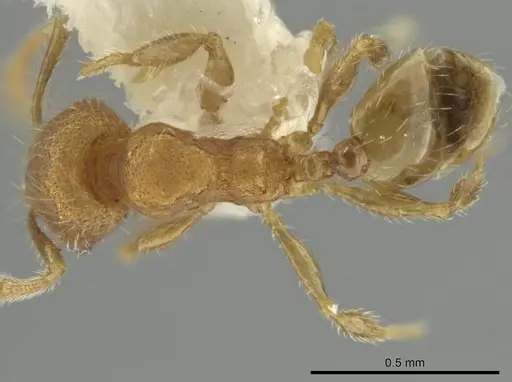
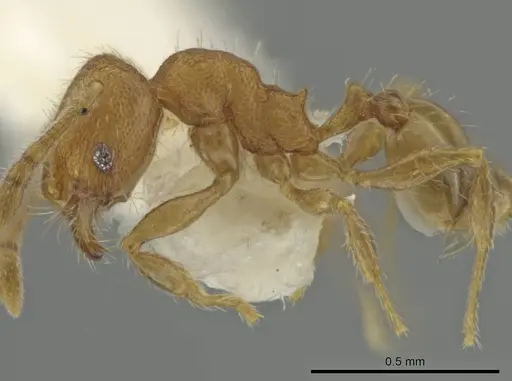
INB0003692955
View on AntWeb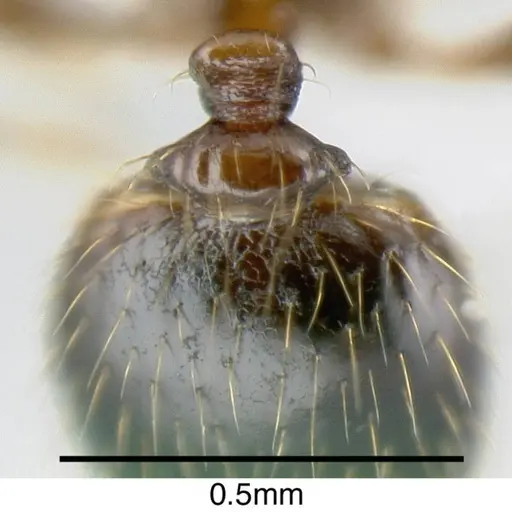
JTLC000016399
View on AntWeb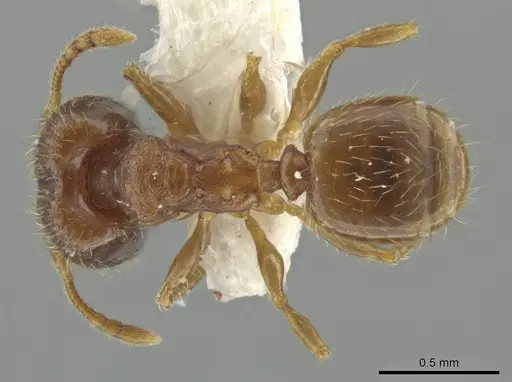
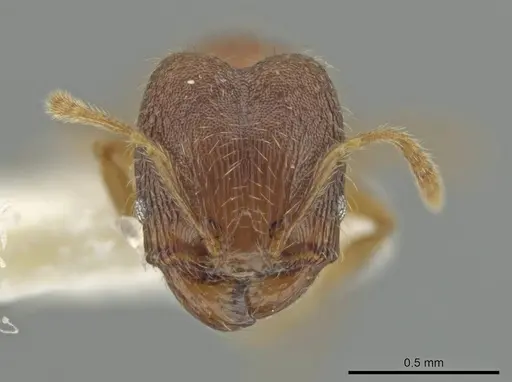
JTLC000016499
View on AntWeb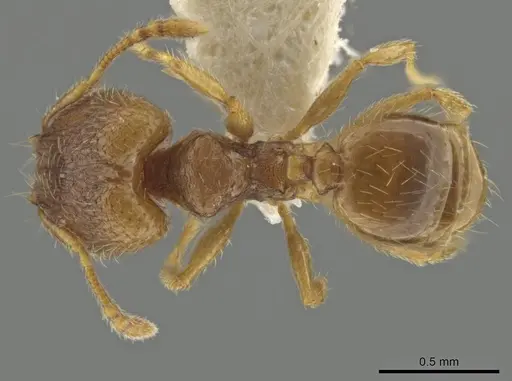
Literature
Loading...Loading products...