

Pheidole smythiesii
- Scientific Name
- Pheidole smythiesii
- Tribe
- Attini
- Subfamily
- Myrmicinae
- Author
- Forel, 1902
- Distribution
- Found in 4 countries
Pheidole smythiesii Overview
Pheidole smythiesii is an ant species of the genus Pheidole. It is primarily documented in 4 countries , including China, India, Lao People's Democratic Republic. Detailed taxonomic data and occurrence records can be further explored via authoritative databases such as AntWeb or the Global Biodiversity Information Facility (GBIF).
Pheidole smythiesii
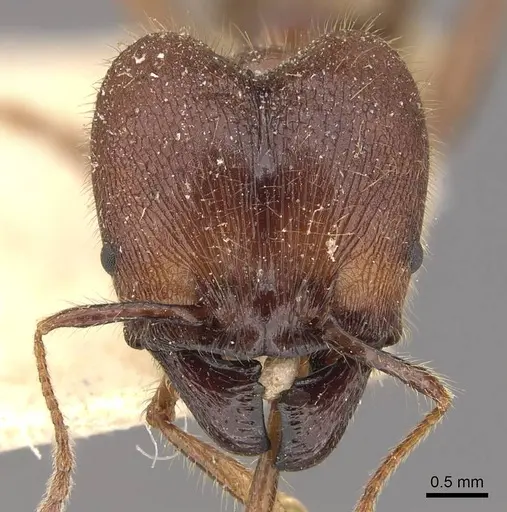
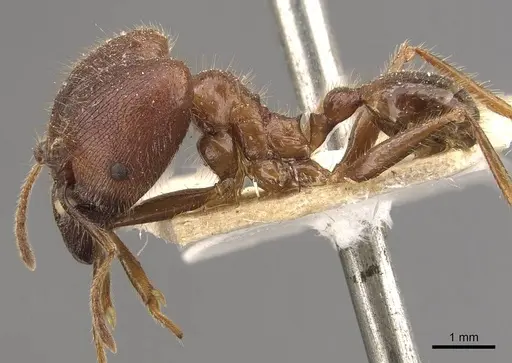
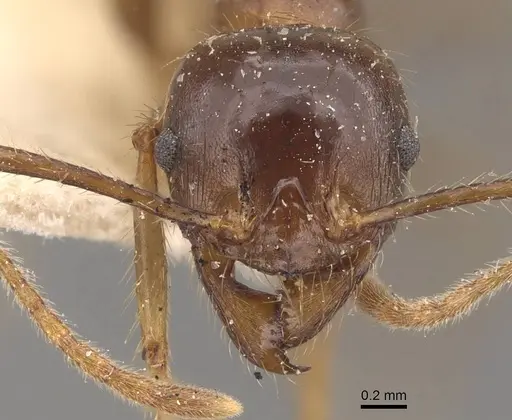
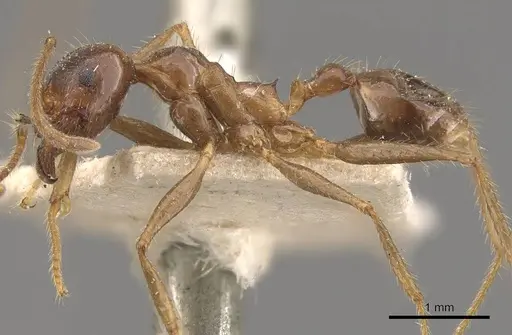
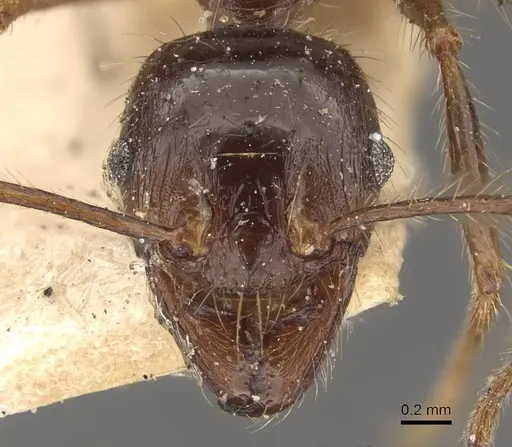
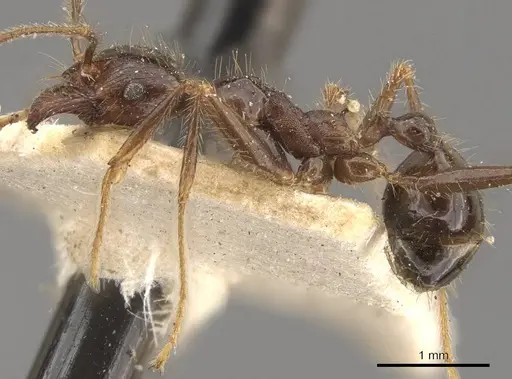
Pheidole smythiesii is a small ant species native to the Himalayan region and Southeast Asia. The species is easily recognized by its 4-segmented antennal club, a trait shared with only one other Vietnamese Pheidole species (Pheidole gatesi). Major workers have large, squared heads with longitudinally-oblique rugose patterns on the head and a distinctive prominence on the promesonotal dome. Minor workers are much smaller at 0.95-1.19mm with smooth to shagreened dorsal surfaces. This species is a member of the Pheidole smythiesii clade and has been recorded across India, Nepal, Thailand, Vietnam, and southern China at elevations ranging from 550m to 3000m [1][2]. Workers are known to tend aphid colonies (Micromyzus kalimponginsis) on Hedychium coronarium plants, making them an interesting species for observing mutualistic behaviors [1].
Quick Summary
- Difficulty: Easy
- Origin & Habitat: Native to the Himalayan region and Indo-Chinese subregions including India, Nepal, Thailand, Vietnam, and southern China. Typically inhabits woody habitats and sometimes occurs in open areas, nesting in soil [1]. Found at elevations from 550m in Yunnan secondary forests up to 3000m in the Himalayas [2][3].
- Colony Type: Monogyne (single-queen colonies). Pheidole species typically have claustral founding where the queen seals herself in a chamber and lives on stored fat reserves until first workers emerge.
- Colony: Monogyne
- Founding: Claustral
- Size & Growth:
- Queen: Estimated 6-8mm based on genus patterns (no direct measurement available)
- Worker: Major: 2.63-3.03mm, Minor: 0.95-1.19mm [1]
- Colony: Estimated several hundred workers based on typical Pheidole colony sizes
- Growth: Moderate, typical for Pheidole genus
- Development: Estimated 6-8 weeks at optimal temperature based on genus patterns (Pheidole species typically develop from egg to worker in 6-8 weeks under warm conditions. First workers (nanitics) are smaller than normal workers.)
- Antkeeping:
- Temperature: Keep at 22-26°C. This species tolerates a range of temperatures given its wide elevation range from tropical lowlands to subalpine Himalayan zones [2][4].
- Humidity: Moderate humidity around 50-70%. They nest in soil and occur in both woody and open habitats, suggesting they can adapt to varying moisture levels [1].
- Diapause: Likely required. This species is found in the Himalayan region where winters are cold, and abundance drops significantly in winter (11% compared to 27% in summer) [5]. Expect a 2-3 month cool period around 10-15°C.
- Nesting: Soil-nesting species. In captivity, a standard test tube setup works well for founding colonies. Once established, a naturalistic setup with soil or a Y-tong/plaster formicarium with moist substrate mimics their natural soil-nesting behavior [1].
- Behavior: Workers are active foragers and show seasonal variation in activity, most abundant in summer (27%), spring (18%), and autumn (16%), with lowest activity in winter (11%) [5]. They are known to tend aphid colonies, demonstrating farming behavior. Major workers have large heads but are not particularly aggressive. Escape prevention is important due to their small minor workers (under 1mm).
- Common Issues: escape prevention is critical, minor workers are very small at under 1.2mm and can squeeze through standard barriers, colonies may struggle if kept too cold, they show reduced activity in winter months, overfeeding can lead to mold in test tube setups, foundating queens may abandon nests if disturbed too frequently, lack of protein sources may limit colony growth, they need regular protein feeding
Housing and Nest Setup
Pheidole smythiesii is a soil-nesting species that adapts well to standard antkeeping setups. For founding colonies, a standard test tube setup with a water reservoir works perfectly. The tube should be kept horizontal or at a slight angle so the queen can find the water reservoir easily. Once the colony reaches 20-30 workers, you can consider moving them to a formicarium. A Y-tong (acrylic) nest or a naturalistic setup with moist soil works well for established colonies. Because minor workers are very small (under 1.2mm), ensure your escape prevention is excellent, use tight-fitting lids and consider fluon barriers on any test tube openings. The outworld can be a simple plastic container with a textured surface for traction. [1][2]
Feeding and Diet
Like most Pheidole species, P. smythiesii is omnivorous and accepts a wide variety of foods. In the wild, workers tend aphid colonies (Micromyzus kalimponginsis) on Hedychium coronarium plants, collecting honeydew as a sugar source [1]. In captivity, offer sugar water or honey water as a constant sugar source. For protein, provide small insects like fruit flies, small crickets, mealworms, or other appropriately-sized prey. Given their small size, minor workers can only handle very small prey items. Feed protein 2-3 times per week, and ensure sugar water is always available. Remove uneaten prey after 24-48 hours to prevent mold.
Temperature and Seasonal Care
This species tolerates a wide temperature range due to its distribution across different elevations from tropical Yunnan (550-675m) to subalpine Himalayas (3000m). Keep the nest at 22-26°C for optimal colony development. They can tolerate cooler temperatures given their high-altitude populations, but growth will slow below 20°C. The seasonal activity data shows this species is most active in summer (27% abundance) and least active in winter (11%) [5], suggesting they benefit from a winter cool period. Provide a 2-3 month diapause around 10-15°C during winter months, reducing food offerings during this period.
Colony Development
Pheidole smythiesii follows the typical Pheidole colony growth pattern. The claustral queen seals herself in and raises the first brood alone on stored fat reserves. First workers (nanitics) are typically smaller than regular workers. As the colony grows, you'll notice the development of major workers with their distinctive large heads, these soldiers appear as the colony reaches moderate size and help with seed processing and colony defense. Expect the colony to grow moderately over the first year, with growth accelerating in subsequent seasons. The presence of major workers is a sign of a healthy, maturing colony. [1]
Behavior and Observation
One of the most interesting behaviors to observe in P. smythiesii is their mutualistic relationship with aphids. In the wild, workers tend aphid colonies on ginger plants (Hedychium coronarium) [1]. In captivity, you might observe similar farming behaviors if aphids are available. Workers are active foragers and will readily explore their outworld for food. The species shows clear seasonal patterns, activity peaks in summer and drops significantly in winter [5]. Major workers use their large heads for seed crushing and colony defense. Watch for them responding to threats by charging or posturing.
Frequently Asked Questions
How long does it take for Pheidole smythiesii to have first workers?
Expect first workers (nanitics) to emerge in 6-8 weeks after the queen lays eggs, assuming temperatures around 24-26°C. This is typical for Pheidole species. The queen will remain claustral, sealed in her chamber, until the first workers emerge.
Can I keep multiple Pheidole smythiesii queens together?
This species is monogyne (single-queen) in structure. Combining unrelated queens is not recommended as they will likely fight. Only keep one queen per colony.
What temperature range is best for Pheidole smythiesii?
Keep them at 22-26°C for optimal growth. They can tolerate cooler temperatures down to around 15°C, especially given their Himalayan distribution, but growth will slow. Avoid temperatures above 30°C.
Do Pheidole smythiesii need hibernation?
Yes, a winter cool period is likely beneficial given their Himalayan origin. Reduce temperatures to 10-15°C for 2-3 months during winter. Activity drops significantly in winter months in the wild (11% abundance vs 27% in summer) [5].
What do Pheidole smythiesii eat?
They are omnivorous. Offer sugar water or honey water constantly, and provide protein sources like small insects (fruit flies, pinhead crickets, mealworms) 2-3 times per week. In the wild, they also farm aphids for honeydew [1].
Are Pheidole smythiesii good for beginners?
Yes, this is a good species for beginners. They are relatively hardy, adapt well to captivity, and are not aggressive. The main challenges are escape prevention due to their tiny minor workers and providing appropriate-sized prey.
When should I move my colony to a formicarium?
Move them once the test tube setup becomes crowded (typically 30+ workers). A Y-tong or naturalistic soil setup works well. Make sure to provide a connection to the outworld that prevents escapes.
Why are my Pheidole smythiesii dying?
Common causes include: too cold temperatures (keep above 20°C for active growth), escape of tiny workers through gaps, mold from overfeeding or poor ventilation, and lack of protein. Check your setup for escape routes and ensure you're feeding appropriately sized prey.
How big do Pheidole smythiesii colonies get?
Based on typical Pheidole species, expect colonies to reach several hundred workers over time. Major workers develop as the colony matures and serve as soldiers for defense and seed processing.
References

This caresheet is licensed under CC BY-SA 4.0 .
CASENT0281647
View on AntWeb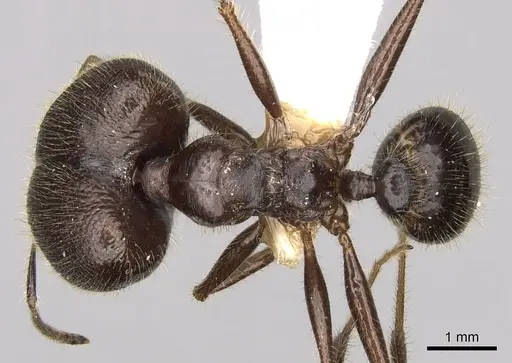
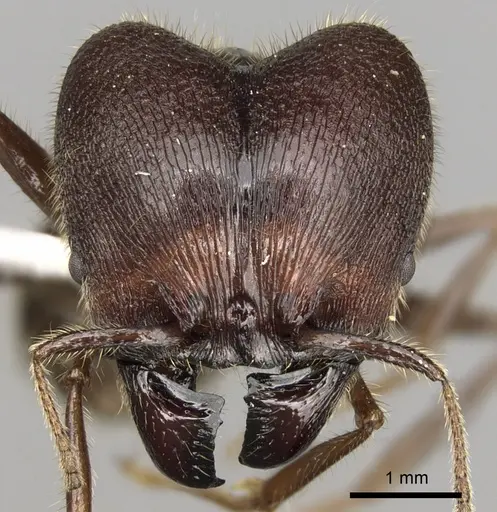
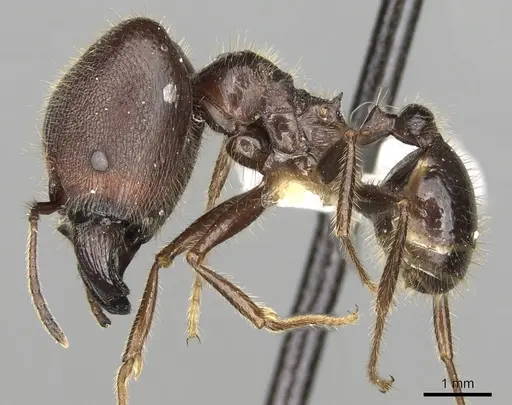
CASENT0281648
View on AntWeb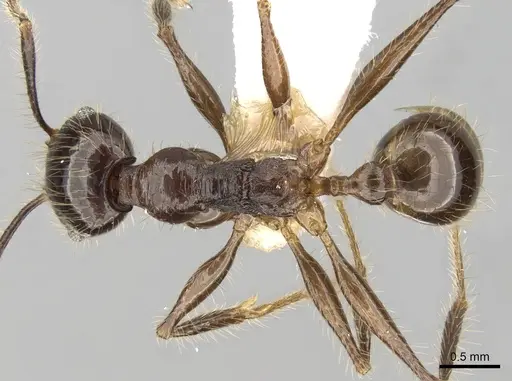
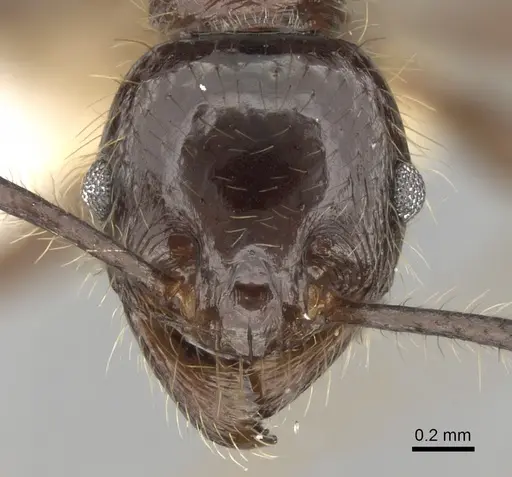
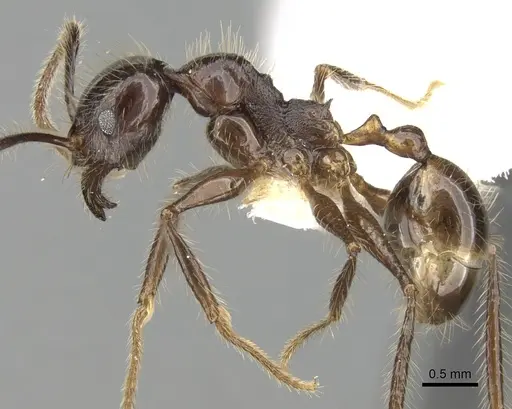
CASENT0901502
View on AntWeb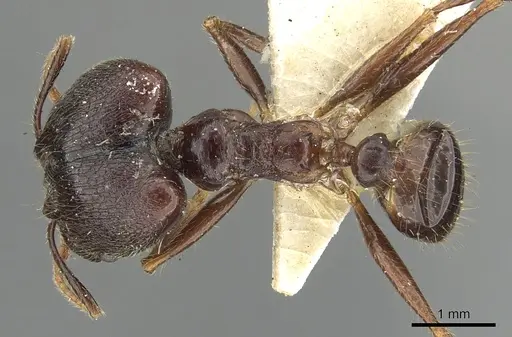
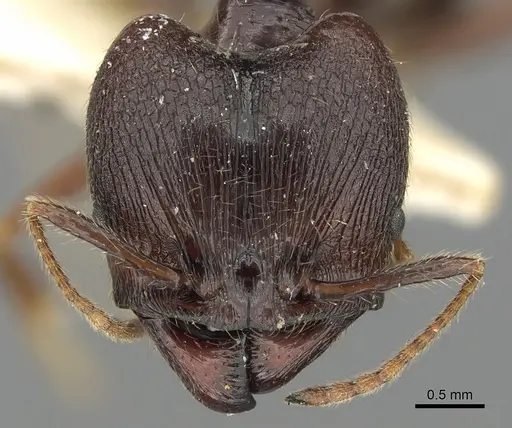
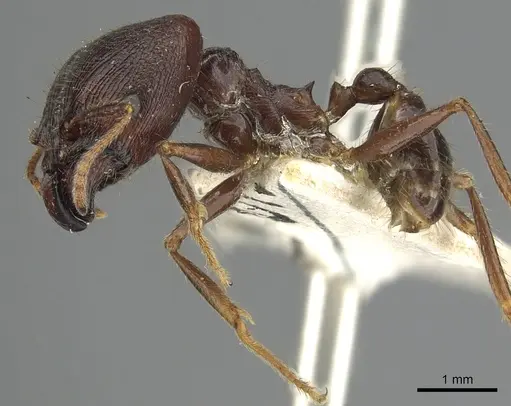
CASENT0901503
View on AntWeb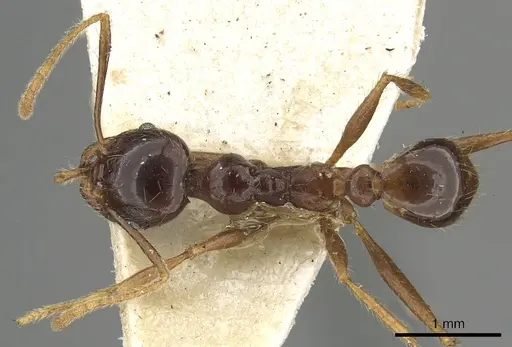
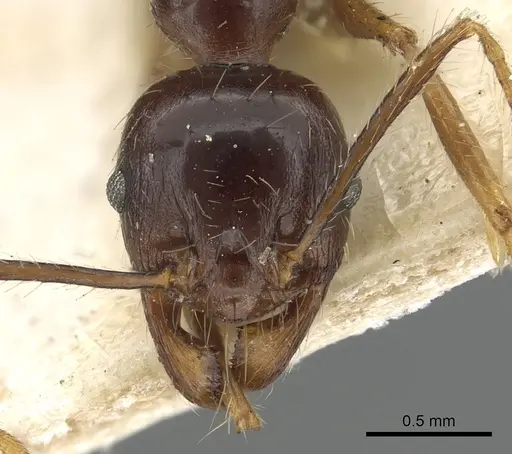
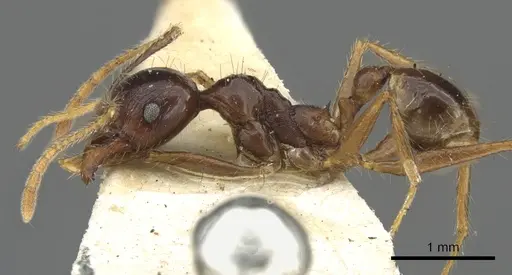
CASENT0908315
View on AntWeb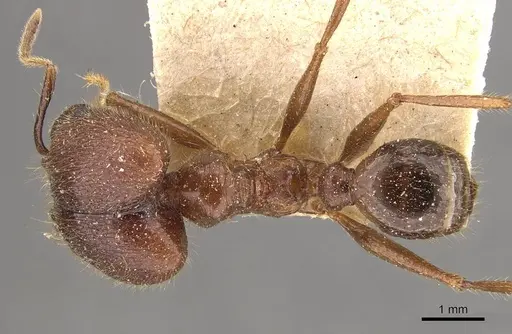
CASENT0908316
View on AntWeb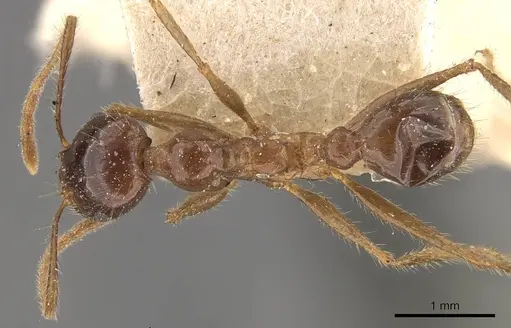
CASENT0908317
View on AntWeb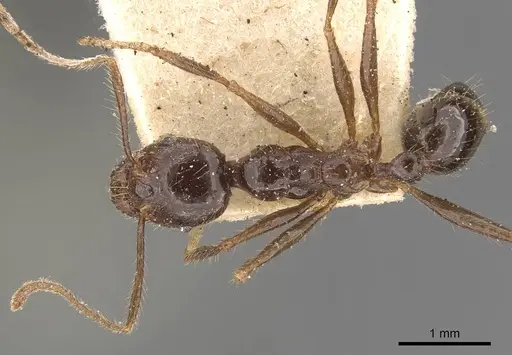
Literature
Loading...Loading products...