

Pheidole gatesi
- Scientific Name
- Pheidole gatesi
- Tribe
- Attini
- Subfamily
- Myrmicinae
- Author
- Wheeler, 1927
- Distribution
- Found in 2 countries
Pheidole gatesi Overview
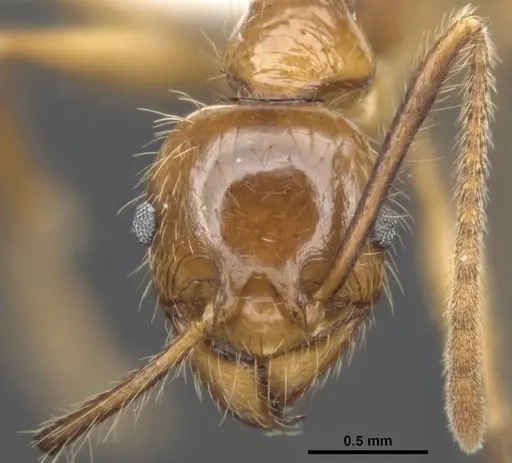
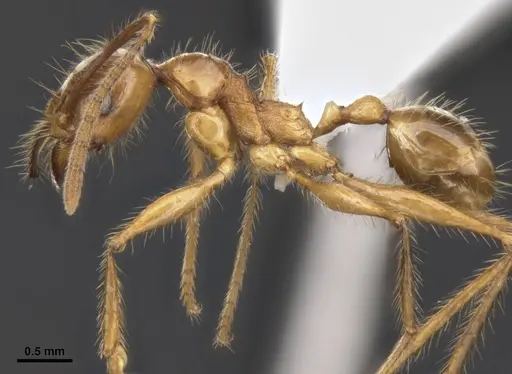
Pheidole gatesi is an ant species of the genus Pheidole. It is primarily documented in 2 countries , including Lao People's Democratic Republic, Viet Nam. Detailed taxonomic data and occurrence records can be further explored via authoritative databases such as AntWeb or the Global Biodiversity Information Facility (GBIF).
Pheidole gatesi - "Gates' Big-Headed Ant"
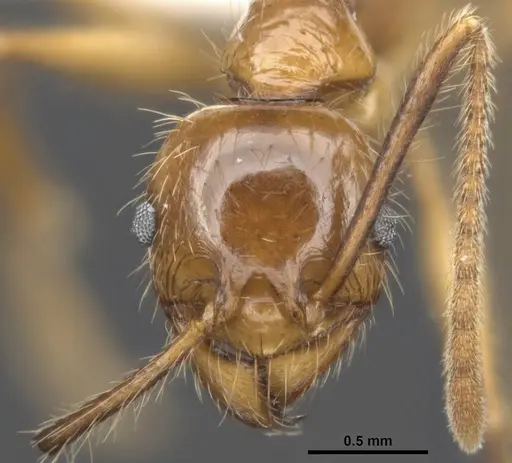
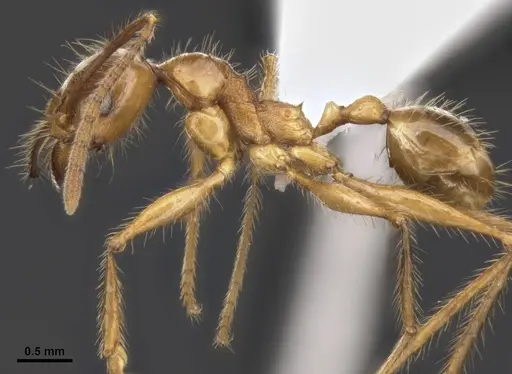
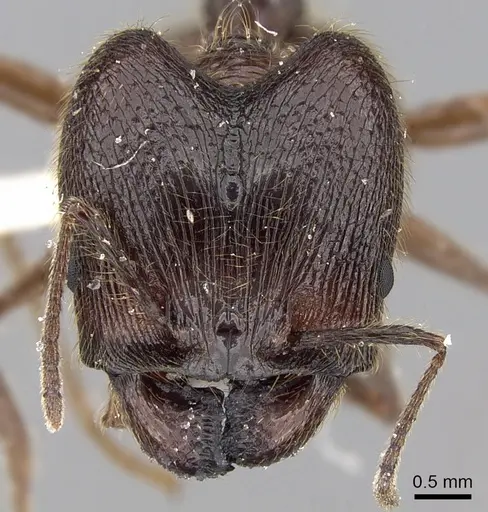
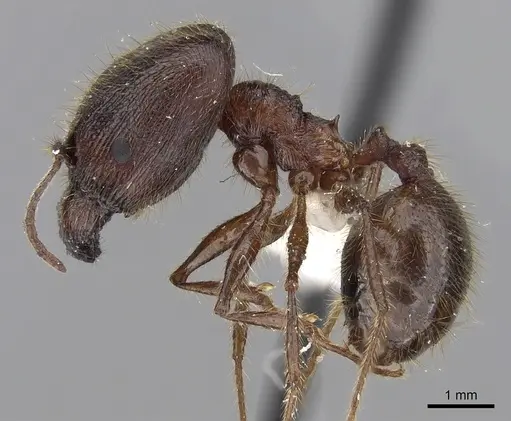
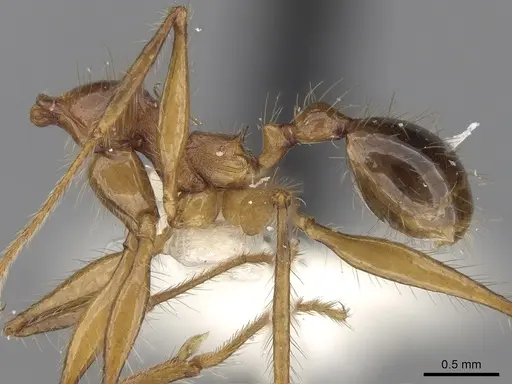
Pheidole gatesi is a fascinating ant species known for its dimorphic worker caste, meaning colonies feature two distinct types of workers: smaller minors and much larger, often imposing, majors. The minor workers typically measure around 1mm in head width, while the majors, often called 'soldiers,' boast significantly larger heads, reaching about 3mm in head width. These impressive majors are not just for defense; they are also unique in their ability to serve as repletes, storing liquid food within their swollen gasters to sustain the colony during leaner times. Originating from the woody habitats of Southeast Asia, particularly thriving in soil environments, this species exhibits active foraging and is a true marvel to observe as the colony grows and its specialized castes develop.
- Difficulty: Medium
- Origin & Habitat: Southeast Asia (Myanmar, Thailand, Vietnam, China) in Woody habitats, nests in soil, tropical and subtropical regions.
- Colony Type: Monogyne (single queen) or Polygyne (multiple queens), claustral (queen seals herself in) founding.
- Size & Growth:
- Queen: 5-8mm
- Worker: 0.89-3.08mm
- Colony: Large (tens of thousands). Fast growth.
- Antkeeping:
- Temperature: Maintain a temperature range of 22-28°C for optimal activity and brood development. A slight thermal gradient can be beneficial, allowing ants to choose their preferred temperature..
- Humidity: Keep humidity levels between 60-80% within the nest. High humidity is crucial for brood development, while workers prefer a slightly less humid environment..
- Diapause: Not required. Not specified at Not specified.
- Nesting: This species thrives in various artificial nest setups, including acrylic, Ytong, or naturalistic soil nests, mimicking their wild subterranean habits. Ensure adequate hydration systems are in place..
- Behavior: High (towards other ants/prey), Low (towards handler) aggressiveness.
- Common Issues: Mold in nest (especially from uneaten seeds), Humidity fluctuations, Colony stalling (due to improper conditions), Escape (due to fast growth and large colony size).
Pheidole gatesi colonies exhibit a fascinating dimorphism, with two distinct worker castes: the small, agile minor workers and the much larger, 'big-headed' major workers. These majors are not just for defense; they also play a crucial role in processing larger food items with their powerful mandibles. Interestingly, Pheidole gatesi majors have been observed to act as repletes, storing liquid food in their swollen gasters, which is a truly unique adaptation for food distribution within the colony.
When it comes to feeding your Pheidole gatesi colony, variety is key, as they are opportunistic scavengers. They readily accept a range of protein sources like feeder insects (crickets, mealworms, fruit flies) and sugary solutions such as honey water. However, exercise caution with seeds; while some Pheidole species consume them, P. gatesi, like many other Pheidole, may not properly store them, leading to germination and mold issues within the nest. Always ensure any seeds offered are fully consumed to avoid potential problems.
Pheidole gatesi, like many Pheidole species, are known for their rapid colony growth and impressive recruitment. A small founding colony can quickly expand into a bustling thousands-strong population, eventually reaching tens of thousands of workers. Their aggressive nature, particularly towards other ant species, makes them effective hunters, but also means careful enclosure security is paramount to prevent escapes and potential conflicts with other pet colonies.
Originating from the tropical and subtropical regions of Southeast Asia, Pheidole gatesi thrives in warmer, humid environments. Maintaining a consistent temperature between 22-28°C and humidity levels around 60-80% is crucial for their well-being and brood development. While strict diapause isn't typically required for this species, providing a slight thermal gradient within the nest can allow them to self-regulate and find their preferred comfort zones, promoting optimal health and activity.
These ants are highly communicative, especially when under threat or during foraging, utilizing pheromone trails to guide their nestmates. Their efficient communication and strong numbers make them formidable competitors in their natural habitat and a dynamic species to observe in an antkeeping setup. Providing adequate outworld space for foraging will allow you to witness their remarkable collective behaviors.

This caresheet is licensed under CC BY-SA 4.0 .
ANTWEB1008102
View on AntWeb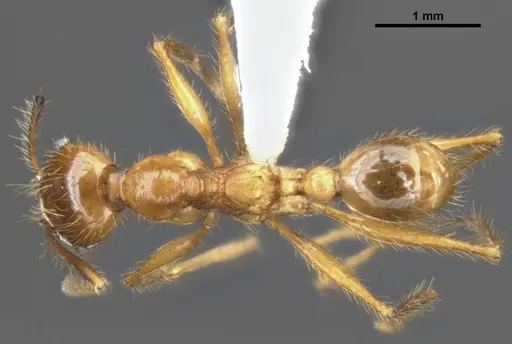
CASENT0281708
View on AntWeb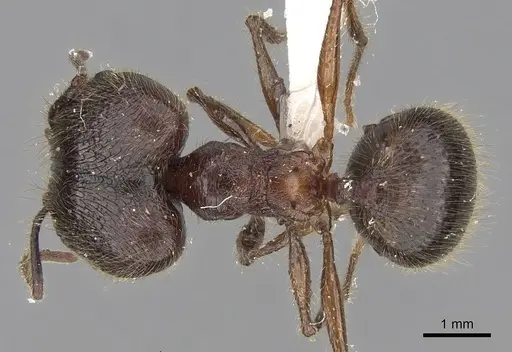
CASENT0281709
View on AntWeb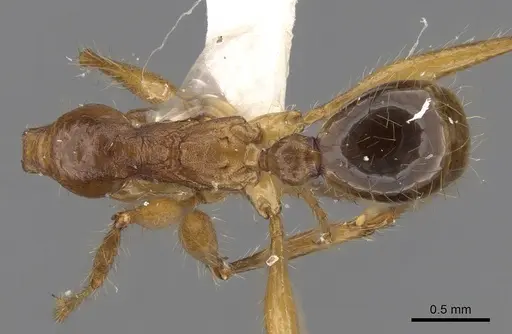
MCZ-ENT00511500
View on AntWeb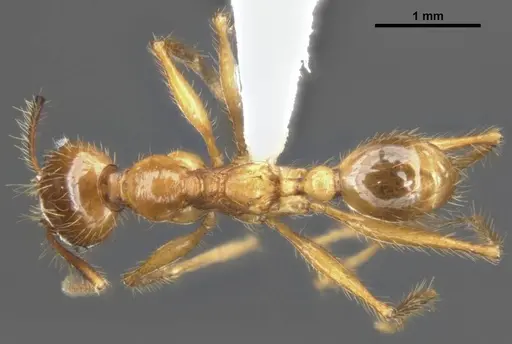
Literature
Loading...Loading products...