

Pheidole senex
- Scientific Name
- Pheidole senex
- Tribe
- Attini
- Subfamily
- Myrmicinae
- Author
- Gregg, 1952
- Distribution
- Found in 2 countries
Pheidole senex Overview
Pheidole senex is an ant species of the genus Pheidole. It is primarily documented in 2 countries , including Mexico, United States of America. Detailed taxonomic data and occurrence records can be further explored via authoritative databases such as AntWeb or the Global Biodiversity Information Facility (GBIF).
Pheidole senex
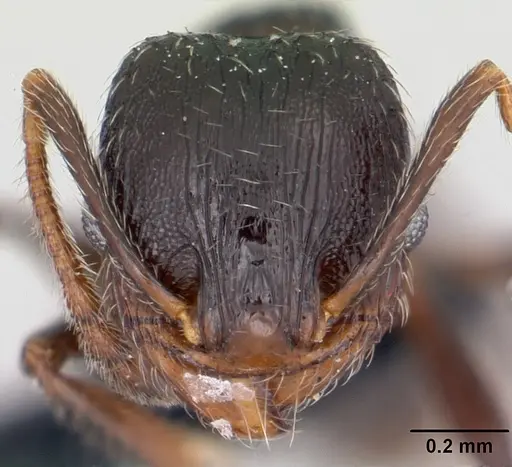
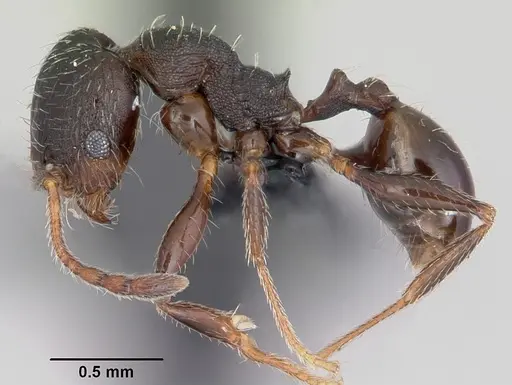
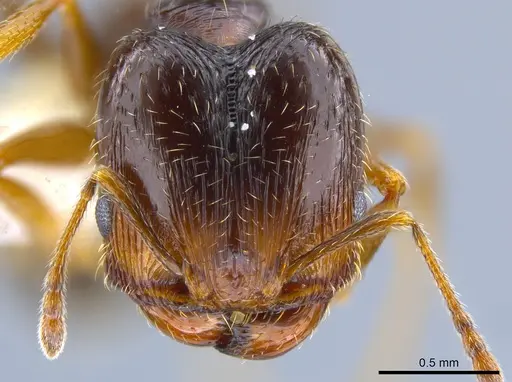
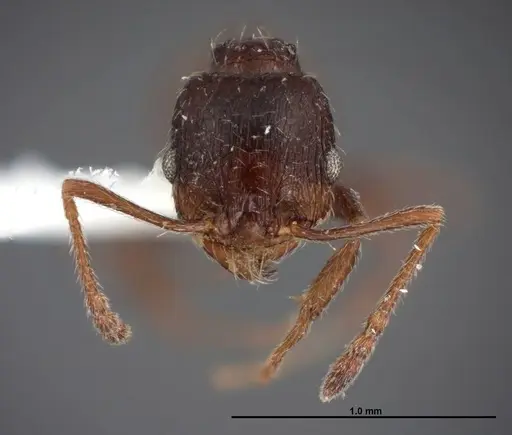
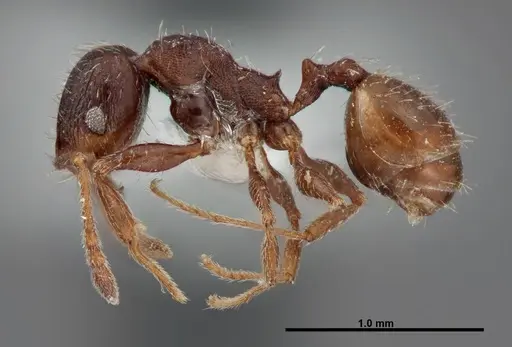
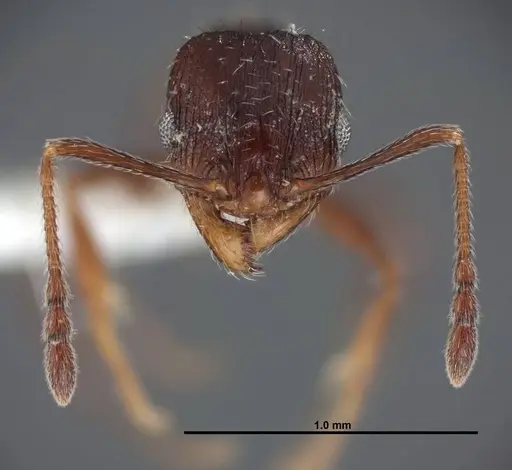
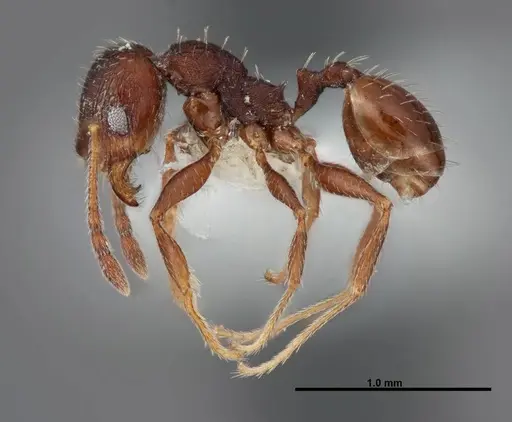
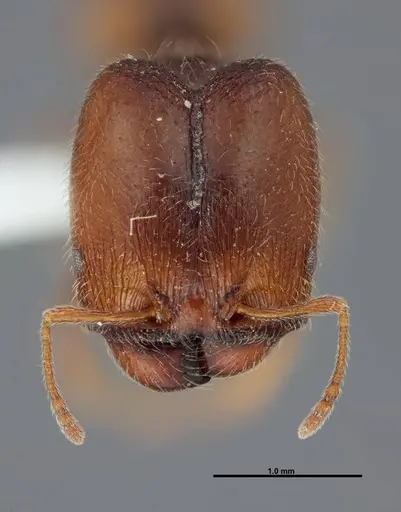
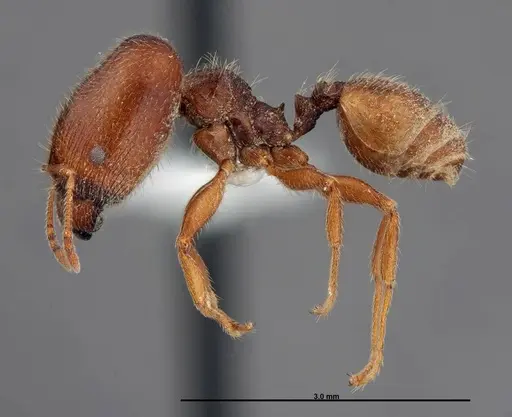
Pheidole senex is a small ant species native to the western United States and northern Mexico. Major workers have a distinctive appearance with an elongated, pointed postpetiole (the segment behind the waist) and a reddish-brown coloration, while minor workers are smaller and lighter yellow-brown. This species belongs to the 'pilifera complex' within the genus Pheidole, a group known for their heavily sculptured heads and bodies. Workers measure 0.64mm for minors and majors reach about 1.74mm in head width.
These ants inhabit grasslands, pinyon-juniper woodlands, and pine forests across their range from west-central Arizona through New Mexico to the Texas Panhandle and southern Colorado. They nest at elevations ranging from 1300m in Colorado up to 2700m in New Mexico, typically under stones, in clay soil, or even under cow manure. The species appears to be rare throughout its range.
Quick Summary
- Difficulty: Easy
- Origin & Habitat: Western United States (Arizona, New Mexico, Texas Panhandle, Colorado) and northern Mexico. Found in grasslands, pinyon-juniper woodlands, and pine forests at elevations of 1300-2700m.
- Colony Type: Single-queen colonies (monogyne), typical for Pheidole species. Queens found colonies alone and raise the first workers in a sealed chamber.
- Colony: Monogyne
- Founding: Claustral
- Size & Growth:
- Queen: Approximately 6-8mm (estimated from genus patterns)
- Worker: Minor workers: 0.64mm HW, Major workers: 1.74mm HW
- Colony: Unknown for this specific species, but typical Pheidole colonies reach several hundred workers
- Growth: Moderate, typical for Pheidole genus
- Development: 6-8 weeks (estimated based on typical Pheidole development at room temperature) (Development time is estimated from genus-level data since species-specific research is lacking. Brood has been observed in nests during April in the wild.)
- Antkeeping:
- Temperature: Keep at room temperature, around 20-24°C. This species tolerates cooler conditions given its high-elevation habitat in the American West.
- Humidity: Moderate humidity around 50-70%. Keep the nest substrate slightly moist but allow some drying between waterings. These ants naturally nest in soil that dries out between rains.
- Diapause: Yes, a winter dormancy period is recommended. Given their range into Colorado and high elevations, they likely experience cold winters and benefit from a reduced-temperature period during winter months.
- Nesting: Test tube setups work well for founding colonies. Once established, they do well in Y-tong nests, plaster nests, or naturalistic setups with soil substrate. They prefer nesting in soil with access to a dry outworld.
- Behavior: Pheidole senex is a calm, non-aggressive species. Like other Pheidole, they have major workers (soldiers) with enlarged heads that can defend the colony but are not particularly aggressive toward keepers. Foraging activity is moderate, workers search for food individually. They are not known to be escape artists, though minor workers are small so standard barrier precautions are advisable. They accept a varied diet including proteins and sugars.
- Common Issues: colonies may grow slowly, patience is needed during the founding phase, wild-caught colonies could have parasites, quarantine and observe new colonies, minor workers are small, use fine mesh on outworlds to prevent escapes, high elevation origin means they may struggle in very warm, humid environments
Housing and Nest Setup
Pheidole senex is straightforward to house. For founding colonies, a standard test tube setup works perfectly, fill a test tube with water, plug with cotton, and place the queen in the dark. The queen will seal herself in and raise her first brood without any intervention from you. Once you have 20-30 workers, you can move them to a more permanent setup.
For established colonies, Y-tong (acrylic) nests work well, as do plaster nests with soil chambers. These ants naturally nest in soil, so a naturalistic setup with a soil-filled chamber gives them the most natural feel. Provide a dry outworld for foraging, these ants do not need high humidity throughout their setup. A small water tube and consistent access to food is all they need in the outworld.
Feeding and Diet
Like most Pheidole species, P. senex is omnivorous and will accept a varied diet. Offer protein sources such as small insects (fruit flies, small crickets, mealworms), and provide sugar sources like sugar water, honey, or diluted maple syrup. In the wild, these ants forage for insect prey and likely tend aphids for honeydew.
Feed protein 2-3 times per week, offering only what the colony can consume in a day or two. Remove uneaten prey to prevent mold. Keep sugar water available at all times in a small container or cotton ball. Minor workers do the foraging and will recruit majors when larger prey items are found.
Temperature and Seasonal Care
Pheidole senex comes from high-elevation habitats in the American West, so they prefer cooler temperatures than many tropical ant species. Room temperature around 20-24°C is ideal. They can tolerate temperatures down to around 15°C without issues and may even benefit from a slight cool period during winter.
During winter (roughly November through February), you can reduce temperatures to around 15-18°C to simulate their natural seasonal cycle. This dormancy period is not strictly required but helps maintain colony health and may improve longevity. Do not feed during this reduced-activity period, but keep a small water source available.
Behavior and Colony Structure
This species displays the classic Pheidole social structure with distinct minor and major workers. Minor workers handle most tasks: foraging, caring for brood, and maintaining the nest. Major workers have enlarged heads and mandibles, their job is colony defense and processing large food items. You will see majors responding to threats or helping slice up prey that minors cannot handle alone.
The colony starts slowly during founding, the queen lays a small batch of eggs, and it takes several weeks for the first workers (called nanitics) to emerge. After that, growth picks up as more workers means more foragers. Colonies remain relatively calm and majors are not aggressive toward keepers. They do not sting and pose no danger to humans.
Growth and Development
Pheidole senex follows the typical Pheidole development timeline. After the queen seals herself in, she lays eggs which hatch into larvae. The larvae are fed by the queen until they pupate and emerge as adult workers. This process takes roughly 6-8 weeks at room temperature.
The first workers (nanitics) are smaller than mature workers but quickly take over foraging and brood care. The queen then focuses solely on egg-laying. Colony growth is moderate, expect the first major workers to appear after several months as the colony reaches around 50-100 workers. Brood has been documented in wild nests during April, suggesting a spring breeding cycle in their native range.
Where They Come From
Pheidole senex is native to the southwestern United States and northern Mexico. Their range centers on New Mexico and extends into west-central Arizona, the Texas Panhandle, and southern Colorado. They are considered rare throughout their range.
In the wild, they nest in clay soils under rocks at higher elevations (1300-2700m), in grasslands and pinyon-juniper habitats. The species was described by Gregg in 1952 and has been studied primarily in Colorado and New Mexico. It was previously classified as a subspecies of Pheidole pilifera before being recognized as a distinct species.
Frequently Asked Questions
How long does it take for Pheidole senex to raise their first workers?
Expect 6-8 weeks from egg to first worker at room temperature (20-24°C). This is typical for Pheidole species. The queen will seal herself in and raise the first brood alone without any help.
What do Pheidole senex ants eat?
They are omnivorous. Feed small insects (fruit flies, pinhead crickets, mealworms) as protein 2-3 times per week, and keep sugar water or honey available at all times. They will also eat seeds and other small organic matter.
What temperature do Pheidole senex ants need?
Room temperature (20-24°C) is ideal. They come from high-elevation habitats in the American West and can tolerate cooler conditions than many ant species. A slight drop in temperature during winter is beneficial.
How big do Pheidole senex colonies get?
Colony size is not specifically documented, but typical Pheidole colonies reach several hundred workers. This species appears to be rare in the wild, so large colonies may be uncommon even in nature.
Can I keep multiple Pheidole senex queens together?
No. This species is monogyne, colonies have a single queen. Combining unrelated queens typically results in fighting. Only one queen per colony is recommended.
Do Pheidole senex need hibernation?
Yes, a winter dormancy period is recommended. Reduce temperatures to around 15-18°C during winter months (roughly November-February). This mimics their natural seasonal cycle in the high-elevation habitats where they live.
What type of nest is best for Pheidole senex?
Test tubes work for founding colonies. Once established (20+ workers), Y-tong nests, plaster nests, or naturalistic setups with soil all work well. They naturally nest in soil under stones, so a naturalistic setup with a soil chamber is ideal.
Are Pheidole senex good for beginners?
Yes, they are a good beginner species. They are calm, do not sting, and have straightforward care requirements. The main challenges are their slow founding phase and finding a colony since they are considered rare in the antkeeping hobby.
Why are my Pheidole senex dying?
Common causes include: too much moisture (keep nest substrate only slightly moist, not wet), temperatures that are too hot (they prefer cooler conditions), or stress from disturbance during the founding phase. Also check for parasites if the colony was wild-caught.

This caresheet is licensed under CC BY-SA 4.0 .
CASENT0064828
View on AntWeb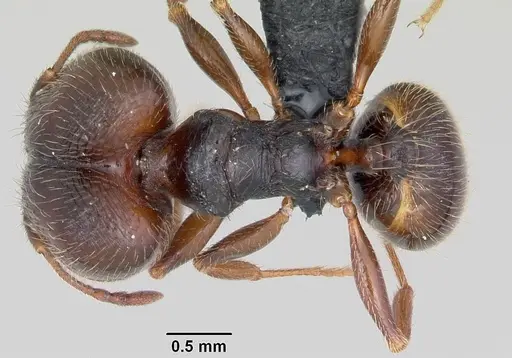
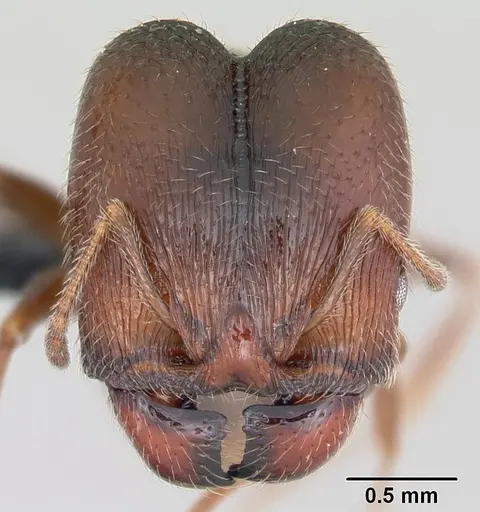
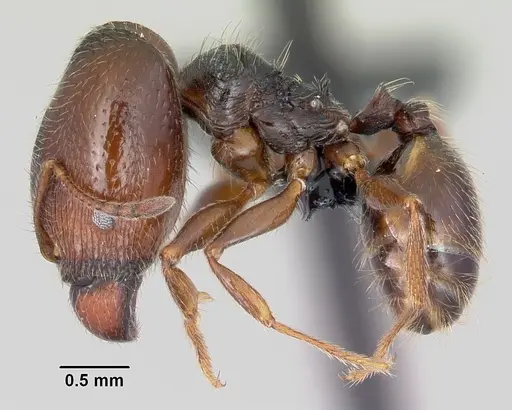
CASENT0104911
View on AntWeb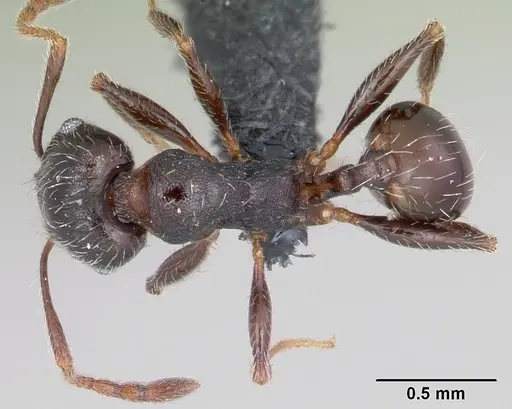
CASENT0639964
View on AntWeb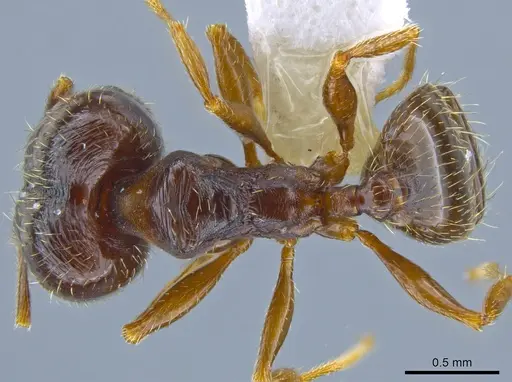
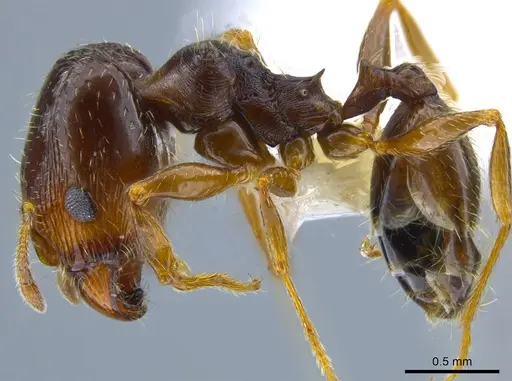
FMNHINS0000058307
View on AntWeb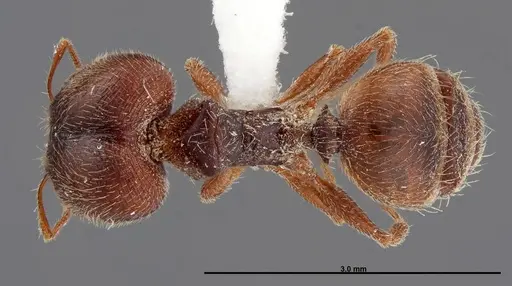
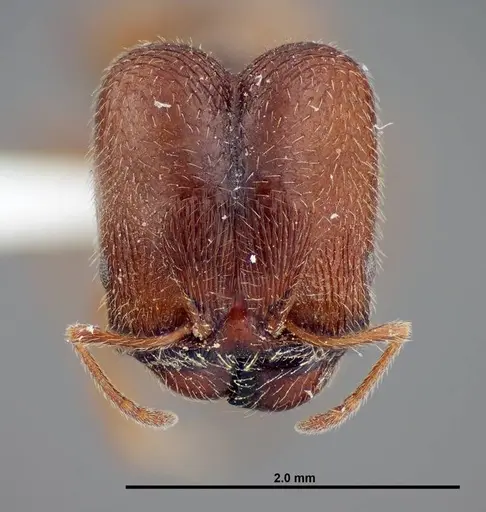
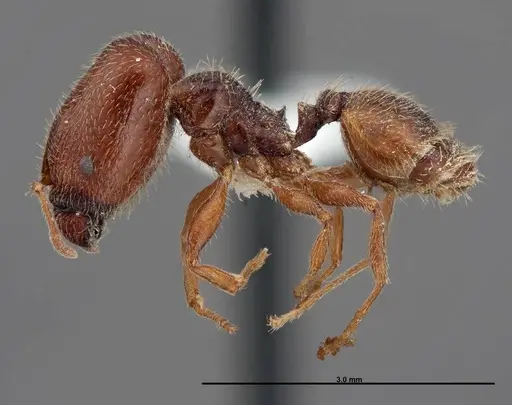
FMNHINS0000062771
View on AntWeb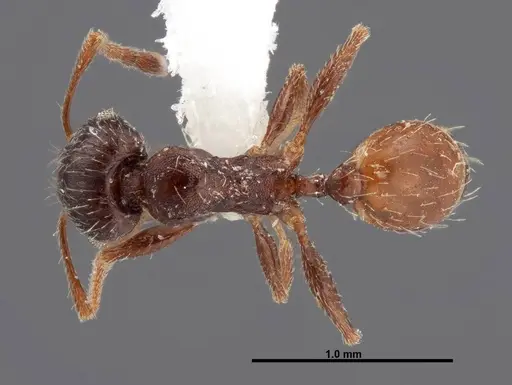
FMNHINS0000062784
View on AntWeb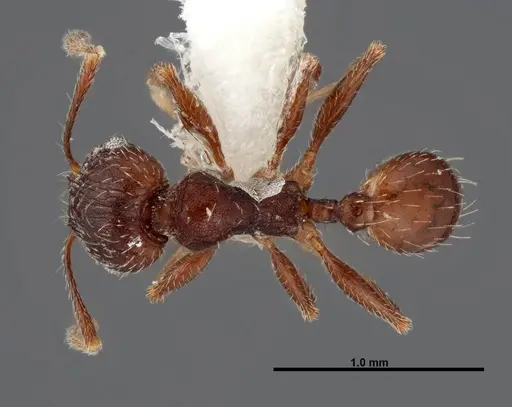
FMNHINS0000062794
View on AntWeb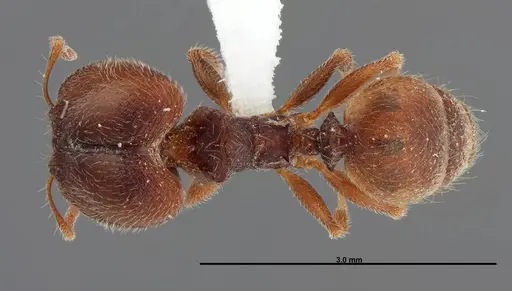
Literature
Loading...Loading products...