
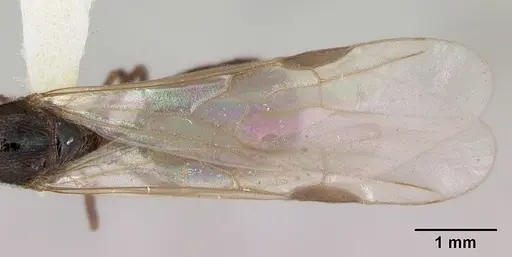
Pheidole pilifera shows a June to August flight window. Peak activity occurs in July, with nuptial flights distributed across 3 months.
Pheidole pilifera
- Scientific Name
- Pheidole pilifera
- Tribe
- Attini
- Subfamily
- Myrmicinae
- Author
- Roger, 1863
- Common Name
- Hairy Big-headed Ant
- Distribution
- Found in 2 countries
- Nuptial Flight
- from June to August, peaking in July
AI Identifiable
try →
Pheidole pilifera Overview
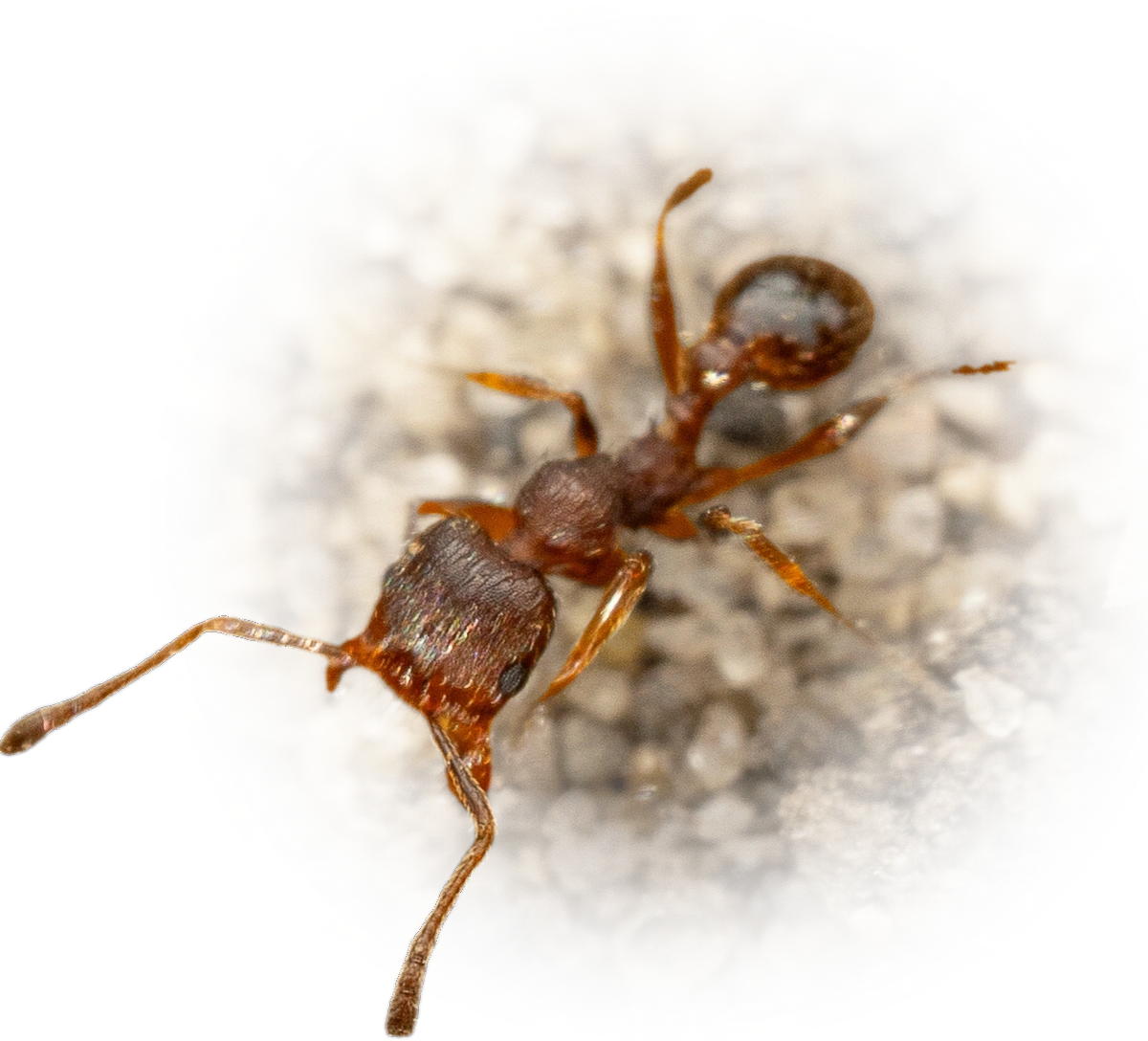
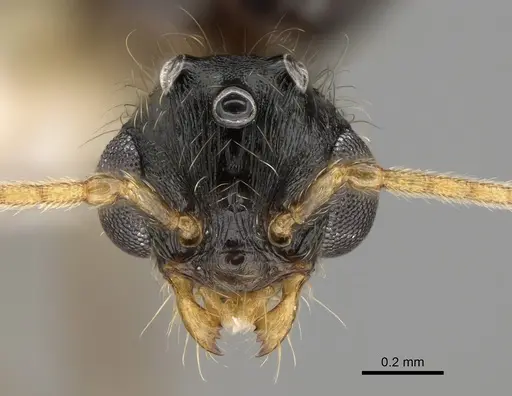
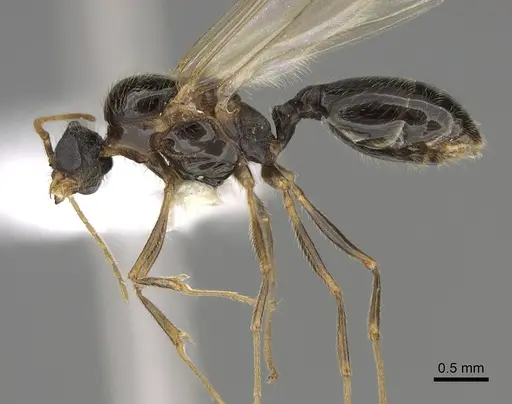
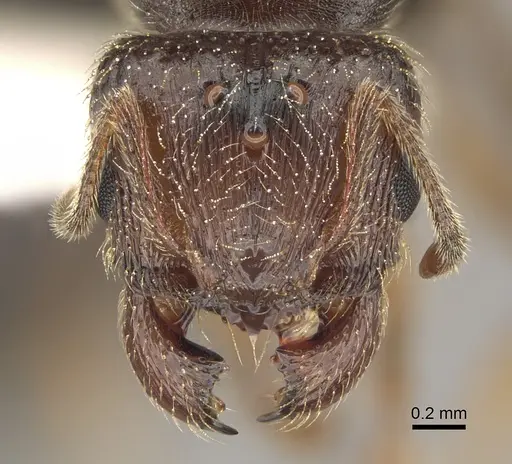
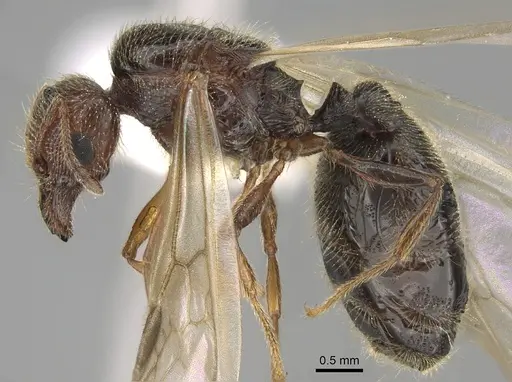
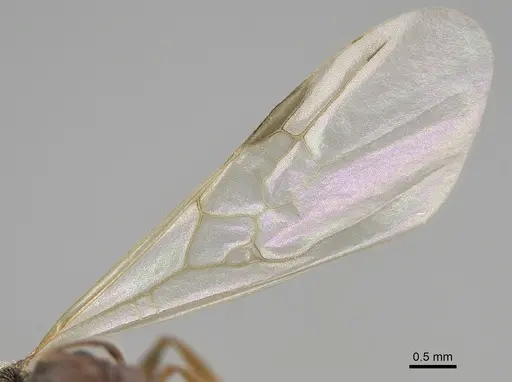
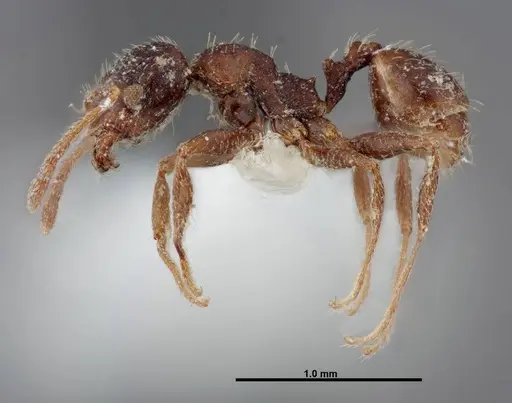
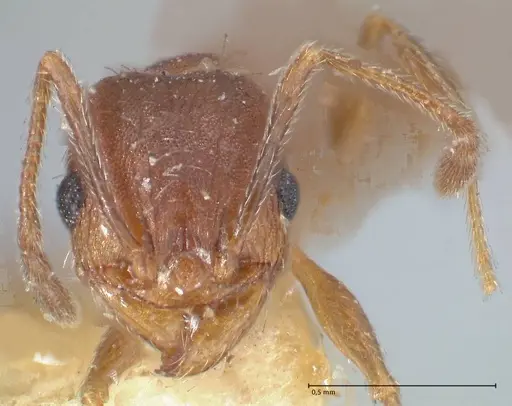
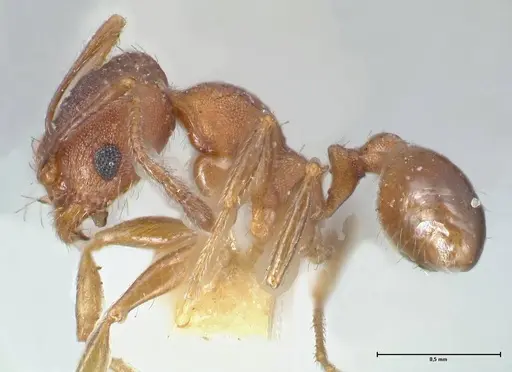
Pheidole pilifera (commonly known as the Hairy Big-headed Ant) is an ant species of the genus Pheidole. It is primarily documented in 2 countries , including Mexico, United States of America. Detailed taxonomic data and occurrence records can be further explored via authoritative databases such as AntWeb or the Global Biodiversity Information Facility (GBIF).
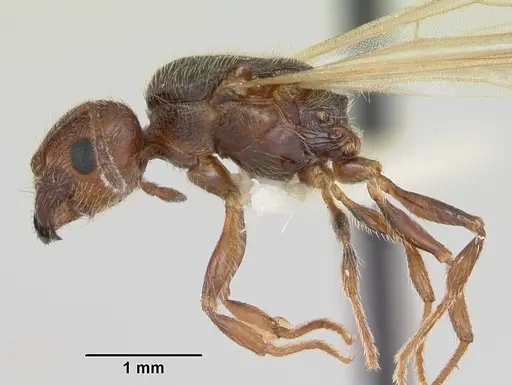
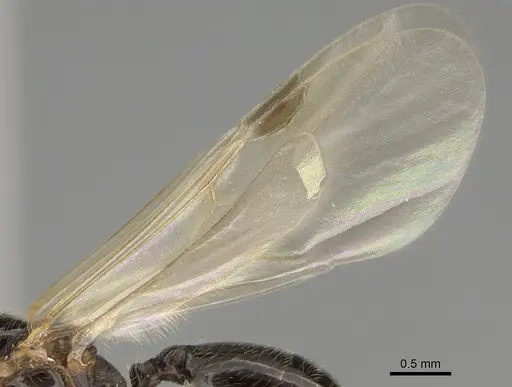
The nuptial flight of Pheidole pilifera is a significant biological event, typically occurring from June to August, peaking in July. During this time, winged queens and males leave the nest to mate and establish new colonies.
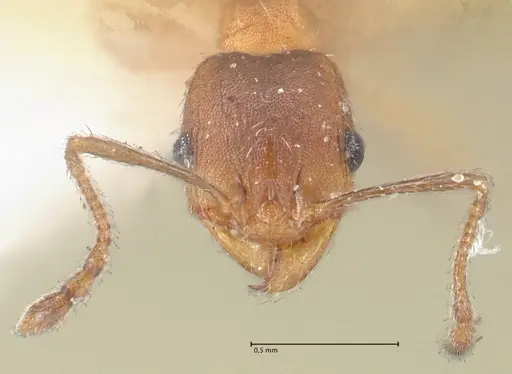
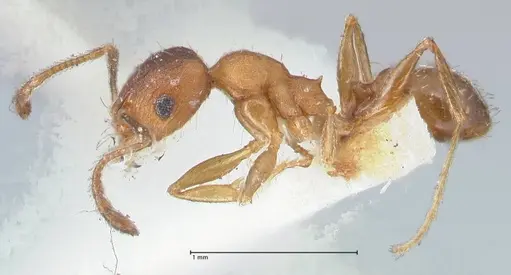
Pheidole pilifera - "Hairy Big-headed Ant"
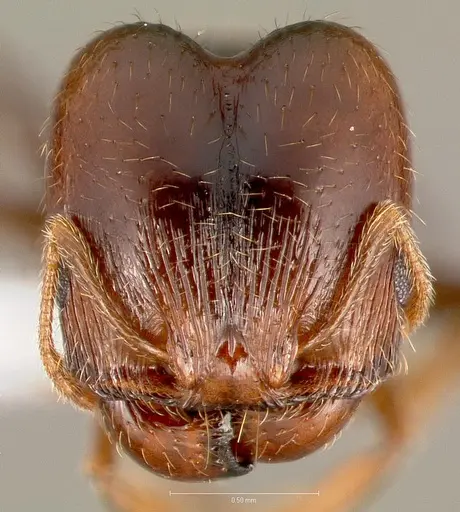
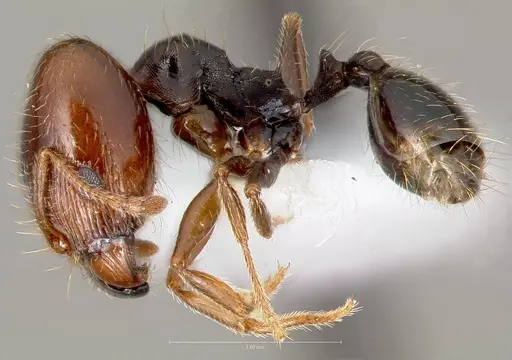
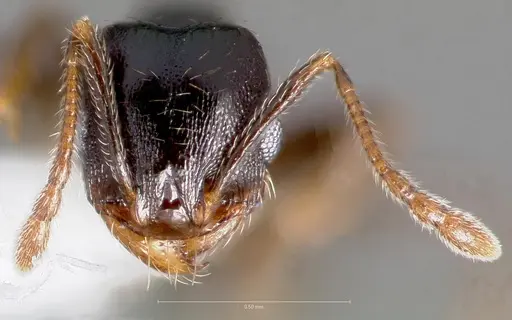
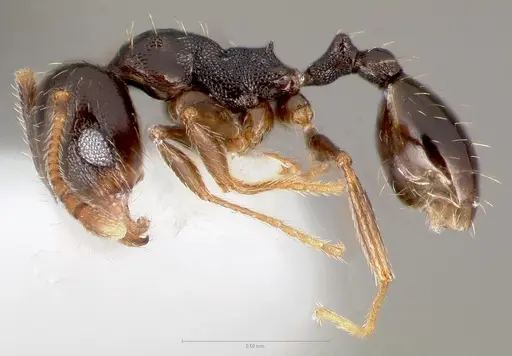
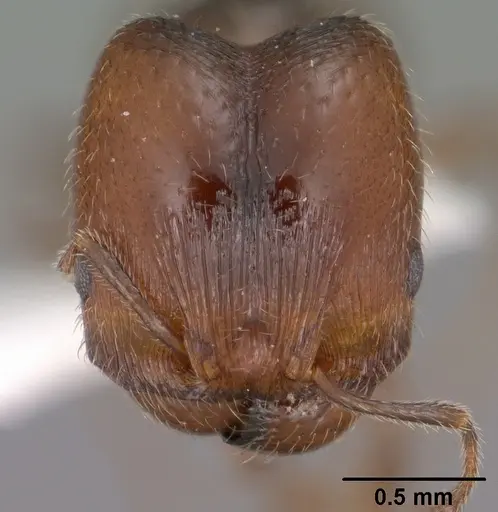
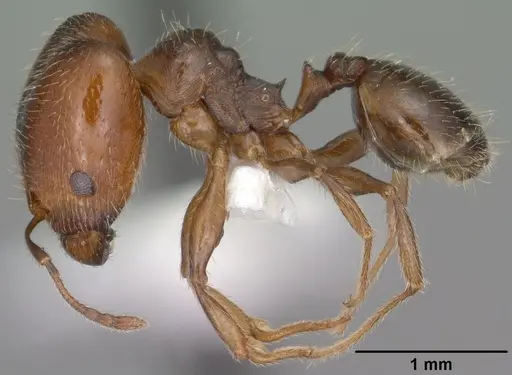
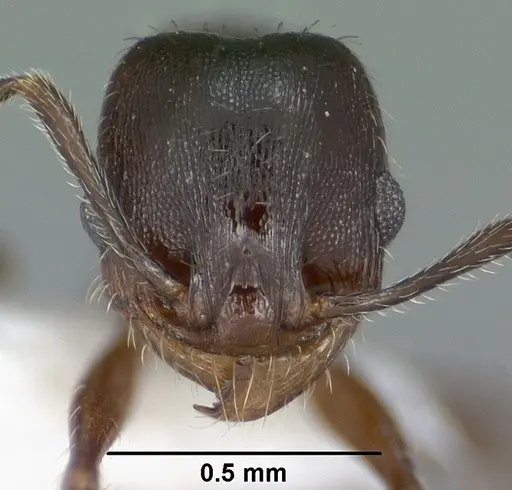
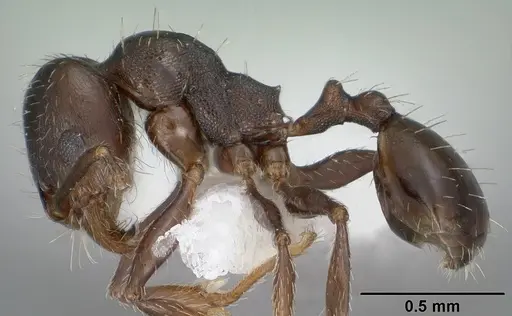
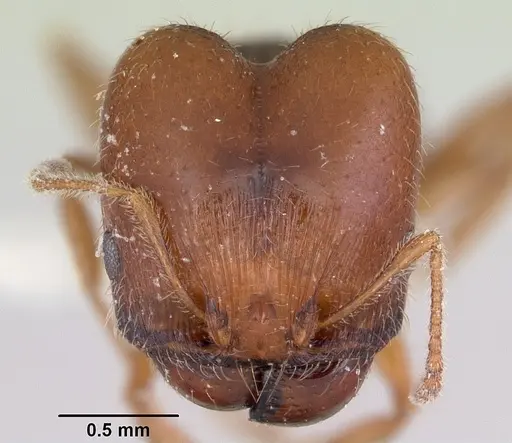
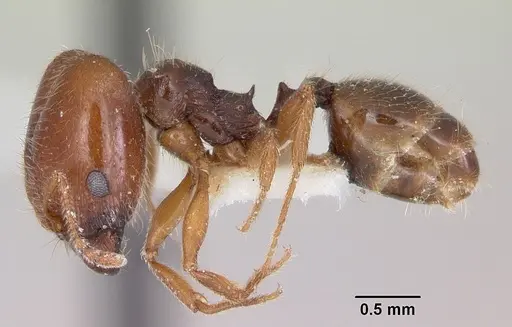
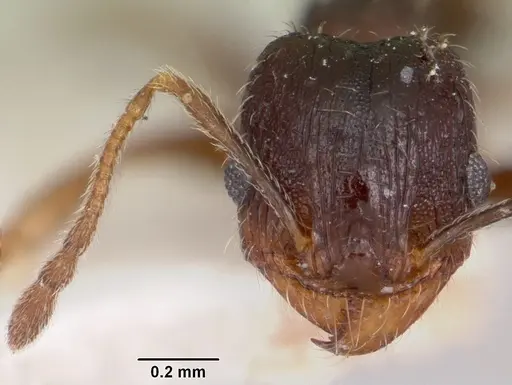
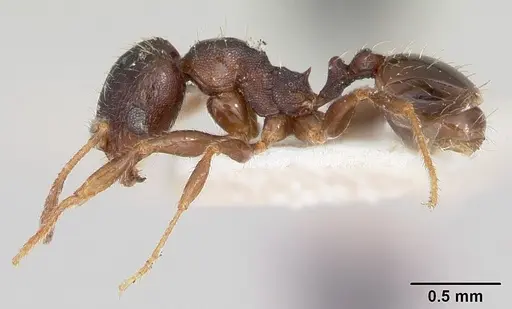
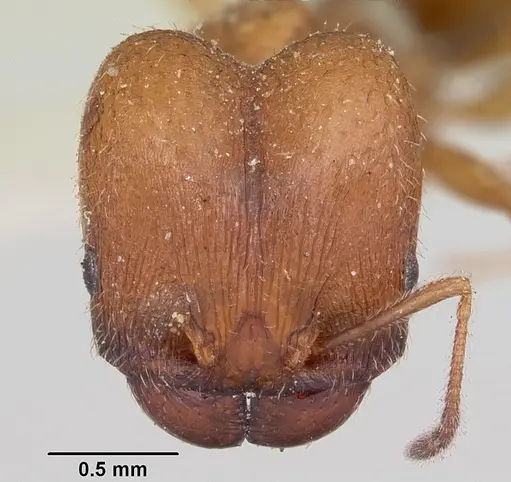
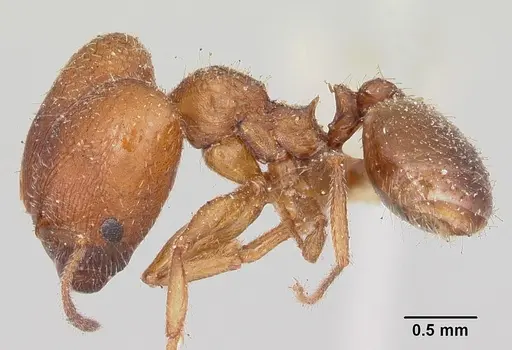
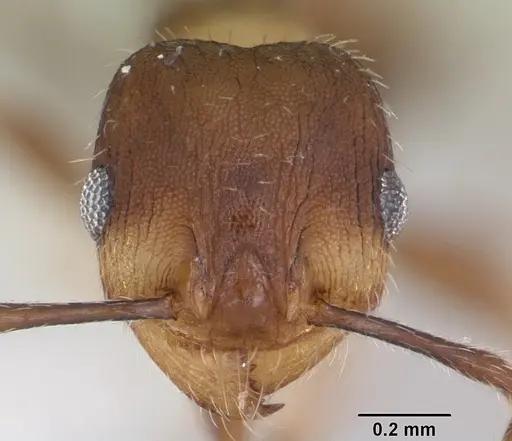
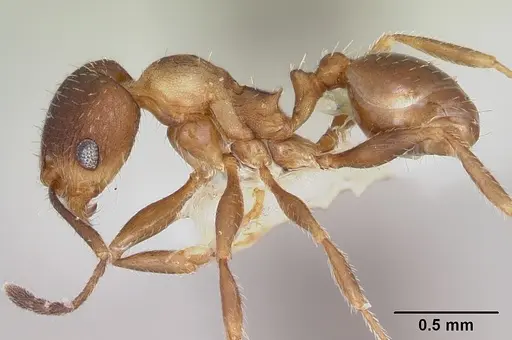
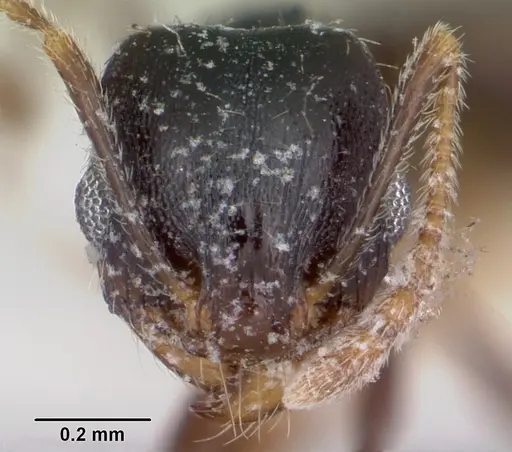
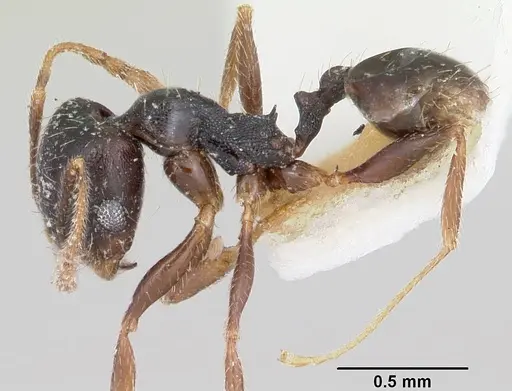
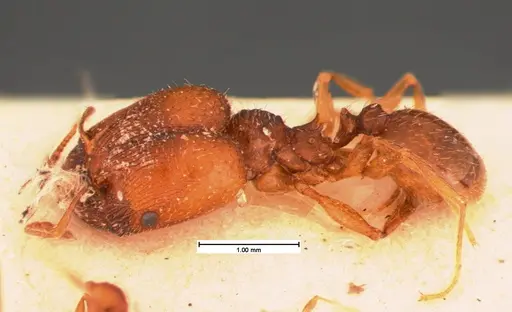
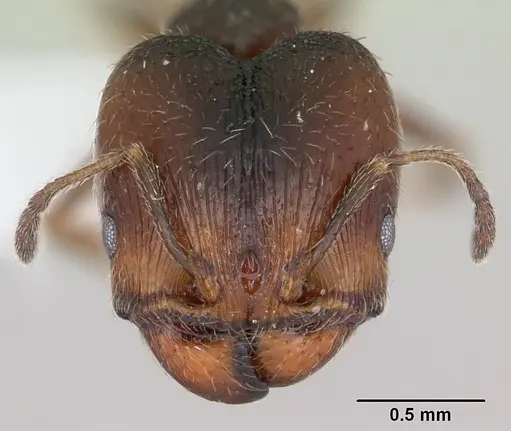
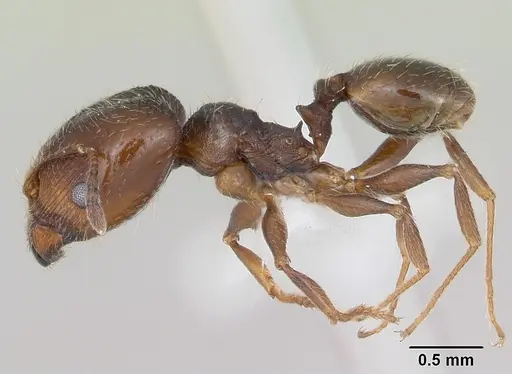
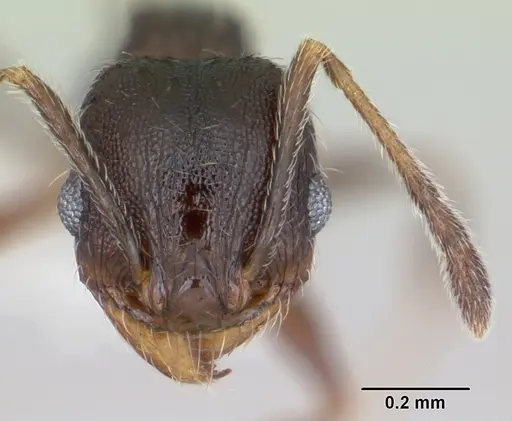
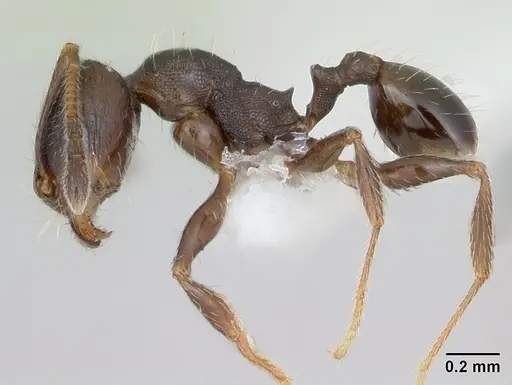
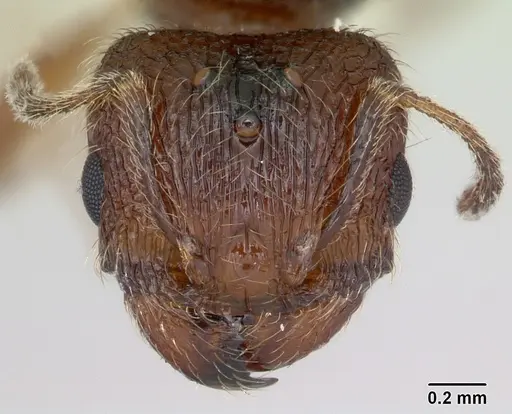
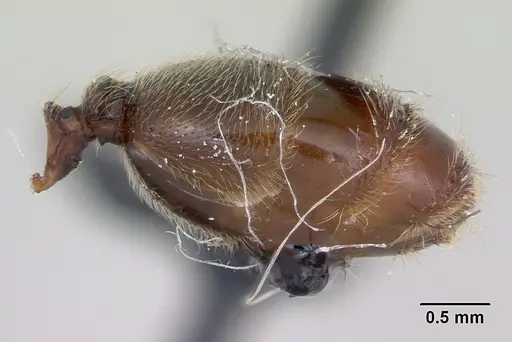
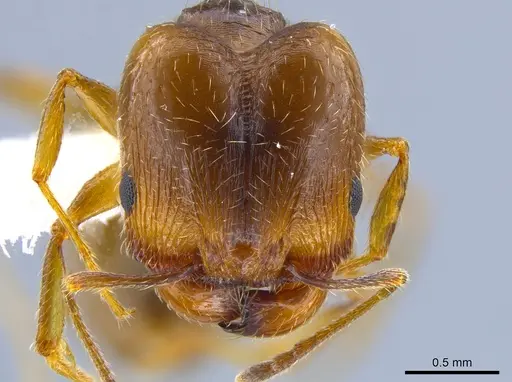
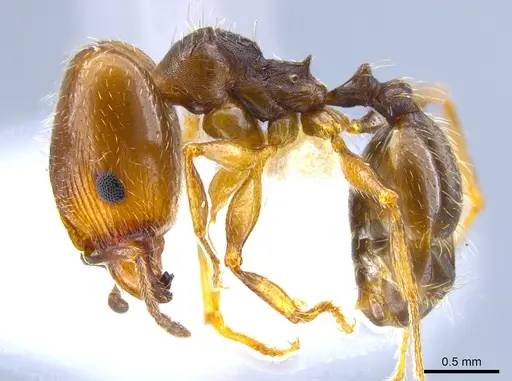
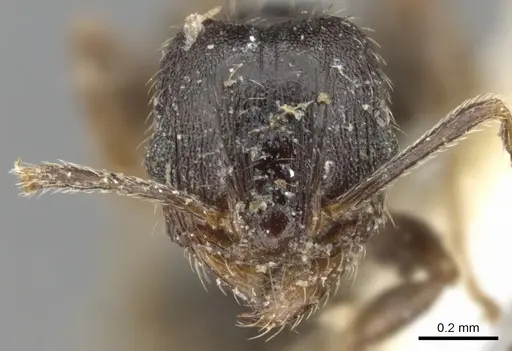
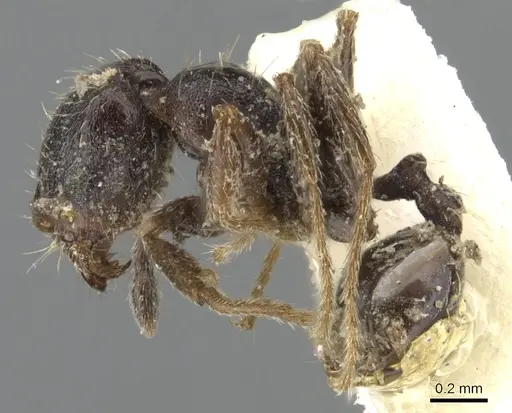
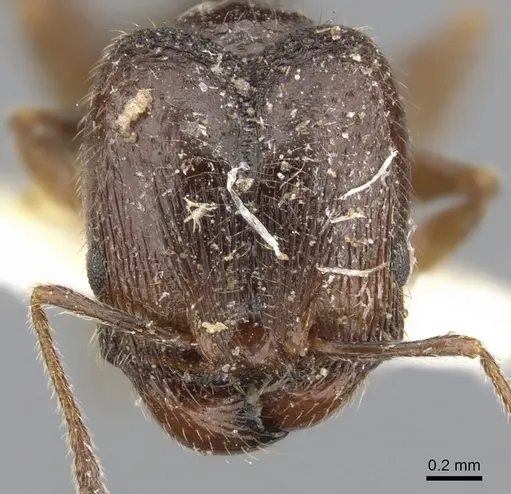
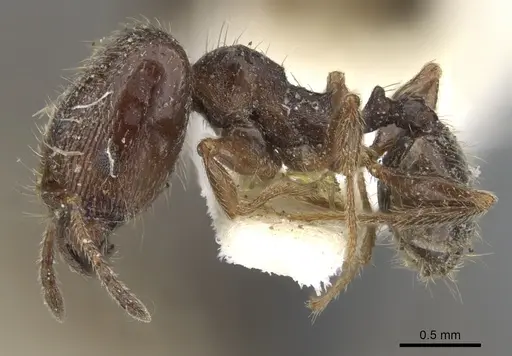
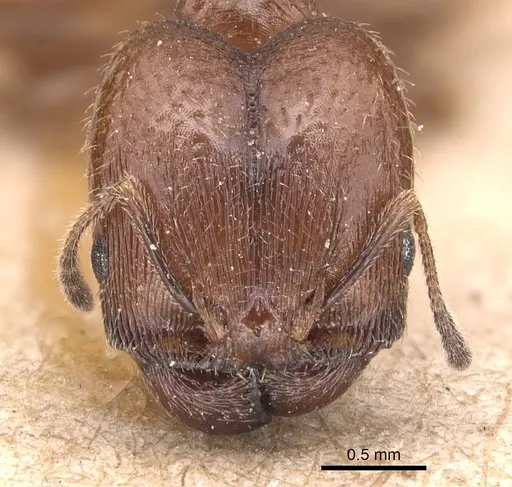
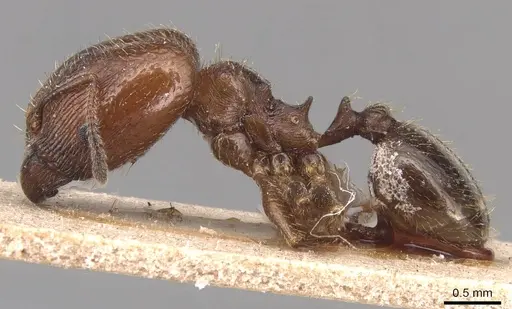
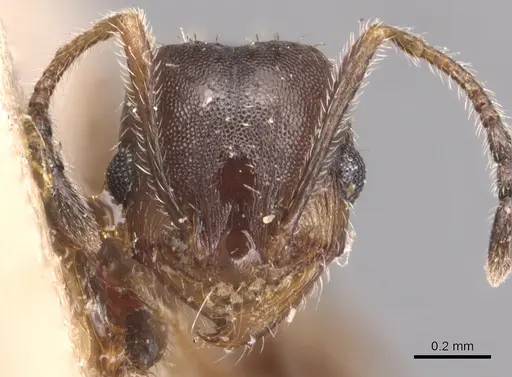
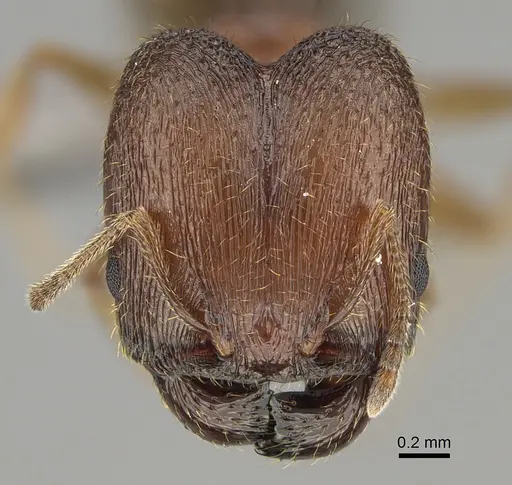
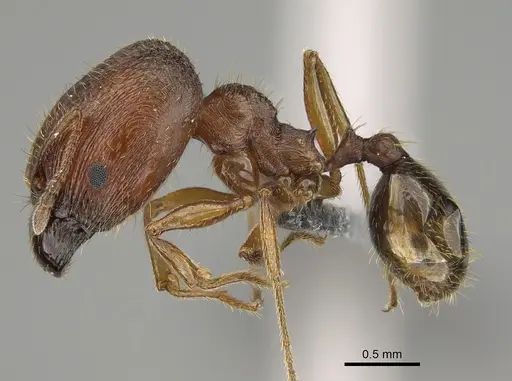
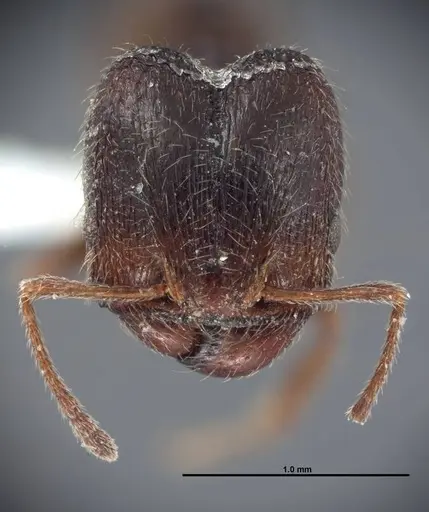
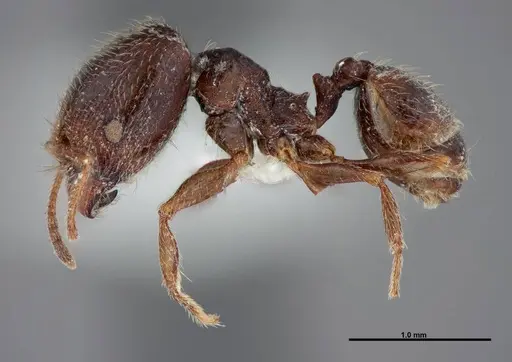
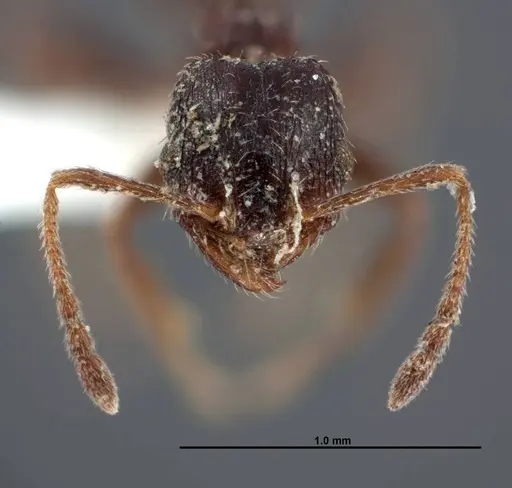
Pheidole pilifera is a dimorphic Myrmicinae ant known for its distinctive major (soldier) workers with large, fully sculptured heads. Majors measure 3-5mm with a HW around 1.60mm, while minors are much smaller at 2.4-2.8mm with a HW of 0.54mm [1]. The species is the most widespread Nearctic Pheidole, ranging from Massachusetts south to Georgia and west to California, extending north to Minnesota and North Dakota [2]. Colonies excavate characteristic crater nests in exposed soil and are primarily seed harvesters, collecting and storing seeds in nest chambers [3]. This species is notable for its division of labor: minor workers handle most foraging and are described as 'shy, ' fleeing or feigning death when threatened, while majors rarely leave the nest except when recruited and primarily function to block nest passages with their large heads [1].
Quick Summary
- Difficulty: Easy
- Origin & Habitat: Native to the continental United States and northern Mexico, found in open grassy areas with sandy soils containing some clay, short-grass prairie, roadsides, desert, and juniper-pinyon woodland from sea level to 2600m elevation [2][1].
- Colony Type: Monogynous (single-queen) colonies. Newly mated queens start colonies singly. Colonies reach approximately 600-800 workers [1].
- Colony: Monogyne
- Founding: Claustral
- Size & Growth:
- Queen: Estimated 6-8mm based on genus typical size
- Worker: Minor: 2.4-2.8mm, Major: 3.0-5.1mm [1]
- Colony: Approximately 600-800 workers
- Growth: Moderate
- Development: Estimated 6-10 weeks based on typical Pheidole development (Development time inferred from genus patterns, specific measurements not available for this species)
- Antkeeping:
- Temperature: Room temperature (20-24°C) is suitable. Based on their wide distribution across varied US climates, they tolerate a broad range [2].
- Humidity: Keep nest substrate moderately moist. They inhabit varied conditions from dry prairie to moist meadows, so standard ant humidity levels work well [1].
- Diapause: Yes, due to their northern distribution spanning into Minnesota and North Dakota, colonies require a winter rest period of 2-3 months at cool temperatures (5-10°C) [2].
- Nesting: Soil-nesting species that excavates crater nests. In captivity, a naturalistic setup with soil substrate, test tubes with moisture, or a Y-tong nest with narrow chambers works well. They prefer nesting in soil where they can excavate [1].
- Behavior: Generally peaceful and non-aggressive. Minor workers are shy foragers that flee or feign death when threatened, but will recruit to good food sources. Major workers rarely leave the nest, their primary role is seed milling and blocking nest passages with their large heads [1]. They are not known to sting and pose no danger to keepers. Escape prevention should focus on the small minor workers (2.4-2.8mm) [1].
- Common Issues: small minor workers mean escape prevention must be decent, they can squeeze through small gaps, shy foraging behavior means they may not readily accept new foods, be patient, colonies are relatively small (600-800 workers) compared to many Pheidole species, seed-based diet means sugar water acceptance may be limited, offer seeds as primary food, wild-caught colonies may have parasites that kill them in captivity
Nuptial Flight Activity Analysis 125 observations
Flight Activity by Hour 125 observations
Pheidole pilifera nuptial flight activity peaks around 21:00 during the night. Activity is spread across a 24-hour window (00:00–23:00). Times may be influenced by human observation patterns.
Housing and Nest Setup
Pheidole pilifera is a soil-nesting ant that naturally excavates crater nests in exposed ground. For captivity, a naturalistic setup with a soil-filled container works best, allowing them to create their own chambers. Alternatively, test tube setups with moist cotton and a foraging area work well for founding colonies. A Y-tong (AAC) nest with narrow chambers can also work, though they may prefer more natural soil conditions. The key is providing a moist soil layer where they can excavate and store seeds. Because minors are small (2.4-2.8mm), ensure all connections and gaps are sealed to prevent escapes [1][3].
Feeding and Diet
This species is primarily a seed harvester. In the wild, they collect and store various grass seeds including Panicum virgatum (switch grass) and Schizachyrium scoparium. They will also scavenge dead insects and accept protein sources, but seeds form the bulk of their diet [3]. In captivity, offer a variety of small seeds (grass seeds, millet, flax) that minors can carry. Protein should be offered occasionally in the form of small insects or commercial ant protein mixes. Sugar water acceptance is limited, they are not strongly attracted to sugary liquids. Feed seeds constantly available in the foraging area, with protein offerings 1-2 times per week [1][3].
Temperature and Seasonal Care
Keep colonies at room temperature (20-24°C). Their wide distribution across the continental US, including northern states like Minnesota and North Dakota, indicates good temperature tolerance. During summer, room temperature is typically sufficient. In winter, colonies require a diapause (hibernation) period of 2-3 months at cool temperatures around 5-10°C, such as in an unheated garage or refrigerator. This mimics their natural cycle and supports colony health long-term [2].
Behavior and Colony Dynamics
Pheidole pilifera colonies have a clear division of labor. Minor workers handle all foraging, seed collection, and most external tasks. They are described as 'shy', when threatened, they flee or feign death rather than attacking. Minors will recruit nestmates to good food sources. Major workers (soldiers) rarely leave the nest. Their large heads serve two purposes: grinding seeds for storage and physically blocking nest passages as a defensive measure. This blocking behavior is remarkably effective at deterring intruders. Colonies remain relatively small at 600-800 workers, so you won't see the massive armies typical of some Pheidole species [1].
Growth and Development
Colonies grow at a moderate pace. Founding queens seal themselves in a claustral chamber and raise the first brood using stored energy. First workers (nanitics) are smaller than normal minors but quickly begin foraging. The colony expands gradually, with major workers appearing as the colony grows. Maximum colony size reaches approximately 600-800 workers, relatively modest for the genus. The egg-to-worker timeline is estimated at 6-10 weeks based on typical Pheidole development patterns, though specific measurements for this species are not documented.
Frequently Asked Questions
How long does it take for Pheidole pilifera to produce first workers?
Expect first workers (nanitics) approximately 6-10 weeks after the queen lays her first eggs. This is an estimate based on typical Pheidole development, specific timing for this species has not been documented.
Can I keep multiple Pheidole pilifera queens together?
No. This species is monogynous, colonies have a single queen. Multiple unrelated queens will fight. Only keep one queen per colony.
What do Pheidole pilifera ants eat?
They are primarily seed harvesters. Offer various small seeds (grass seeds, millet, flax) as a staple food. They will also accept dead insects and protein sources occasionally. Sugar water acceptance is limited, they are not strongly attracted to sweets.
How big do Pheidole pilifera colonies get?
Colonies reach approximately 600-800 workers at maturity. This is relatively small compared to many other Pheidole species.
Do Pheidole pilifera need hibernation?
Yes. Due to their northern distribution across the US (Minnesota, North Dakota), colonies require a winter diapause period of 2-3 months at cool temperatures (5-10°C).
Are Pheidole pilifera good for beginners?
Yes, they are considered an easy species to keep. They are peaceful, don't sting, and have straightforward dietary needs. Their main requirements are seeds as a primary food source and a winter hibernation period.
When do Pheidole pilifera have nuptial flights?
Mating flights occur in early to mid-July in the eastern United States. Queens and males fly to mate, after which newly mated queens dig in to start new colonies singly.
Why are my Pheidole pilifera not foraging much?
Minor workers are described as 'shy' foragers, they are cautious and may feign death when disturbed. They also primarily forage for seeds rather than actively hunting prey. Be patient, ensure the foraging area is calm, and offer seeds as a primary food source.
What nest type is best for Pheidole pilifera?
A naturalistic setup with moist soil substrate works best, allowing them to excavate their own chambers like they do in the wild. Test tubes work for founding colonies, but established colonies do best with soil-based housing where they can store seeds.
References

This caresheet is licensed under CC BY-SA 4.0 .
CASENT0005761
View on AntWeb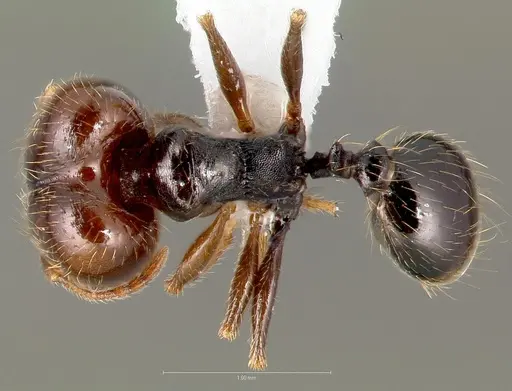
CASENT0005762
View on AntWeb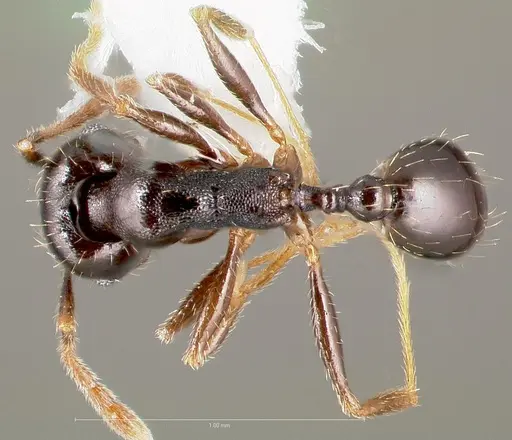
CASENT0102866
View on AntWeb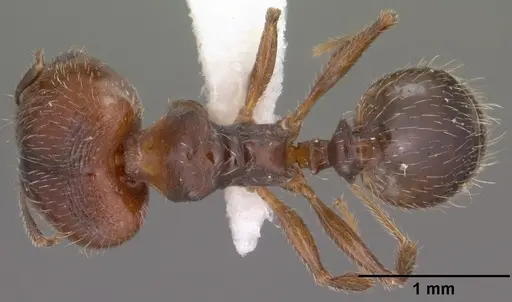
CASENT0102867
View on AntWeb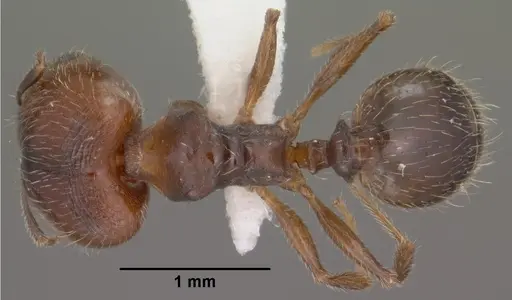
CASENT0103146
View on AntWeb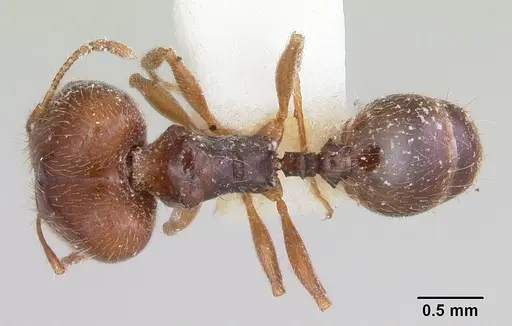
CASENT0103147
View on AntWeb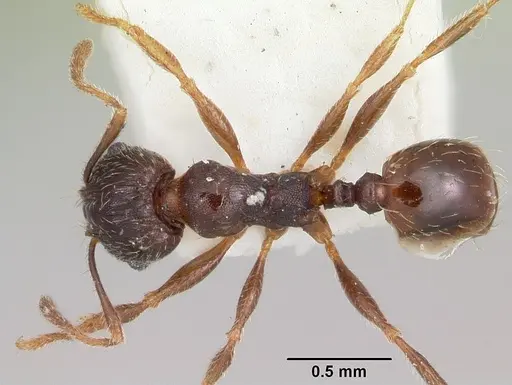
CASENT0103148
View on AntWeb
CASENT0103149
View on AntWeb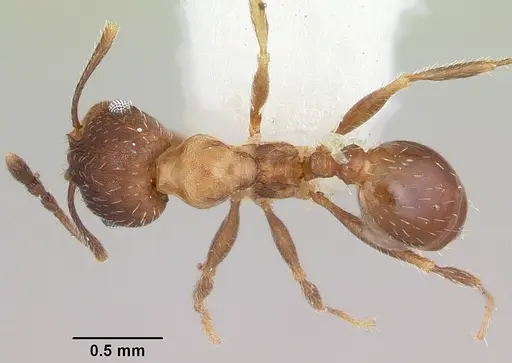
CASENT0104928
View on AntWeb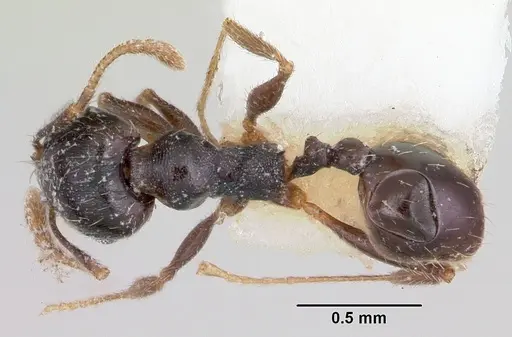
CASENT0105562
View on AntWeb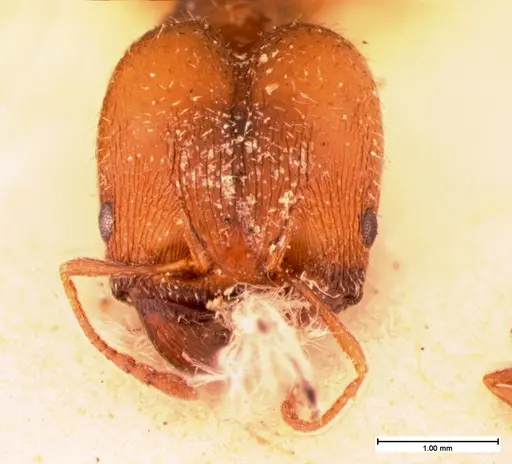
CASENT0172958
View on AntWeb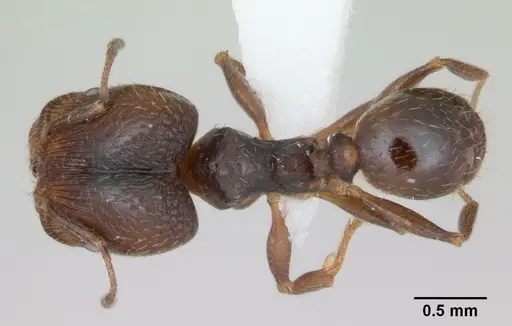
CASENT0172959
View on AntWeb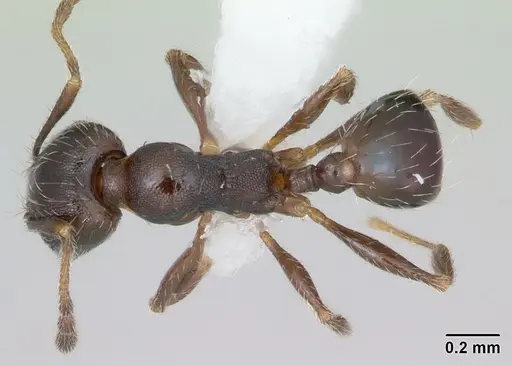
CASENT0172960
View on AntWeb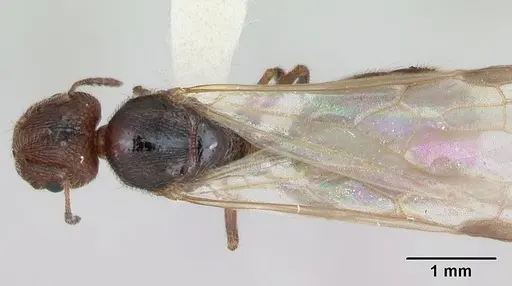
CASENT0644128
View on AntWeb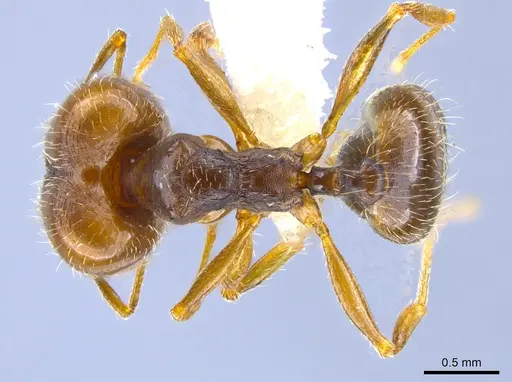
CASENT0862362
View on AntWeb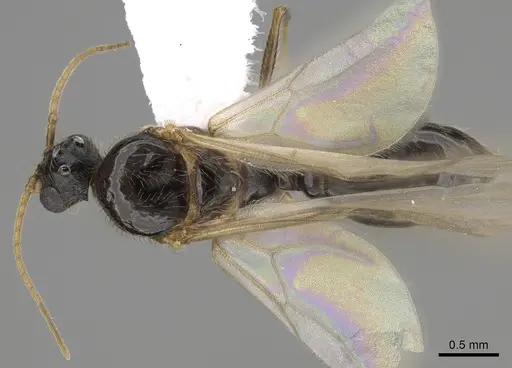
CASENT0862462
View on AntWeb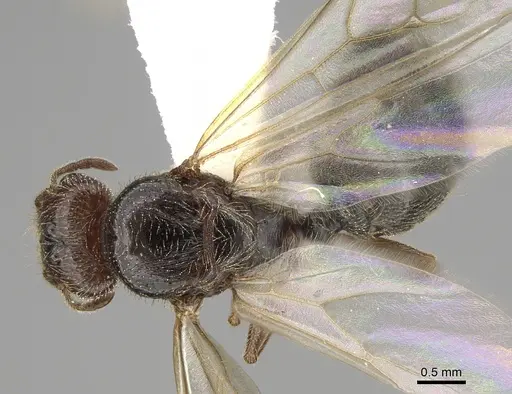
CASENT0901559
View on AntWeb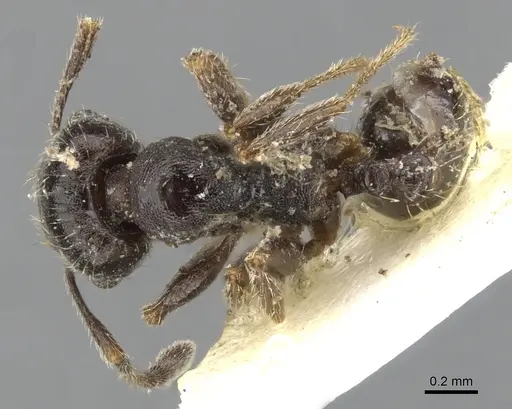
CASENT0901560
View on AntWeb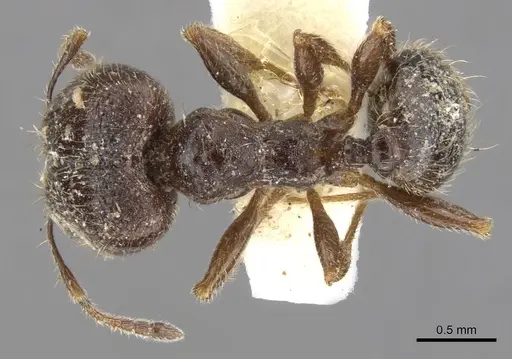
CASENT0904434
View on AntWeb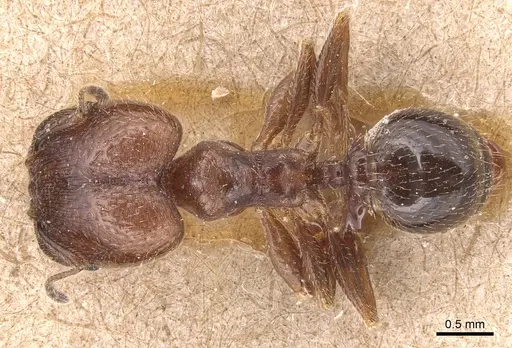
CASENT0904435
View on AntWeb
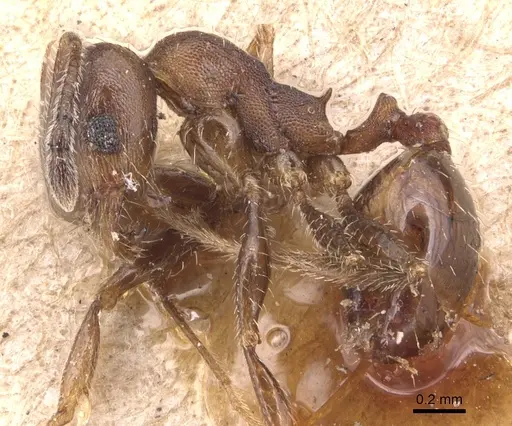
CASENT0911221
View on AntWeb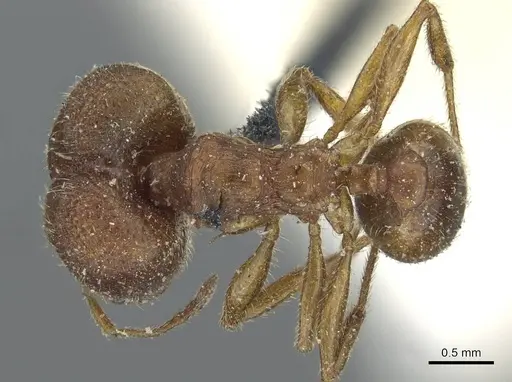
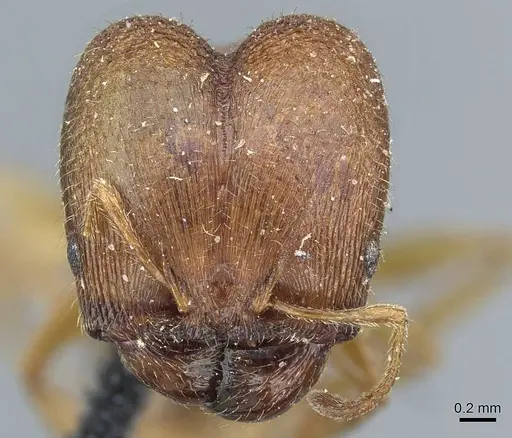
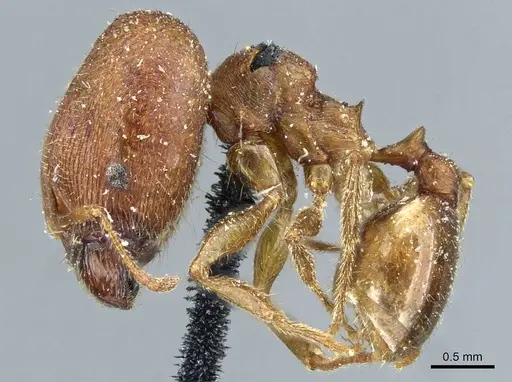
CASENT0923378
View on AntWeb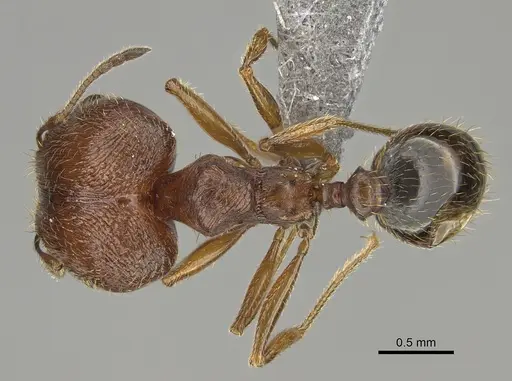
FMNHINS0000062813
View on AntWeb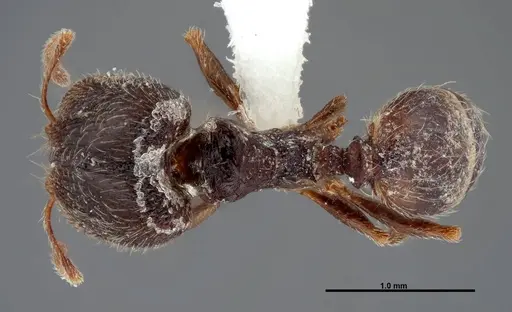
FMNHINS0000062814
View on AntWeb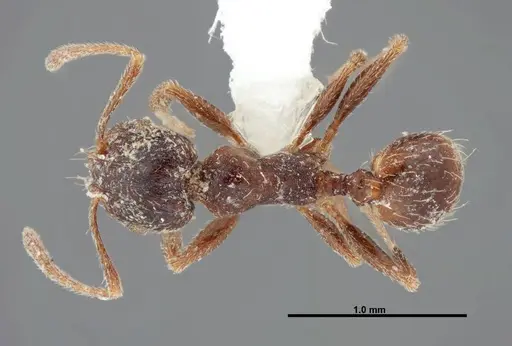
FOCOL1557
View on AntWeb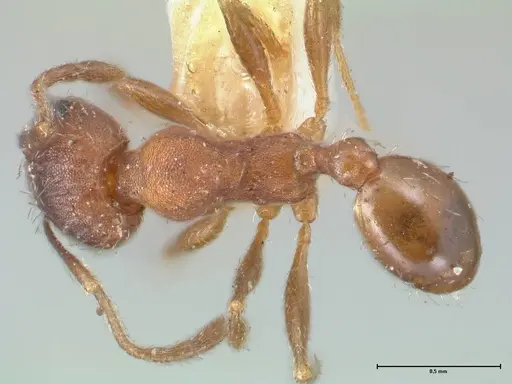
FOCOL1558
View on AntWeb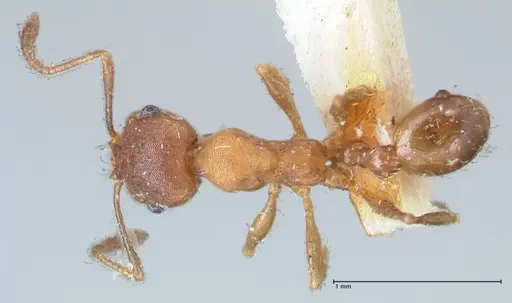
Literature
Loading...Loading products...