

Pheidole saxicola
- Scientific Name
- Pheidole saxicola
- Tribe
- Attini
- Subfamily
- Myrmicinae
- Author
- Wheeler, 1922
- Distribution
- Found in 2 countries
Pheidole saxicola Overview
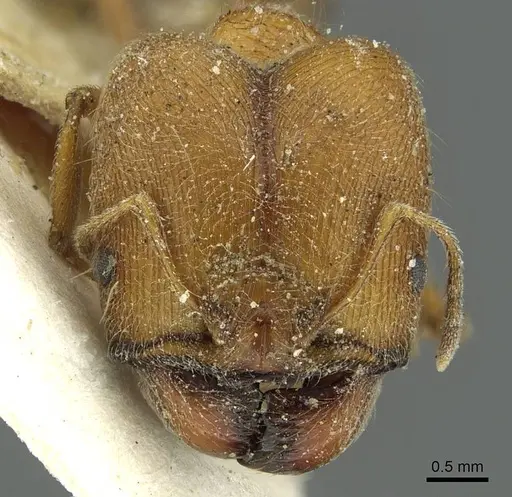
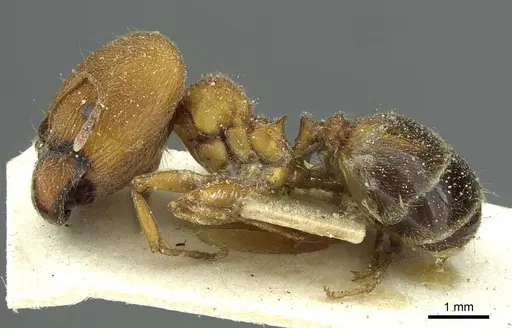
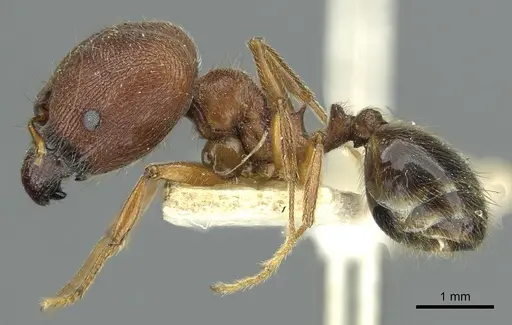
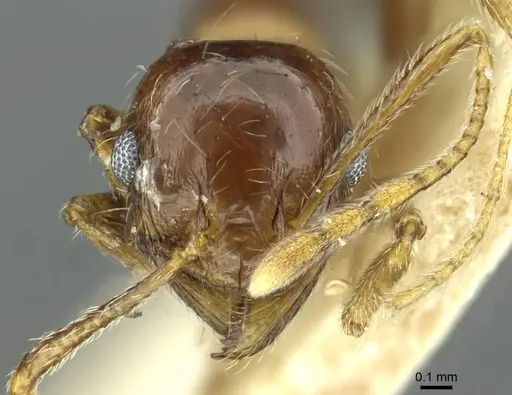
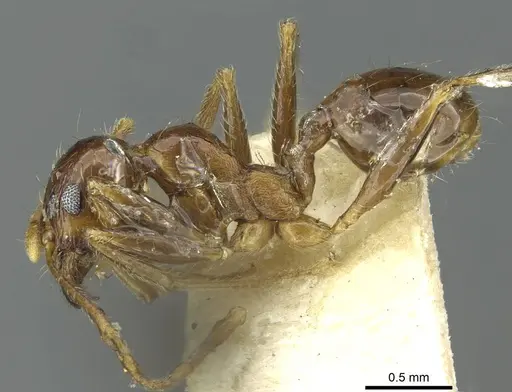
Pheidole saxicola is an ant species of the genus Pheidole. It is primarily documented in 2 countries , including Congo, Democratic Republic of the, Central African Republic. Detailed taxonomic data and occurrence records can be further explored via authoritative databases such as AntWeb or the Global Biodiversity Information Facility (GBIF).
Pheidole saxicola
Pheidole saxicola is a small myrmicine ant native to Central and West Africa, specifically the Democratic Republic of Congo and Benin. The name 'saxicola' means 'rock-dwelling, ' reflecting its natural preference for nesting in the gaps and crevices between stones [1]. Workers are typical Pheidole-sized, and the species produces soldier majors (larger workers) for seed processing. This ant belongs to the tribe Attini, which includes seed-harvesting ants, and indeed P. saxicola actively collects and stores seeds, particularly from grasses like Chloris polydactyla and various Andropogon species [1]. They are ground-nesting ants found in natural habitats and have been recorded in mango orchards in Benin where they serve as prey for weaver ants (Oecophylla longinoda) [2].
Quick Summary
- Difficulty: Medium
- Origin & Habitat: Democratic Republic of Congo (Zambi region) and Benin. Ground-nesting in stone crevices in tropical habitats, including mango orchards [2][1].
- Colony Type: Likely single-queen (monogyne) colonies based on typical Pheidole patterns. Colony structure is not directly documented for this species.
- Colony: Monogyne
- Founding: Claustral
- Size & Growth:
- Queen: Estimated 7-9mm based on related Pheidole species
- Worker: Estimated 2-4mm for minor workers, majors larger
- Colony: Likely several hundred workers based on typical Pheidole colony sizes
- Growth: Moderate, estimated based on genus patterns
- Development: Estimated 6-8 weeks at optimal temperature based on related Pheidole species (Development timeline is not directly documented for this species. Estimates based on typical Pheidole genus patterns.)
- Antkeeping:
- Temperature: Keep at 24-28°C. As a tropical African species, they prefer warm conditions. A heating cable on one side of the nest creates a suitable gradient.
- Humidity: Maintain moderate to high humidity (60-80%). Keep the nest substrate moist but not waterlogged. Provide some drier areas for the ants to regulate their own moisture exposure.
- Diapause: No strong diapause expected, as a tropical species, they likely remain active year-round with slight slowdowns during cooler periods. True hibernation is not typical for this species.
- Nesting: Provide a naturalistic setup with stone pieces or a Y-tong/plaster nest with narrow chambers. They naturally nest in stone interstices, so include small rock fragments or rough surfaces in the nest chamber. Test tube setups work for founding colonies.
- Behavior: These ants are active foragers with a strong seed-harvesting instinct. They store seeds in their nests, similar to other Attini tribe members. Workers are moderate in aggression and will defend their nest, but they are not particularly aggressive toward humans. Minor workers handle most foraging while majors process larger seeds. Their small size means they can squeeze through small gaps, excellent escape prevention is essential.
- Common Issues: escape prevention is critical, tiny workers squeeze through the smallest gaps without fine mesh barriers, seed storage can lead to mold problems if humidity is too high, balance moisture carefully, slow growth compared to some common ants may frustrate beginners who overfeed or disturb the colony, wild-caught colonies may have parasites that can decimate captive colonies, weaver ants (Oecophylla) predate this species in the wild, keep colonies away from other aggressive ant species
Nest Preferences and Housing
Pheidole saxicola naturally nests in the gaps between stones, which is reflected in their name 'saxicola' (rock-dwelling) [1]. In captivity, they do well in Y-tong (acrylic) nests or plaster nests that allow for some moisture retention. For founding colonies, a simple test tube setup works well, queens seal themselves in a chamber and raise their first brood alone. Once the colony reaches 20-30 workers, you can consider moving them to a more elaborate setup. Include small rock fragments or rough surfaces in the nest chamber to mimic their natural stone-crevice habitat. A naturalistic setup with a soil substrate and flat stones on top works well for established colonies. Keep the nest relatively compact with narrow passages, these ants prefer snug chambers that match the tight spaces they occupy in the wild.
Feeding and Diet
As a member of the Attini tribe, Pheidole saxicola is a seed-harvester. In the wild, they collect seeds from grasses like Chloris polydactyla and Andropogon species [1]. In captivity, offer a mix of grass seeds, bird seed, or specially formulated ant seeds (harvester mix). They also need protein, offer small insects like fruit flies, small crickets, or mealworms. Sugar water or honey is typically accepted for energy. Feed seeds continuously as they will store them, but remove any that become moldy. Offer protein prey 2-3 times per week, adjusting based on colony size. The major workers (soldiers) use their larger heads to crack and process harder seeds for the colony.
Temperature and Seasonal Care
Being a tropical African species, Pheidole saxicola prefers warm temperatures in the range of 24-28°C. You can achieve this with a heating cable placed on one side of the nest to create a gentle temperature gradient. Room temperature may be sufficient if your home is naturally warm (above 24°C), but a small heat mat or cable helps maintain consistent warmth. They do not require true hibernation, as a tropical species, they remain active year-round. You might notice slightly reduced activity during cooler months, but this is not a diapause period. Avoid temperatures below 20°C for extended periods as this can stress the colony. Maintain humidity around 60-80% in the nest area.
Behavior and Colony Dynamics
Pheidole saxicola colonies develop the typical Pheidole caste system with minor workers (foragers) and major workers (soldiers) that have enlarged heads for seed processing. Colonies start with a single queen who seals herself in during founding (claustral founding). After the first workers emerge (nanitics, which are typically smaller), the colony grows steadily. The species has been recorded as prey of Oecophylla longinoda (weaver ants) in Benin [2], indicating they are preyed upon by larger, more aggressive ants. In captivity, they are generally peaceful toward the keeper but will defend their nest vigorously against intruders. Workers are active foragers, both on the ground surface and within the nest. They are not aggressive toward humans and do not have a painful sting.
Growth and Development
The development timeline for Pheidole saxicola is not directly documented in scientific literature. Based on typical Pheidole genus patterns, expect eggs to develop into workers in approximately 6-8 weeks at optimal temperature (around 26°C). The queen lays eggs after mating, during founding, she seals herself in a chamber and raises the first brood on her own. The first workers (nanitics) are usually smaller than normal workers. Growth rate is moderate, colonies typically reach several hundred workers over the course of a year or two under good conditions. Major workers (soldiers) typically appear once the colony reaches a certain size threshold, usually when there are 50+ workers. Patience is key, as this species grows steadily rather than rapidly.
Frequently Asked Questions
How long does it take for Pheidole saxicola to produce first workers?
Based on typical Pheidole genus patterns, expect first workers (nanitics) approximately 6-8 weeks after the queen lays eggs, assuming optimal temperature around 26°C. This timeline is estimated rather than directly documented for this specific species.
Can I keep Pheidole saxicola in a test tube?
Yes, test tubes work well for founding colonies. Queens seal themselves in and raise their first brood in the tube. Once the colony reaches 20-30 workers, consider moving to a larger nest setup like a Y-tong or naturalistic formicarium.
What do Pheidole saxicola ants eat?
They are seed-harvesters, offer grass seeds, bird seed, or harvester ant seed mixes. They also need protein from small insects like fruit flies, small crickets, or mealworms. Sugar water or honey provides additional energy.
Are Pheidole saxicola good for beginners?
They are rated as medium difficulty. They have specific humidity needs and require seed-harvesting setup, but they are not as demanding as some exotic species. Beginners should research seed-harvesting ant care before starting with this species.
How big do Pheidole saxicola colonies get?
Based on typical Pheidole colony sizes, expect several hundred workers at maturity. Colony growth is moderate, reaching full size takes a year or two under good conditions.
Do Pheidole saxicola need hibernation?
No, they do not require hibernation. As a tropical African species, they remain active year-round. You might notice slightly reduced activity in cooler months, but no special winter care is needed.
When should I move Pheidole saxicola to a formicarium?
Move them when the test tube becomes crowded, typically around 20-30 workers. A Y-tong or plaster nest with moisture retention works well. Include small stones or rough surfaces to mimic their natural stone-crevice habitat.
Why are my Pheidole saxicola dying?
Common causes include: too low temperature (keep above 24°C), improper humidity (too dry or too wet leading to mold), poor escape prevention (they are tiny and escape easily), or stress from disturbance during founding. Ensure proper seed storage without mold and avoid overhandling the colony.
Can I keep multiple Pheidole saxicola queens together?
Not recommended. This species is likely monogyne (single queen) based on typical Pheidole patterns. Combining unrelated queens has not been documented and would likely result in fighting. Only keep one queen per colony.
References

This caresheet is licensed under CC BY-SA 4.0 .
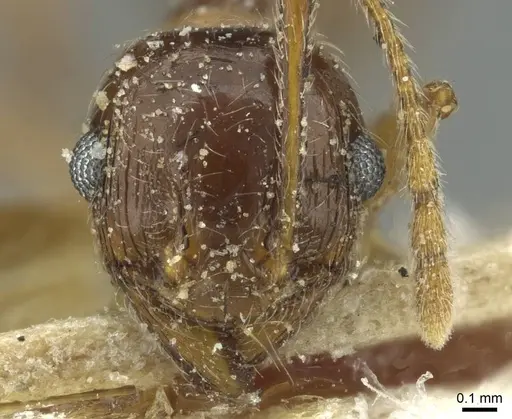
CASENT0913430
View on AntWeb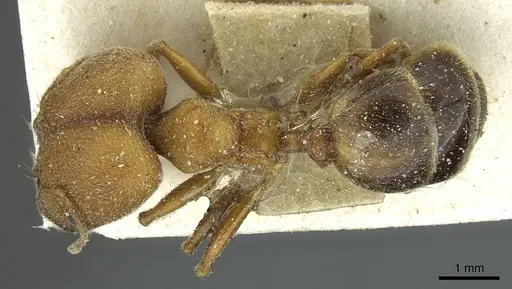
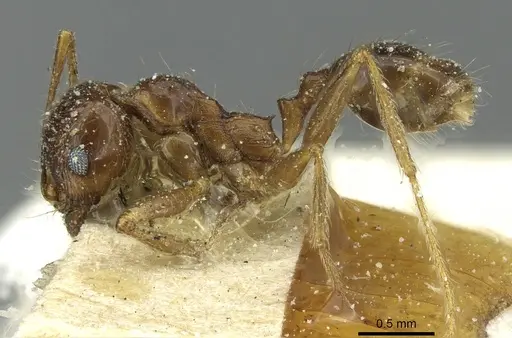
CASENT0913431
View on AntWeb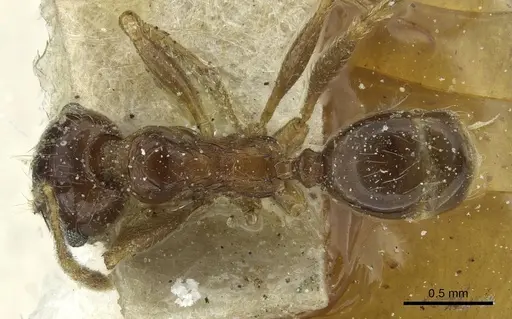
RMCAENT000017750
View on AntWeb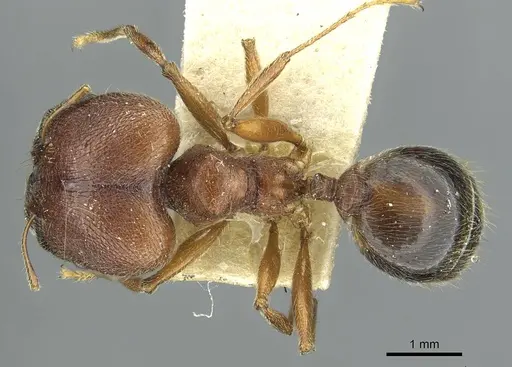
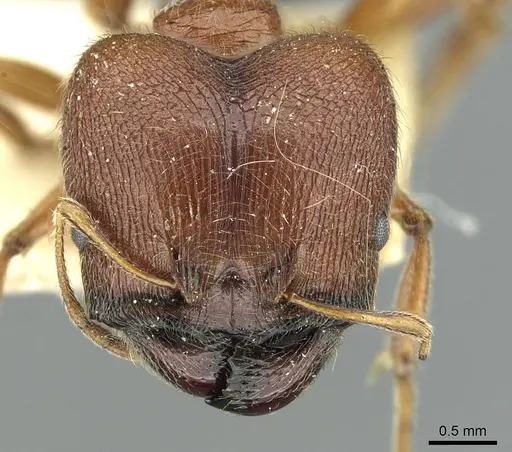
RMCAENT000017751
View on AntWeb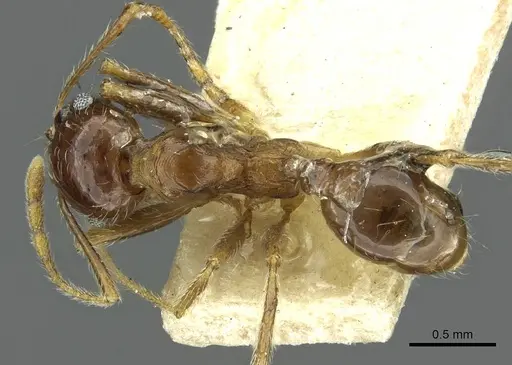
Literature
Loading...Loading products...