

Pheidole sauberi
- Scientific Name
- Pheidole sauberi
- Tribe
- Attini
- Subfamily
- Myrmicinae
- Author
- Forel, 1905
- Distribution
- Found in 4 countries
Pheidole sauberi Overview
Pheidole sauberi is an ant species of the genus Pheidole. It is primarily documented in 4 countries , including Brunei Darussalam, Indonesia, Malaysia. Detailed taxonomic data and occurrence records can be further explored via authoritative databases such as AntWeb or the Global Biodiversity Information Facility (GBIF).
Pheidole sauberi
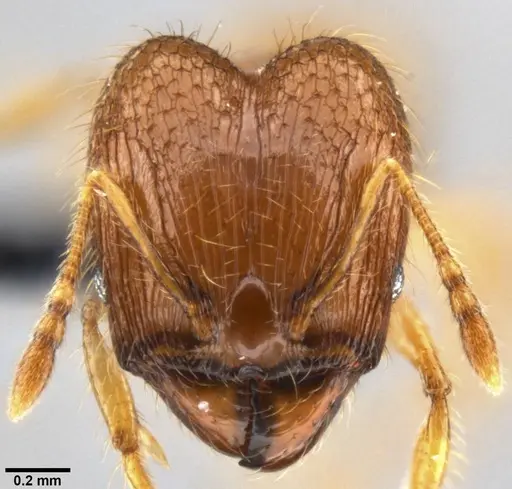
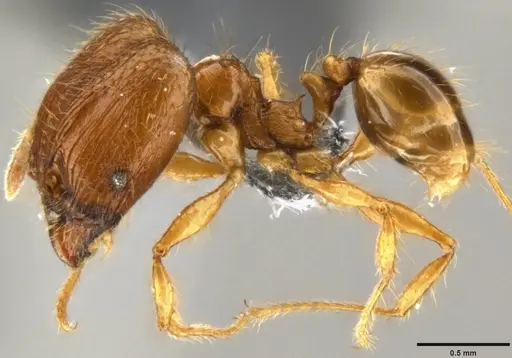
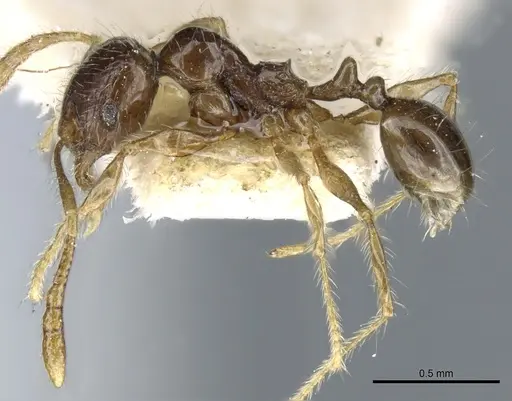
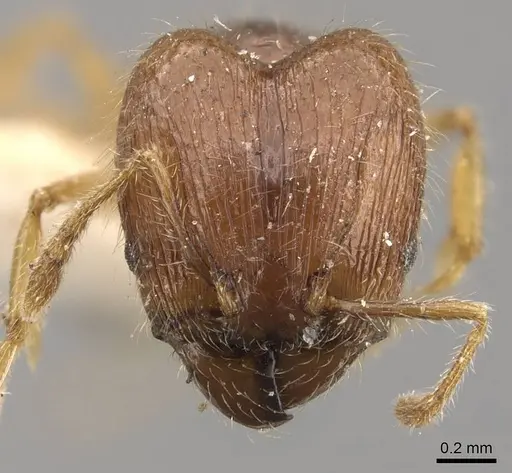
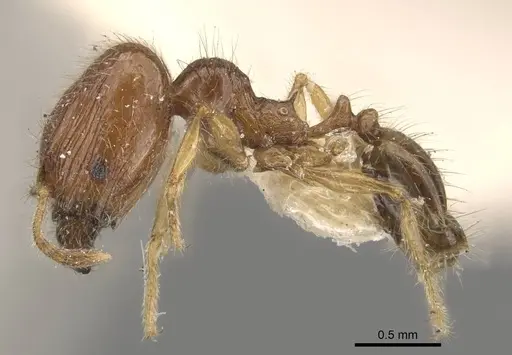
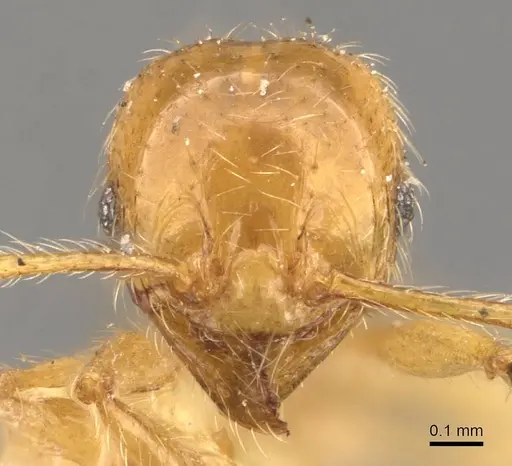
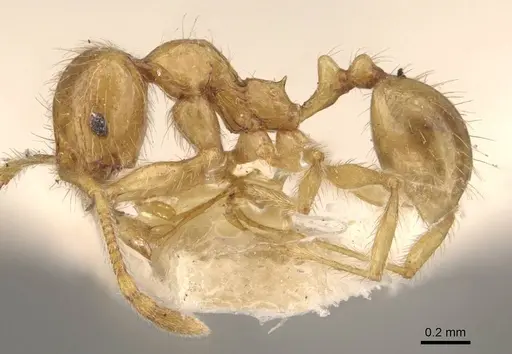
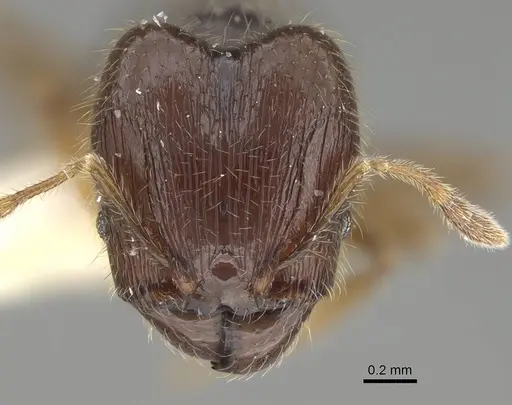
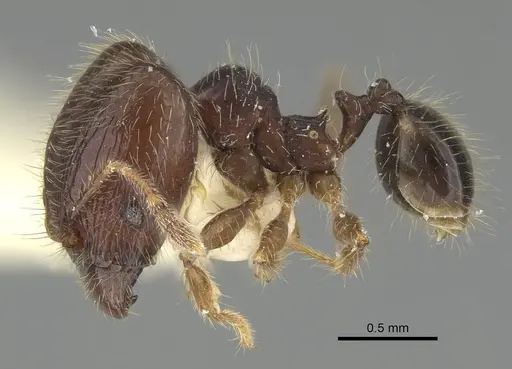
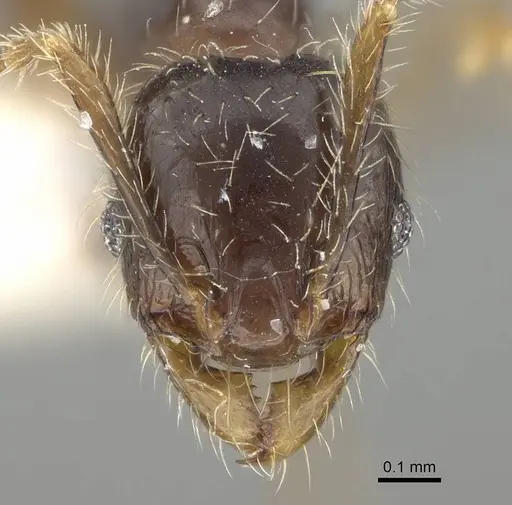
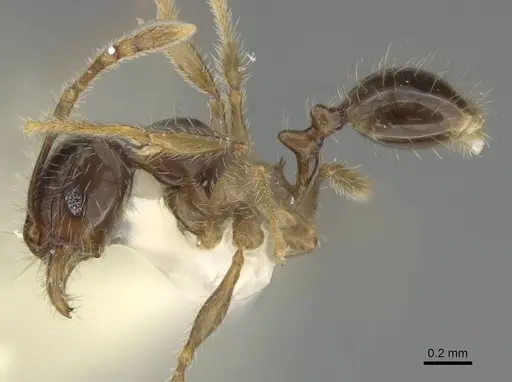
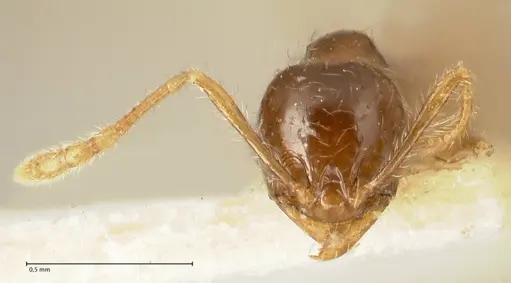
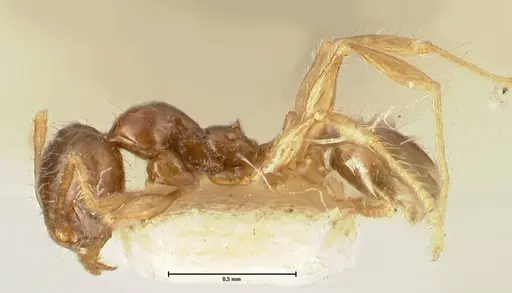
Pheidole sauberi is a small to medium-sized ant species native to Southeast Asia and the Australasian region, found across Borneo, Indonesia, the Philippines, Thailand, and New Guinea. Workers come in two distinct sizes: majors measure 2.1-2.7mm with large heads packed with powerful mandibles, while minors are much smaller at 1.4-1.8mm with typical ant proportions. The body coloration ranges from yellowish-brown to dark reddish-brown. This species is notable for its association with rotting wood in lowland and hill forests, and it has an unusual trait where some workers become infected with parasitic nematodes (mermithergates), which represent about 7% of the adult population in some colonies. The queen was only recently described in 2021,making this a relatively newly understood species in the antkeeping hobby.
Quick Summary
- Difficulty: Medium
- Origin & Habitat: Native to Southeast Asia and the Australasian region, including Borneo, Indonesia, Philippines, Thailand, and New Guinea. Inhabits well-developed lowland and hill forests, typically nesting in rotting wood blocks on the ground [1]. Also found in rubber plantations and alluvial forests [2][3].
- Colony Type: Single-queen colonies (monogyne) with documented mermithergate workers, workers infected with parasitic nematodes that represent approximately 7% of the adult population [4].
- Colony: Monogyne
- Founding: Claustral
- Size & Growth:
- Queen: Queens are approximately 7-8mm in total length (HL 1.00mm, HW 1.13mm, WL 1.55mm, GL 1.75mm) [4].
- Worker: Major workers: 2.1-2.7mm. Minor workers: 1.4-1.8mm [1].
- Colony: Colonies can reach at least 500+ workers, with documented colonies containing 94 majors and 442 minors plus 42 mermithergates [4].
- Growth: Moderate, typical for Pheidole species
- Development: Estimated 6-8 weeks based on typical Pheidole development patterns at tropical temperatures. (Development time is inferred from genus-level data since species-specific development has not been directly studied.)
- Antkeeping:
- Temperature: Keep at 24-28°C, reflecting their tropical forest origin in Southeast Asia and New Guinea. A slight temperature gradient allows workers to regulate their conditions.
- Humidity: Require high humidity consistent with their forest floor habitat. Keep the nest substrate consistently moist but not waterlogged, as they naturally nest in rotting wood which holds moisture while allowing drainage.
- Diapause: No true diapause required, as a tropical species, they remain active year-round. However, slight temperature reductions during cooler months may be appropriate if your room temperature drops significantly.
- Nesting: Naturally nests in rotting wood blocks on the ground. In captivity, they do well in Y-tong (AAC) nests, plaster nests, or naturalistic setups with rotting wood pieces. They prefer tight, enclosed spaces scaled to their size. Avoid dry, arid setups.
- Behavior: Pheidole sauberi is a relatively calm species with typical Pheidole foraging behavior, minor workers search for food while majors may defend the nest or help process larger prey. They are known to raid other ant colonies for food, as evidenced by finding pupae of other species in their nests [4]. Escape prevention is important for the smaller minor workers, though they are not as tiny as some Myrmicinae. They show moderate activity levels and will readily accept protein foods and sugar sources.
- Common Issues: mermithergate infection, some workers may be infected with parasitic nematodes, which can appear as enlarged, pale individuals in the colony. This is a natural occurrence in wild colonies., humidity management, being forest-floor species, they are sensitive to dry conditions. Too-dry housing leads to colony decline., escape risk, minor workers are small and can squeeze through small gaps. Use appropriate barrier methods., slow founding, claustral queens may take several weeks to months before first workers emerge, requiring patience., parasite risk, wild-caught colonies may carry parasites that can affect captive colonies.
Nest Preferences and Housing
Pheidole sauberi naturally nests in rotting wood blocks on the forest floor in tropical lowland and hill forests. In captivity, they adapt well to several nest types. Y-tong (acrylic) nests work excellently because they provide the dark, enclosed environment these ants prefer while allowing you to observe colony development. Plaster nests are also suitable as they can maintain humidity well, which is important for this forest-dwelling species. Naturalistic setups with actual rotting wood pieces can recreate their natural environment but require more maintenance to prevent mold. Regardless of nest type, ensure the chambers are appropriately sized, Pheidole sauberi is not a large species, so overly large, open spaces may stress the colony. Keep the nest humid but ensure some dry areas exist so ants can self-regulate their moisture exposure. [4][1]
Feeding and Diet
In the wild, Pheidole sauberi is an omnivorous forager with evidence of predatory behavior. A notable finding shows they raid colonies of other ant species (Pheidole plinii pupae were found in a nest), making them at least partially predatory [4]. They also likely collect honeydew from aphids and tend scale insects, common behavior in the genus. In captivity, offer a varied diet: protein sources like small crickets, mealworms, fruit flies, or other small insects should form the staple protein source. Sugar water, honey, or commercial ant nectar products provide carbohydrates. Pheidole species typically accept both protein and sugar foods readily. Feed protein 2-3 times per week, and keep a sugar source available at all times. Remove uneaten prey after 24-48 hours to prevent mold issues.
Temperature and Seasonal Care
As a tropical species from Southeast Asia and New Guinea, Pheidole sauberi requires warm conditions year-round. Maintain temperatures between 24-28°C for optimal colony health and development. Temperatures below 22°C may slow activity and brood development, while temperatures above 30°C risk stressing the colony. Unlike temperate species, they do not require a winter diapause period. If your room temperature naturally drops during winter, consider using a gentle heating method like a heating cable on one side of the nest to maintain warmth. Always provide a temperature gradient so ants can move between warmer and cooler areas as needed. High humidity is equally important, aim for 60-80% relative humidity in the nest area, consistent with their forest floor habitat. [2][3]
Colony Structure and Unique Traits
One of the most fascinating aspects of Pheidole sauberi is the presence of mermithergate workers, workers infected with parasitic nematodes from the Mermithidae family. These infected workers represent approximately 7% of the adult population in documented colonies [4]. Mermithergates are distinctly different from normal workers: they are intermediate in size between major and minor workers, have a pale yellow coloration (compared to the normal brown of workers), and possess a disproportionately larger gaster. The nematode develops inside the ant's abdomen, eventually bursting out when mature. While this sounds alarming, it appears to be a natural occurrence in wild colonies. If you observe pale, enlarged workers in your colony, this is likely mermithism, a known trait of this species rather than a sign of disease.
Behavior and Temperament
Pheidole sauberi displays typical Pheidole behavior: active foragers with a clear division of labor between worker subcastes. Minor workers handle most foraging and brood care, while majors use their enlarged heads and mandibles for seed processing, nest defense, and crushing larger prey items. They are not particularly aggressive toward keepers but will defend their nest if threatened. Their small size means they are not capable of painful stings on human skin. The species shows some raiding behavior toward other ant colonies, which is an interesting natural history note but doesn't significantly impact captive care. They are moderate escape artists, not as problematic as tiny species like Wasmannia, but still require standard barrier methods like Fluon on test tube rims. [4]
Frequently Asked Questions
How long does it take for Pheidole sauberi queen to lay first workers?
Based on typical Pheidole development, expect first workers (nanitics) approximately 6-8 weeks after the queen lays eggs, assuming temperatures around 26°C. Claustral founding means the queen seals herself in and raises the first brood without leaving the nest, so be patient and avoid disturbing the founding chamber during this time.
What do Pheidole sauberi ants eat?
They are omnivorous. Offer small protein sources like fruit flies, pinhead crickets, or mealworms 2-3 times per week, and keep a sugar source (honey water or sugar water) available at all times. They will also likely accept commercial ant nectar products.
What temperature do Pheidole sauberi need?
Keep them warm at 24-28°C. This tropical species does not tolerate cool conditions well and does not require hibernation. A heating cable on one side of the nest can help maintain appropriate temperatures.
Are Pheidole sauberi good for beginners?
They are rated as medium difficulty. While not the easiest species, they are more forgiving than some tropical ants. The main challenges are maintaining humidity, providing appropriate warmth, and being patient through the slow founding phase. They are more rewarding than beginner species like Lasius once established.
How big do Pheidole sauberi colonies get?
Documented wild colonies reach at least 500+ workers. In captivity, with proper care, colonies can likely grow to several hundred workers over 1-2 years.
Why are some of my Pheidole sauberi workers pale and swollen?
These are mermithergates, workers infected with parasitic nematodes (Mermithidae). This is a natural trait of this species, with infected workers representing about 7% of the population. They appear pale yellow with enlarged gasters. This is not a disease you need to treat, it's a documented characteristic of P. sauberi.
Can I keep multiple Pheidole sauberi queens together?
This species is monogyne, meaning colonies naturally have a single queen. Combining unrelated queens is not recommended as they would likely fight. Only one queen per colony should be kept.
What humidity level do Pheidole sauberi need?
High humidity is essential, aim for 60-80% relative humidity in the nest. They naturally live in rotting wood on the forest floor, which stays consistently moist. Use moist substrate in test tubes or ensure plaster/Y-tong nests have water reservoirs.
When should I move Pheidole sauberi to a formicarium?
Wait until the colony has at least 30-50 workers before moving to a formicarium. Test tubes work well for founding colonies. Once the colony outgrows the test tube (typically when workers fill most of the water section), transfer to a proper nest setup.
Do Pheidole sauberi need a hibernation period?
No. As a tropical species from Southeast Asia and New Guinea, they do not require diapause or hibernation. Keep them warm year-round at 24-28°C.
What type of nest is best for Pheidole sauberi?
Y-tong (AAC) nests or plaster nests work well. They naturally nest in rotting wood, so naturalistic setups with wood pieces are also appropriate. The key is maintaining humidity while providing dark, enclosed chambers scaled to their small size.
References

This caresheet is licensed under CC BY-SA 4.0 .
CASENT0219512
View on AntWeb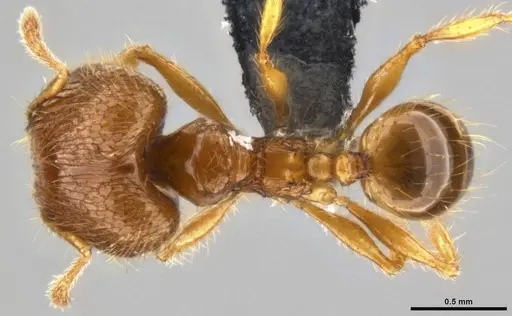
CASENT0282609
View on AntWeb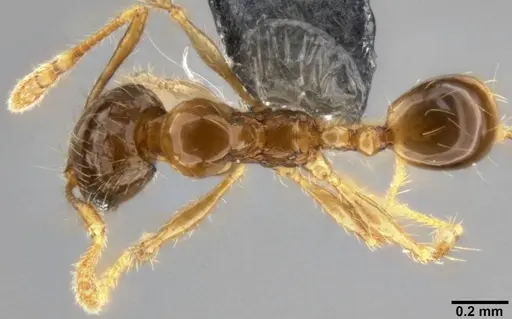
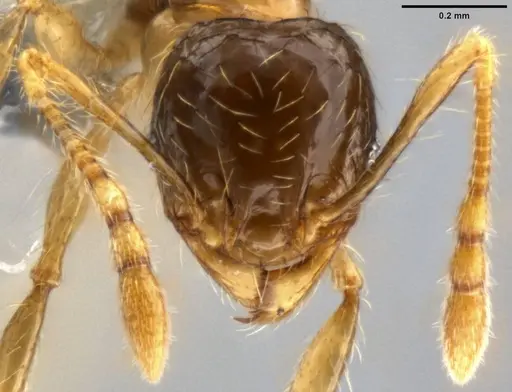
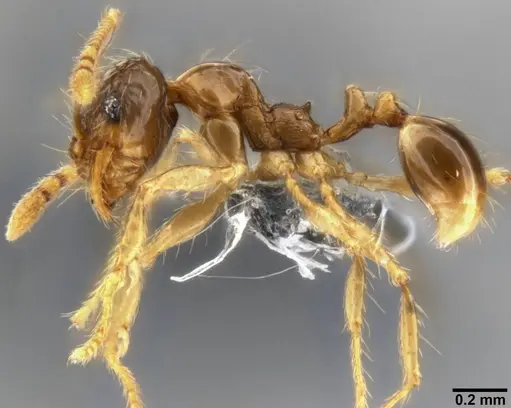
CASENT0904254
View on AntWeb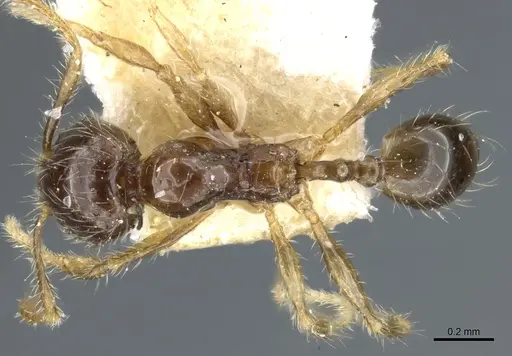
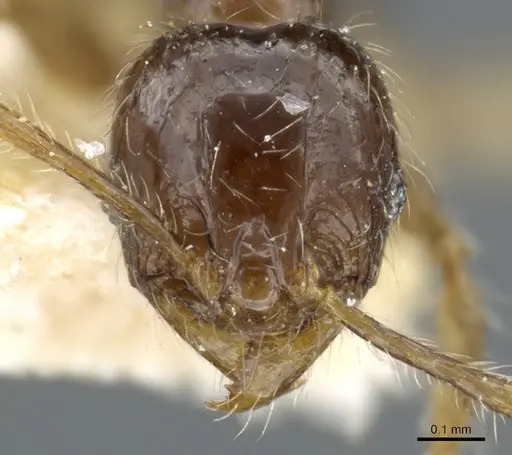
CASENT0907997
View on AntWeb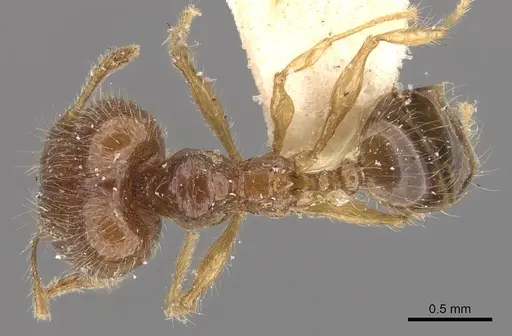
CASENT0907998
View on AntWeb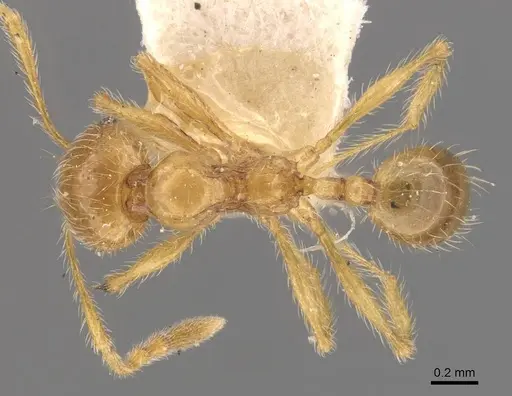
CASENT0919936
View on AntWeb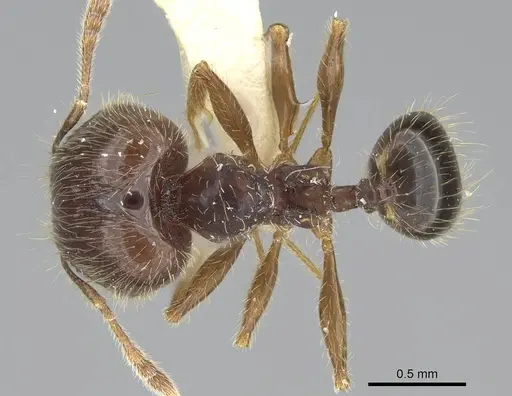
CASENT0919937
View on AntWeb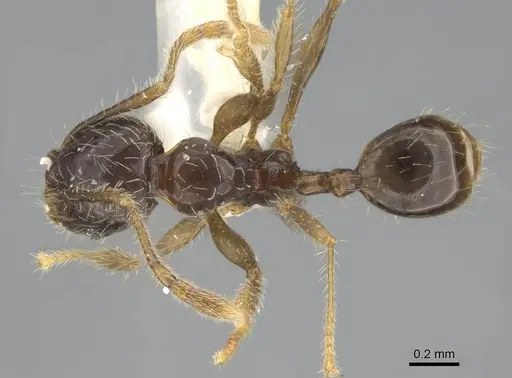
FOCOL1386
View on AntWeb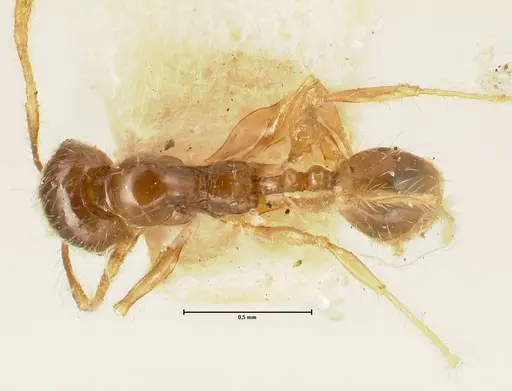
Literature
Loading...Loading products...