

Pheidole plinii
- Scientific Name
- Pheidole plinii
- Tribe
- Attini
- Subfamily
- Myrmicinae
- Author
- Forel, 1911
- Distribution
- Found in 1 countries
Pheidole plinii Overview
Pheidole plinii is an ant species of the genus Pheidole. It is primarily documented in 1 countries , including Singapore. Detailed taxonomic data and occurrence records can be further explored via authoritative databases such as AntWeb or the Global Biodiversity Information Facility (GBIF).
Pheidole plinii
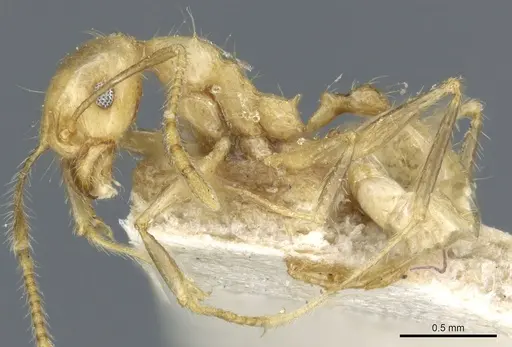
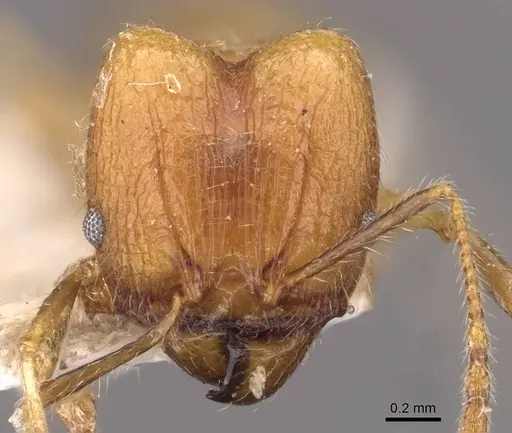
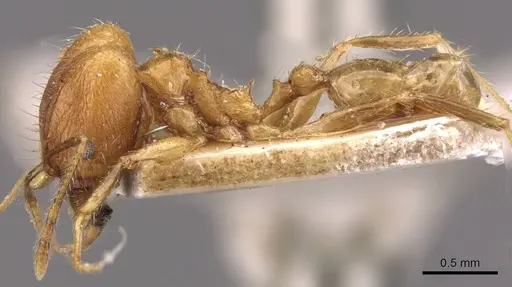
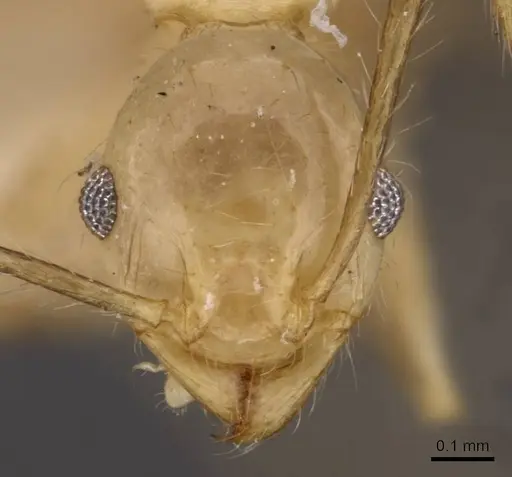
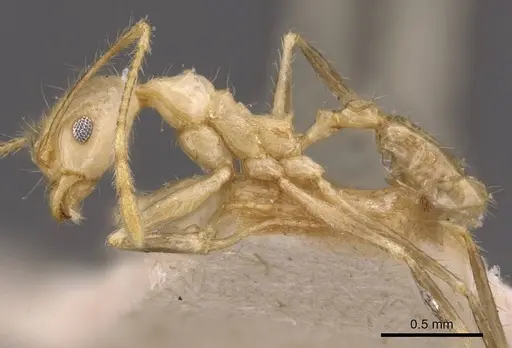
Pheidole plinii is a small myrmicine ant native to Southeast Asia, found across Borneo, Brunei, Indonesia, Malaysia, the Philippines, and Singapore. Like all Pheidole species, they have two distinct worker castes: large major workers with notably enlarged heads for seed-processing and defense, and smaller minor workers that handle most foraging and brood care. Majors measure 2.5-3.2mm while minors are 1.9-2.2mm. Their body is yellowish-brown to light brown with a smooth and shining appearance. This species inhabits well-developed lowland forests and has been collected in the canopy of lowland dipterocarp forests [1].
What makes P. plinii interesting is its flexibility in habitat use, while primarily a forest canopy species, research shows it can also thrive in human-modified landscapes like rubber plantations [2]. This adaptability, combined with their relatively small colony size, makes them an accessible species for antkeepers interested in Southeast Asian Pheidole.
Quick Summary
- Difficulty: Easy
- Origin & Habitat: Southeast Asia, Borneo, Brunei, Indonesia, Malaysia, Philippines, and Singapore. Inhabits well-developed lowland forests and has been collected in the canopy of lowland dipterocarp forests [1]. Also found in rubber plantations in southern Thailand [3].
- Colony Type: Single-queen (monogyne) colonies. Pheidole species typically have one queen per colony, though colony structure for this specific species has not been extensively studied.
- Colony: Monogyne
- Founding: Claustral
- Size & Growth:
- Queen: Undescribed in primary literature, estimated 6-8mm based on genus patterns
- Worker: Major: 2.5-3.2mm, Minor: 1.9-2.2mm [4]
- Colony: Colony size data limited, related Southeast Asian Pheidole typically reach several hundred workers
- Growth: Moderate, typical for tropical Pheidole
- Development: Estimated 5-7 weeks at optimal tropical temperatures (25-28°C) (Development time inferred from genus-level data for tropical Pheidole species)
- Antkeeping:
- Temperature: Keep at 24-28°C. These are tropical ants from lowland Southeast Asian forests, they prefer warm, stable conditions. A heating cable on one side of the nest creates an appropriate gradient [1].
- Humidity: Keep humidity moderate to high (60-80%). Their natural habitat in lowland dipterocarp forests is consistently humid. Use a moist substrate like sand/soil mix and provide a water tube for drinking water.
- Diapause: No, this is a tropical species that does not require hibernation. Maintain warm temperatures year-round.
- Nesting: In captivity, they do well in test tubes for founding, then transition to Y-tong (AAC), plaster, or naturalistic setups. They prefer chambers that accommodate both major and minor workers. A naturalistic setup with soil and some decaying wood mimics their forest floor habitat.
- Behavior: Pheidole plinii is generally peaceful and not aggressive toward keepers. As typical for Pheidole, majors use their enlarged heads to crack seeds and defend the colony, while minors handle most daily tasks. They are active foragers that will readily explore their outworld. Escape risk is moderate, their small size (minors under 2.2mm) means you should use fine mesh barriers and tight-fitting lids. They are not known to be particularly defensive but will bite if provoked.
- Common Issues: escape prevention is critical due to their small minor workers, use fine mesh and check for gaps regularly, tropical species will decline if temperatures drop below 22°C, keep warm year-round, colonies may struggle in dry conditions, monitor humidity and provide moisture sources, major workers develop slowly, don't be alarmed if early broods are all minors, rubber plantation origins mean they may be sensitive to pesticides, use organic food sources
Housing and Setup
For founding colonies, a standard test tube setup works well. Fill the tube one-third with water, plug with cotton, and place the queen in the dark. Once the first workers (nanitics) emerge and the colony reaches 20-30 workers, you can move them to a formicarium. Y-tong (AAC) nests work excellently for Pheidole, the chambers should be appropriately scaled to their small size. Alternatively, a naturalistic setup with a soil/sand mix and some leaf litter or decaying wood mimics their natural forest floor habitat. Provide an outworld connected to the nest for foraging. Because minors are only 1.9-2.2mm, use fine mesh (at least 0.5mm) for any barriers, these tiny ants can squeeze through standard mesh designed for larger species. [1][4]
Feeding and Diet
Pheidole plinii is omnivorous like most Pheidole species. In the wild, they collect seeds and hunt small insects. In captivity, offer a varied diet: protein sources like small crickets, mealworms, fruit flies, or other tiny insects twice weekly. They also readily accept sugar sources, a drop of honey water or sugar water should be provided regularly. Their minor workers will take food back to the nest to feed the colony. Remove uneaten prey after 24-48 hours to prevent mold. Given their rubber plantation origins in Thailand [3], they may have some tolerance for modified habitats, but always use pesticide-free food sources.
Temperature and Seasonal Care
These are tropical ants requiring warm conditions year-round. Maintain temperatures between 24-28°C in the nest area. A heating cable placed on one side of the nest creates a gentle thermal gradient the ants can choose within. Avoid temperatures below 22°C, prolonged cold will weaken and potentially kill the colony. Unlike temperate species, they do not require diapause or winter cooling. Room temperature in most homes may be too cold in winter, consider using a small heat mat or placing the colony in a warmer room. Their natural habitat in lowland dipterocarp forests of Borneo and Singapore [1] is consistently warm year-round.
Colony Development
A newly mated queen will seal herself in a claustral chamber and lay eggs without leaving to forage, she lives entirely on her stored fat reserves until the first workers emerge. First broods are typically small (5-15 nanitics) and may be all minor workers. As the colony grows, you'll see more majors appearing. Pheidole colonies can produce majors once they reach a certain population threshold, this is triggered by colony age and size rather than food availability. Majors develop more slowly than minors due to their larger size. Be patient, a healthy colony should reach 100 workers within 6-12 months under optimal conditions.
Behavior and Observation
One of the fascinating aspects of keeping Pheidole plinii is observing the division of labor between castes. Minor workers handle most tasks: foraging, caring for brood, and maintaining the nest. Major workers specialize in seed processing (though less relevant in captivity), colony defense, and food storage. When you disturb the nest, majors may rush to defend the entrance with their enlarged heads. They are not particularly aggressive toward keepers but will bite if directly threatened. In the outworld, you'll see minors actively patrolling and carrying food back to the nest. Provide enrichment like small objects or leaf litter to encourage natural foraging behaviors. [4]
Frequently Asked Questions
How long does it take for Pheidole plinii to produce first workers?
Expect first workers (nanitics) to emerge in 5-7 weeks at optimal temperatures of 25-28°C. This is typical for tropical Pheidole species. The queen will remain sealed in her chamber until the first minors hatch.
Can I keep multiple Pheidole plinii queens together?
No, Pheidole plinii is monogyne (single-queen). Unlike some Pheidole species that can be polygynous, this species forms single-queen colonies. Combining unrelated queens will result in fighting.
What do Pheidole plinii ants eat?
They are omnivorous. Offer small protein sources like fruit flies, small crickets, or mealworms twice weekly. Also provide a constant sugar source like honey water or sugar water. Remove uneaten prey after 24 hours to prevent mold.
Do Pheidole plinii ants need hibernation?
No, they are tropical ants from Southeast Asia and do not require diapause. Keep them warm year-round at 24-28°C. Temperatures below 22°C can be harmful.
Are Pheidole plinii good for beginners?
Yes, they are considered easy to keep. They are relatively forgiving of minor care mistakes, don't require hibernation, and are not aggressive. Their small size does require attention to escape prevention.
When should I move my colony to a formicarium?
Move them once the colony reaches 20-30 workers. A test tube setup is fine for founding, but larger colonies need more space. Y-tong nests work well for Pheidole species.
How big do Pheidole plinii colonies get?
Based on related Southeast Asian Pheidole species, colonies likely reach several hundred workers. The exact maximum for this species has not been documented.
Why aren't my major workers developing?
Major workers typically appear once the colony reaches a certain size and age. Early broods are often all minors as the colony prioritizes workforce expansion. Majors will appear as the colony matures, this can take several months.
What's the best nest type for Pheidole plinii?
Y-tong (AAC) nests work excellently, they provide appropriately sized chambers and good humidity control. Plaster nests or naturalistic setups with soil also work well. Avoid nests with overly large chambers.
References

This caresheet is licensed under CC BY-SA 4.0 .
CASENT0281663
View on AntWeb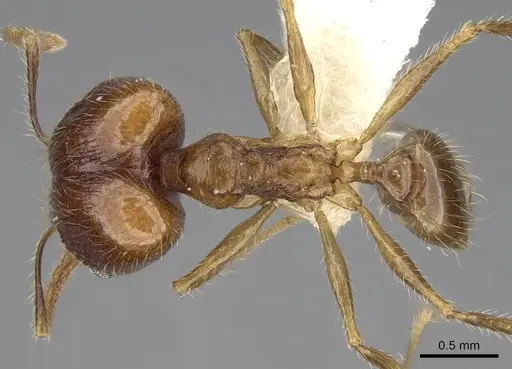
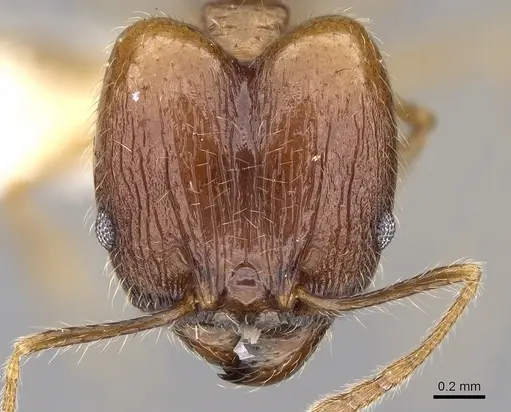
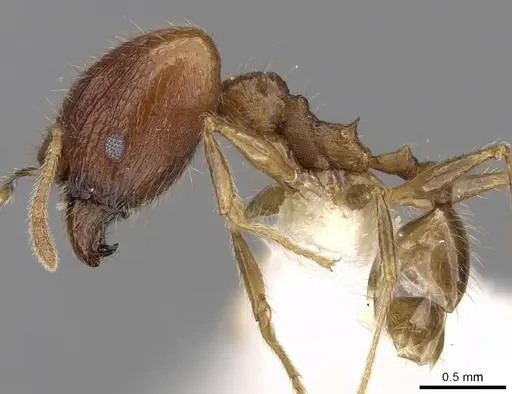
CASENT0281664
View on AntWeb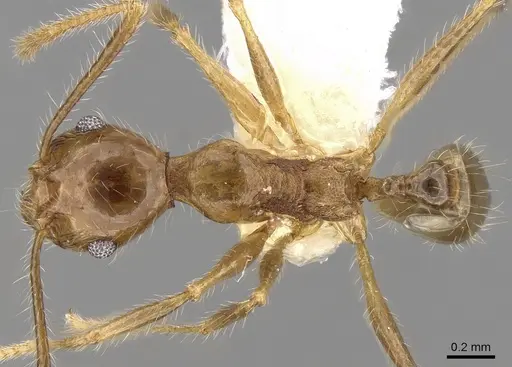
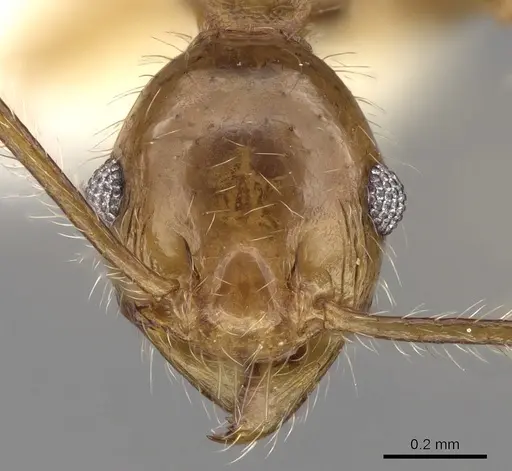
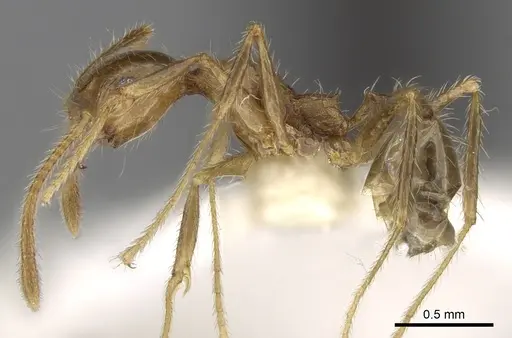
CASENT0904258
View on AntWeb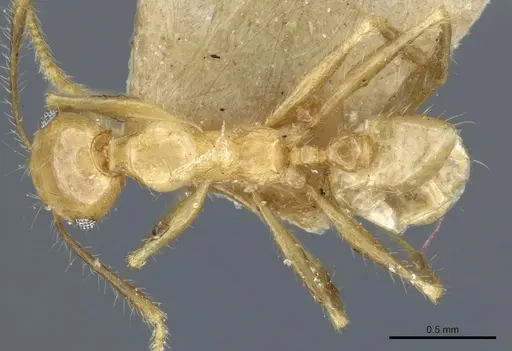
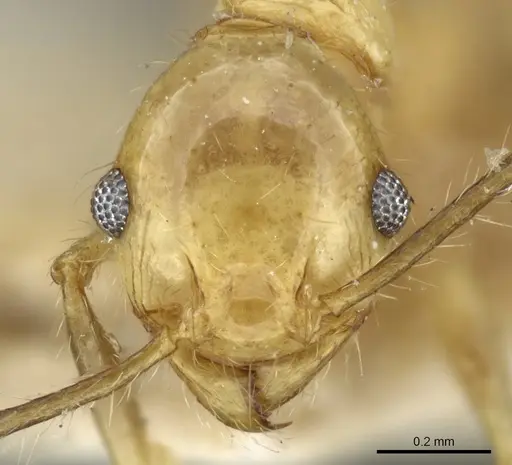
CASENT0907938
View on AntWeb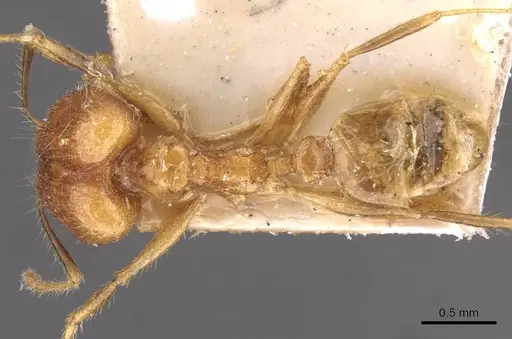
CASENT0907939
View on AntWeb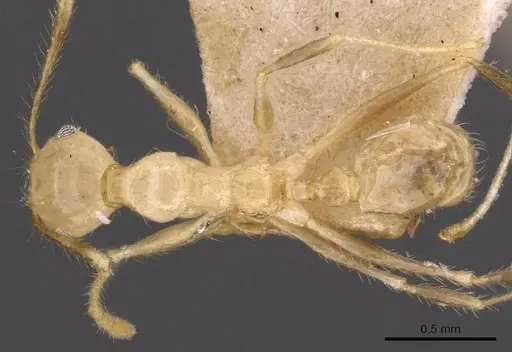
Literature
Loading...Loading products...