

Pheidole ryukyuensis
- Scientific Name
- Pheidole ryukyuensis
- Tribe
- Attini
- Subfamily
- Myrmicinae
- Author
- Ogata, 1982
- Distribution
- Found in 1 countries
Pheidole ryukyuensis Overview
Pheidole ryukyuensis is an ant species of the genus Pheidole. It is primarily documented in 1 countries , including Japan. Detailed taxonomic data and occurrence records can be further explored via authoritative databases such as AntWeb or the Global Biodiversity Information Facility (GBIF).
Pheidole ryukyuensis
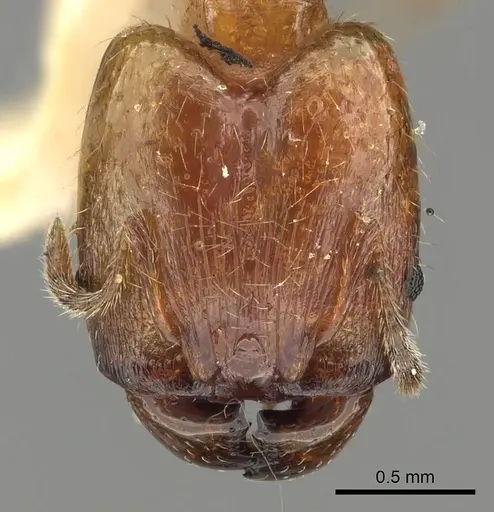
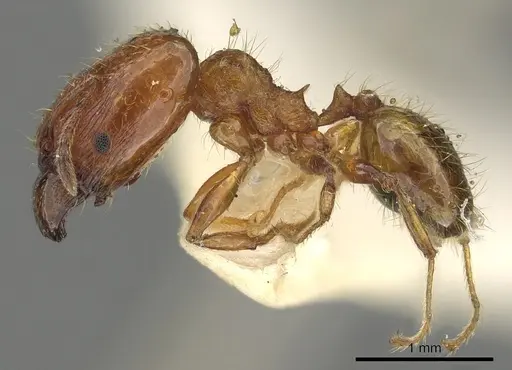
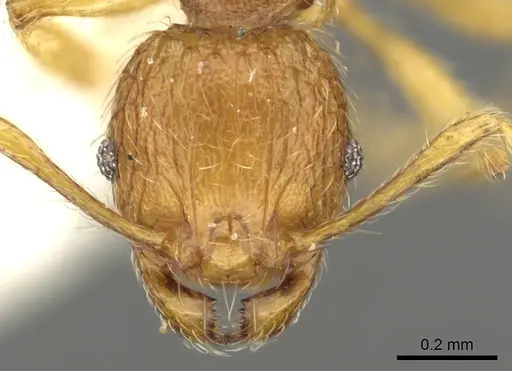
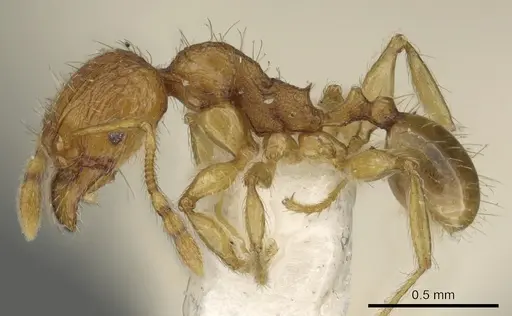
Pheidole ryukyuensis is a small, strongly dimorphic ant species endemic to the Ryukyu Islands of southern Japan [1]. Workers measure around 2mm while the major workers (soldiers) are larger at 3.5mm with distinctive elongated heads [2]. The species has a reddish-brown coloration and builds nests in moist habitats, typically in decayed wood, soil, or under stones in woodland areas [3]. This is a forest-dwelling species that coexists with Pheidole pieli in its native range [1].
One of the most interesting traits of this species is that soldiers can act as repletes, they store liquid food in their crops and later redistribute it to nestmates through trophallaxis (mouth-to-mouth food sharing) during times of food shortage [3][4]. This makes them fascinating to watch as soldiers become living food storage containers when well-fed, then shrink back down when food becomes scarce.
Quick Summary
- Difficulty: Easy
- Origin & Habitat: Ryukyu Islands (Okinawa Islands and Yaeyama Islands), Japan, subtropical islands with moist, forested habitats [1][2]
- Colony Type: Endemic single-queen species from dense forest environments [5]
- Colony: Monogyne
- Founding: Claustral
- Size & Growth:
- Queen: 5.5mm body length with 1.19mm head width [1]
- Worker: 2mm minor workers,3.5mm major workers (soldiers) [2]
- Colony: Unknown maximum, typical Pheidole colony sizes likely apply
- Growth: Moderate, typical for Pheidole genus
- Development: 6-10 weeks estimated based on typical Pheidole development patterns (Development time inferred from genus patterns as species-specific data unavailable)
- Antkeeping:
- Temperature: Keep at 22-26°C, subtropical species from warm islands, room temperature often suitable
- Humidity: Requires moist conditions, keep nest substrate damp but not waterlogged. This species naturally inhabits damp woodland areas [3]
- Diapause: Likely minimal or no true diapause, subtropical species from islands with mild winters. May show reduced activity in cooler months.
- Nesting: Prefers moist nest conditions, test tubes with water reservoirs work well, or Y-tong/plaster nests. They naturally nest in decayed wood, soil, or under stones [3]
- Behavior: Generally peaceful and non-aggressive. Major workers (soldiers) are primarily food storers and defenders rather than foragers. Workers forage for small prey and tend honeydew-producing insects. Escape risk is low, their small size is manageable with standard escape prevention. The replete behavior where soldiers store liquid food is fascinating to observe.
- Common Issues: moisture management is critical, too dry and colonies will fail, too wet and mold becomes a problem, colonies may grow slowly initially, patience is needed during founding phase, test tube setups must have proper water reservoir size to maintain humidity without flooding, wild-caught colonies may carry parasites that can devastate captive populations, major workers (soldiers) may die off during colony stress, this is normal, not necessarily a problem
Housing and Nest Preferences
Pheidole ryukyuensis does well in standard test tube setups commonly used for ant keeping. The key is maintaining moisture, these ants come from moist woodland habitats in the Ryukyu Islands and need consistent humidity [3]. A test tube with a water reservoir at one end, plugged with cotton, provides ideal conditions. The cotton should be kept damp but not soaking wet. For larger colonies, a Y-tong (acrylic) nest or plaster nest works well, as these materials hold moisture better than acrylic alone. Avoid completely dry environments or nests that dry out quickly. They naturally nest in decayed wood, soil, or under stones, so a naturalistic setup with moist substrate is also appropriate.
Feeding and Diet
Like most Pheidole species, these ants are omnivorous and will accept a variety of foods. Offer protein sources such as small insects (fruit flies, small crickets, mealworms), and provide sugar sources like sugar water, honey, or diluted honey water. The unique feature of this species is the replete behavior, soldiers can store liquid food in their crops, becoming living storage containers [3][4]. When you feed them sugary liquids, you may observe some soldiers becoming engorged with liquid, their gasters swelling noticeably. This is normal and healthy behavior. During food shortages, these repletes will redistribute the stored food to hungry nestmates. Feed protein 2-3 times per week and keep sugar water available constantly.
Temperature and Seasonal Care
As a subtropical species from the Ryukyu Islands, Pheidole ryukyuensis prefers warm conditions. Keep the nest area at 22-26°C for optimal colony health and growth. Room temperature is often suitable for this species since the Ryukyu Islands have a subtropical climate with mild winters. Avoid temperatures below 18°C for extended periods. They do not require a true hibernation like temperate species, but may show reduced activity during cooler months. If your room temperature drops significantly in winter, consider using a small heating cable on one side of the nest to maintain warmth. A temperature gradient allows ants to choose their preferred warmth level. [1][2]
Understanding the Soldier Caste
One of the most fascinating aspects of keeping Pheidole ryukyuensis is observing their strongly dimorphic caste system. The minor workers are small (2mm) and handle most foraging and brood care duties, while the major workers (soldiers) at 3.5mm have enlarged heads and mandibles [2]. The soldiers serve multiple roles: they defend the colony, crack open seeds or hard prey items, and most interestingly, they act as living food storage vessels (repletes) [3]. When you feed the colony sugary liquids, you may see certain soldiers becoming engorged, their gasters fill with liquid and become translucent. This is not a health problem, it's their natural way of storing food for leaner times. When food becomes scarce, these repletes will regurgitate the stored liquid to share with hungry nestmates.
Colony Development
Pheidole colonies grow through a well-defined caste system. The queen lays eggs that hatch into larvae, then pupate, and emerge as adult workers. The first workers (nanitics) are typically smaller than normal workers but are sufficient to take over foraging and brood care duties. As the colony grows, you will start seeing more major workers (soldiers) appear. The production of majors is regulated by the colony based on its needs, more soldiers are produced when the colony has abundant food or faces increased defense needs. A mature colony will have a balanced ratio of minor workers and major soldiers. Growth rate is moderate, expect 6-10 weeks from egg to first worker under optimal conditions, and several months to a year to reach a substantial colony size.
Handling Common Problems
The most common issues with Pheidole ryukyuensis relate to moisture management. Too little humidity and the colony will become sluggish and may fail to thrive. Too much moisture leads to mold growth, which can be fatal. Strike a balance by keeping the nest substrate damp but not waterlogged, and ensure some drier areas exist within the setup so ants can self-regulate. Another issue is overfeeding, excess food decays and causes mold. Remove uneaten prey after 24-48 hours. Wild-caught colonies may carry internal parasites that can wipe out colonies in captivity, so quarantine new colonies if possible. Finally, soldiers may die during colony stress or relocation, this is normal and not a cause for alarm as long as the queen and minor workers survive. [3]
Frequently Asked Questions
How long does it take for Pheidole ryukyuensis to produce first workers?
Expect 6-10 weeks from egg to first worker under optimal temperature conditions (22-26°C). This is typical for the Pheidole genus. The first workers will be nanitics (smaller than normal workers) but will immediately begin foraging and caring for subsequent brood.
Can I keep multiple Pheidole ryukyuensis queens together?
No, this is a monogyne (single-queen) species. Unlike some tramp ant species, Pheidole ryukyuensis is an endemic forest species that forms single-queen colonies [5]. Combining unrelated queens will result in fighting. Only keep one queen per colony.
What do I feed Pheidole ryukyuensis?
Offer a varied diet: protein sources like small insects (fruit flies, pinhead crickets, mealworms) 2-3 times per week, and keep sugar water or honey available constantly. The fascinating part is watching soldiers become repletes when fed sugary liquids, they store the liquid in their crops.
Are Pheidole ryukyuensis good for beginners?
Yes, this species is rated as easy to keep. They are forgiving of minor care mistakes, don't require special heating in most homes, and their replete behavior makes them fascinating to observe. Their modest size also means standard test tube setups work well.
Do Pheidole ryukyuensis need hibernation?
No, as a subtropical species from the Ryukyu Islands, they do not require true hibernation. They may reduce activity in cooler months, but a full diapause is not necessary. Simply keep them at normal room temperature year-round.
When should I move my colony to a formicarium?
Move to a larger nest (Y-tong, plaster, or naturalistic setup) when the colony reaches 50-100 workers and the test tube is becoming crowded. The key indicator is workers constantly clustering near the water reservoir or the cotton drying out too quickly despite regular maintenance.
Why are my soldier ants so fat? Is something wrong?
Nothing is wrong, this is normal and healthy behavior! Pheidole ryukyuensis soldiers act as repletes, storing liquid food in their crops [3][4]. When well-fed, their gasters become engorged and translucent. This is how they store food for distribution during lean times. The soldiers will shrink back down when food becomes scarcer.
How big do Pheidole ryukyuensis colonies get?
Exact maximum colony size is unknown for this specific species, but typical Pheidole colonies reach several hundred workers. A mature colony will have a good proportion of major workers (soldiers) alongside the minor workers.
References

This caresheet is licensed under CC BY-SA 4.0 .
CASENT0901527
View on AntWeb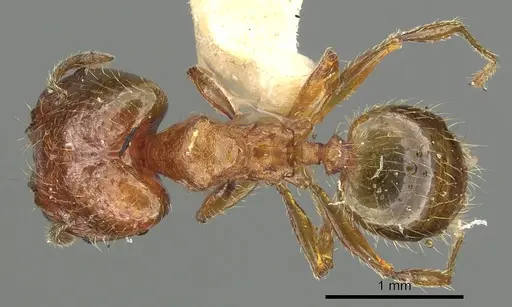
CASENT0901528
View on AntWeb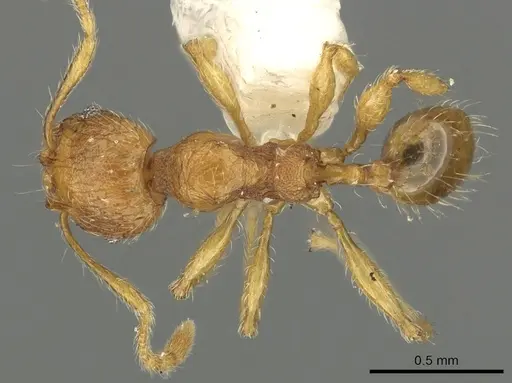
Literature
Loading...Loading products...