

Pheidole pieli
- Scientific Name
- Pheidole pieli
- Tribe
- Attini
- Subfamily
- Myrmicinae
- Author
- Santschi, 1925
- Distribution
- Found in 7 countries
Pheidole pieli Overview
Pheidole pieli is an ant species of the genus Pheidole. It is primarily documented in 7 countries , including China, Hong Kong, Japan. Detailed taxonomic data and occurrence records can be further explored via authoritative databases such as AntWeb or the Global Biodiversity Information Facility (GBIF).
Pheidole pieli
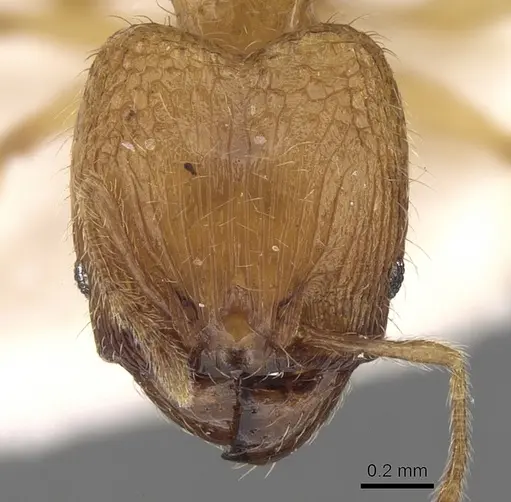
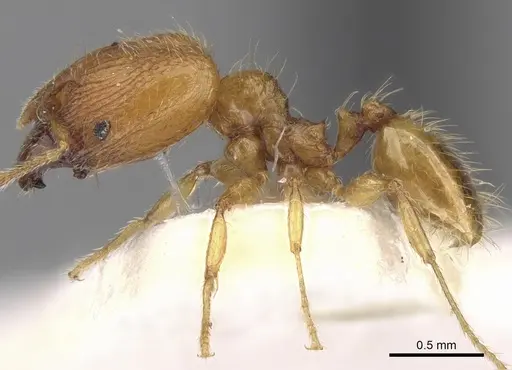
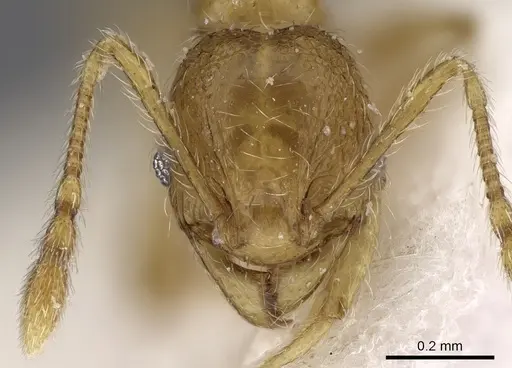
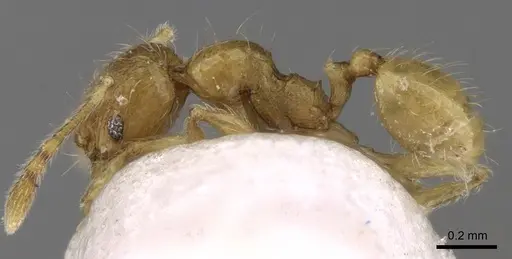
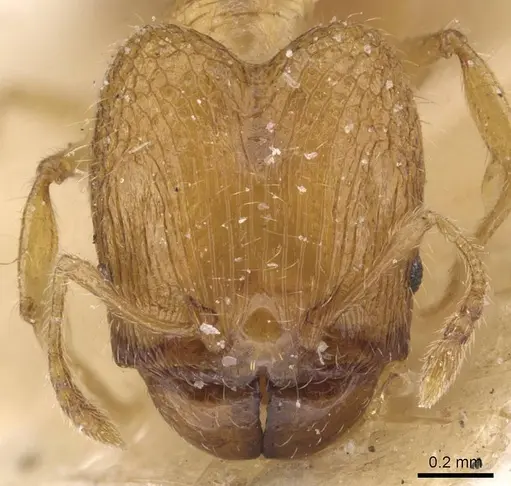
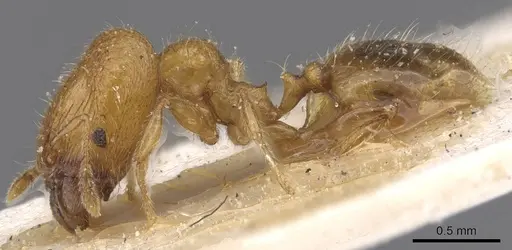
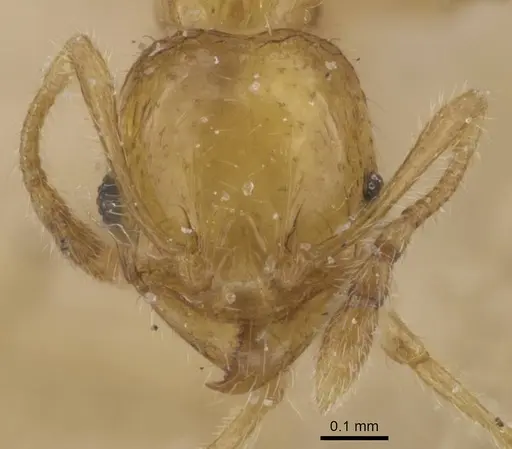
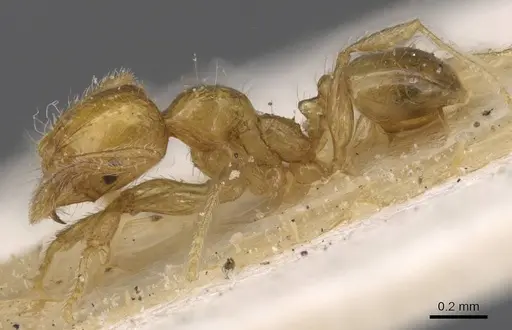
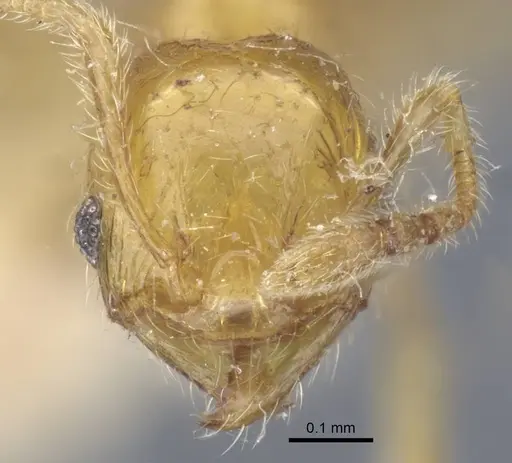
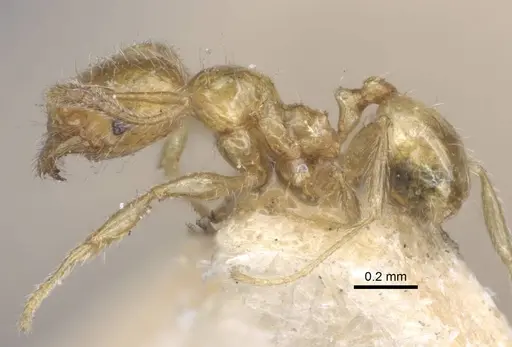
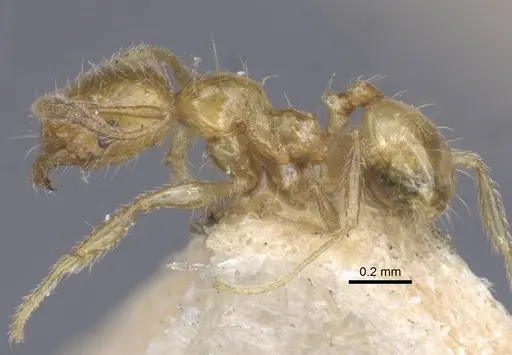
Pheidole pieli is a small Myrmicine ant known for its strongly dimorphic workers, the major workers (soldiers) have enlarged heads and measure 2.8-3.0mm, while minor workers are 1.6-1.8mm [1][2]. This species is found across East and Southeast Asia, including Japan, Korea, China, Vietnam, and Thailand [3][4]. Colonies are polygynous, meaning they contain multiple queens, and can grow to around 2,000 workers [5][6]. The species prefers forest edges and moist woodland habitats, nesting in soil, decaying wood, and under stones [3][4]. One unique trait of this species is that major workers serve as repletes, they store liquid food in their distended abdomens to feed the colony during lean times [3][7].
Quick Summary
- Difficulty: Easy
- Origin & Habitat: Native to East and Southeast Asia (Japan, Korea, China, Vietnam, Thailand). Found in moist woodland habitats, forest edges, and areas with poorly developed vegetation. Nests in soil, decaying wood, and under stones [3][4][5].
- Colony Type: Polygynous (multiple queens in a single colony) [6]. This is a stenochoric species, meaning it's found in specific, limited habitats rather than being widespread generalists.
- Colony: Polygyne
- Founding: Claustral
- Size & Growth:
- Queen: 3.1-3.6mm [8], estimated from Japanese population data
- Worker: Minor workers: 1.6-1.8mm, Major workers: 2.8-3.0mm [1][2]
- Colony: Up to around 2,000 workers [5]
- Growth: Moderate, based on typical Pheidole development patterns
- Development: 6-8 weeks, estimated based on typical Pheidole genus development at warm temperatures (Development time is typical for subtropical Pheidole species. Queens areclaustral (seal themselves in to raise first workers alone).)
- Antkeeping:
- Temperature: Keep at 22-26°C. This species tolerates a range from temperate to subtropical conditions, reflecting its wide distribution from Japan to Thailand [3]. Room temperature within this range works well.
- Humidity: Prefers moist conditions. Keep nest substrate damp but not waterlogged. These ants naturally inhabit moist woodland, so provide a water tube and ensure the nest area stays humid [5].
- Diapause: Yes, Japanese populations experience winter dormancy. Reduce temperature to 10-15°C for 2-3 months during winter if your colony shows slowed activity [5].
- Nesting: Flexible, they nest in soil, decaying wood, and under stones in the wild [3][4]. In captivity, a Y-tong (AAC) nest or test tube setup works well. Provide some moist substrate and ensure dark, quiet conditions.
- Behavior: Generally peaceful and non-aggressive toward keepers. Workers forage on the ground surface and within soil [9]. They gather seeds and are known to tend to honeydew-producing insects. Majors serve as repletes, storing liquid food, this is a fascinating behavior where you'll see major workers with distended abdomens. Escape risk is moderate, they're small but not particularly good climbers. Standard barrier methods work fine.
- Common Issues: colonies may fail if kept too dry, they need consistent moisture, polygynous colonies can be sensitive to disturbance, handle gently during transfers, slow growth in the first few months as colony establishes, be patient, majors as repletes means you need to provide consistent liquid food sources
Housing and Nest Setup
Pheidole pieli is adaptable and will do well in several nest types. A Y-tong (AAC) nest works excellently, the porous material maintains humidity well and provides the dark, quiet environment these ants prefer. Test tube setups are also suitable, especially for founding colonies. Because they nest in soil and decaying wood in the wild, adding a thin layer of moist substrate to the outworld helps them feel at home. They don't need elaborate setups, focus on maintaining consistent humidity and providing darkness in the nest area. The outworld can be simple with just a feeding station. [3][4][5]
Feeding and Diet
This species is omnivorous with a preference for seeds and protein. In the wild, workers gather seeds like sesame and amaranthus from the ground [3][4]. They'll readily accept protein sources like small insects (fruit flies, small mealworms, crickets) and will also take sugar water or honey. The majors serving as repletes is particularly interesting, you'll see major workers with greatly distended abdomens storing liquid food. This means providing consistent liquid food (sugar water, honey water) is important for colony health. Feed protein 2-3 times per week and keep sugar water available constantly. Remove uneaten food after 24 hours to prevent mold.
Temperature and Seasonal Care
Keep your colony at 22-26°C for optimal growth and activity. This species tolerates a range from cool temperate to warm subtropical conditions, reflecting its natural range from Japan to Thailand. Japanese populations experience distinct seasons and will benefit from a winter rest period. If your colony shows signs of slowing down in winter (reduced activity, workers clustering), reduce temperature to 10-15°C for 2-3 months. This diapause period mimics their natural cycle and helps maintain colony health long-term. Avoid sudden temperature changes, gradual transitions are better. [3][5]
Understanding Colony Structure
Pheidole pieli is polygynous, meaning colonies naturally have multiple queens working together [6]. This is unusual compared to many ant species that have single queens, and it affects how you care for them. Multiple queens means colonies can grow larger and recover faster from losses, but it also means you shouldn't remove queens during transfers. The species is stenochoric, meaning it's particular about its habitat, it prefers specific conditions like moist woodland edges rather than disturbed areas. This translates to needing consistent humidity and avoiding overly dry or unstable environments. Watching the majors serve as repletes is one of the most interesting aspects of keeping this species, these specialized workers store liquid food to share with the colony.
Frequently Asked Questions
How long does it take for Pheidole pieli to produce first workers?
Expect first workers (nanitics) around 6-8 weeks after the queen lays eggs, assuming temperatures around 24-26°C. This is typical for Pheidole species. The queen will seal herself in and not emerge until her first workers hatch.
Can I keep multiple queens together in one setup?
Yes, this species is naturally polygynous, meaning multiple queens live together in one colony [6]. You can introduce additional founding queens to an established colony, though it's not necessary for colony success.
What do I feed Pheidole pieli?
Offer a varied diet: protein (small insects like fruit flies, pinhead crickets, small mealworms) 2-3 times per week, and keep sugar water or honey water available constantly. They also accept seeds in captivity. Remove uneaten food after 24 hours.
Do they need hibernation?
Yes, Japanese populations experience winter dormancy. If your colony shows reduced activity in winter, provide a cool period at 10-15°C for 2-3 months. This mimics their natural seasonal cycle and helps maintain long-term colony health.
Are Pheidole pieli good for beginners?
Yes, they're considered easy to keep. They're adaptable to various nest types, accept a wide diet, and have relatively simple humidity requirements. The main things to watch are keeping humidity consistent and providing the winter rest period if your colony shows seasonal behavior.
How big do colonies get?
Colonies can reach around 2,000 workers at maturity [5]. This is moderate size for Pheidole, not as large as some tramp species but substantial enough to be rewarding to watch.
Why do some workers have fat abdomens?
Those are major workers serving as repletes, a specialized role where they store liquid food in their distended abdomens to feed the colony during times when food is scarce [3][7]. This is normal and shows your colony is healthy and well-fed.
When should I move them to a formicarium?
You can move them once the colony reaches several hundred workers and the test tube setup feels cramped. A Y-tong or acrylic nest works well. They adapt readily to captive nests, but always provide a water tube and maintain humidity.
What's the difference between major and minor workers?
Major workers (soldiers) have enlarged heads and are larger (2.8-3.0mm), while minor workers are smaller (1.6-1.8mm) with normal-proportioned heads [1][2]. Majors defend the colony, process food, and serve as repletes. Minors do most of the foraging and brood care.
References

This caresheet is licensed under CC BY-SA 4.0 .
CASENT0281693
View on AntWeb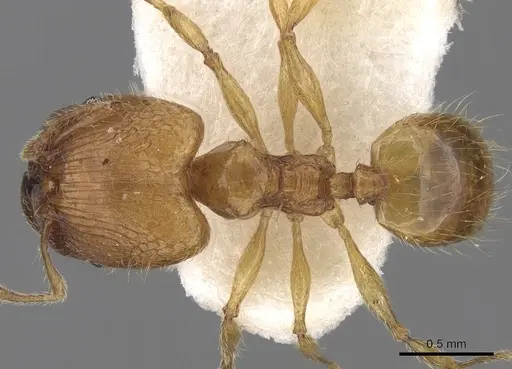
CASENT0281694
View on AntWeb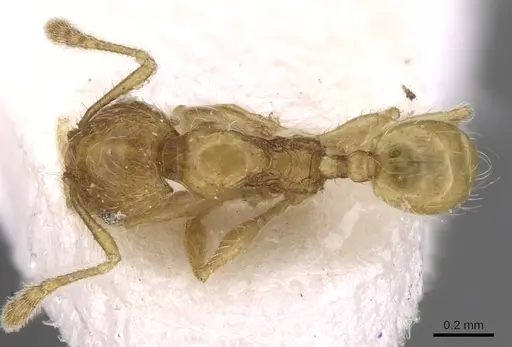
CASENT0913392
View on AntWeb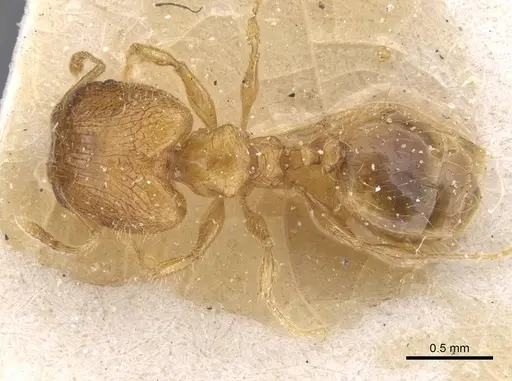
CASENT0913393
View on AntWeb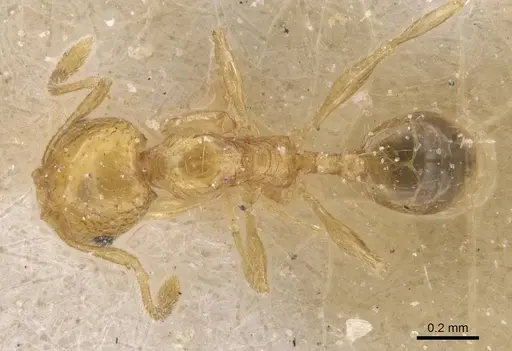
CASENT0916953
View on AntWeb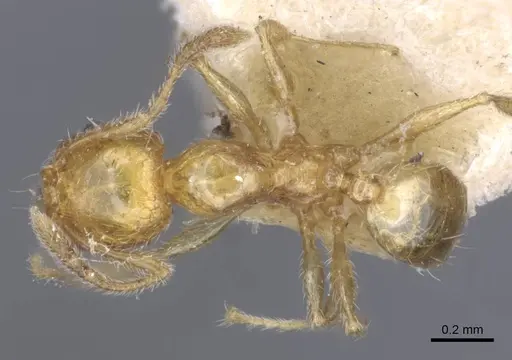
Literature
Loading...Loading products...