

Pheidole rugocephala
- Scientific Name
- Pheidole rugocephala
- Tribe
- Attini
- Subfamily
- Myrmicinae
- Author
- Salata & Fisher, 2020
- Distribution
- Found in 1 countries
Pheidole rugocephala Overview
Pheidole rugocephala is an ant species of the genus Pheidole. It is primarily documented in 1 countries , including Madagascar. Detailed taxonomic data and occurrence records can be further explored via authoritative databases such as AntWeb or the Global Biodiversity Information Facility (GBIF).
Pheidole rugocephala
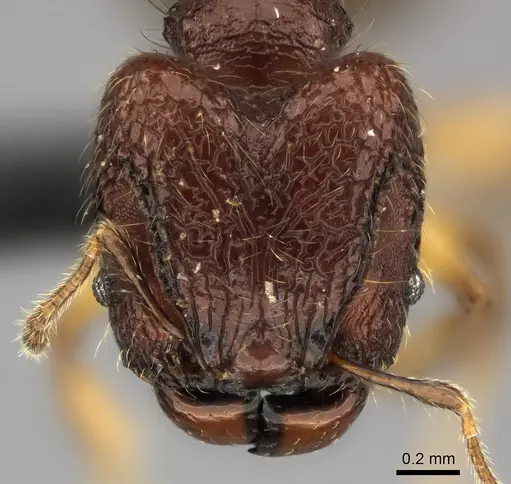
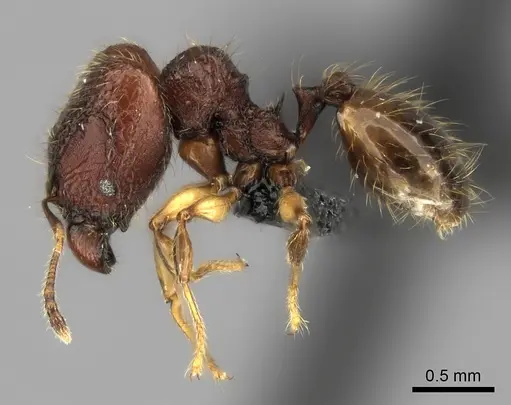
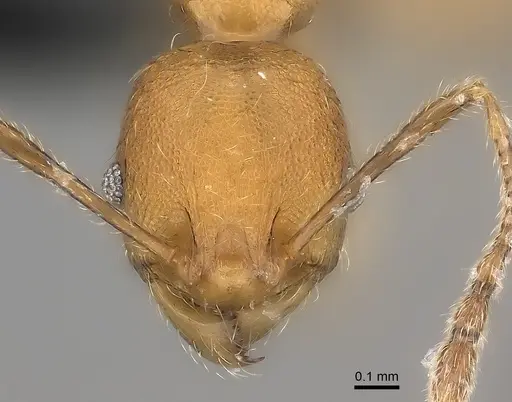
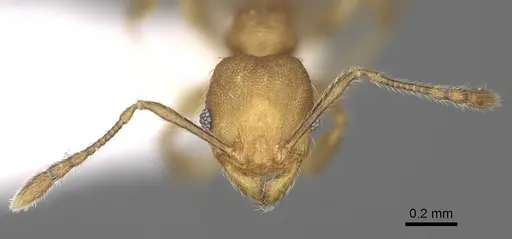
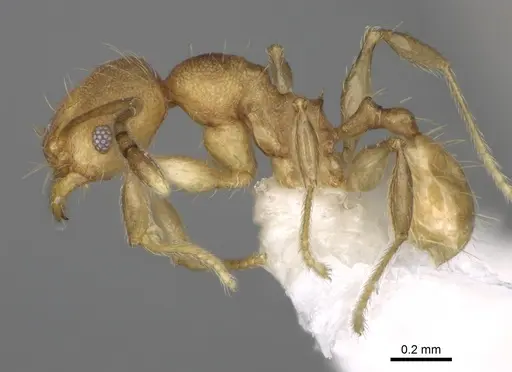
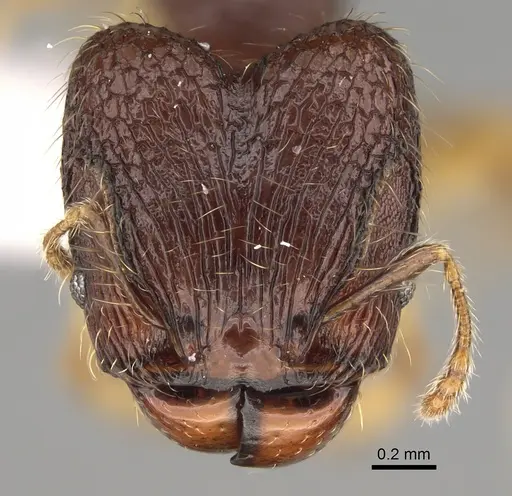
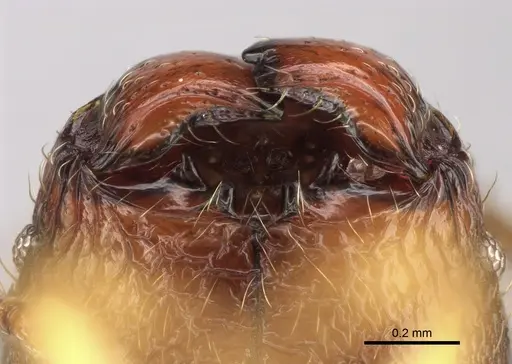
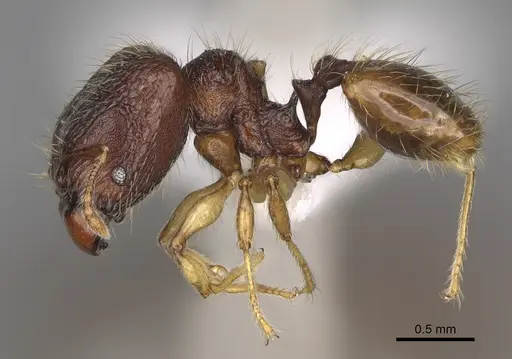
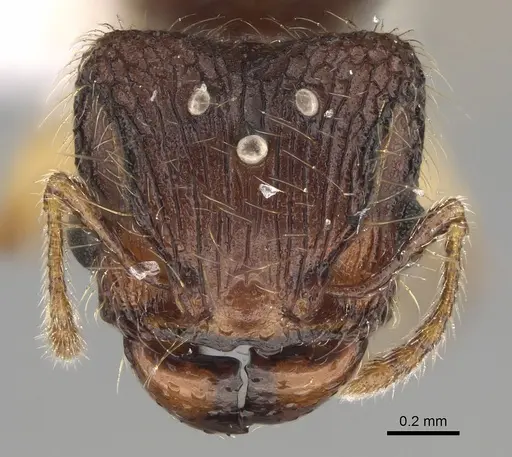
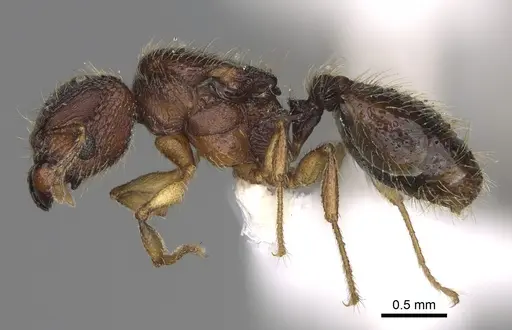
Pheidole rugocephala is a small ant species native to Madagascar, first described in 2020. It belongs to the Pheidole ferruginea species group and is found in rainforest, montane rainforest, and littoral rainforest habitats at elevations between 15-1200 meters [1]. The species gets its name from the Latin for 'strong and distinct head sculpture' on major workers, these large workers have a characteristic cordate (heart-shaped) head that widens toward the back, with deep foveolate (pitted) sculpture on the antennal scrobes [1]. Major workers measure 0.86-1.18mm in head length and have reddish-brown to brown coloring, while minor workers are much smaller at 0.48mm and appear yellow [1]. This species is most similar to Pheidole ferruginea but can be distinguished by its foveolate antennal scrobes and the smooth surface on the promesonotum [2].
As a rainforest species from Madagascar, this ant requires warm and humid conditions to thrive. Pheidole species are known for their colony structure with distinct major and minor worker castes, the majors have the characteristic enlarged heads used for seed processing and defense. While nesting preferences are unknown for this specific species, related Pheidole in similar habitats typically nest in soil or rotting wood in shaded forest areas.
Quick Summary
- Difficulty: Medium
- Origin & Habitat: Madagascar, specifically the Toamasina region in eastern Madagascar. Found in rainforest, montane rainforest, and littoral rainforest at elevations of 15-1200 meters [1][2].
- Colony Type: Colony structure is unconfirmed for this species. Based on typical Pheidole patterns, likely single-queen (monogyne) colonies with distinct major and minor worker castes.
- Size & Growth:
- Queen: Undescribed in original description, estimated 6-8mm based on genus patterns
- Worker: Major workers: 0.86-1.18mm head length (HL), minor workers: 0.48mm HL [1]. The majors are notably larger with their characteristic enlarged heads.
- Colony: Unknown, no colony size data available for this species
- Growth: Moderate, based on typical Pheidole development patterns
- Development: Estimated 5-8 weeks at optimal temperature based on genus-level data for similar rainforest Pheidole species (Development time is estimated as this species has not been directly studied. Pheidole species typically produce nanitic (first) workers that are smaller than normal workers.)
- Antkeeping:
- Temperature: Keep at 24-28°C, this is a tropical rainforest species from Madagascar that prefers warm conditions. A heating cable on one side of the nest can create a gentle gradient.
- Humidity: High humidity required, aim for 70-85% relative humidity. Keep the nest substrate consistently moist but not waterlogged. This rainforest species dries out quickly in dry conditions.
- Diapause: No diapause required, as a tropical species from Madagascar, they do not need a winter rest period. Maintain consistent temperatures year-round.
- Nesting: Nesting preferences are unknown in the wild. For captivity, a Y-tong (AAC) nest or plaster nest works well for these small ants. Provide moist substrate and avoid dry, airy setups. A naturalistic setup with moist soil and hiding spots can also work.
- Behavior: These ants are generally peaceful but will defend their nest vigorously if threatened. Major workers use their enlarged heads for seed processing and colony defense. They are not aggressive toward humans and rarely sting. As a small species, escape prevention is important, use fine mesh barriers and tight-fitting lids. Workers are active foragers that will search for food throughout the outworld.
- Common Issues: high humidity maintenance is critical, this rainforest species dies quickly in dry conditions, escape prevention is important due to their small size, minors are only 0.48mm, colonies may grow slowly initially, patience is needed during the founding stage, wild-caught colonies may carry parasites that can cause colony failure, test tube setups can dry out quickly, monitor moisture levels regularly
Housing and Nest Setup
Pheidole rugocephala is a small rainforest ant that requires careful attention to humidity. A Y-tong (acrylic) nest or plaster nest works well for this species, both hold moisture better than wooden setups. If using a test tube setup for founding colonies, place it in a humid enclosure to prevent drying. The nest area should be kept consistently moist but never waterlogged. For the outworld, provide a shallow water source and ensure any sugar foods don't dry out. Because these ants are small (minors are under 0.5mm), use fine mesh on any ventilation holes and ensure lid seals are tight. A naturalistic setup with moist soil, leaf litter, and small hiding structures can mimic their natural rainforest floor habitat. [1][2]
Feeding and Diet
Pheidole species are typically seed-harvesters and generalist foragers. In captivity, offer a varied diet including small seeds (millet, sesame, chia), protein sources (small insects like fruit flies, pinhead crickets, mealworms), and sugar sources (honey water, sugar water). Feed protein 2-3 times per week and keep sugar water available constantly. Remove any uneaten food after 24-48 hours to prevent mold. Fresh fruit pieces may also be accepted. Since this is a newly described species, observe your colony's preferences and adjust the diet accordingly.
Temperature and Humidity Requirements
This is a tropical rainforest species from Madagascar, so it needs warm and humid conditions. Keep the nest area at 24-28°C, temperatures below 22°C may slow activity and development. Use a heating cable on one side of the nest if your room temperature is below this range. Humidity is critical: maintain 70-85% relative humidity in the nest area. The substrate should feel consistently moist to the touch. Mist the nest area regularly if using a test tube setup, but avoid letting water pool. Place the setup away from direct sunlight and air conditioning vents to prevent temperature swings and drying. [1]
Colony Development and Growth
Pheidole rugocephala has distinct major and minor worker castes, the majors develop their characteristic enlarged heads as they mature. The founding stage typically takes several months before the first workers (nanitics) emerge. Once the colony establishes, growth is moderate, expect 6-12 months to reach 50-100 workers. Colonies likely reach several hundred workers at maturity based on typical Pheidole patterns. The queen lays eggs in batches, and brood development takes an estimated 5-8 weeks from egg to worker at optimal temperature. Major workers appear as the colony grows and are used for seed processing and nest defense. [1]
Behavior and Temperament
These ants are generally calm and not aggressive toward keepers. Major workers will defend the nest if threatened but rarely bite or sting. Workers are active foragers that search the outworld for food. The species shows typical Pheidole behavior with distinct castes, minors handle most foraging and brood care, while majors focus on seed processing and defense. They are not known for escape attempts but their small size means they can slip through tiny gaps. Observe your colony's activity patterns, healthy workers should be actively foraging and tending brood. Sick or stressed colonies may have workers that stay near the nest entrance.
Frequently Asked Questions
How long does it take for Pheidole rugocephala to produce first workers?
The time from founding to first workers (nanitics) is typically 4-8 weeks after the eggs are laid, but the initial founding stage before the queen lays eggs can take several weeks to months. Expect 2-4 months from queen capture to seeing your first workers emerge.
What do Pheidole rugocephala ants eat?
They are generalist foragers that accept seeds, small insects, and sugar sources. Offer small seeds like millet or sesame, protein like fruit flies or small mealworms, and keep honey water or sugar water available. Remove uneaten food after 24-48 hours.
What temperature do Pheidole rugocephala ants need?
Keep them at 24-28°C. This is a tropical rainforest species from Madagascar that prefers warm conditions. A heating cable on part of the nest can help maintain optimal temperature.
How often should I feed Pheidole rugocephala?
Offer protein (insects or seeds) 2-3 times per week. Keep sugar water or honey water available constantly. Remove uneaten food after 24-48 hours to prevent mold.
Are Pheidole rugocephala good for beginners?
They are rated as medium difficulty. The main challenges are maintaining high humidity and ensuring escape prevention due to their small size. Experienced antkeepers will have more success with this species.
Do Pheidole rugocephala need hibernation?
No, they do not need hibernation. As a tropical species from Madagascar, they prefer consistent warm temperatures year-round. Do not expose them to temperatures below 20°C for extended periods.
How big do Pheidole rugocephala colonies get?
Colony size is unknown for this specific species, but typical Pheidole colonies reach several hundred to a few thousand workers at maturity. Growth is moderate, expect several months to reach 50+ workers.
Can I keep multiple Pheidole rugocephala queens together?
Colony structure is unconfirmed for this species. Pheidole are typically monogyne (single queen), so it is not recommended to combine unrelated queens. If you capture a queen, house her alone until workers emerge.
Why are my Pheidole rugocephala dying?
The most common causes are low humidity (this rainforest species dries out easily), temperatures below 22°C, and escape due to their small size. Check that the nest substrate is moist, temperature is in the 24-28°C range, and that all gaps are sealed with fine mesh.
References

This caresheet is licensed under CC BY-SA 4.0 .
CASENT0038365
View on AntWeb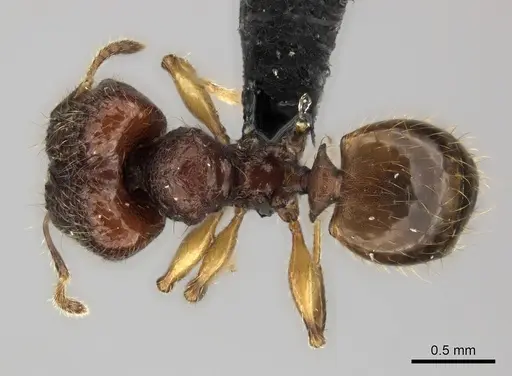
CASENT0078393
View on AntWeb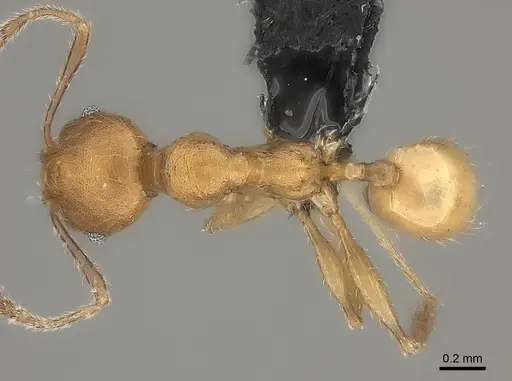
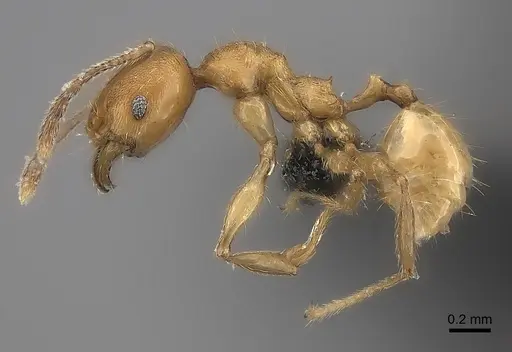
CASENT0198470
View on AntWeb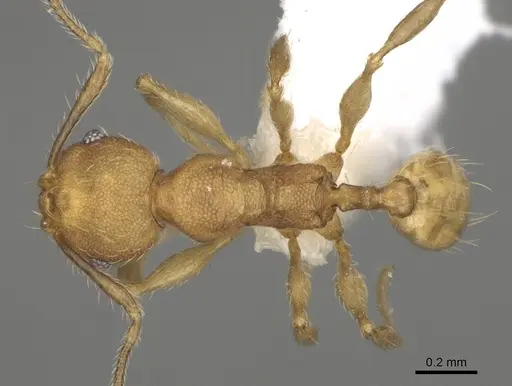
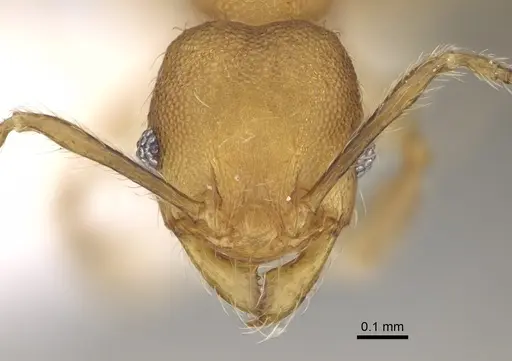
CASENT0923224
View on AntWeb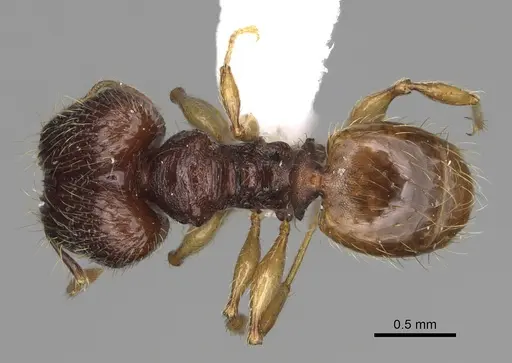
CASENT0923225
View on AntWeb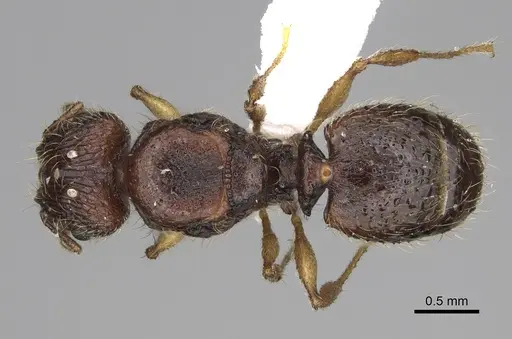
Literature
Loading...Loading products...