

Pheidole ferruginea
- Scientific Name
- Pheidole ferruginea
- Tribe
- Attini
- Subfamily
- Myrmicinae
- Author
- Salata & Fisher, 2020
- Distribution
- Found in 1 countries
Pheidole ferruginea Overview
Pheidole ferruginea is an ant species of the genus Pheidole. It is primarily documented in 1 countries , including Madagascar. Detailed taxonomic data and occurrence records can be further explored via authoritative databases such as AntWeb or the Global Biodiversity Information Facility (GBIF).
Pheidole ferruginea
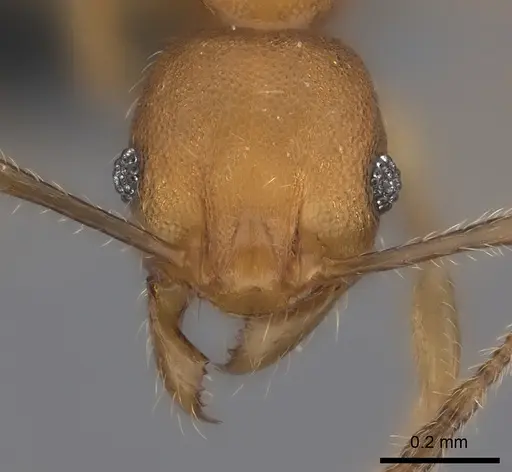
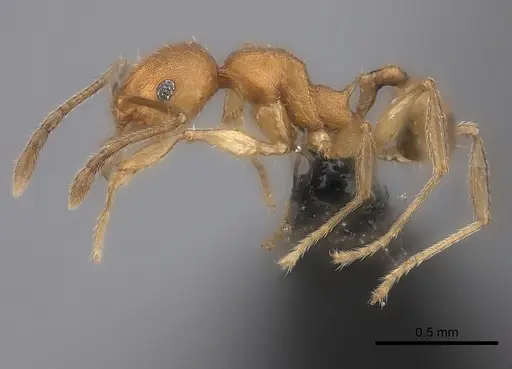
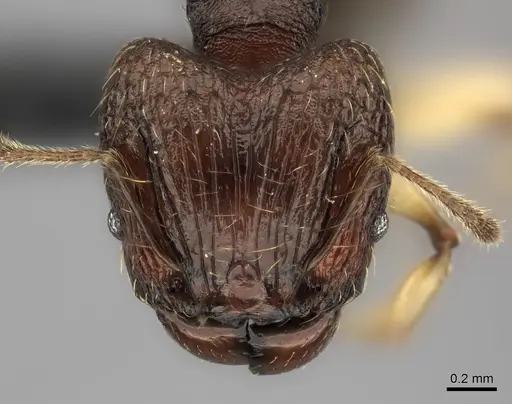
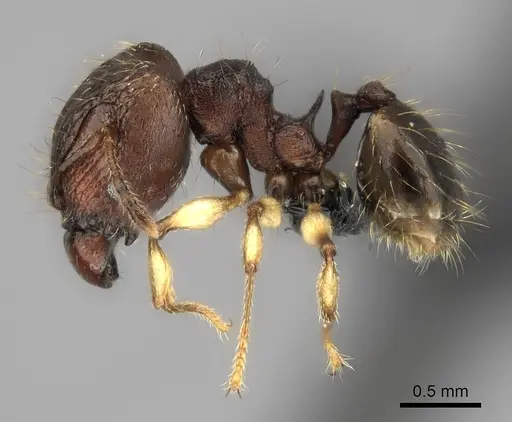
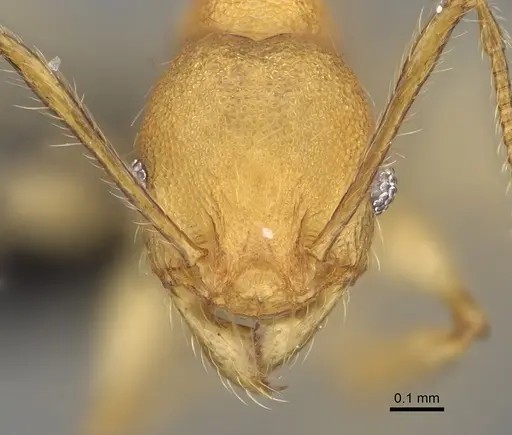
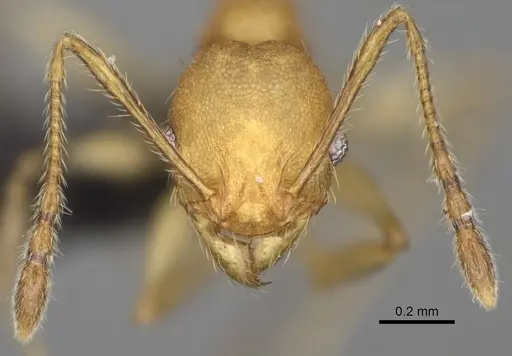
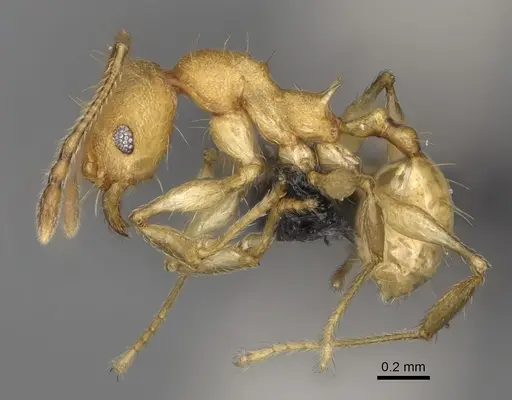
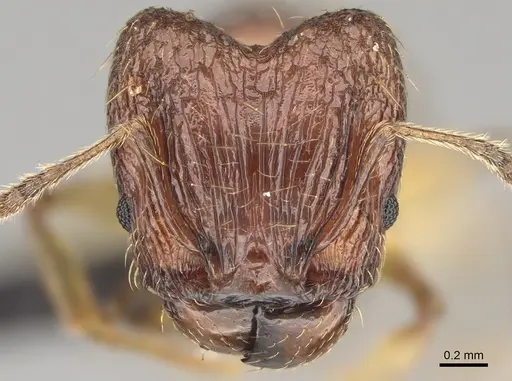
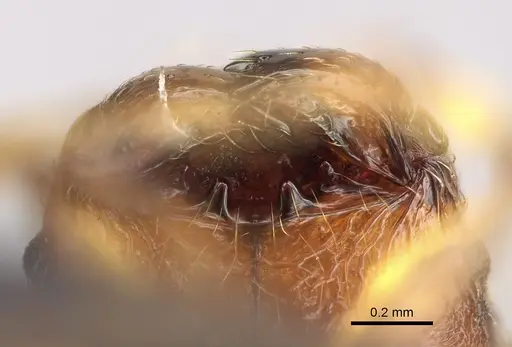
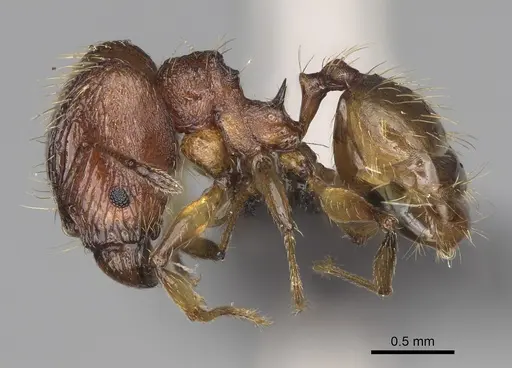
Pheidole ferruginea is a small ant species native to Madagascar, recently described in 2020. The species gets its name from the Latin word 'ferruginea' meaning rusty, referring to the reddish-brown to brown coloration of the major workers [1]. Like all Pheidole species, this ant has two worker castes: large major workers with distinctive big heads (1.18-1.34mm head length) and smaller minor workers (0.52-0.57mm head length) that handle most of the day-to-day tasks [1]. The major workers have a cordate head that widens posteriorly, strongly developed antennal scrobes, and long propodeal spines [1]. This species belongs to the ferruginea complex within the ferruginea group and is found only in Madagascar.
Quick Summary
- Difficulty: Medium
- Origin & Habitat: Endemic to Madagascar, found in the Antsiranana region including Parc National de Marojejy. It lives in rainforest, montane rainforest, and littoral rainforest habitats at elevations between 20-1312 meters [1]. Nests are located in rotten logs, tree stumps, rotten sticks on the ground, and sometimes in the petioles of Melastomataceae plants [1].
- Colony Type: Single-queen colonies (monogyne) based on typical Pheidole colony structure. Pheidole colonies have distinct major and minor worker castes.
- Colony: Monogyne
- Founding: Claustral
- Size & Growth:
- Queen: Unconfirmed, likely 7-10mm based on typical Pheidole queen size range
- Worker: Major workers: 1.18-1.34mm head length, Minor workers: 0.52-0.57mm head length [1]
- Colony: Unknown for this specific species, typical Pheidole colonies reach several hundred to a few thousand workers
- Growth: Moderate, estimated based on typical Pheidole development
- Development: 6-8 weeks estimated based on typical Pheidole development at tropical temperatures (Development time is inferred from related species, actual timing may vary)
- Antkeeping:
- Temperature: Keep at 24-28°C as a starting point. This is a tropical Madagascar species that inhabits rainforest environments, so warmth and humidity are important. Adjust based on colony activity, if workers seem sluggish, increase slightly, if they avoid the heated area, reduce temperature.
- Humidity: Keep the nest substrate consistently moist but not waterlogged. This species naturally nests in rotting wood and damp plant material in rainforest habitats, so aim for moderate to high humidity (60-80%). Provide a water tube for drinking water.
- Diapause: No, as a tropical species from Madagascar, they do not require hibernation. Keep temperatures stable year-round.
- Nesting: This species naturally nests in rotting wood, tree stumps, and damp plant material. In captivity, they do well in Y-tong (AAC) nests, plaster nests, or naturalistic setups with rotting wood. The nest should have chambers scaled to their small size. Avoid dry, arid setups.
- Behavior: Pheidole ferruginea is a typical Pheidole species, they are not particularly aggressive but will defend their nest if threatened. Major workers use their large heads to crush seeds and process hard foods, while minor workers handle most foraging and brood care. They are active foragers that will collect seeds, dead insects, and other protein sources. Escape prevention is important due to their small size, use fine mesh and tight-fitting barriers. They are not known to sting and are generally peaceful toward keepers.
- Common Issues: escape prevention is critical due to their very small size, they can squeeze through tiny gaps, rotting wood nests can dry out quickly, monitor humidity regularly, colonies may be slow to establish initially, patience is needed during founding, wild-caught colonies may have parasites that can kill them in captivity, overfeeding can lead to mold problems in the nest
Housing and Nest Setup
Pheidole ferruginea does well in several nest types. Y-tong (acrylic) nests work well because they allow you to monitor the colony easily and maintain proper humidity. Plaster nests are another good option, they hold moisture well, which matches this species' preference for damp conditions. Naturalistic setups with rotting wood pieces can also work, but monitor moisture levels carefully. The nest chambers should be appropriately sized for their small workers, avoid large, open spaces. Provide a connected outworld area for foraging. Use a water tube for drinking water, and consider a humidity chamber or regular misting for the outworld area. [1]
Feeding and Diet
Pheidole ferruginea is an omnivorous species that will accept a variety of foods. In captivity, they readily eat small insects like fruit flies, pinhead crickets, and mealworms. Seeds are also part of their natural diet, they use their major workers' large heads to crack seeds open. Offer protein sources (insects) 2-3 times per week, and provide a constant source of sugar water or honey. Commercial ant foods are also accepted. Remove uneaten food after 24-48 hours to prevent mold. Fresh water should always be available.
Temperature and Seasonal Care
As a tropical species from Madagascar, Pheidole ferruginea needs warm temperatures. Keep the nest area at 24-28°C. A heating cable on one side of the nest can create a gentle temperature gradient, allowing the ants to regulate their own temperature by moving between areas. Avoid temperatures below 20°C for extended periods. Since this is a tropical species, they do not require hibernation or diapause, maintain stable temperatures year-round. Room temperature within this range is usually suitable. Monitor colony behavior, if workers seem sluggish or cluster together excessively, the temperature may be too low. [1]
Colony Growth and Development
Pheidole colonies grow through a well-defined process. The claustral queen seals herself in a small chamber and lays eggs after mating. She feeds the first batch of larvae from her own body reserves. The first workers that emerge (called nanitics) are smaller than normal workers but immediately begin helping the queen care for new brood. Over time, the colony produces more workers, including the large major workers that give Pheidole their distinctive 'big-headed ant' appearance. Expect the first workers to emerge 6-8 weeks after the queen lays eggs, though this is an estimate based on related species. Colony growth is moderate, it may take several months to reach 50 workers, and a mature colony may have several hundred to a few thousand workers.
Behavior and Temperament
Pheidole ferruginea has the typical Pheidole colony structure with major and minor workers. Major workers have large, powerful heads that they use to crush seeds and process hard food items. Minor workers handle most of the foraging, brood care, and nest maintenance. The species is not particularly aggressive and rarely bites keepers. They are active foragers that will readily explore their outworld in search of food. Major workers may patrol alongside minor workers but typically don't handle routine foraging. When the nest is disturbed, majors may respond defensively but the species is generally considered peaceful toward humans. [1]
Escape Prevention
Due to their very small size, escape prevention is critical for Pheidole ferruginea. These ants can squeeze through remarkably tiny gaps. Use tight-fitting lids on all containers. If using test tubes, wrap the opening with cotton or use a proper stopper. For formicariums, apply fluon (ant escape prevention liquid) to the edges of all connections and openings. Check regularly for any gaps or cracks. Fine mesh (at least 0.5mm) should be used for any ventilation. Be especially careful when feeding, ants may escape while carrying food back to the nest. A moat of water or oil around the foraging area can help contain them.
Frequently Asked Questions
How long does it take for Pheidole ferruginea to produce first workers?
Based on typical Pheidole development, expect 6-8 weeks from egg to first worker at optimal temperatures (24-28°C). This is an estimate since this specific species hasn't been studied in captivity yet.
Can I keep Pheidole ferruginea in a test tube?
Yes, test tubes work well for founding colonies. Use a standard test tube setup with a water reservoir (cotton ball) and keep it in a warm, humid location. Once the colony reaches 30-50 workers, consider moving to a larger nest like a Y-tong or plaster formicarium.
What do Pheidole ferruginea ants eat?
They are omnivores that accept small insects (fruit flies, pinhead crickets, mealworms), seeds, sugar water, honey, and commercial ant foods. Offer protein 2-3 times per week and keep sugar water available constantly.
Are Pheidole ferruginea good for beginners?
This species is rated as medium difficulty. They are small but not particularly difficult to keep. The main challenges are escape prevention due to their tiny size and the need for warm, humid conditions. Beginners should be prepared for slower growth during the founding phase.
Do Pheidole ferruginea need hibernation?
No, they do not require hibernation. As a tropical species from Madagascar, they need stable warm temperatures year-round. Keep them at 24-28°C continuously.
When should I move my colony to a formicarium?
Move the colony when it reaches 30-50 workers or when the test tube becomes crowded. Signs include workers clustering near the cotton stopper, condensation disappearing quickly, or the queen moving toward the airier parts of the tube.
How big do Pheidole ferruginea colonies get?
Colony size is not documented for this specific species, but typical Pheidole colonies reach several hundred to a few thousand workers. A mature colony may take 1-2 years to develop.
Why are my Pheidole ferruginea dying?
Common causes include: temperatures too low (below 20°C), humidity too dry or too wet, mold from overfeeding, escape through tiny gaps, or parasites from wild-caught colonies. Check these parameters and adjust accordingly.
Can I keep multiple queens together?
No, Pheidole ferruginea is a single-queen (monogyne) species. Combining unrelated queens will typically result in fighting. Only keep one queen per colony.
What temperature is best for Pheidole ferruginea?
Keep nest temperatures at 24-28°C. This matches their natural habitat in Madagascar's rainforests. A slight temperature gradient allows the ants to regulate their own conditions.
Where is Pheidole ferruginea found in the wild?
This species is endemic to Madagascar, specifically found in the Antsiranana region including Parc National de Marojejy. They live in rainforest, montane rainforest, and littoral rainforest habitats at elevations from 20-1312 meters.
References

This caresheet is licensed under CC BY-SA 4.0 .
CASENT0122564
View on AntWeb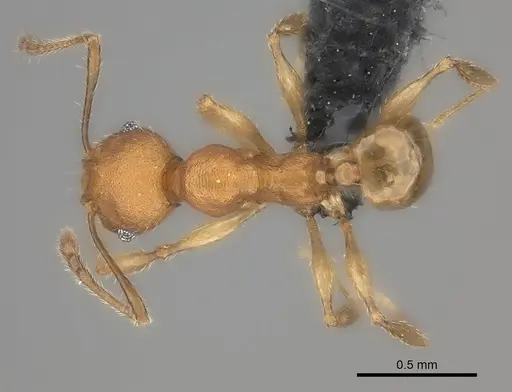
CASENT0128696
View on AntWeb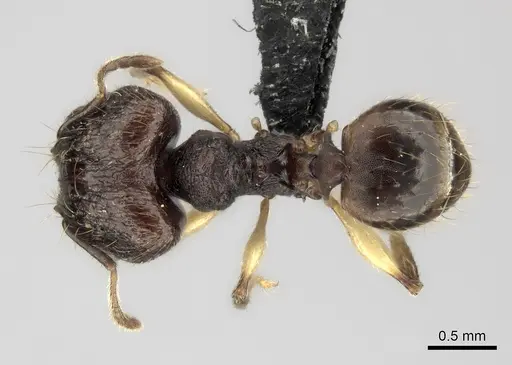
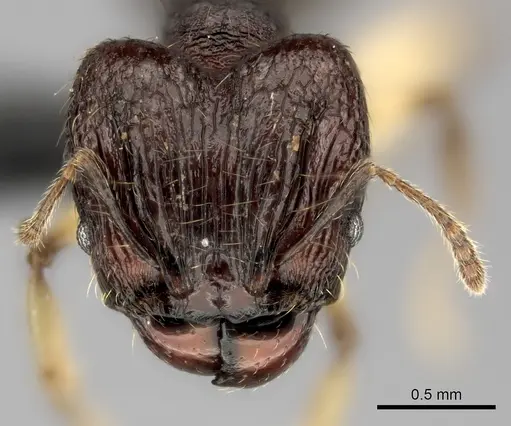
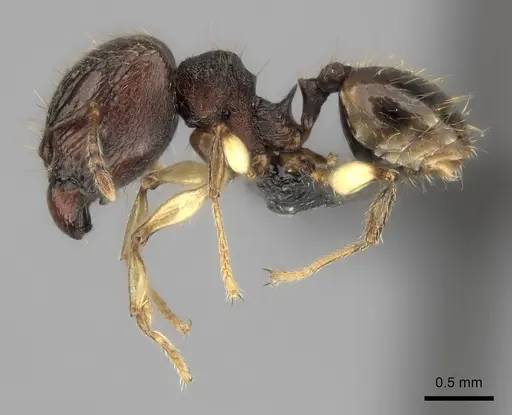
CASENT0150522
View on AntWeb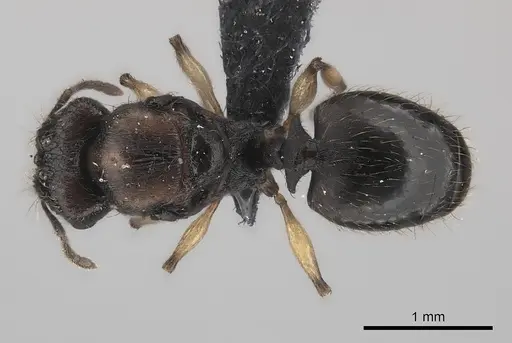
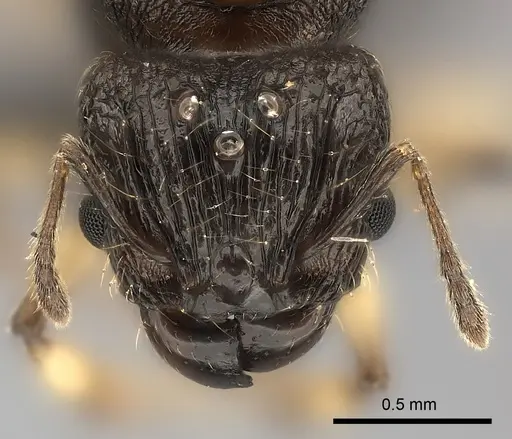
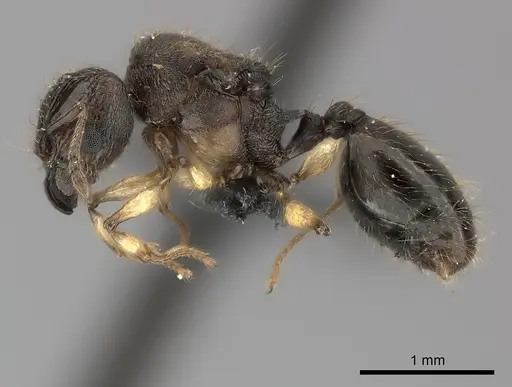
CASENT0150523
View on AntWeb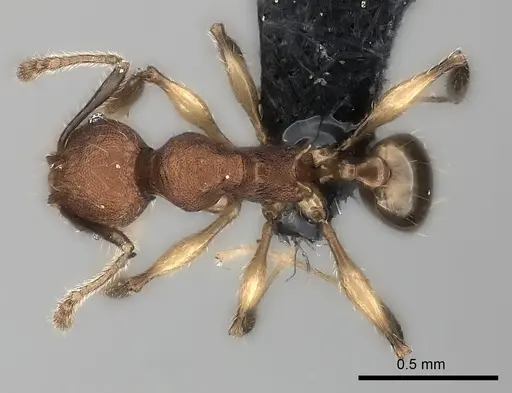
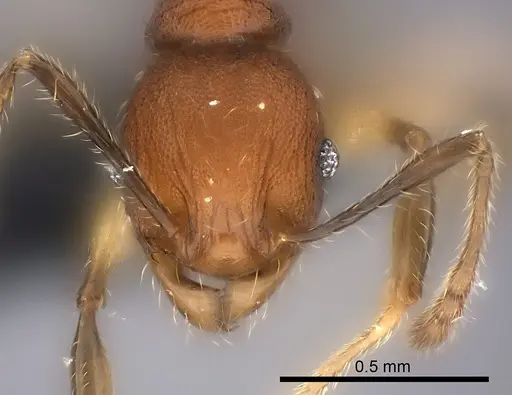
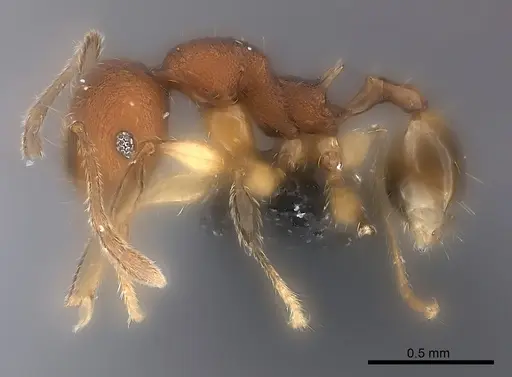
CASENT0153314
View on AntWeb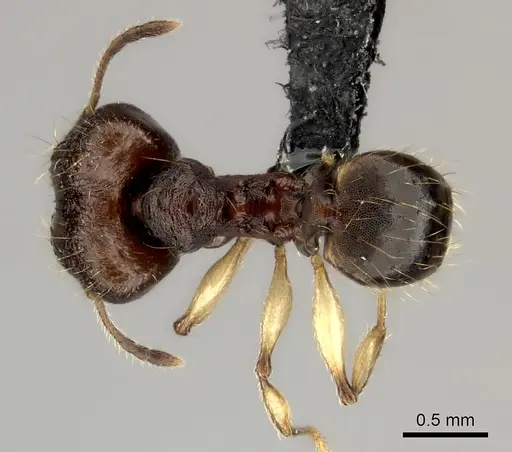
CASENT0198916
View on AntWeb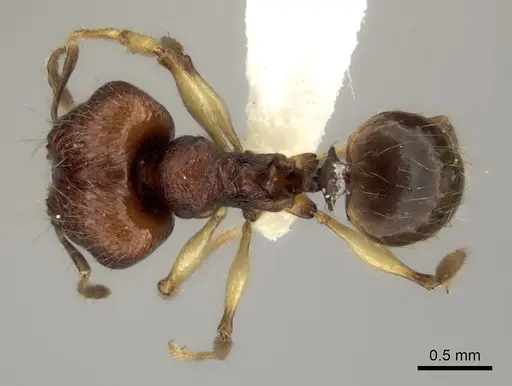
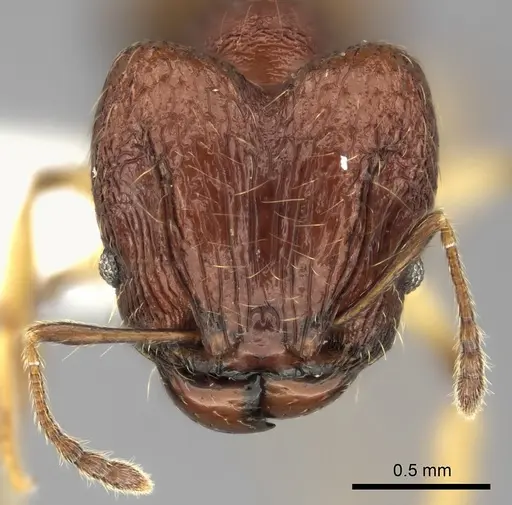
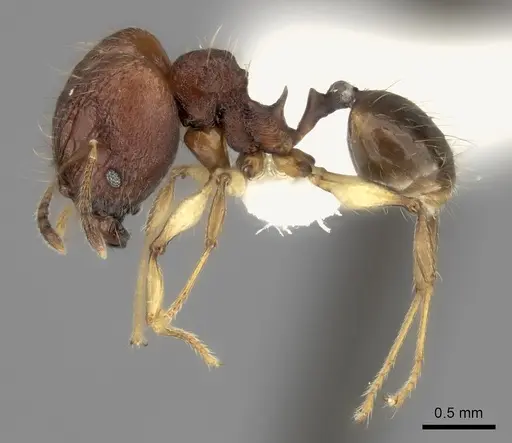
CASENT0217984
View on AntWeb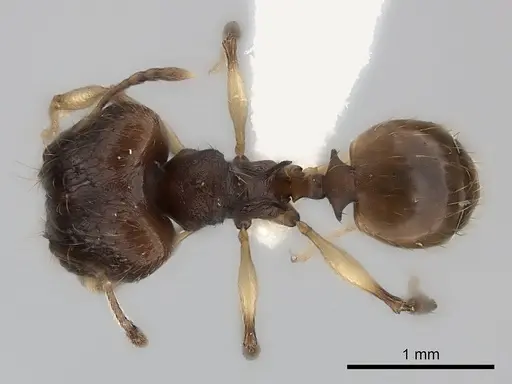
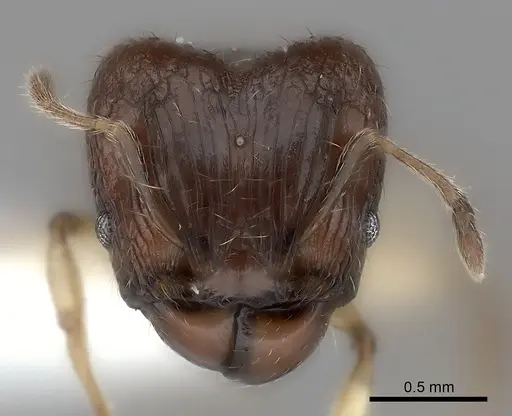
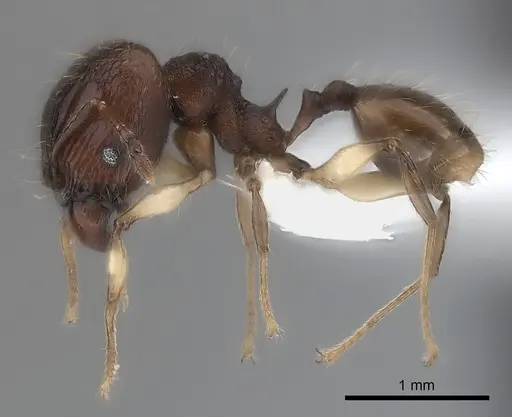
CASENT0217989
View on AntWeb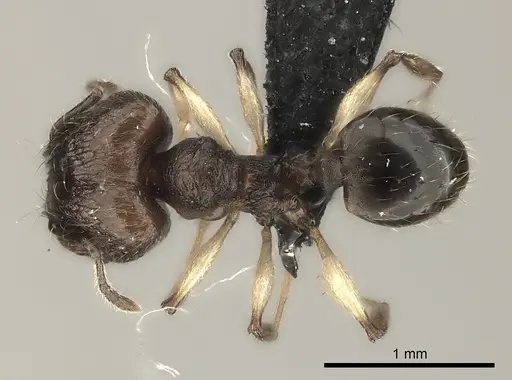
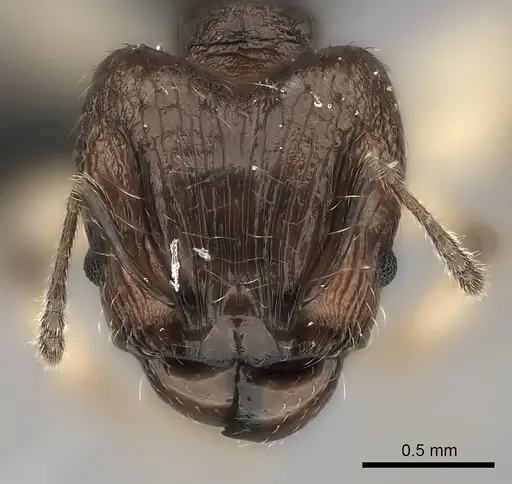
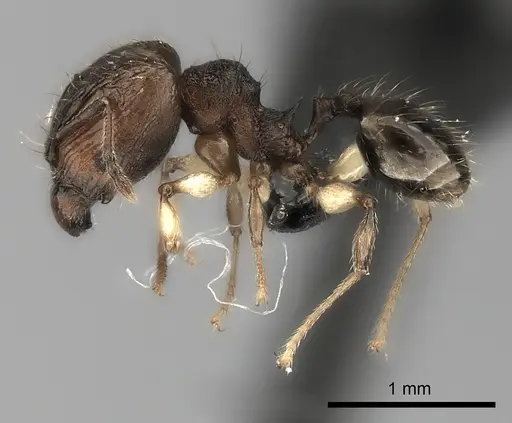
CASENT0217992
View on AntWeb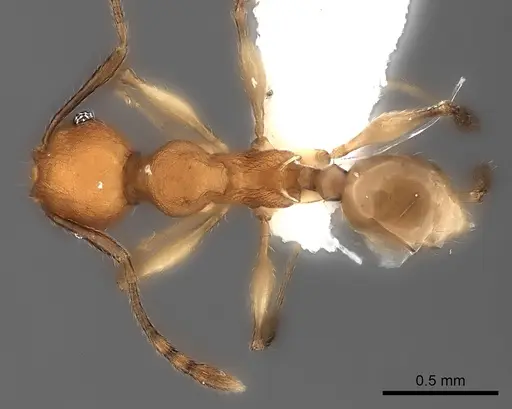
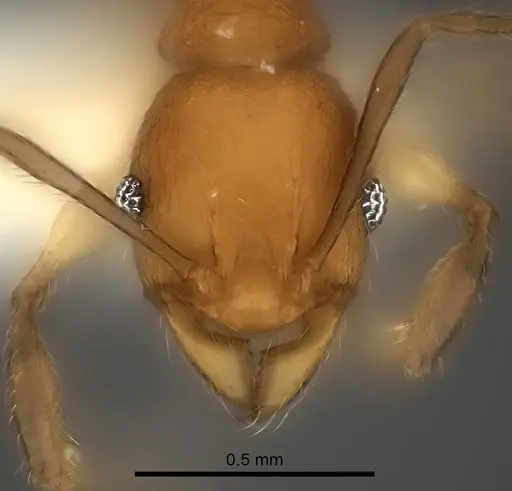
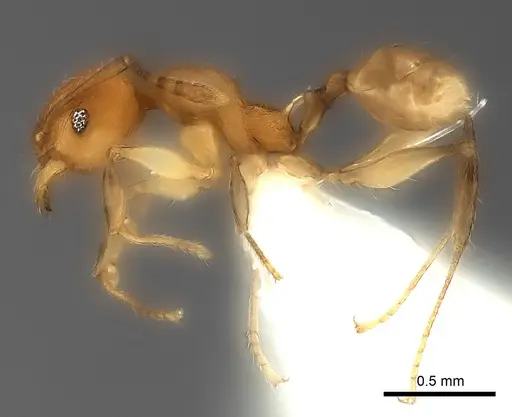
CASENT0217993
View on AntWeb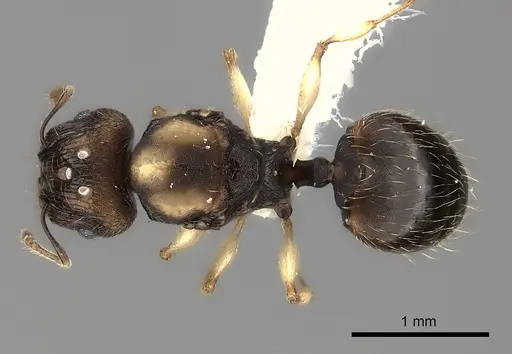
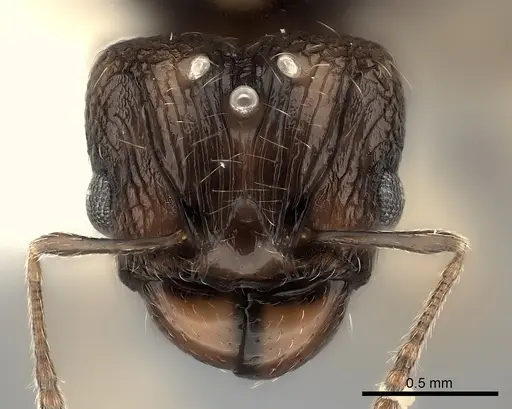
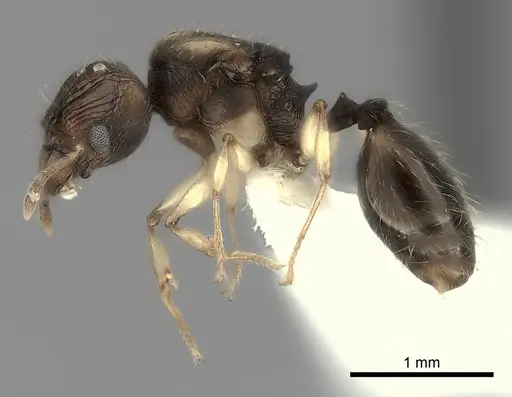
CASENT0235025
View on AntWeb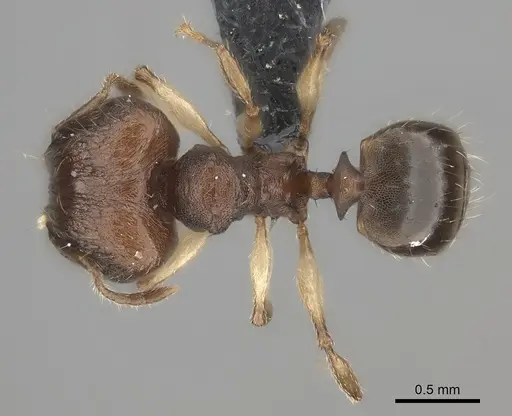
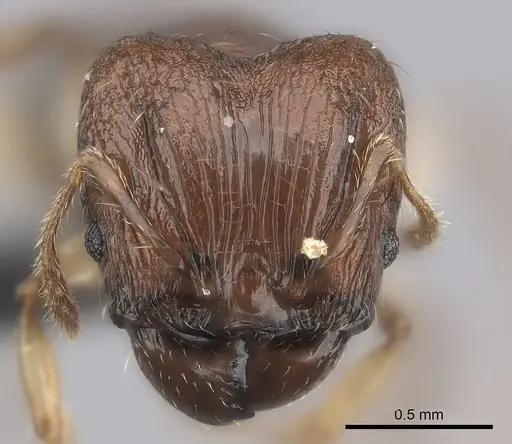
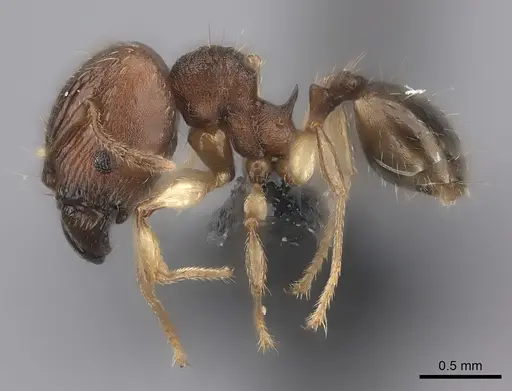
CASENT0494917
View on AntWeb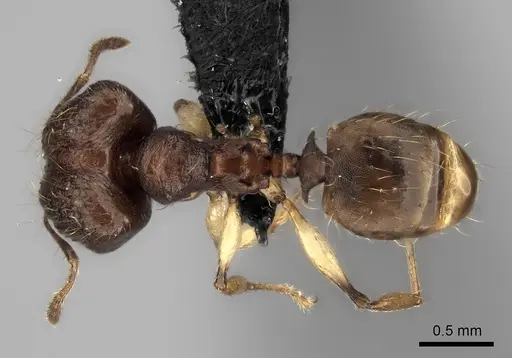
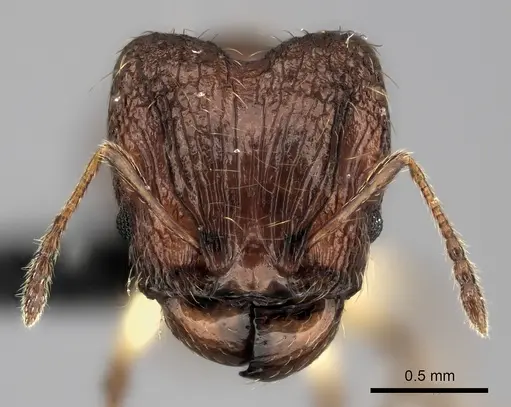
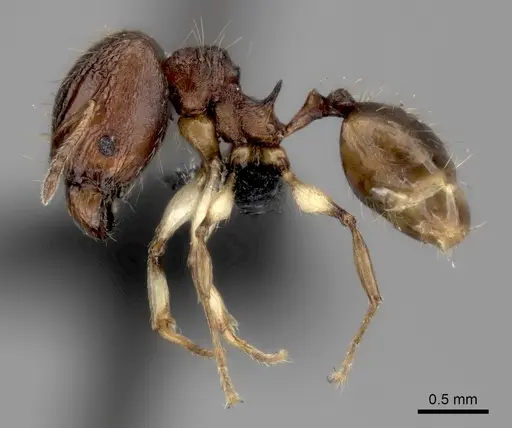
CASENT0494994
View on AntWeb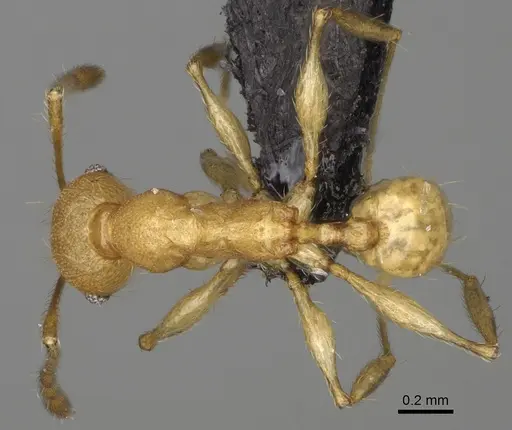
CASENT0494997
View on AntWeb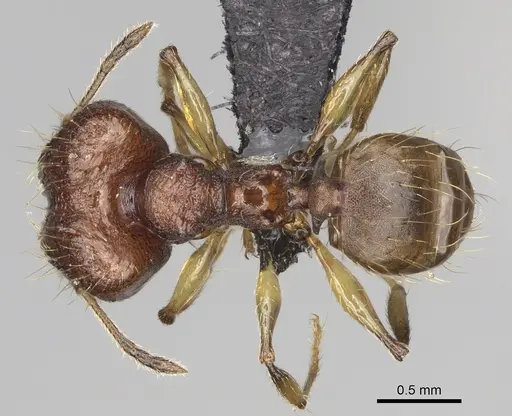
Literature
Loading...Loading products...